Norovirus and cruise ships have become so closely linked that the illness is often nicknamed the “cruise ship virus.” Hear about a few hundred passengers getting sick at sea and it doesn’t take long for the headlines to appear.

But that reputation doesn’t tell the whole story. According to the CDC, cruise ships account for only around 1% of reported norovirus outbreaks, with the virus also spreading in schools, restaurants, healthcare facilities, and plenty of other places on land.
That doesn’t mean norovirus is something cruisers should ignore. It spreads easily, can leave you stuck in your cabin for several miserable days, and sometimes results in cruise lines introducing extra cleaning, isolation measures, and other restrictions onboard.
So, how likely are you to encounter norovirus on a cruise, which ships have reported outbreaks recently, and what can you actually do to protect yourself?
Here’s what the latest CDC figures tell us, along with the practical steps worth taking before and during your cruise.
Why Norovirus Gets Blamed on Cruise Ships
Mention norovirus and plenty of people immediately picture a cruise ship. It’s become so closely linked with cruising that you’ll sometimes hear it called the “cruise ship virus.”
That nickname gives cruise ships far too much credit.
Despite the reputation, most reported norovirus outbreaks don’t happen on cruise ships. In the U.S., roughly 2,500 outbreaks are reported each year, and they can happen anywhere people are sharing spaces, food, or facilities.
Cruise ships do have a few things working against them. Thousands of people may be eating in the same restaurants, touching the same elevator buttons, using shared bathrooms, and moving between ports in a relatively small space. Someone can also board while infected or pick up the virus ashore and bring it back with them.

But there’s another reason cruise outbreaks seem so common: we hear about them.
Illness at sea is closely tracked. Cruise ship crew members are required to report gastrointestinal symptoms to the ship’s medical team, and ships covered by the CDC’s Vessel Sanitation Program must report cases of acute gastrointestinal illness.
That means an outbreak on a ship can quickly become a documented event with passenger numbers, dates, symptoms, and sometimes laboratory test results.
Compare that with a group of people getting sick after a family gathering or in another shared setting. Most of us won’t see a public outbreak report afterward.
So yes, norovirus can spread quickly on a cruise ship. But cruising isn’t where most norovirus outbreaks happen. Cruise ships are simply one of the places where cases are particularly visible.
What Norovirus Actually Is
Norovirus is a highly contagious virus that causes inflammation of the stomach and intestines. You’ll sometimes hear people call it the “stomach flu,” but it has nothing to do with influenza.
And unfortunately, it doesn’t take much to spread it.
An infected person can shed billions of virus particles through vomit and stool, while only a tiny number of particles may be enough to make someone else sick.
The virus can spread in several ways. You could have direct contact with someone who’s infected, eat food or drink water that has been contaminated, or touch a contaminated surface and then put your fingers near your mouth. Tiny droplets released when someone vomits can contaminate nearby surfaces and food too.
You can see why that matters on a cruise ship. Passengers share restaurants, elevators, handrails, restrooms, casino machines, touchscreens, and plenty of other high-traffic areas.
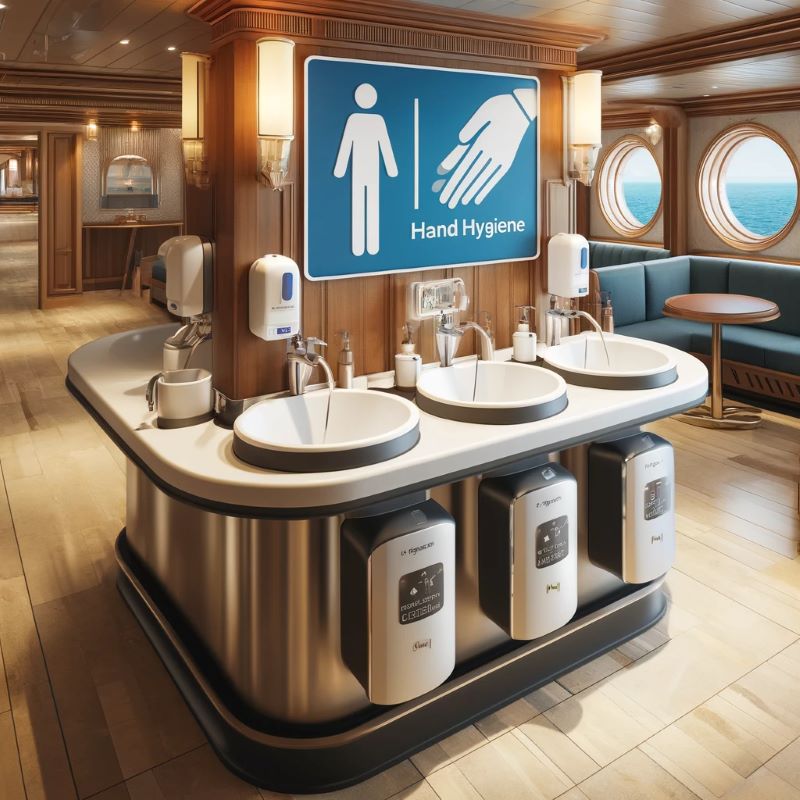
One sick person doesn’t mean there will be an outbreak, but there are plenty of opportunities for the virus to move between people if good hygiene slips.
Getting norovirus once doesn’t mean you’re protected for life either. There are different types of norovirus, so it’s possible to catch it more than once.
That’s part of what makes it such a nuisance — on land or at sea.
How Common Is Norovirus on a Cruise?
If all you did was read the headlines, you could be forgiven for thinking norovirus outbreaks were happening on cruise ships every other week.
The reality is much less dramatic.
According to the CDC, cruise ships account for only around 1% of all reported norovirus outbreaks. That figure doesn’t mean you have a 1% chance of catching norovirus on your next cruise. It means that, when reported norovirus outbreaks across different settings are counted, cruise ships make up a very small share of them.
There is an interesting flip side, though. When an outbreak of diarrheal illness does occur on a cruise ship, norovirus is frequently the culprit. The CDC says it causes more than 90% of reported diarrheal disease outbreaks on cruise ships.
Those two statistics might sound contradictory, but they’re not.
Think of it this way: cruise ships account for a small slice of all norovirus outbreaks, but within that small slice of cruise ship outbreaks, norovirus is a common cause.
And norovirus certainly isn’t waiting at the gangway with a welcome drink.
Outbreaks also happen in healthcare facilities, restaurants, schools, childcare centers, universities, and other places where people spend time together. Norovirus is extremely good at spreading wherever it gets the opportunity.
Cruise ships simply have something many of those places don’t: a structured system for tracking gastrointestinal illness. That makes outbreaks at sea easier to spot, count, investigate, and eventually report publicly.
So rather than asking, “Are cruise ships full of norovirus?” a better question is how often qualifying outbreaks are actually being reported.
And that’s where the latest CDC cruise ship data gets interesting.
Cruise Ship Norovirus Outbreaks in 2026
The CDC’s current 2026 outbreak list gives us a much clearer picture of how often norovirus is actually showing up on cruise ships.
As of the CDC page’s latest update on July 23, 2026, nine gastrointestinal illness outbreaks had been posted for ships within the Vessel Sanitation Program’s jurisdiction. Five were confirmed as norovirus, two were caused by E. coli, and the cause of two others was still listed as unknown.
Here are the five confirmed norovirus outbreaks listed for 2026 so far:
| Cruise Line | Ship | Sailing Dates | Passengers Reported Ill |
|---|---|---|---|
| Princess Cruises | Star Princess | March 7–14 | 141 of 4,307 (3.3%) |
| Princess Cruises | Caribbean Princess | April 28–May 11 | 145 of 3,116 (4.7%) |
| Lindblad Expeditions | National Geographic Sea Bird | May 26–31 | 9 of 66 (13.6%) |
| Lindblad Expeditions | National Geographic Sea Bird | June 25–30 | 19 of 68 (28%) |
| Princess Cruises | Ruby Princess | June 12–July 2 | 107 of 3,032 (3.5%) |
The percentages need a little context. National Geographic Sea Bird had the highest percentage of sick passengers on the list, with 28% reporting illness during its June 25–30 sailing. But it’s a tiny expedition ship compared with a vessel such as Ruby Princess, so 19 sick passengers represented more than a quarter of everyone onboard.
Princess Cruises had three ships with confirmed norovirus outbreaks on the 2026 list: Star Princess, Caribbean Princess, and Ruby Princess. That doesn’t mean Princess ships are less hygienic than other cruise lines. The CDC list records qualifying outbreaks on ships under its jurisdiction; it isn’t a hygiene ranking of cruise companies.
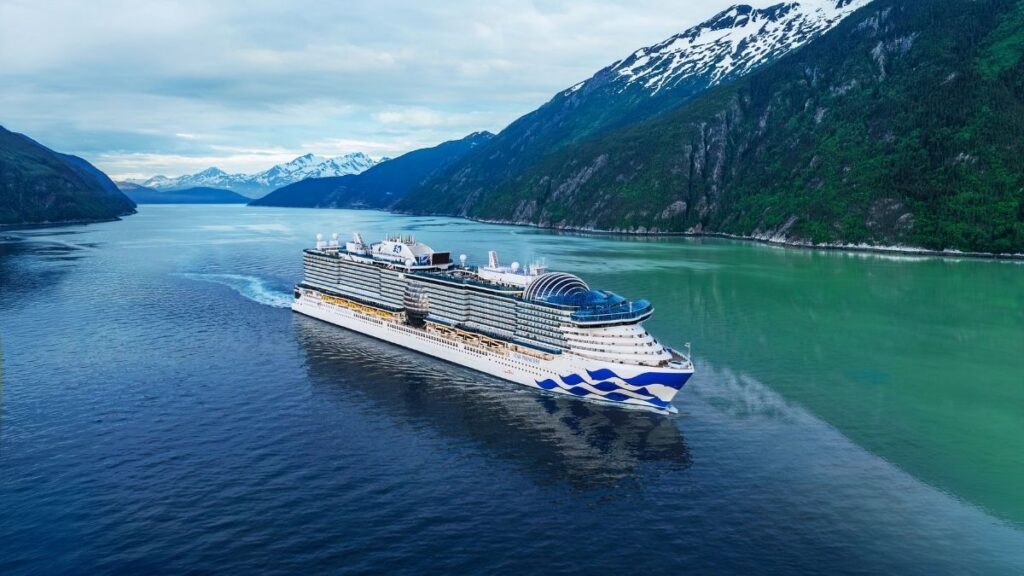
There’s also an interesting story in the repeated outbreaks aboard National Geographic Sea Bird. After the May outbreak, continued cases led the CDC’s Vessel Sanitation Program to carry out an onboard field response and environmental assessment during later voyages.
Another confirmed norovirus outbreak was then recorded on the June 25 sailing, followed by two July outbreaks where the cause was listed as unknown.
For comparison, the CDC listed 23 gastrointestinal illness outbreaks in 2025. Eighteen of those are identified in its table as norovirus, while the remaining outbreaks were attributed to E. coli, presumed ciguatera poisoning, or an unknown cause.
Those numbers are useful, but they don’t represent every case of stomach illness on every cruise ship. There are set rules determining which outbreaks appear on the CDC’s public list, and understanding those rules changes how you should read the figures.
Related read: Over 150 Guests and Crew Hit by Norovirus Outbreak on Princess Cruises Newest Ship
What Those CDC Outbreak Numbers Really Mean
Before looking at a CDC outbreak list and assuming every cruise ship with a stomach bug ends up on it, there are a few important details to understand.
The CDC’s Vessel Sanitation Program, or VSP, covers cruise ships on voyages that include both U.S. and foreign ports. Outbreaks elsewhere may be handled by other health authorities, so the CDC list isn’t a complete record of every gastrointestinal illness outbreak on every cruise ship.
There’s also a threshold for an outbreak to appear on the public list. In most cases, at least 3% of passengers or 3% of crew members need to report qualifying gastrointestinal illness symptoms to the ship’s medical staff.
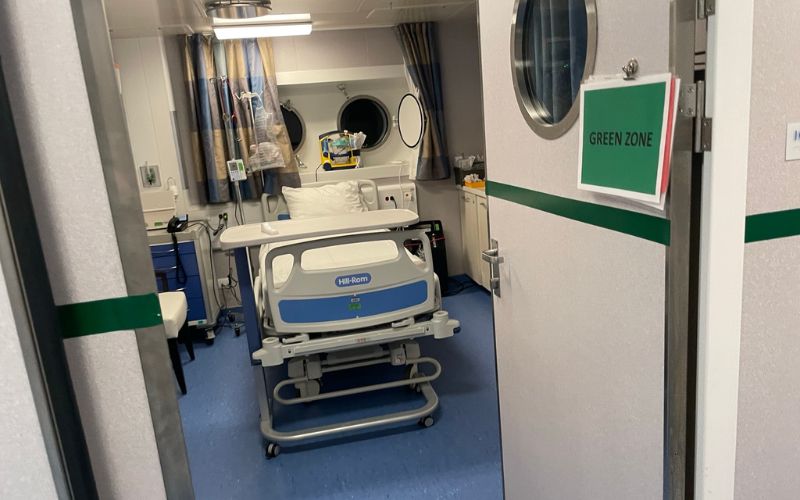
The CDC can investigate or publish other events of public health importance too, even when that threshold hasn’t been reached.
Interestingly, the CDC starts paying closer attention before cases reach 3%. When illness reaches 2% or more of passengers or crew, VSP provides extra support and technical assistance to the ship as it responds.
Another important detail is what those passenger numbers actually represent. If the CDC reports that 145 passengers became sick on a voyage, that doesn’t mean all 145 people were ill at the same time.
The totals cover cases reported throughout the entire sailing. Some passengers may have recovered while others became sick later, which can make a headline such as “145 passengers sick on cruise ship” sound rather different from what was happening onboard at any one moment.
Passengers also have to report their symptoms for those cases to be counted. If someone feels ill and decides to stay in their cabin without contacting the medical center, their illness may never make it into the ship’s official figures.
That’s one reason cruise lines repeatedly ask passengers to report vomiting and diarrhea rather than quietly trying to ride it out. Those reports help the medical team spot unusual patterns early and take measures to limit further spread.
Finally, a gastrointestinal outbreak doesn’t mean norovirus. The CDC first records passengers and crew who meet its definition for acute gastroenteritis, then samples may be collected and tested to find the cause.
As the 2026 outbreak data shows, the eventual culprit can be norovirus, E. coli, or something else entirely — and sometimes no cause is confirmed.
So the CDC outbreak list is extremely useful, but it needs to be read for what it is: a record of qualifying outbreaks within a defined public-health monitoring system, rather than a global league table of which cruise ships are the “sickest.”
What Norovirus Feels Like — And How Long It Lasts
Norovirus tends to arrive quickly. According to the CDC, symptoms usually start around 12 to 48 hours after you’ve been exposed to the virus.
The most common symptoms are vomiting, diarrhea, nausea, and stomach pain. Some people also develop a fever, headache, or body aches, so it can leave you feeling pretty miserable even if the illness itself doesn’t last very long.
For most people, symptoms clear up within one to three days. That may sound manageable on paper, but losing two days of a seven-night cruise to your cabin can feel like a very long time — especially if those happen to be your favorite port days.

The main thing to watch for is dehydration. Vomiting and diarrhea cause your body to lose fluids quickly, and that can become more serious if you’re unable to keep drinks down.
Signs of dehydration can include a dry mouth, feeling dizzy when you stand up, and urinating less than usual. Young children, older adults, and people with other medical conditions can be more vulnerable to complications, so getting advice from the ship’s medical team is important if symptoms are severe or you’re worried about how you’re feeling.
There isn’t a medicine that cures norovirus. Treatment is mainly about resting, replacing lost fluids, and managing symptoms while your body clears the infection.
The good news is that most people do recover fairly quickly. The bad news is that norovirus is highly contagious, which means what you do while you’re sick matters just as much as how you feel.
How to Lower Your Chances of Catching Norovirus on a Cruise
You can’t remove every risk of getting sick on vacation, but a few simple habits can lower your chances of picking up norovirus onboard. Fortunately, the most important one doesn’t involve buying anything special before your cruise.
1. Wash Your Hands Properly
Soap and water should be your first line of defense. The CDC recommends washing your hands for at least 20 seconds, particularly after using the bathroom and before eating.
That matters on a cruise because you’ll probably touch dozens of shared surfaces without thinking about it. Elevator buttons, stair railings, serving utensils, casino machines, touchscreens, and door handles can all be touched by many passengers throughout the day.

You don’t need to become terrified of touching anything onboard. Just get into the habit of washing your hands before you sit down for a meal and after using the restroom, even if there’s a sanitizer dispenser waiting outside the restaurant.
2. Don’t Rely on Hand Sanitizer Alone
Cruise ships seem to have hand sanitizer stations everywhere, so it’s easy to assume a quick squirt is enough. When it comes to norovirus, it isn’t.
The CDC says hand sanitizer does not work well against norovirus and shouldn’t be used as a replacement for washing with soap and water. Alcohol-based sanitizer can still be useful between hand-washing opportunities, but think of it as an extra step rather than your main defense.
So if you’re heading into the buffet and there’s a proper handwashing station nearby, use it. Singing “washy washy” in your head is optional.
3. Avoid Unnecessary Contact With High-Touch Surfaces
Some parts of a cruise ship are touched by passengers all day long, so it makes sense to avoid putting your hands on them when you don’t need to.
Elevator buttons are an obvious example. Rather than pressing them with the tip of your finger, you can use a knuckle or elbow instead. The same goes for touchscreens around the ship if there’s another sensible way to operate them.
After washing your hands in a public restroom, try not to immediately grab a faucet handle or door handle with your freshly cleaned fingers. If paper towels are available, you can use one to turn off the faucet and open the door before throwing it away.
Buffet utensils are another high-touch point. Many people may have handled the same serving spoon or tongs before you, so avoid touching your face while you’re filling your plate and wash your hands before eating.
If the ship has handwashing sinks near the buffet entrance, it’s worth using them even if you washed your hands a little earlier.
Casino machines, bar tops, self-service drink machines, door handles, and public touchscreens also get a lot of use. You don’t need to disinfect everything yourself, but being aware of what you’ve touched — and keeping your hands away from your mouth, nose, and eyes until you’ve washed them — is a sensible habit.

Staircase railings are another frequently touched surface. If you don’t need one for support, there’s no harm in keeping your hand just above the railing rather than holding it all the way along the stairs.
But if you need the railing for balance, use it. Preventing a fall is far more important; you can wash your hands afterward.
The aim isn’t to spend your cruise dodging every door handle in sight. It’s simply to cut down on unnecessary contact with surfaces that many other passengers may have touched before you.
4. Be Careful With Food and Water Ashore Too
Not every case of norovirus begins onboard the ship. Passengers spend time in restaurants, bars, resorts, excursion venues, and ports before returning to the same vessel.
When you’re ashore, use the same precautions you would on any other vacation. Be careful with food and water where hygiene is questionable, and wash your hands before eating whenever possible.

This is particularly worth remembering when an outbreak appears partway through a cruise. Someone becoming sick onboard doesn’t mean they caught the virus onboard.
5. Give Sick Passengers Some Space
If someone in your cabin becomes ill with vomiting or diarrhea, take it seriously. Norovirus spreads extremely easily, and people can continue shedding the virus even after they start feeling better.
Don’t share food, drinks, utensils, or towels with someone who’s sick, and follow any instructions given by the ship’s medical team. If clothing or bedding becomes contaminated, contact housekeeping or the medical center rather than shaking it out or trying to deal with it casually in the cabin.
None of these precautions can guarantee you’ll avoid norovirus, but regular handwashing and a little common sense can make a meaningful difference. You can still enjoy the buffet, use the elevators, and touch the handrails — just wash your hands before those fingers find their way to your fries.
What Happens When There’s an Outbreak on the Ship
If enough passengers or crew start reporting gastrointestinal symptoms, the response onboard can become noticeably stricter. Cruise lines have outbreak prevention and response plans that set out what should happen as illness levels rise, although the exact measures passengers see can vary by ship, cruise line, and the severity of the outbreak.
One of the first changes is usually increased cleaning and disinfection. You may see crew paying extra attention to elevator buttons, handrails, restrooms, dining areas, and other high-touch surfaces, with cleaning taking place much more frequently than it normally would.
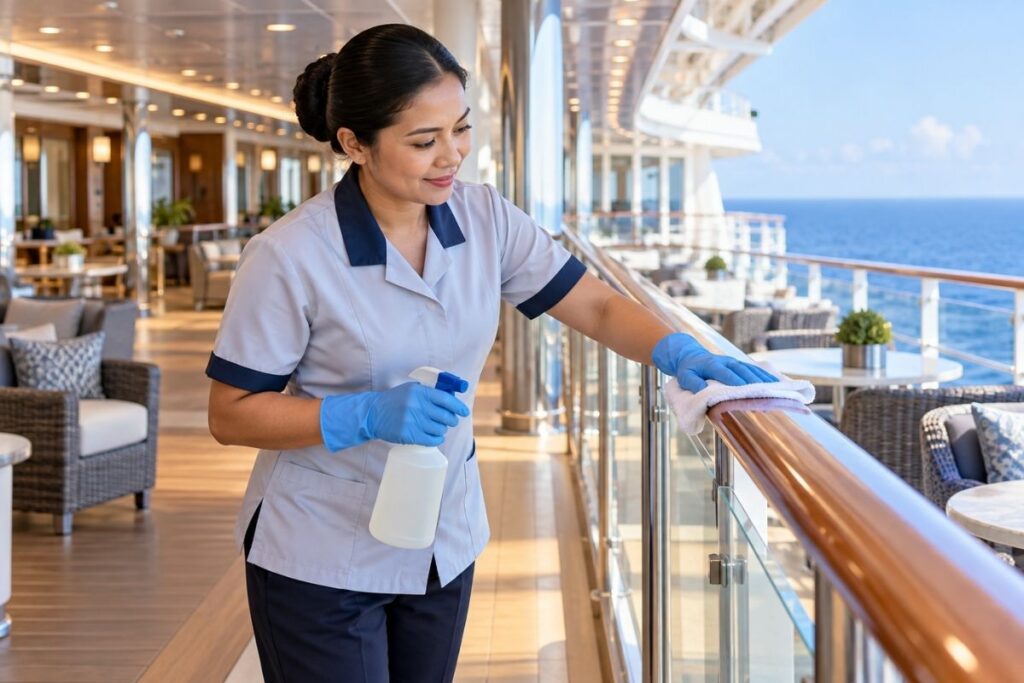
That’s exactly what Princess Cruises reported doing during the 2026 norovirus outbreaks aboard Star Princess and Caribbean Princess. On Star Princess, the cruise line also collected stool samples from passengers and crew who became sick so the cause could be confirmed.
Passengers who become ill may also be isolated in their cabins, while sick crew members are removed from duty. During the May 2026 norovirus outbreak aboard Lindblad Expeditions’ National Geographic Sea Bird, the cruise line reported isolating sick passengers and crew, increasing cleaning and working directly with the CDC’s Vessel Sanitation Program on sanitation procedures.
Depending on the outbreak, passengers may also receive extra announcements or written notices explaining what’s happening and reminding everyone to wash their hands and report symptoms quickly.
During a 2024 norovirus outbreak aboard Cunard’s Queen Victoria, Cunard reported notifying both passengers already onboard and those preparing to embark, as well as isolating people who were sick and increasing cleaning.
You may notice changes around restaurants too. Cruise lines can introduce extra infection-control measures designed to reduce the number of things passengers share or touch. Depending on the ship’s outbreak plan, that can mean tighter controls around communal dining and less passenger handling of shared items.
In more serious or persistent outbreaks, the response can go further. The CDC can recommend extra cleaning at the cruise terminal or even delaying the next group of passengers from boarding while more sanitation work is completed.
There are also rare cases where operations are disrupted more heavily. After repeated gastrointestinal illness outbreaks aboard National Geographic Sea Bird in 2026, Lindblad Expeditions paused passenger operations following another outbreak in July while the CDC continued working with the ship on measures to reduce further transmission.
So an outbreak doesn’t mean everyone gets confined to their cabins or the cruise ends early. Most responses involve a combination of extra cleaning, isolating people who are sick, monitoring new cases, testing samples, communicating with passengers, and making temporary changes around the ship until the number of new cases comes back under control.
What to Do If You Get Sick During Your Cruise
If you suddenly develop vomiting or diarrhea midway through your cruise, your first instinct might be to stay quiet and hope it passes. That’s understandable when you’ve paid for a vacation, but trying to carry on as normal can make it much easier for the illness to spread.
1. Report Your Symptoms Straight Away
Contact the ship’s medical center as soon as you start feeling unwell.
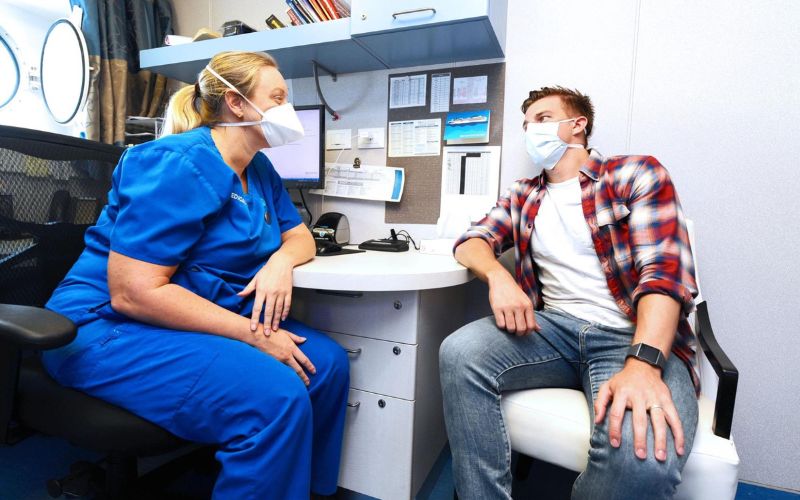
The CDC asks passengers to report gastrointestinal symptoms because those reports help the medical team identify possible outbreaks and take action before more people become sick.
Carnival Cruise Line, for example, tells passengers who develop gastroenteritis to notify the ship’s medical center immediately and confine themselves to their cabin. Carnival also advises passengers with symptoms lasting more than a few hours to seek help from the medical team.
Don’t head down to the medical center without checking first if you’re actively vomiting or have diarrhea. Call from your cabin and follow the ship’s instructions so you aren’t walking through busy public areas while potentially contagious.
Related read: Do Cruise Ships Have Doctors? What Really Happens If You Get Sick at Sea
2. Stay in Your Cabin If You’re Told to Isolate
Missing part of your cruise isn’t fun, but isolation is one of the most effective ways to stop one case becoming many more. The CDC says passengers with certain gastrointestinal symptoms may be required to remain in their cabins for a short period.
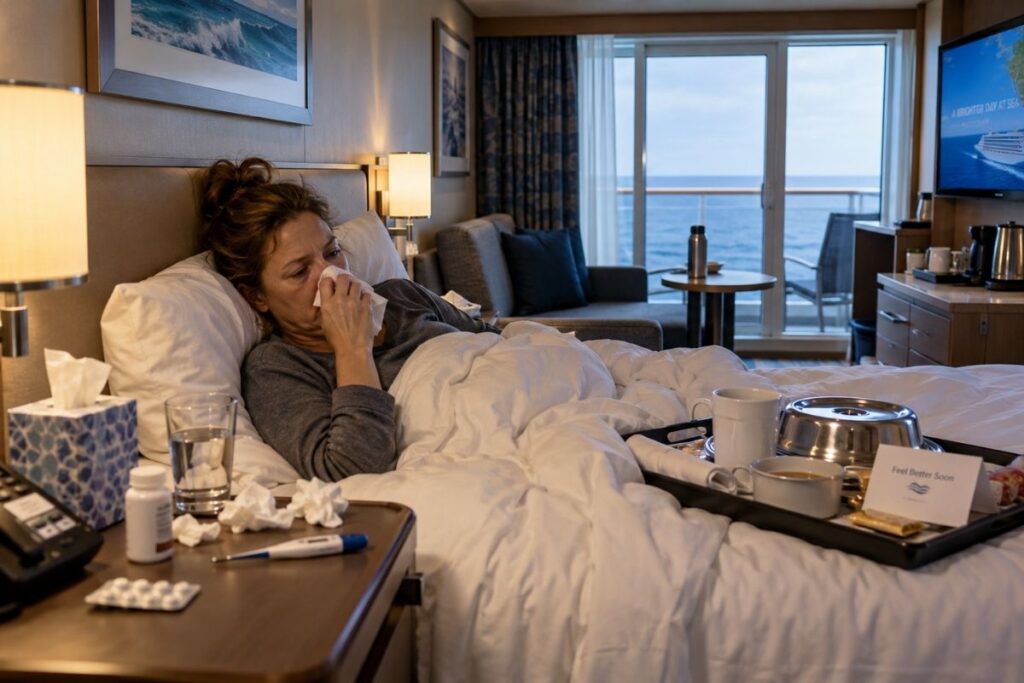
Exactly how long you need to stay there should be decided by the ship’s medical team rather than a rule you’ve read online. Your symptoms, diagnosis, cruise line, and circumstances can all affect the instructions you’re given.
Princess Cruises’ current passage contract gives the line broad authority to confine or quarantine a passenger in their stateroom if the cruise line, captain, or a physician believes the passenger is unfit to continue normally or that their presence could affect the health or safety of others.
Trying to sneak out because you’re feeling a little better isn’t worth it. Apart from potentially exposing other passengers, cruise lines can take further action if a guest refuses to follow medical isolation instructions.
3. Concentrate on Fluids and Recovery
There’s no medicine that cures norovirus, so the biggest concern for most passengers is preventing dehydration while their body clears the infection.
Sip fluids regularly if you’re able to keep them down and follow the advice of the onboard medical team. Carnival says treatment for gastrointestinal illness depends on the passenger’s symptoms and medical history, with its medical staff also encouraging fluids to help prevent dehydration where appropriate.

Get medical help promptly if you’re struggling to keep fluids down or showing signs of serious dehydration. This is especially important for older passengers, young children, and anyone with a medical condition that may make dehydration more dangerous.
4. Check What Happens to Excursions and Other Bookings
If you’re isolated, you may also miss a shore excursion, specialty dining reservation, or another activity you’ve already paid for. Don’t assume every cruise line automatically refunds everything because you were sick.
Policies vary considerably. Princess, for example, has set cancellation deadlines for its shore excursions, with eligible onboard cancellations generally refunded as onboard credit. Other cruise lines and independent excursion companies have their own terms.
Contact Guest Services or the shore excursions desk once the immediate medical situation is under control and ask what applies to your booking.
If something isn’t covered by the cruise line, check your travel insurance policy as well, particularly if illness causes you to miss a large prepaid expense.
Most cases of norovirus improve within a few days, but what you do during those days matters. Reporting it quickly, following the medical team’s instructions, staying away from other passengers while you’re contagious, and concentrating on recovery gives both you and everyone else onboard the best chance of getting back to normal.
Norovirus Myths Cruise Passengers Still Believe
Norovirus has picked up plenty of baggage over the years, and some of the things people believe about it simply aren’t accurate. Here are a few of the biggest myths worth clearing up.
Myth 1: Norovirus Is a “Cruise Ship Disease”
This is probably the biggest misconception of all. Norovirus outbreaks happen in restaurants, schools, healthcare facilities, colleges, and many other shared environments — not just cruise ships.
Cruise ships get more attention partly because illnesses are closely monitored and reported. That makes an outbreak at sea far more visible than a cluster of cases that never gets formally documented on land.
Myth 2: Every Stomach Bug on a Cruise Is Norovirus
Vomiting and diarrhea don’t mean norovirus by default. The CDC tracks gastrointestinal illness first, then samples may be tested to identify what caused it.
The 2026 outbreak list is a good example. Alongside confirmed norovirus outbreaks, the CDC has also recorded outbreaks caused by E. coli and others where the cause remained unknown.
Myth 3: Hand Sanitizer Is Just as Good as Washing Your Hands
This one is particularly important because sanitizer dispensers are everywhere on cruise ships. The CDC says hand sanitizer alone does not work well against norovirus and shouldn’t replace washing with soap and water.
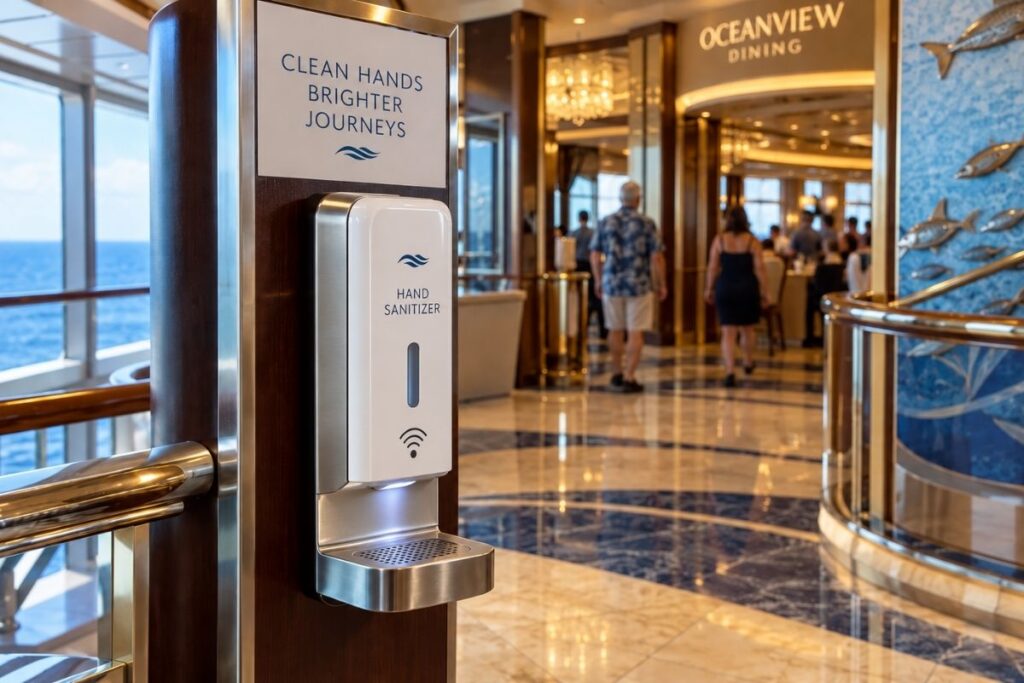
Washing for at least 20 seconds is the better option, with sanitizer used as an extra rather than a substitute.
Myth 4: An Outbreak Means the Ship Must Be Dirty
Seeing a ship on the CDC outbreak list doesn’t tell you how clean or poorly run that ship normally is. Norovirus can be brought aboard by infected passengers, crew members, contaminated food or water, and it can spread quickly once introduced into a shared environment.
The CDC also inspects cruise ships for food safety, water systems, cleaning practices, and other public-health standards separately from its outbreak reporting. An outbreak report and a sanitation inspection are not the same thing.
Myth 5: Hundreds of Reported Cases Mean Hundreds of People Were Sick at Once
CDC outbreak totals cover the entire voyage. If 150 passengers are listed as having become sick, those cases may have occurred across several days rather than all at the same time.
The CDC warns readers not to interpret the final case total as the number of passengers who were simultaneously ill when the ship arrived in port.
Norovirus deserves to be taken seriously, but the statistics are much more useful when they’re put into context. A cruise ship appearing on an outbreak list doesn’t mean the entire vessel was sick, and cruising itself certainly isn’t the reason norovirus exists.
The Bottom Line
Norovirus can absolutely ruin a few days of your cruise, but its reputation as the “cruise ship virus” is misleading. Cruise ships account for only a small share of reported norovirus outbreaks, and one reason we hear so much about cases at sea is that gastrointestinal illness is closely monitored and reported onboard.
The best precautions are also some of the simplest: wash your hands properly and often, be sensible around frequently touched surfaces, and don’t rely on hand sanitizer alone. If you do become sick, report your symptoms quickly and follow the medical team’s instructions rather than trying to carry on with your vacation as normal.
Norovirus is worth taking seriously, but it shouldn’t put you off cruising. A little good hygiene and knowing what to do if illness strikes can go a long way.
Today’s Top Cruise Deals
See today’s best deals from ALL travel agents