This post may contain affiliate links. If you click one, I may earn a commission at no extra cost to you. As an Amazon Associate, I earn from qualifying purchases.
At first glance, a cruise cabin seems pretty straightforward. You step inside and it all feels familiar enough—somewhere to sleep, somewhere to wash, somewhere to stash your things, and maybe a view if you’re lucky.
But spend even a little time in there and you start to notice it’s not quite as simple as it first appears.
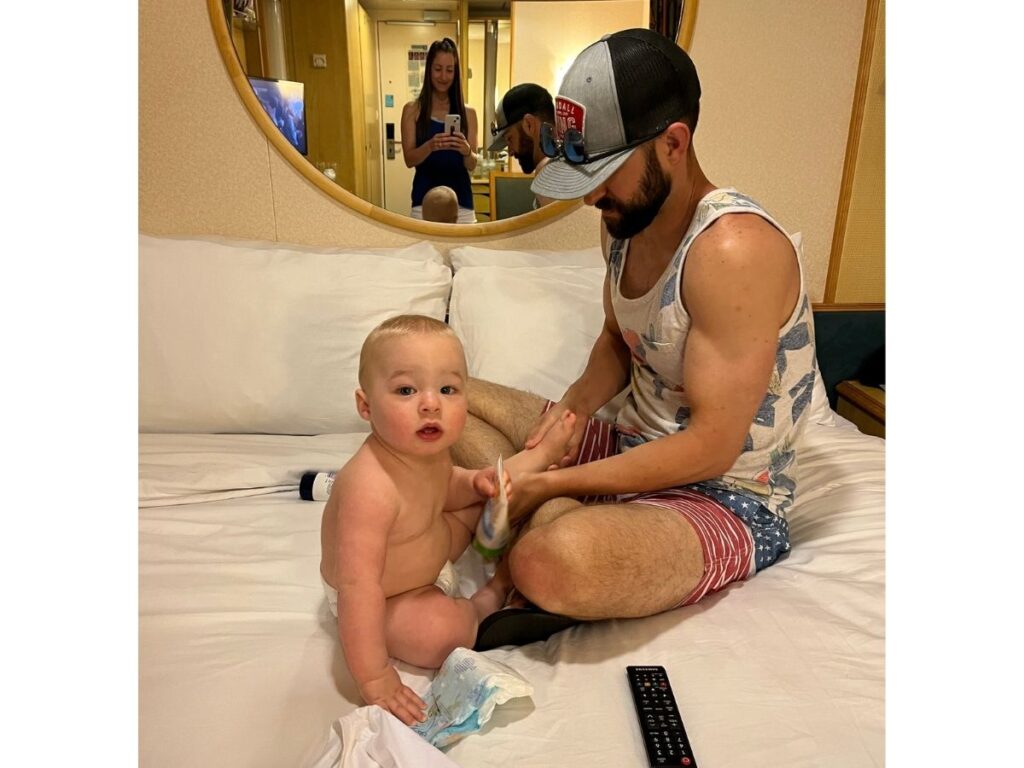
Little details begin to stand out in ways you wouldn’t expect. Things don’t always behave the way they do at home, and some features are so subtle you might walk past them a dozen times without realizing they’re even there.
And just when you think you’ve figured everything out, the room has a few more surprises waiting for you—small quirks that only really make sense once you’ve experienced them for yourself.
So before you unpack and settle in, here are 16 weird things about your cruise cabin that are actually worth knowing.
1. Your Cabin Walls Can Double as Storage
Cruise cabins aren’t exactly known for being huge, so one of the handiest features is something you might not notice at all: many cabin walls are metal.
That means magnetic hooks can turn otherwise useless wall space into extra storage.

They can be especially useful near the cabin door. Hang up your towel, lanyard, excursion tickets, hat, or light bag and you’re less likely to spend ten minutes searching for them when everyone else is already heading ashore.
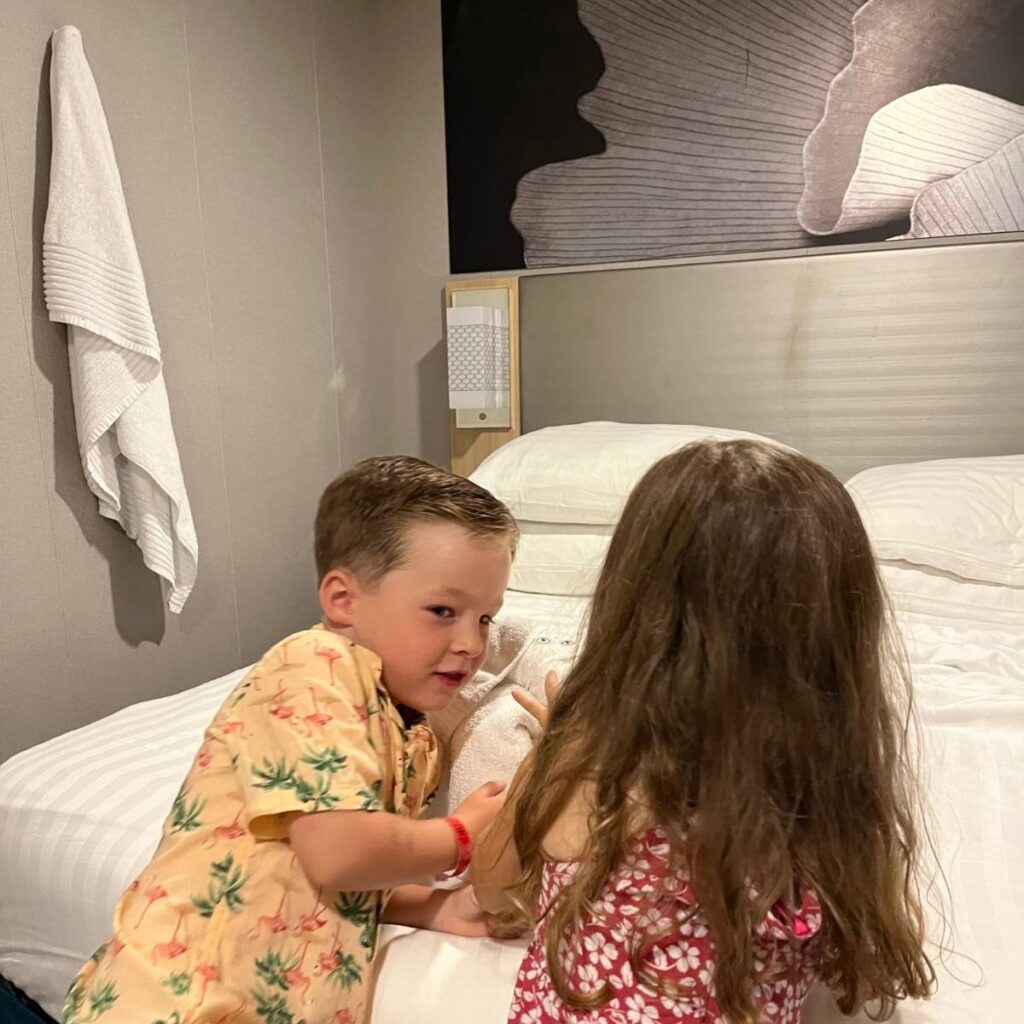
You can also use magnets to pin up the daily schedule or other papers you don’t want disappearing under a pile of clothes.
A small magnetic whiteboard can be handy too, especially if everyone in the cabin is doing different things during the day. You can leave quick notes about where you’ve gone, what time you’ll be back, or where you’re planning to meet later.
If you like the idea of making better use of a small stateroom, there are plenty more cruise cabin hacks worth trying.
2. That Strange Slot Near the Door May Control Your Electricity
Walk into some cruise cabins and you’ll spot a little card slot beside the door. It can look like somewhere to leave your room key, but it may actually control much of the cabin’s electricity.

Insert your key card and the lights and certain electrical outlets switch on. Take it out when you leave, and some of them may shut off after a short delay.
It’s an energy-saving feature, but it can catch you out if you leave your phone or power bank charging while you head to dinner, only to come back and discover it hasn’t charged at all.
Not every ship uses this system, and exactly what switches off varies from one cabin to another. If you have something that genuinely needs continuous power, especially medical equipment, don’t assume the outlet will stay live when you leave. Check with your cabin steward or Guest Services instead.
3. There’s More Storage Than the Cabin Lets On
Cruise cabins can feel tiny when you first walk in, but they’re usually better at hiding storage than they look.
Before you start piling things on the desk, check under the bed, inside stools or ottomans, above the closet, beside the vanity, and around the bathroom. Full-size suitcases will often slide under the bed once you’ve unpacked, which can make the room feel much less cramped.
One of the easiest spots to miss is right in front of you. On some ships, what looks like a simple bathroom mirror is actually a cabinet door with shallow shelves hidden behind it.

That space is perfect for toiletries, sunscreen, medication, and all the little things that otherwise end up covering the sink.
My rule is simple: before you decide there isn’t enough storage, open everything that looks like it might move. Cruise cabin designers are very good at hiding useful space in places you’d never think to check.
4. You May Have a Clothesline Hiding in Your Shower
Take a close look inside your cruise cabin shower and you may spot a small knob or fitting on the wall that looks fairly pointless.
On many ships, it pulls out to reveal a retractable clothesline.
It’s surprisingly useful after a day at the pool or beach. Instead of draping wet swimsuits over chairs, door handles, or anywhere else you can find, you can hang them inside the shower where any drips stay where they belong.
The line is also handy for small items you’ve washed in the sink, although you probably don’t want to turn your bathroom into a full laundry room.
It’s one of those cabin features that’s easy to completely overlook. Once you know it’s there, though, you’ll probably check every cruise shower for one.
5. Your Cabin Lights May Have a Mind of Their Own
Cruise cabin lighting can be surprisingly complicated, especially on newer ships where motion sensors and automatic night lights are becoming more common.
In theory, they’re useful. A dim light near the floor can help you find the bathroom at 2 a.m. without switching on every light in the cabin.

In practice, some cruisers find them far less subtle than expected. A sensor can trigger when someone gets out of bed, walks past it, or sometimes just moves nearby, suddenly lighting up a dark cabin when everyone else is trying to sleep.
If the light is too bright, you may be able to cover it temporarily. I’ve used an item of clothing or a washcloth in the past to block the glow, although you’ll want to make sure you’re not covering anything that needs ventilation or interfering with a safety feature.
An eye mask is also worth packing if you’re sensitive to light. It takes up almost no space and can save you a lot of frustration if your cabin has a night light you can’t switch off.
It’s worth figuring out how the lighting controls work on the first night rather than discovering them half-asleep later.
I also like the idea of bringing a small battery-powered nightlight for the bathroom, especially in an inside cabin. When the alternative is complete darkness or a bright bathroom light, a softer option can make those middle-of-the-night trips much easier on everyone.
6. Your Bathroom Ventilation Probably Isn’t What You’re Used To
Cruise ship bathrooms are small, and the ventilation can feel much weaker than what you’re used to at home.
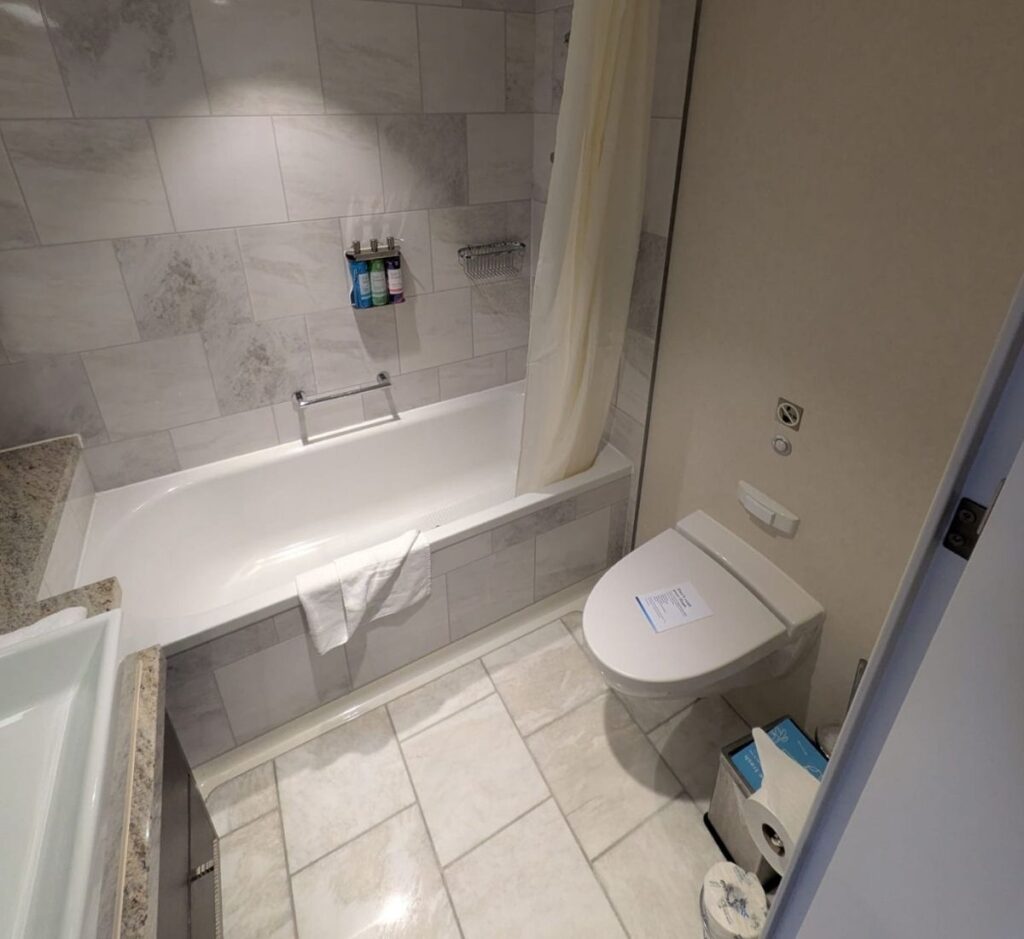
After a hot shower, steam can hang around for a while, mirrors can stay fogged up, and damp towels may take longer to dry than you expect.
And yes, in such a tiny room, other smells can hang around too.
A small travel-sized odor spray can be useful, or you could bring a hanging air freshener if you know you’re sensitive to smells. Just avoid anything with an open flame, such as candles or incense, which aren’t suitable for a cruise cabin.
It also helps to use that hidden shower clothesline from earlier rather than leaving wet swimsuits and towels piled around the bathroom. In a space this small, a little airflow goes a long way.
7. The Furniture Isn’t Always Meant to Stay Where You Found It
The way your cabin looks when you first walk in isn’t necessarily the way it has to stay for the rest of the cruise.
In many standard cabins, the two twin beds can be pushed together to make one larger bed. If the setup isn’t what you requested, your cabin steward can usually change it for you.
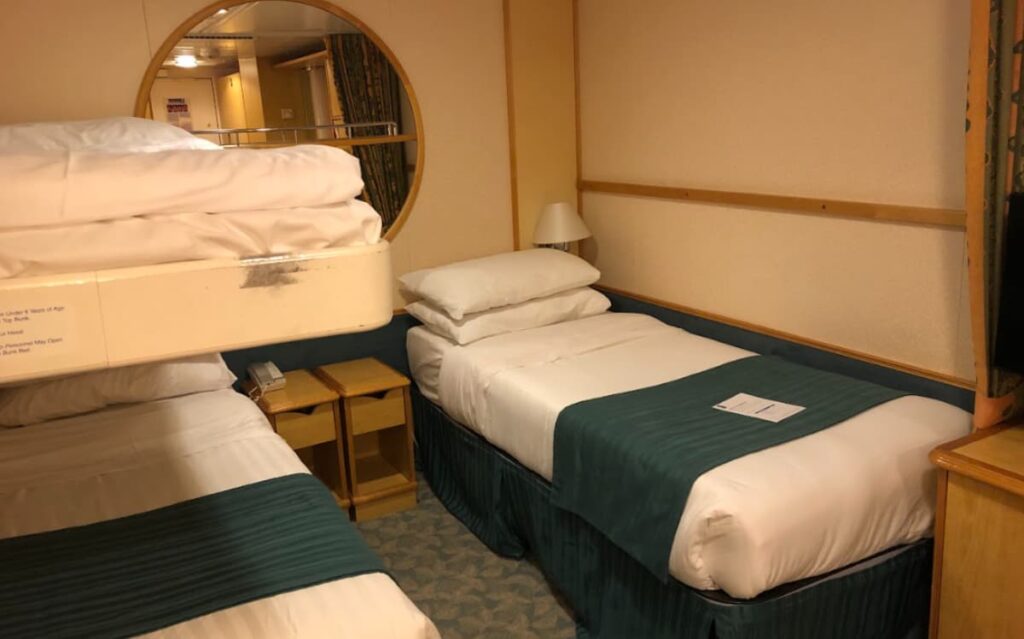
Some of the smaller pieces of furniture may be movable too, including bedside tables, chairs, or small tables. That can be surprisingly helpful when you’re trying to make a little more floor space.
This is especially useful if you’re traveling with a baby and need room for a crib, or if you’ve got several people sharing one cabin and suddenly realize nobody can get past the coffee table without turning sideways.
If a piece of furniture is really getting in the way, it’s worth asking your cabin steward whether it can be moved or removed. The answer will depend on the ship and cabin, but there’s no harm in asking rather than spending the whole week squeezing around it.
There are more ideas for making a cruise cabin more comfortable if you want to make a small room work harder.
8. That “Fridge” Might Not Really Be a Fridge
That little unit tucked under the desk might look like a mini fridge, but don’t assume it works like the one in your kitchen at home.
On some ships, it’s really more of a cooler. It may keep drinks chilled enough to be pleasant, but not necessarily cold enough for anything that needs strict temperature control.
That distinction matters if you’re traveling with medication or food that must stay properly refrigerated. Rather than trusting the cabin cooler, contact the cruise line before you sail or speak to Guest Services once onboard so you know what safe storage options are available.
For everyday drinks and snacks, though, it can still be useful. Just don’t be surprised if the bottle of water you put inside comes out cool rather than ice-cold.
It’s one of those small cruise cabin quirks that makes a lot more sense once you realize the appliance may have been designed for convenience, not serious refrigeration.
9. Opening Two Doors Can Turn Your Cabin Into a Wind Tunnel
If you have a balcony cabin, there’s one combination you probably don’t want to test for long: the balcony door open at the same time as the cabin door.
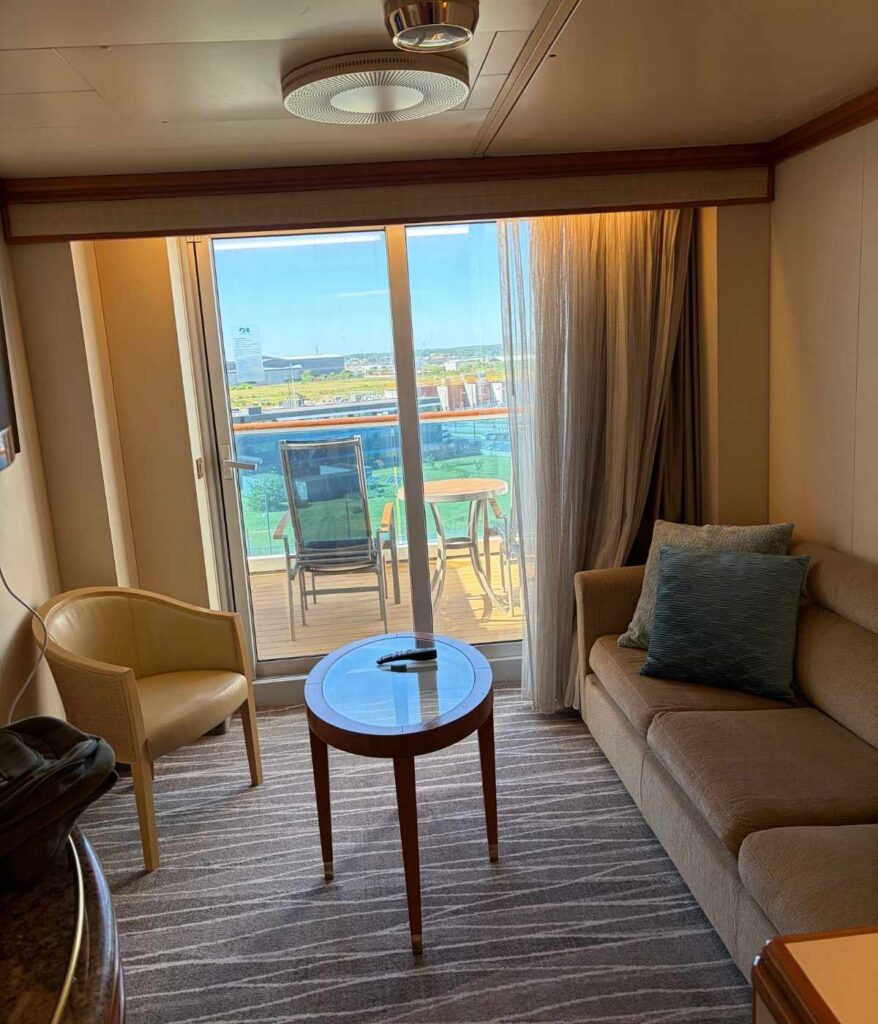
The pressure difference can create a surprisingly strong rush of air through the room. Papers can go flying, curtains can whip around, and doors can slam much harder than you expect.
It’s one of those things that sounds harmless until it happens.
If you’ve got excursion tickets, receipts, or the daily planner sitting loose on the desk, a sudden gust can scatter them across the cabin in seconds. Keeping important papers in a folder, pouch, or under a magnet can save you from crawling around the floor looking for them later.
The easiest fix is simple: don’t leave both doors open at once. Close the balcony door before opening the cabin door, especially if it’s windy outside.
10. The Water From Your Bathroom Tap Is Usually Drinkable
It can feel a little strange filling your water bottle from the bathroom sink, but the tap water in cruise cabins is generally intended to be safe to drink.
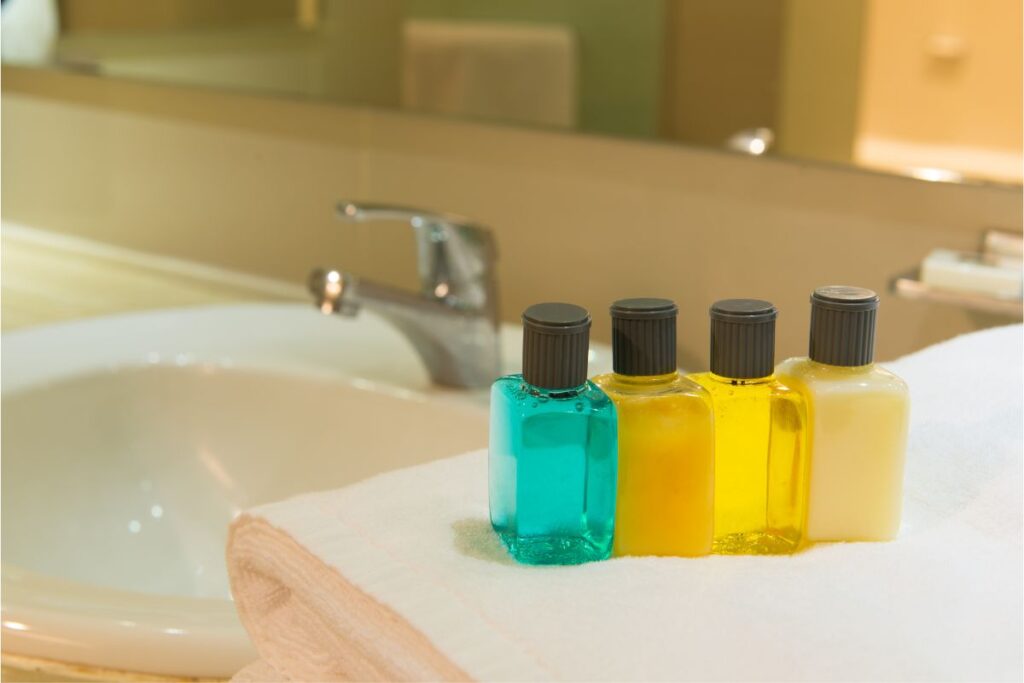
Cruise ships produce and store potable water onboard, and the water supplied to cabins has to meet safety standards. So if you wake up thirsty in the middle of the night, you usually don’t need to crack open an expensive bottle of water just because it came from the bathroom tap.
The bigger issue is temperature. Cabin tap water often isn’t especially cold, so I’d still rather fill a reusable bottle with chilled water elsewhere on the ship when possible.
Some people swear the bathroom water tastes different from the water served in restaurants or bars. That can come down to temperature, plumbing, or simply personal preference.
Either way, knowing the cabin tap is normally drinkable can be useful, especially if you’ve forgotten to bring water back to the room before bed.
11. Two Cabins in the Same Category Can Be Very Different
Two cabins can be sold under the same basic category and still feel surprisingly different once you step inside.
Some ships have cabins with slightly larger balconies, unusual angles, or extra floor space simply because of where they sit in the ship’s design. Cabins on outward curves, corners, or at the very front or back can sometimes end up with layouts that don’t match the standard room next door.
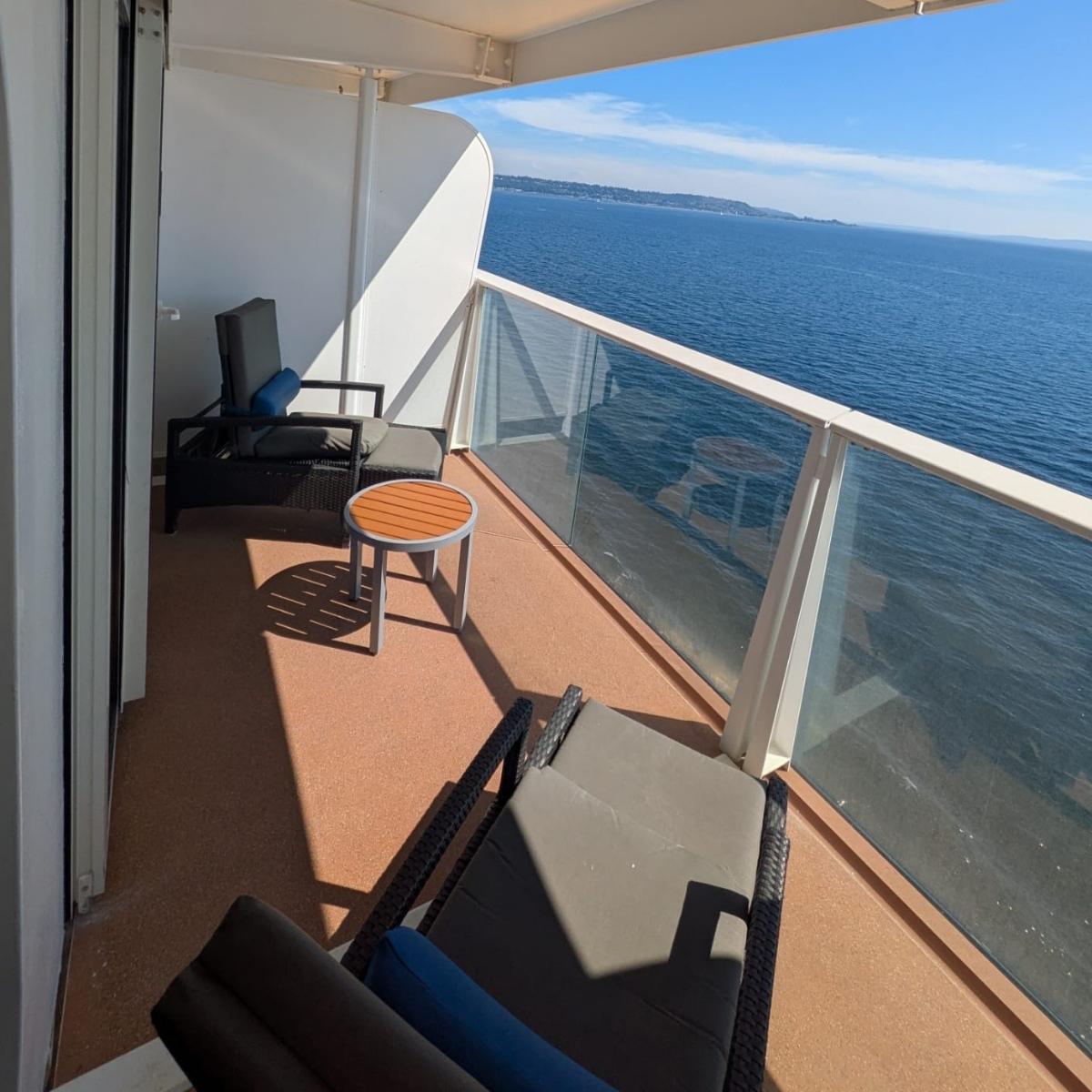
That can mean a deeper balcony, a wider window, or a room that feels noticeably more spacious without being labeled as a suite.
The catch is that these cabins can be harder to spot when you’re booking. Deck plans are worth studying closely, especially if you care about balcony size or room shape.
Just don’t assume an unusual layout is always better. Oddly shaped cabins can also come with awkward furniture placement, more movement at sea, or less convenient access to parts of the ship.
Still, it’s a good reminder that cabin categories don’t always tell the whole story. If you’re weighing up different options, this guide to cruise cabin types goes into the differences in more detail.
12. You Probably Have Fewer Outlets Than You Think
One of the quickest ways to realize you’re on an older cruise ship is to start looking for somewhere to charge your phone.
Some cabins have plenty of USB ports and outlets around the room. Others might give you just a couple of sockets near the desk, which suddenly feels very limiting when two people are trying to charge phones, watches, tablets, and everything else they brought with them.
The socket types can vary too. Depending on the ship, you may find a mix of U.S. and European-style outlets, so a universal travel adapter can sometimes give you another useful charging option.
A small USB hub can also be handy if several people are sharing a cabin, particularly when most of the charging points are around the desk rather than beside the bed.
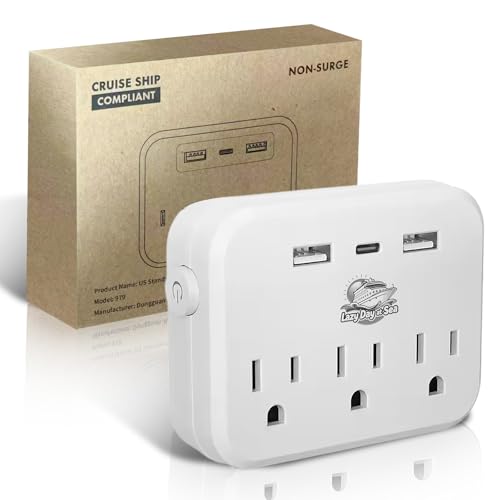
Be careful with power strips and extension cords, though. Cruise lines have their own rules about what electrical accessories are allowed onboard, and surge-protected power strips are commonly prohibited. Check your cruise line’s current policy before packing one.
If you use a CPAP machine or another medical device, let the cruise line know before you sail. Some lines can arrange things like an approved extension cord and distilled water, while others may sell the water or have different procedures. Sorting it out in advance is much easier than discovering at bedtime that the nearest suitable outlet is on the other side of the cabin.
13. Where Your Cabin Sits Can Change Your Entire Cruise
Two cabins can look almost identical on paper and still give you very different experiences depending on where they are on the ship.
A cabin directly under the pool deck might sound convenient, until you’re woken by loungers scraping across the floor early in the morning. Cabins near elevators and stairwells can be handy too, but they may come with more foot traffic and late-night conversations outside your door.
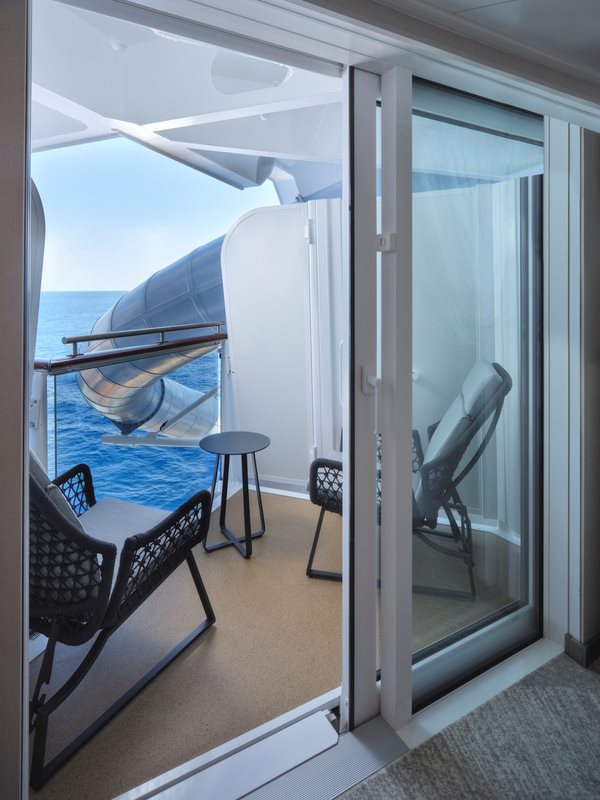
It’s also worth checking what’s above and below you. Being close to a theater, nightclub, galley, or other busy venue can sometimes mean more noise than you expected.
If you’re prone to motion sickness, location matters for another reason. Cabins closer to the middle of the ship and on lower decks generally experience less movement than those high up or near the very front or back.
That doesn’t mean there’s one “perfect” cabin location for everyone. Some people would happily trade a little extra noise for being two steps from the elevator.
The important thing is to check the deck plan before you book, rather than finding out on night one that your cabin has a pool deck for a ceiling.
14. Your Cabin TV Can Do More Than Show Movies
It’s easy to ignore the cabin TV after the muster video is over, but on many ships it can be surprisingly useful.

Depending on the cruise line and ship, you may be able to use it to check your onboard spending, look at the daily schedule, view restaurant information, watch the ship’s position, or order certain services from your cabin.
One of my favorite tricks in an inside cabin is to leave the TV on the ship’s forward-facing camera. It’s not quite the same as having a window, but waking up and seeing daylight on the screen is much nicer than wondering whether it’s 7 a.m. or the middle of the night.
The spending screen is worth checking too. If something has been charged incorrectly, it’s much easier to spot it during the cruise than when you’re rushing to disembark.
So before you write the TV off as background noise, have a quick look through the menus on day one. There may be a few useful features hiding in there.
15. A Few Tiny Items From Home Can Make a Big Difference
You don’t need to pack half your house to make a cruise cabin more comfortable. A few small items can make the space much easier to live in.
Magnetic hooks are one obvious example, especially now that you know how useful those metal walls can be. A hanging toiletry organizer can also help keep bathroom counters clear, while a simple laundry bag stops dirty clothes from slowly taking over the cabin.
Curtain clips or pegs can be useful too, especially if you’re sensitive to light and the curtains don’t quite meet in the middle.
A reusable cup or insulated bottle is another easy win. It’s useful for keeping water cold, carrying coffee around the ship, or bringing a drink back to the cabin without worrying about spills.
None of these things are essential, but they can make a small cabin feel far more organized. And when space is limited, anything that cuts down on clutter earns its place in the suitcase.
16. Your Cabin Steward Can Do More Than You Think
Your cabin steward isn’t just there to make the bed and replace towels. They can often help with a surprising number of small things that make the cabin more comfortable.

Depending on the ship and cruise line, it may be worth asking for extra hangers, additional pillows, fresh ice, or a different bed setup. If the mattress feels uncomfortable, you can also ask whether a mattress topper or another bedding option is available.
If your cabin has a minibar or cooler filled with items you don’t plan to use, ask whether it can be emptied so you have a little more room for your own drinks or snacks. And if you like having ice in the cabin, your steward may be able to arrange regular deliveries rather than making you ask for it every day.
If a chair or small table is making the room awkward to move around, it can also be worth asking whether it can be repositioned.
They’re also the best person to speak to if something in the cabin isn’t working properly, whether that’s a light, a drawer, the safe, or an issue with the bathroom.
Just keep in mind that what’s available varies by ship. A polite ask goes a long way, but not every request can be accommodated.
Your cabin steward is there to help make your stay comfortable, so having a friendly chat early in the cruise can make a big difference. And if they go out of their way for you, an extra tip during the sailing is always a nice gesture.
For a much longer list, here are 23 things you can ask your cabin steward for.
Final Word
Cruise cabins might look simple, but there’s a surprising amount going on once you know where to look.
A few of these quirks can save you space, others can make the cabin more comfortable, and some might stop you wondering why on earth the lights, fridge, or balcony door are behaving the way they are.
You certainly don’t need to turn your cabin into a military operation. But knowing how the room works—and packing a couple of useful extras—can make a week at sea feel a lot easier.
And chances are, even if you’ve cruised plenty of times before, there’s at least one thing on this list you’ll be checking for the next time you open your cabin door.
Today’s Top Cruise Deals
See today’s best deals from ALL travel agents