Wondering what happens if someone jumps or falls from a cruise ship? Thankfully, incidents like these are extremely rare! Cruise ships have intentionally high railings, making accidental falls nearly impossible. Most cases involve deliberate jumps or risky behaviors, such as climbing over balconies.
But don’t worry—I’ve looked into what really happens…
How Often Do People Actually Fall Overboard?

Cruise lines safely carry tens of millions of passengers every year, and overboard incidents remain very rare. According to the most recent CLIA-commissioned overboard data I could verify, researchers identified an average of about 19 man-overboard incidents per year between 2009 and 2019.
To put that into perspective, the global cruise industry carried 34.6 million passengers in 2024 and 37.2 million passengers in 2025. While the numbers are not a perfect one-to-one comparison because the overboard data includes both passengers and crew, they still show just how uncommon these incidents are compared with the overall number of people who sail each year.
Survival is possible, but it is far from guaranteed. In the same 2009–2019 data set, 48 of 212 people who went overboard were successfully rescued, or about 28.2%.
That outcome can depend on several factors, including how quickly the incident is noticed, whether someone saw the person enter the water, the ship’s speed and location, sea conditions, visibility, weather, water temperature, and how quickly rescue teams can begin searching.
Survival chances can also vary significantly based on geographical location; incidents in colder waters typically have lower survival rates due to the increased risk of hypothermia, whereas warmer regions like the Caribbean offer comparatively better chances for rescue.
These rare incidents typically involve irresponsible behavior, intoxication, or intentional actions rather than accidental falls. As long as you’re cruising responsibly and following safety guidelines, you have almost nothing to worry about.
How Do People Actually End Up Overboard? (Spoiler: It’s Rarely Accidental!)
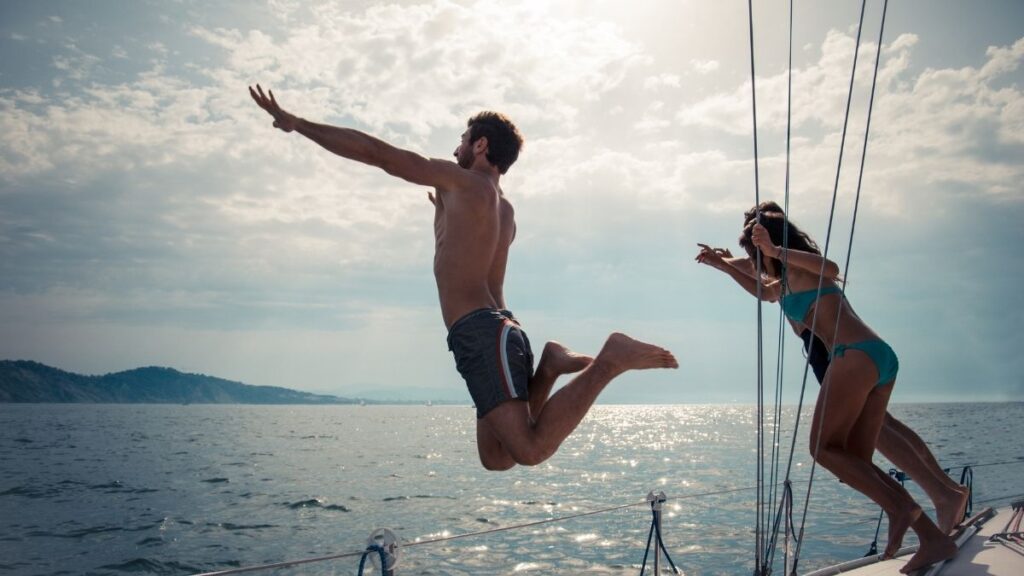
Accidentally slipping off a cruise ship deck is virtually impossible due to meticulous design and stringent safety standards. Cruise ship railings are typically over 42 inches (1.07 meters) high, making accidental falls very difficult. Most incidents involve risky behaviors like climbing railings for selfies, reckless behavior, or excessive alcohol consumption that impairs judgment.
Occasionally, incidents involve intentional actions linked to personal crises, such as mental health struggles or emotional distress. In extremely rare cases, medical emergencies like fainting, seizures, or severe dizziness near railings may result in accidental falls.
Cruise ships reinforce safety through regular drills, passenger briefings, and constant surveillance, making cruising one of the safest holiday options available.
What Happens When Someone Goes Overboard?
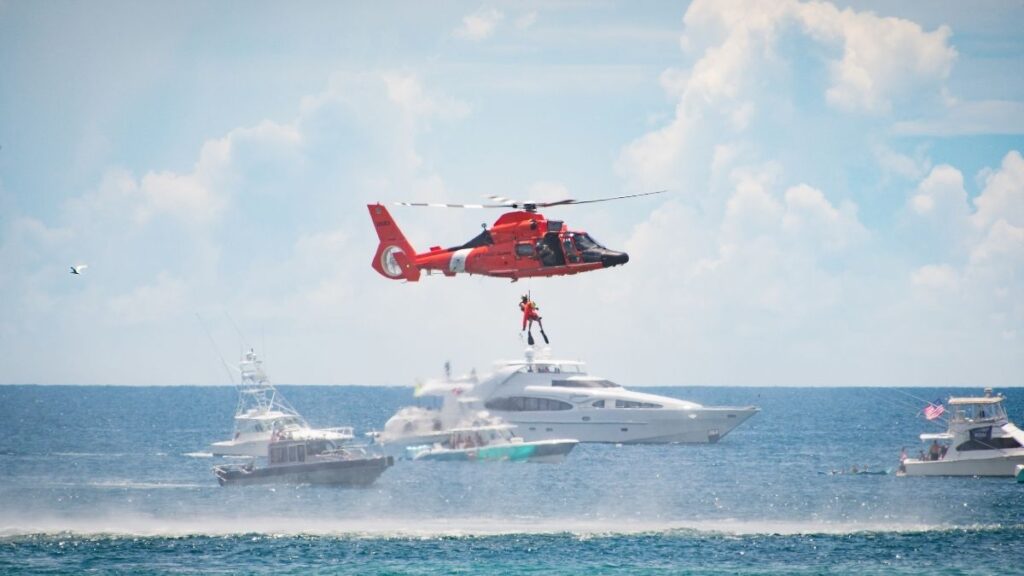
In the unlikely event someone falls overboard, cruise ships respond immediately and systematically. Crews swiftly initiate an emergency stop and broadcast a special alert using the internationally recognized distress code (“Oscar, Oscar, Oscar”).
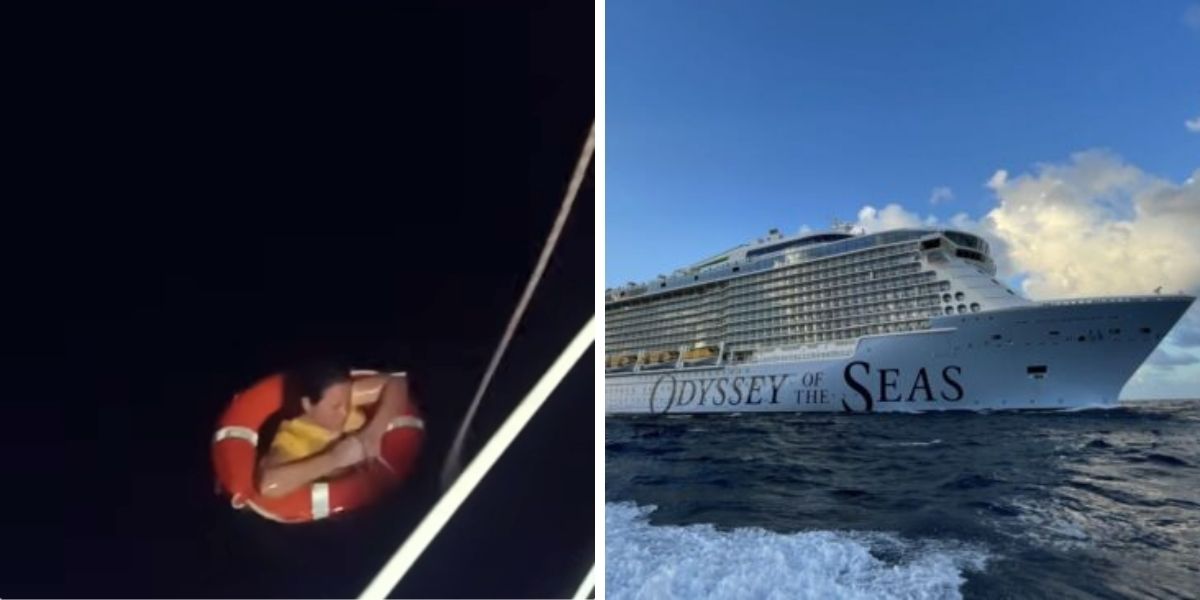
Rescue boats are launched promptly, life rings and other flotation devices are thrown into the water, and spotlights are activated to illuminate the search area during nighttime or poor visibility conditions. The exact GPS coordinates are recorded to precisely mark the individual’s location at the time they were reported missing, assisting in pinpointing the search area.
At the same time, the ship’s bridge communicates urgently with maritime authorities, such as the Coast Guard, which rapidly mobilize helicopters, fixed-wing aircraft, and dedicated rescue vessels to broaden the search.
Authorities coordinate expansive search patterns using grid systems and employ advanced technologies like thermal imaging, radar, and night-vision equipment to enhance visibility and increase the chances of locating the person quickly.
Regular communication between all search parties ensures a coordinated and effective rescue effort, maximizing the individual’s survival prospects.
Real-Life Stories: Miracles & Tragedies
Incredible survival stories at sea are rare, but they do happen. One of the best-known examples is James Grimes, who fell overboard from Carnival Valor in the Gulf of Mexico in November 2022 and survived for hours in the water before being rescued.
Another remarkable case involved British passenger Kay Longstaff, who fell from Norwegian Star into the Adriatic Sea in August 2018. She survived roughly 10 hours in the water before being rescued by the Croatian Coast Guard.
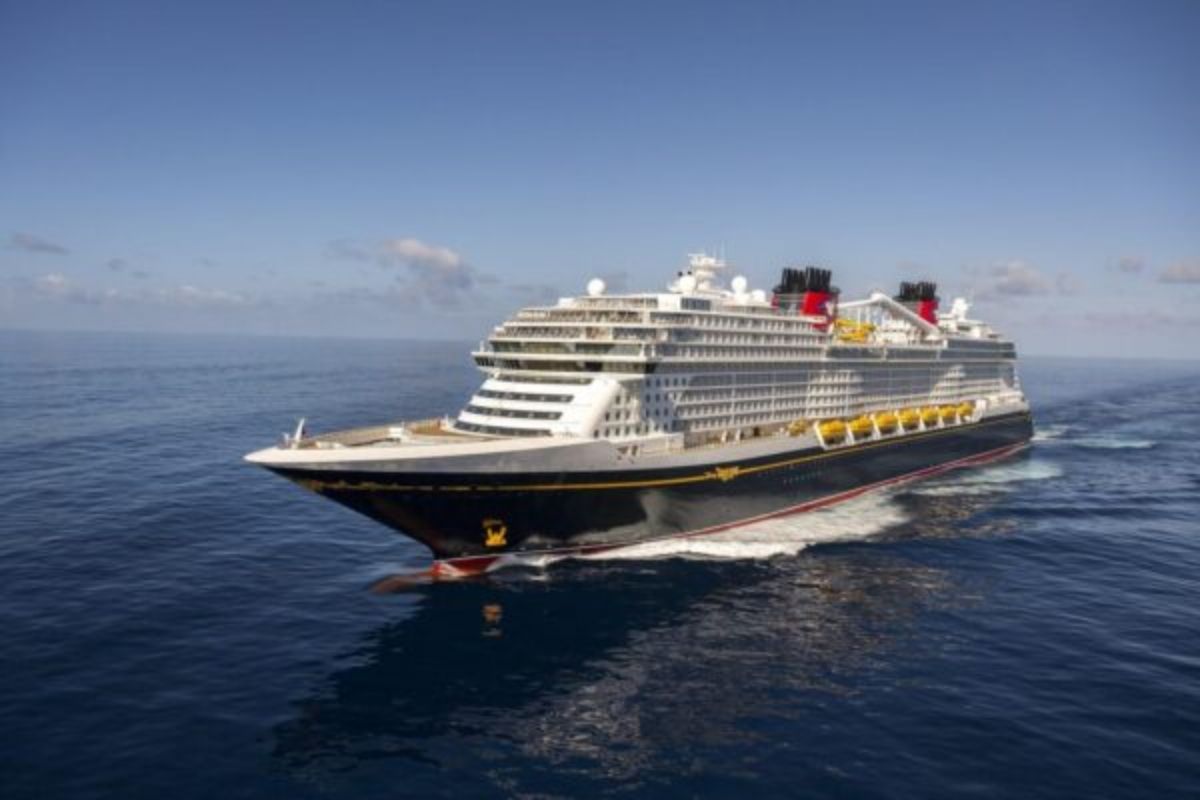
There have also been more recent survival stories. In June 2025, a young girl reportedly fell overboard from Disney Dream, prompting her father to jump in after her. Crew members quickly launched a rescue boat and both were pulled from the water alive, turning what could have been a devastating tragedy into an extraordinary rescue.
That same year, a passenger aboard Norwegian Epic also survived after falling into the water as the ship was departing Catania, Sicily. The person was rescued with only minor injuries, showing just how much a fast response can matter.
Sadly, many overboard incidents do not end the same way. In August 2025, a crew member went overboard from Sun Princess while the ship was sailing through the Dardanelles Strait, and despite extensive search efforts, they were not found. In October 2025, Norwegian Jewel spent more than 10 hours searching the Atlantic after a person went overboard during a transatlantic sailing, but that search also ended in heartbreak.
More recent cases have shown the same danger. In April 2026, a man in his 70s went overboard from Carnival Splendor near Moreton Island, triggering a major search off the Queensland coast. In May 2026, a Carnival Liberty passenger went overboard from a stateroom balcony while the ship was sailing between Celebration Key and Nassau. The crew recovered him from the water, but he did not survive.
When someone goes overboard, cruise ships treat it as an immediate emergency. The ship may slow, stop, turn around, throw life rings, launch rescue boats, use searchlights, review CCTV, and alert nearby maritime authorities. Depending on the location, coast guard teams, aircraft, helicopters, nearby vessels, and thermal imaging may also be used to help search the water.
But even with trained crews and modern safety systems, the ocean is vast, visibility can be poor, and time matters. That is why overboard incidents are taken so seriously, and why passengers should never climb on railings, sit on balcony edges, or take risks near open decks and gangways.
Could Cruise Lines Do More?
Cruise lines continually enhance passenger safety by incorporating advanced technologies like automatic man-overboard detection systems. These sophisticated systems use radar, infrared sensors, and video analytics to instantly detect if someone has gone overboard, alerting crew members immediately and significantly reducing response time.
Cruise Lines are actively testing and implementing similar detection technologies, with widespread adoption anticipated in the near future.
Additionally, cruise lines regularly review and improve safety procedures, crew training, and passenger education programs. Extensive onboard safety briefings, frequent emergency drills, and enhanced surveillance measures further demonstrate the industry’s commitment to maintaining the highest safety standards.
Overall, cruise lines remain deeply dedicated to passenger safety, making cruising one of the safest and most enjoyable holiday experiences available today. So, sit back, relax, and confidently plan your next adventure at sea!
Final Thoughts: Cruising Is Still the Best Way to Holiday!
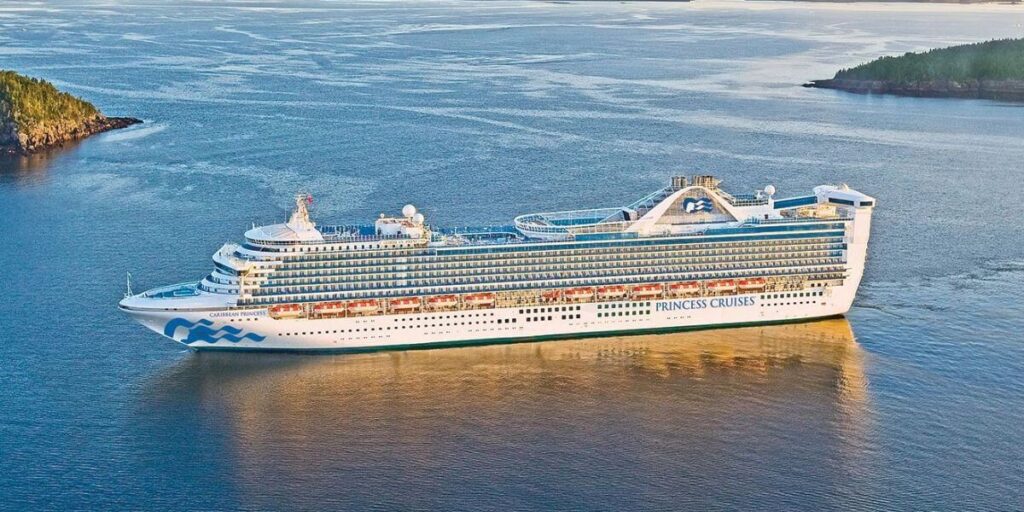
Despite discussing these rare incidents, cruising remains my absolute favorite holiday choice. Luxurious amenities, exciting destinations, and world-class safety measures make cruising appealing to millions each year. The ocean may be vast and powerful, but cruise lines have perfected providing safe, relaxing, and unforgettable voyages.
So, next time you’re enjoying a cocktail on deck, relax—you’re experiencing one of the safest and most delightful holiday adventures possible.
Today’s Top Cruise Deals
See today’s best deals from ALL travel agents