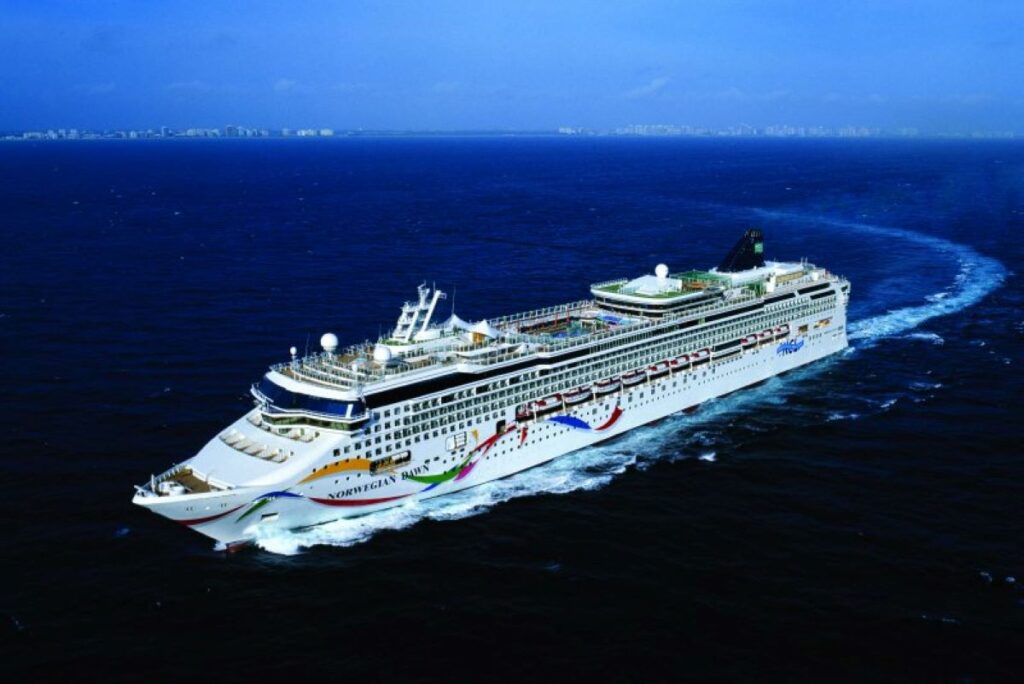
Norwegian Dawn has recorded the lowest CDC sanitation score among the cruise ships highlighted so far in 2026, falling below the agency’s passing standard during an unannounced inspection in March.
The Norwegian Cruise Line ship received a score of 84, while Carnival Breeze, Kydon and National Geographic Sea Lion each scored 86 — the minimum required for a satisfactory result.
Several other ships scored considerably higher, including dozens that have achieved a perfect 100 during 2026.
Norwegian Dawn Records the Lowest Score
Norwegian Dawn scored 84 during an unannounced inspection on March 29, 2026.
Under the Centers for Disease Control and Prevention’s Vessel Sanitation Program, cruise ships need a score of at least 86 to receive a satisfactory result. Any score of 85 or lower is considered unsatisfactory.
That made Norwegian Dawn the only ship among the seven lowest-scoring vessels in this group to fail its inspection.
The result doesn’t mean the ship is permanently considered unsafe. CDC inspection scores reflect what inspectors found on board at the time of the visit.
The Lowest-Scoring Cruise Ships Inspected in 2026
Six other ships also appeared near the bottom of the CDC inspection results reviewed for 2026, although all of them still met the agency’s minimum passing score.
Carnival Breeze, Kydon and National Geographic Sea Lion each received a score of 86, meaning they passed by just one point.
According to CDC records, Carnival Breeze was inspected on May 14, Kydon on March 30 and National Geographic Sea Lion on June 21.
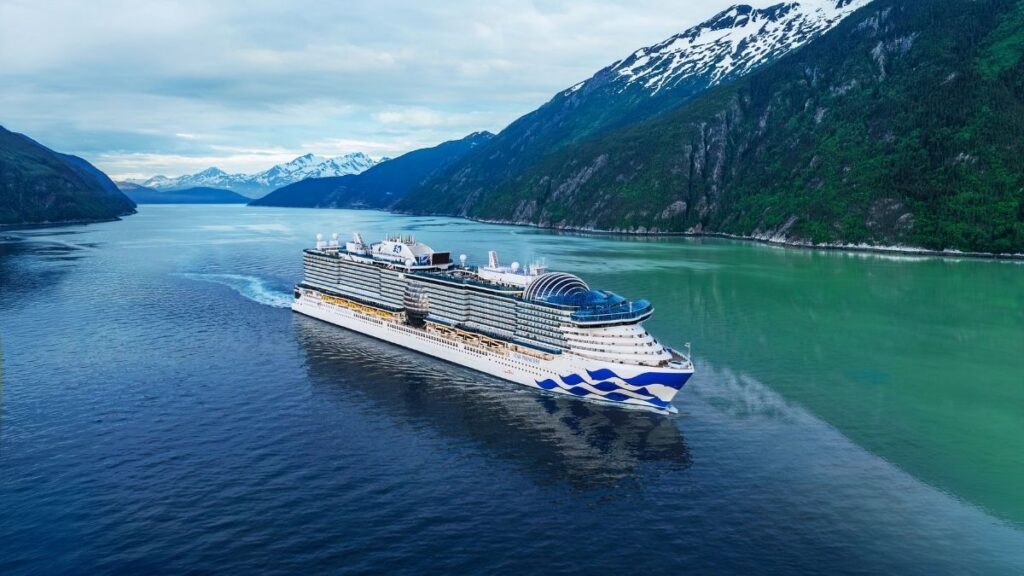
Three more ships scored 89. Sun Princess received that result following an inspection on February 15, MSC Meraviglia on March 10 and Amadea on February 10.
One of the more striking examples is Carnival Breeze, which also ranks highly in our Best & Worst Carnival Cruise Ships comparison.
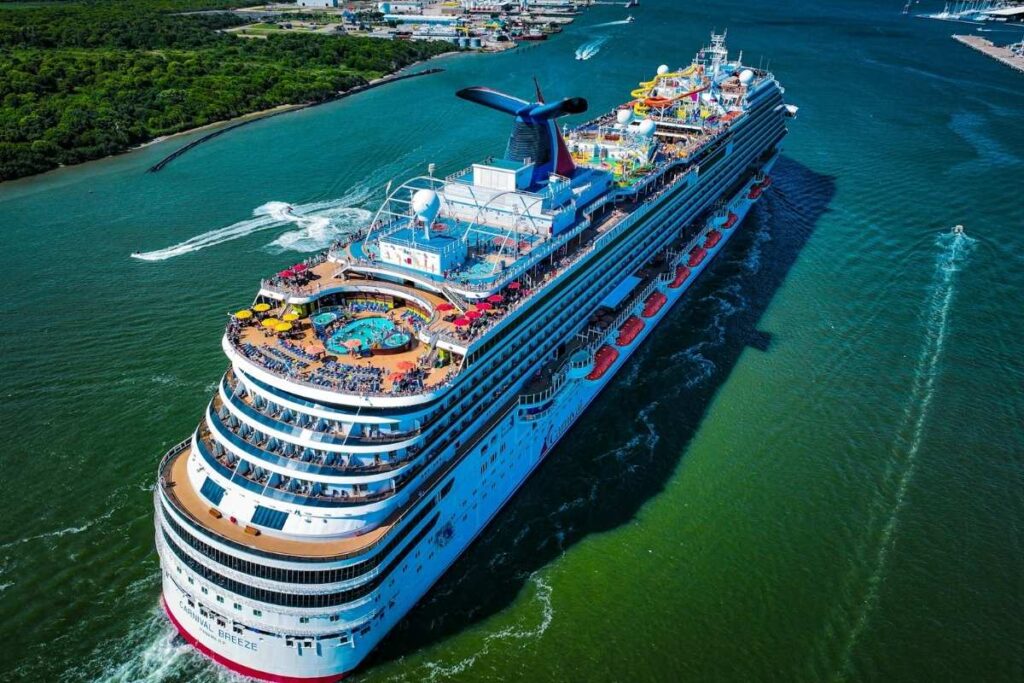
The Carnival Cruise Line ship had previously earned a perfect score of 100 before later receiving its 86. That difference shows how much inspection results can change between visits.
What CDC Inspectors Check on Cruise Ships
Cruise ships within the CDC’s jurisdiction are assessed under the Vessel Sanitation Program, a public health system focused on reducing sanitation risks and responding to illness at sea.
Inspectors look at a wide range of areas on board, rather than focusing on one specific part of the ship.
That includes medical facilities, drinking water systems, swimming pools and whirlpools, food preparation areas, dining rooms, children’s facilities, passenger accommodations, ventilation systems and common areas.
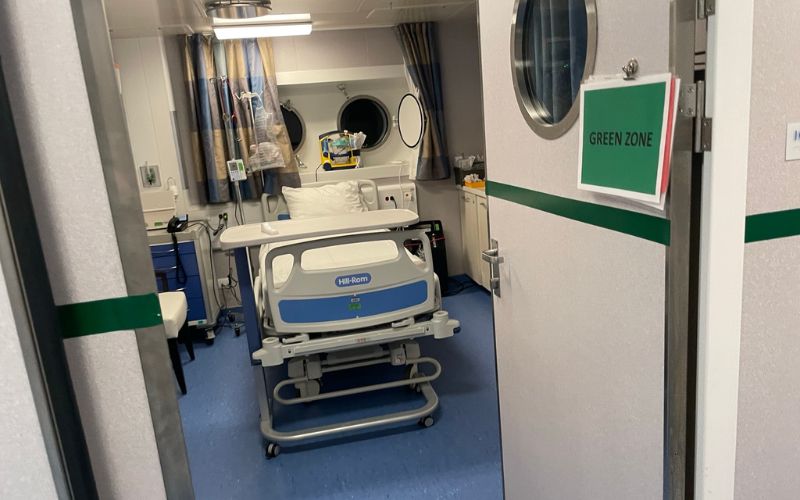
The final score reflects how well the ship met the CDC’s public health standards at the time of the inspection.
In Norwegian Dawn’s case, Norwegian Cruise Line later submitted a corrective action report to the CDC outlining the measures taken in response to the inspection findings.
That process allows cruise lines to explain how identified problems have been addressed after inspectors leave the ship.
Why the Vessel Sanitation Program Matters
The CDC’s cruise sanitation program was established in 1975 after gastrointestinal illness aboard ships became a growing public health issue.
Its work now extends beyond inspections, with the CDC also monitoring reported illnesses and responding when outbreaks occur.
Gavin Macgregor-Skinner, an infection prevention expert and epidemiologist affiliated with Penn State College of Medicine, previously told Fox News Digital about the role the program plays in protecting passengers and crew.
“The federal government’s Vessel Sanitation Program, established in 1975 to work with the cruise industry to protect travelers’ health, is critical for the health and safety of passengers, staff and the locations that cruise ships visit,” Macgregor-Skinner said.
He also outlined how often those checks take place.
“Ships participating in the VSP can expect two unannounced inspections every year, with a focus on medical facilities, potable water systems, swimming pools and whirlpool baths, galleys and dining rooms, child activity centers, cabins, ventilation systems and common areas,”
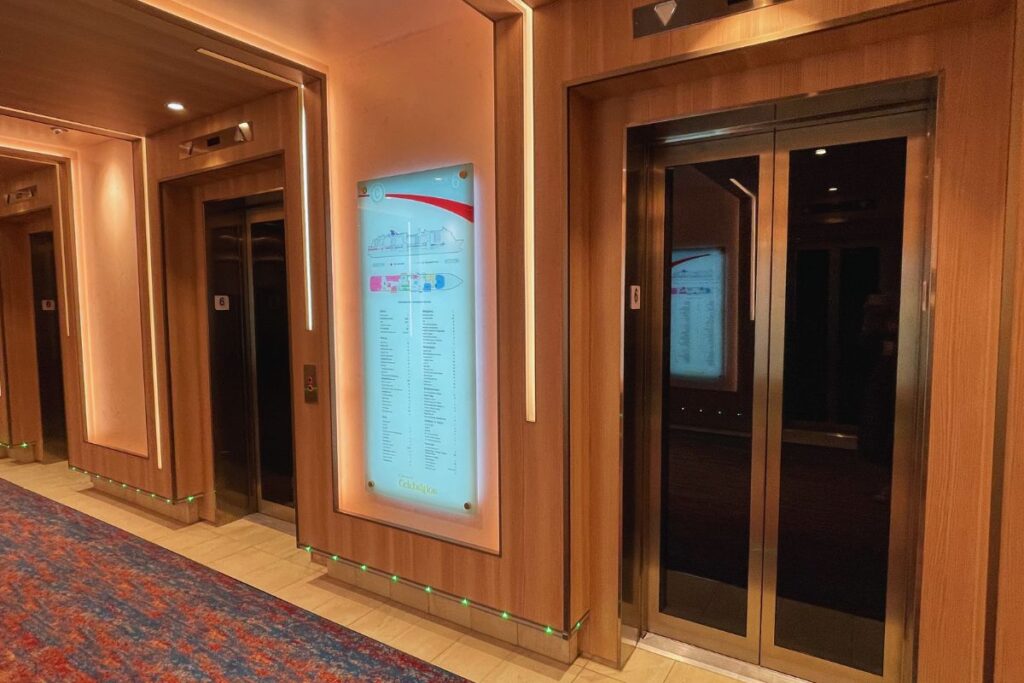
The amount of shared space on a cruise ship makes hygiene an important part of day-to-day operations. Thousands of passengers and crew can use the same restaurants, entertainment venues, elevators, handrails and other common areas over the course of a sailing.
Brian Sansoni, senior vice president of communications at the American Cleaning Institute, has also previously spoken about how easily illness can spread when those precautions aren’t maintained.
“Without strong cleaning and hygiene practices, germs can spread quickly, increasing the risk of illness among passengers and crew,”
However, Macgregor-Skinner has also cautioned against assuming that cruise ships experience more illness simply because health information from ships is easier to access.
“It is very important not to confuse the wider availability of cruise health data with a higher incidence rate on cruise ships compared to settings like restaurants, hotels and planes,” he said.
Cruise ships covered by the CDC program have specific reporting requirements for gastrointestinal illness, giving health authorities more visibility into cases at sea than is often available in other travel and hospitality settings.
Cruise Ship Illness Outbreaks Are Tracked Separately
A poor inspection result should not be confused with an onboard illness outbreak.
A ship can receive a low sanitation score without experiencing an outbreak, while a ship involved in an outbreak may not appear anywhere near the bottom of the inspection rankings.
The CDC separately publishes gastrointestinal illness outbreaks involving ships within its jurisdiction. In general, an outbreak is published when at least 3% of passengers or crew report gastrointestinal illness symptoms to the ship’s medical team during a voyage, although the agency can also publish other incidents it considers significant to public health.
According to the CDC’s published 2026 outbreak data, affected ships have included Caribbean Princess, Star Princess, Oceania Cruises’ Insignia, Regent Seven Seas Cruises’ Seven Seas Mariner and Lindblad Expeditions’ National Geographic Sea Bird.
Norovirus was identified in the outbreaks aboard Caribbean Princess and Star Princess.
The outbreaks aboard Insignia and Seven Seas Mariner were linked to E. coli, while the cause of the National Geographic Sea Bird outbreak was listed as unknown in the CDC’s published data.
That distinction is clear in the 2026 data: the ships involved in reported outbreaks are not the same group appearing at the bottom of these inspection results.
Several Cruise Ships Have Scored a Perfect 100
While a handful of ships have recorded some of the lowest sanitation scores seen so far in 2026, plenty of others have gone in the opposite direction.
Dozens of vessels have received a perfect score of 100 during CDC inspections this year.
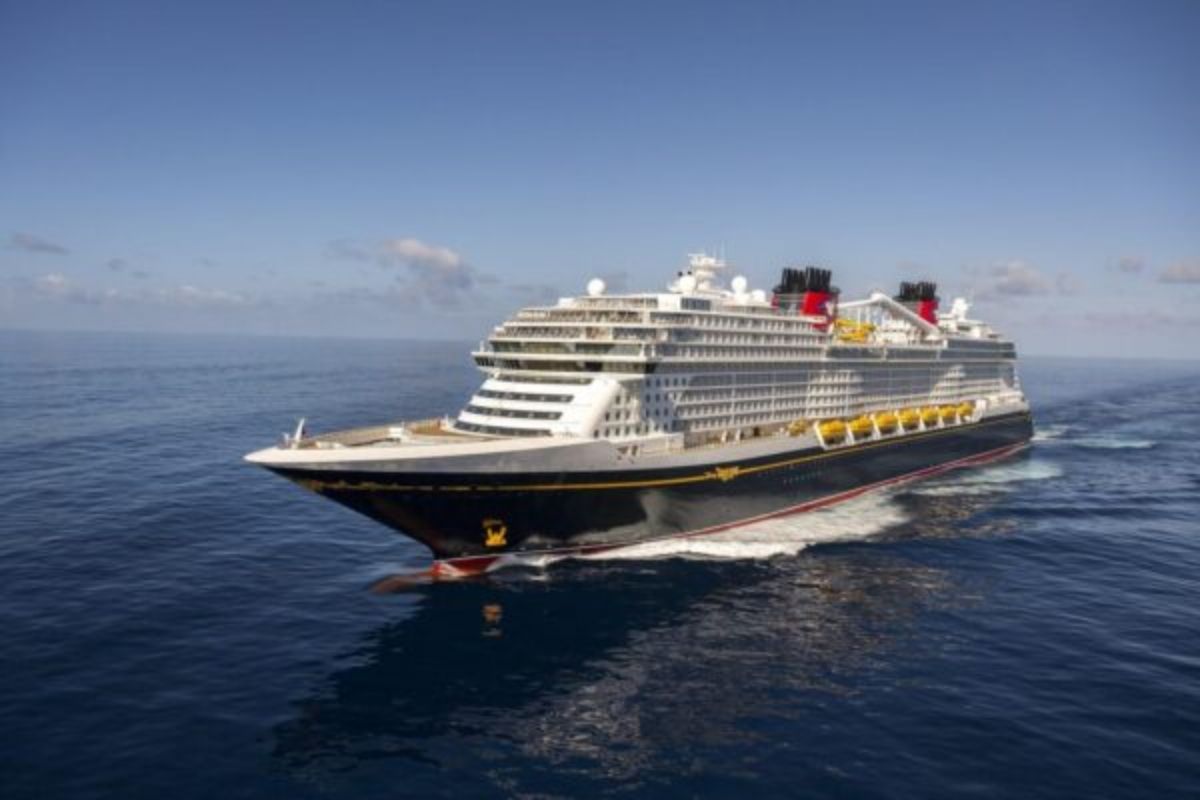
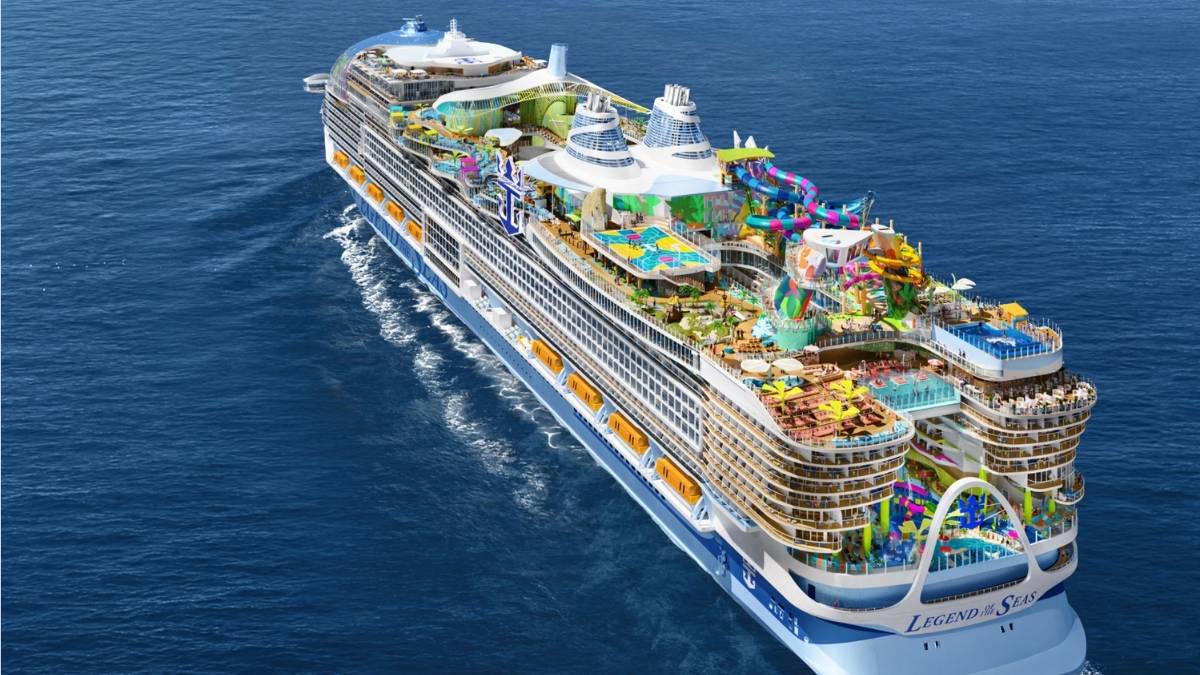
Ships reaching the maximum score have included Royal Caribbean’s Icon of the Seas, Carnival Celebration, Celebrity Apex, Disney Dream, Norwegian Viva and Cunard’s Queen Elizabeth.
The CDC’s Green Sheet, which lists the most recent inspection result for vessels within the program’s jurisdiction, shows those perfect scores alongside many others.
A single score reflects what inspectors encountered during that visit, so it shouldn’t be treated as a lasting grade for the ship or cruise line. For passengers, the results can still provide useful context when looking at a vessel’s recent sanitation history.
Today’s Top Cruise Deals
See today’s best deals from ALL travel agents