Carnival Cruise Line has introduced stricter rules for younger passengers, changing where some guests can stay onboard and how many adults must accompany groups of minors.
The updated Minor Guest Policy applies to all new bookings made on or after October 1, 2026, with the biggest change affecting passengers aged 18 to 20.

Previously, these young adults could stay in a cabin anywhere on the ship, even on a different deck from their parents or guardians. That’s no longer allowed under the new rules.
Carnival has also increased the number of adult chaperones required for groups traveling with minors, which could make some family vacations and organized trips more complicated to arrange.
Carnival Changes Where Younger Guests Can Stay
Carnival Cruise Line has tightened its rules on where younger passengers can stay, with the biggest change affecting guests aged 18 to 20.
Under Carnival’s Minor Guest Policy, anyone under 21 on embarkation day is considered a minor. Unless they qualify for an exemption, they must travel with a relative or guardian who is at least 25 years old. That person doesn’t have to be their legal guardian, but they are responsible for supervising the younger guests throughout the cruise.
Previously, guests aged 18 to 20 could stay in a cabin anywhere on the ship, provided their reservation was linked to a qualifying adult. This meant they could book a room on a completely different deck or at the opposite end of the ship from their parents or guardians.

For all new bookings made on or after October 1, 2026, that flexibility has been removed.
Carnival now requires guests aged 15 to 20 to stay within three staterooms of their accompanying adult. The rules depend on the passenger’s age:
- Ages 14 and younger: Must stay in the same cabin as their qualifying adult or in a directly connecting cabin with an interior door.
- Ages 15 to 17: May stay in a separate cabin, provided it’s no more than three staterooms away from their qualifying adult.
- Ages 18 to 20: Must now follow the same three-stateroom limit, rather than being allowed to stay anywhere on the ship.
All related reservations must also be linked.
The requirements for guests aged 17 and younger haven’t changed. It’s those aged 18 to 20 who will notice the difference, particularly families who prefer booking separate cabins to give their older children more independence.
The change could also make cabin selection more difficult for families who want different room categories or specific locations on the ship, especially when nearby cabins are already booked.
Carnival Also Tightens Rules for Group Bookings
Carnival has also increased the number of adult chaperones required when groups of minors travel together.
Previously, the cruise line required one adult chaperone for every eight minors. Under the updated policy, that has changed to one adult for every five minors, with each supervising adult required to be at least 25 years old.

For example, a group of 20 younger passengers that previously needed three adult chaperones will now need four. A larger group of 40 minors would need eight adults instead of five.
The change could have a bigger impact on organized trips, such as school excursions, sports teams, church groups, and other gatherings where several teenagers travel together.
Organizers may now need to find additional adults willing to join the cruise, which could also increase costs if extra cabins and cruise fares are required.
Carnival’s other group booking requirements remain in place. Groups booking eight or more staterooms must arrange their reservations through Carnival’s Group Department and pay a $100 damage deposit per minor. Prepaid gratuities for minors are also due at final payment.
The new chaperone ratio doesn’t replace the cabin placement rules, so groups will need to make sure both requirements are met when arranging accommodations.
Some Younger Adults Are Still Exempt
Although Carnival has tightened its rules for younger passengers, there are still a few exceptions that allow guests aged 18 to 20 to cruise without someone aged 25 or older accompanying them.
One exception applies to legally married couples, including same-sex couples. They can travel together without an older relative or guardian, provided they bring the necessary paperwork to prove their marriage.
Carnival accepts documents such as a marriage certificate or license, legal proof of a civil union, or, for newly married couples, a marriage license application or certificate signed by the person who performed the ceremony.
However, unmarried couples aged 18 to 20 don’t qualify for this exception simply because they’re traveling together. They would still need to meet Carnival’s usual age requirements.
Another exception applies to qualified military personnel aged 18 to 20 serving in the U.S. military or Canadian Armed Forces. They can travel without an older guardian, provided they present proof of military service at embarkation. Carnival also extends this exemption to eligible traveling companions sharing the same stateroom.
There’s also an exception for parents aged 21 to 24, who are permitted to travel with their own minor children without needing another adult aged 25 or older.
These exceptions remain unchanged under the updated policy. However, Carnival makes it clear that guests must provide the required documentation when boarding. Those who cannot prove they qualify for an exemption may be denied boarding without compensation.
Several Other Rules Remain Unchanged
While Carnival has made changes to its cabin placement and chaperone requirements, several other restrictions for younger passengers remain the same.
Guests must still be at least 12 years old to stay in Carnival’s Havana staterooms and suites or Terrazza accommodations. These cabin categories offer access to special areas and amenities, but families traveling with younger children will need to choose another type of room.
Carnival also recommends that parents traveling alone with their children carry documentation showing that the other parent has given permission for the trip. This could include a signed consent letter or, where applicable, legal documents confirming sole custody or parental rights.

Although this paperwork isn’t always required, having it available can help avoid problems during check-in or when passing through immigration, particularly on international itineraries.
The cruise line also continues to hold accompanying adults responsible for the safety and behavior of minors throughout the voyage. This applies whether the younger passengers are sharing a cabin with them or staying in a separate room.
Carnival can request proof of age, family relationships, guardianship, marriage, or military service to confirm that guests meet its requirements.
Passengers who fail to comply with the Minor Guest Policy may be denied boarding without a refund or compensation. For that reason, families should make sure their reservations and travel documents meet Carnival’s requirements before arriving at the cruise terminal.
Why Has Carnival Changed Its Policy?
Carnival hasn’t publicly explained why it decided to tighten its Minor Guest Policy, although concerns about younger passengers’ behavior have been a recurring topic among cruisers.
Complaints about unsupervised teenagers aren’t new. Some passengers have reported groups running through corridors late at night, making excessive noise, removing cabin door decorations, and causing disturbances in public areas.
While most younger guests cruise without causing problems, these incidents can affect other passengers and raise questions about how closely minors should be supervised.
There have also been more serious allegations involving younger passengers.
In June 2025, two siblings, aged 19 and 12, were allegedly harassed and physically assaulted by a group of young adults while sailing aboard Carnival Jubilee.
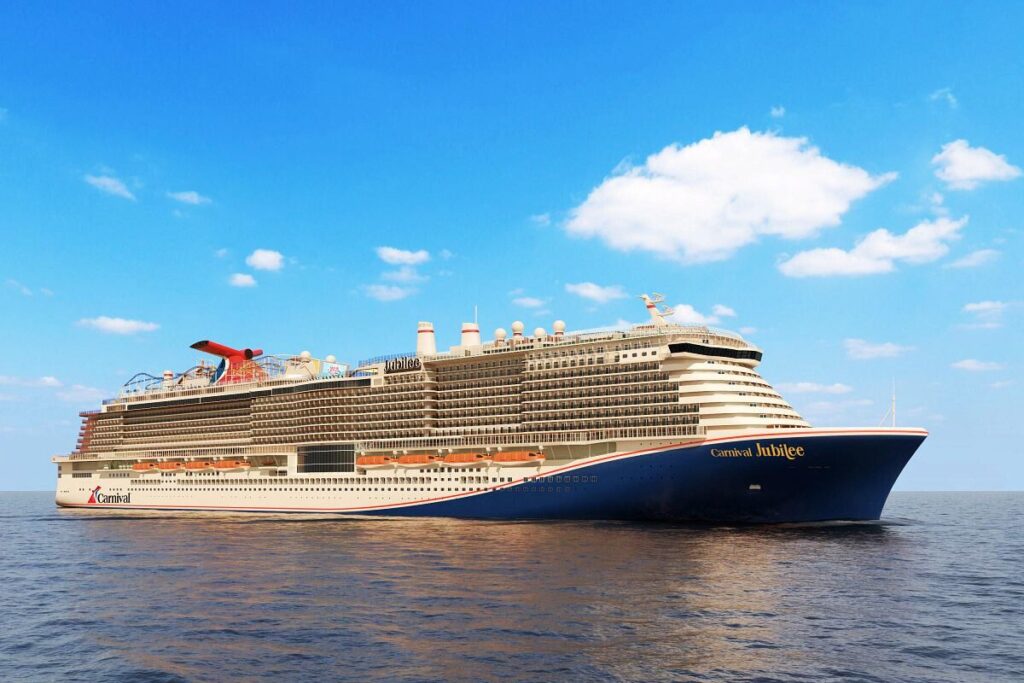
According to a federal lawsuit filed against Carnival on March 31, 2026, the siblings were targeted by other passengers, and the situation escalated despite security staff allegedly being warned about the developing confrontation.
The siblings accused Carnival of negligence, claiming its security team failed to take sufficient action to protect them. These are allegations made in the lawsuit, not established findings against the cruise line.
There’s no confirmed connection between that incident and Carnival’s latest policy changes, but the case highlights some of the safety and supervision concerns cruise operators can face.
Similar complaints about disruptive younger passengers have been reported across the cruise industry, including on Royal Caribbean and Norwegian Cruise Line sailings. Each cruise line has its own rules covering minors, supervision, and acceptable onboard behavior.
Carnival already has a code of conduct that allows it to take action against passengers who behave dangerously or disrupt other guests’ vacations. The new cabin placement and chaperone rules add further requirements for adults traveling with younger guests.
Whether the changes were introduced in response to specific incidents, passenger complaints, or a broader review of Carnival’s policies remains unclear.
Suggested read: Family Sues Carnival After Alleged Assault on Carnival Jubilee
What This Means for Families Planning a Carnival Cruise
For families planning a Carnival cruise with older teenagers or young adults, the new rules could make choosing cabins a little more complicated.
Parents traveling with children aged 18 to 20 will no longer be able to book their children into a cabin on a different deck or at the opposite end of the ship. Instead, they’ll need to find available staterooms within three cabins of each other.
This could be particularly frustrating for families who prefer different cabin categories. For example, parents might want a balcony stateroom while their older children stay in a cheaper interior cabin. That arrangement is still possible, but only if the rooms meet Carnival’s new distance requirements.
Families booking closer to their departure date may have fewer options, especially on popular sailings where nearby cabins are already taken.
The changes could also affect families traveling with several generations or larger groups of relatives. They’ll need to consider which adults are responsible for younger passengers and make sure their cabin locations and linked reservations meet Carnival’s requirements.
For organized youth groups, the increased number of chaperones could mean higher overall costs, particularly if additional adults need their own accommodations.
One important detail is that the new rules apply to reservations created on or after October 1, 2026, rather than all cruises departing after that date.
Carnival hasn’t clearly stated whether guests with existing reservations will need to make changes if they later modify their bookings. Anyone who booked before October 1 should check directly with Carnival or their travel agent before changing cabins or assuming the new requirements apply.
It’s also worth reviewing Carnival’s Minor Guest Policy and its current ticket contract before making a reservation, particularly if you’re traveling with anyone under 21.
The changes don’t prevent older teenagers and young adults from enjoying their own cabin or spending time independently around the ship. They simply place tighter limits on where those guests can stay in relation to the adult responsible for them.
Carnival Cruise Deals
See today’s best deals from ALL travel agents.