Lauren Siwinski and her fiancé, Gary “David” Glenn, traveled to Tampa expecting to board a five-day Royal Caribbean cruise, but their trip took an unexpected turn before they ever reached the ship.
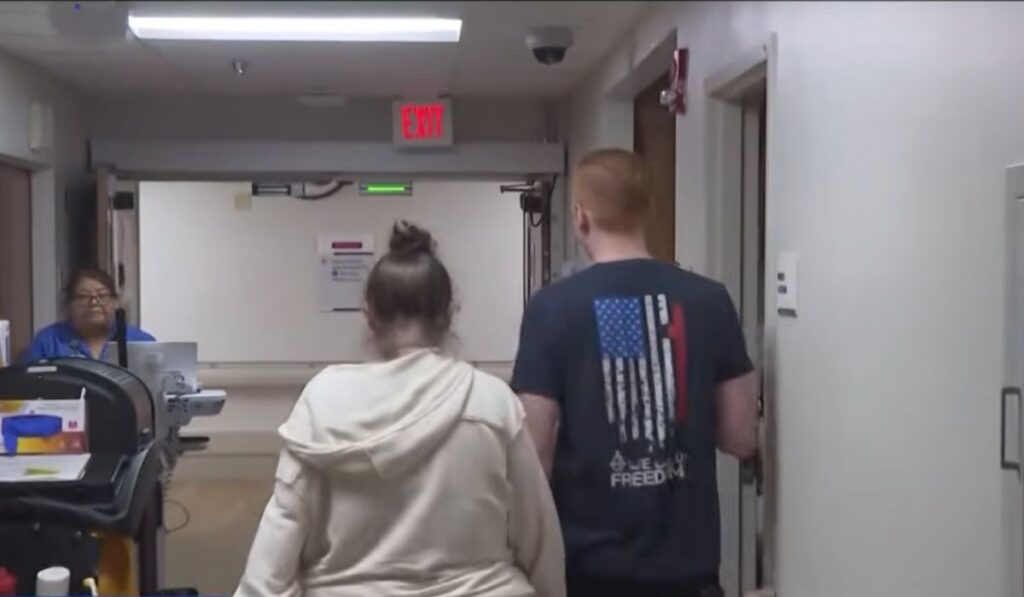
Just hours before departure, Lauren began experiencing severe abdominal pain, prompting a visit to a clinic that quickly escalated into something neither of them saw coming. By the following day, their vacation plans had been completely replaced by a life-changing surprise that would alter their trip—and their lives—forever.
A Late-Night Clinic Visit Changed Everything
Lauren and Gary had done what many cruise travelers are advised to do by arriving in Tampa a day early to avoid last-minute travel stress. The plan was simple: rest overnight and board Royal Caribbean’s Radiance of the Seas the next morning.
Instead, everything shifted late on July 12 when Lauren began experiencing intense abdominal pain. Assuming it was a stomach issue or something minor, she went to an urgent care clinic for evaluation.
What they heard there was far from routine. According to local news outlet WTSP, the doctor told them, “You guys are pregnant.” An ultrasound confirmed Lauren was already 33 weeks along and actively having contractions.
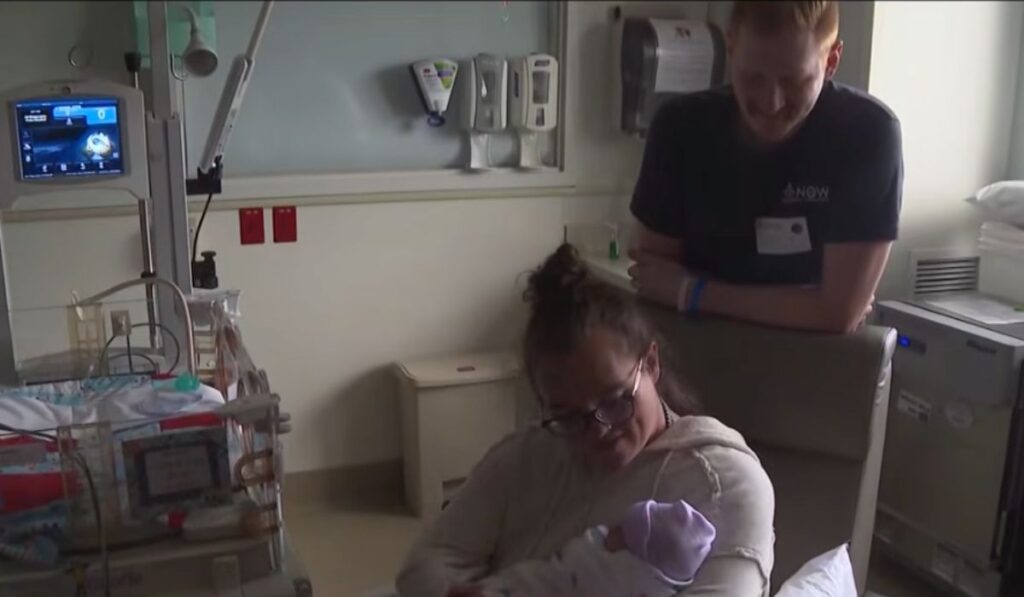
The couple suddenly found themselves with only hours to process the news and prepare for a baby they had no idea was on the way. Roughly 12 hours after she first arrived at the clinic, Lauren gave birth to Sebastian on July 13. Instead of boarding a cruise ship, the couple remained in Tampa under hospital care as new parents.
Lauren Says She Had No Warning
Lauren’s case appears to be what is known as a cryptic pregnancy, where someone does not realize they are pregnant until very late in the term or even until labor begins.
She explained that she experienced none of the typical signs she would have associated with pregnancy. “I had no symptoms at all. Nothing whatsoever. I had no idea there was a human inside of me,” she said.
While she did notice occasional unusual sensations, she dismissed them at the time. “I felt some flutters. But I didn’t think anything of it. I thought it was just my stomach settling from something I ate. Didn’t think it was a human,” Lauren added.
Without nausea, a visible baby bump, or other recognizable symptoms, she continued her daily life without concern. The sensations she did feel were easy to attribute to digestion or minor discomfort, and nothing suggested anything more serious.
Why The Timing Mattered So Much
Although the sudden diagnosis ended their vacation plans immediately, the timing also ensured Lauren received medical care before the cruise ship departed Tampa.
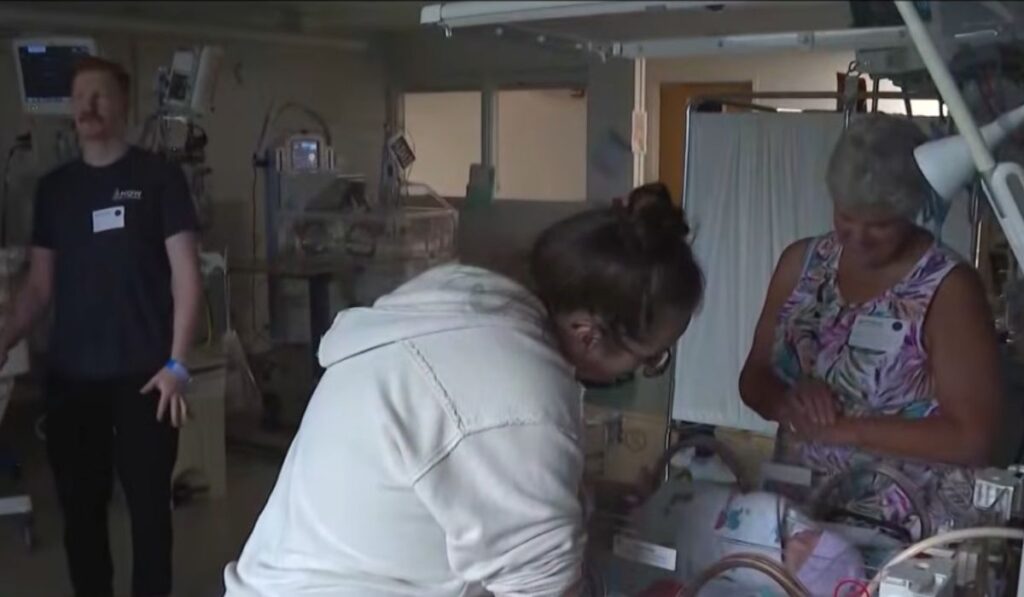
Had her symptoms started just a day later, she may have already been at sea aboard Radiance of the Seas. Once a ship leaves port, access to advanced maternity and neonatal care can be limited and potentially many hours away.
Births at sea can be especially complicated, particularly when a baby arrives prematurely. While cruise ships are equipped to handle a range of medical issues, they typically do not have obstetric specialists, neonatal intensive care units, or advanced equipment such as infant incubators and ventilators.
In an emergency situation, the onboard medical team may only be able to stabilize a patient while coordinating evacuation or diversion to the nearest suitable hospital. That could involve helicopter transport, assistance from the coast guard, or an unscheduled return to port, depending on location and conditions.
Even if a ship is docked in a foreign country, families can face additional challenges such as unfamiliar healthcare systems, language barriers, insurance complications, and delays in arranging ongoing treatment.
In Lauren’s case, Sebastian was delivered in a Florida hospital where both mother and baby could receive immediate and appropriate care. While the timing ended their cruise plans, it likely ensured a far safer outcome.
Royal Caribbean Would Not Have Allowed Her To Sail
Had Lauren known she was pregnant before arriving at the terminal, she would not have been permitted to board under Royal Caribbean’s pregnancy policy.
The cruise line does not allow guests who will be 24 weeks pregnant or beyond at any point during a sailing. At 33 weeks, Lauren was well past that threshold.
This policy applies across the entire fleet, regardless of itinerary length. Royal Caribbean states that the restriction exists because ships are not equipped to handle serious pregnancy complications.
As the company notes, “There is no Obstetrician/Gynecologist available on the ship, and pregnancies, when unstable and poorly controlled, are potentially life-threatening.”
While cruise ships do have medical staff and basic treatment facilities, they are designed for general care and emergency stabilization rather than specialized maternity services.
Pregnancy Emergencies At Sea Can Become Complicated Fast
Cruise line pregnancy restrictions can sometimes seem strict, especially when a passenger feels completely healthy. However, the concern is that pregnancy complications can develop quickly and without warning.
A premature newborn may require continuous monitoring, respiratory support, temperature regulation, and access to neonatal intensive care—resources that are not typically available onboard.
In more serious cases, the ship’s medical team may only be able to stabilize the patient while coordinating evacuation to shore-based facilities. There have been instances where pregnant passengers required emergency medical evacuation from cruise ships due to complications.
These evacuations can also be extremely costly, sometimes reaching tens of thousands of dollars depending on the ship’s location and the type of transport required. Travel insurance may not always cover such situations, particularly if a passenger knowingly sails outside the cruise line’s medical guidelines.
Ultimately, the restrictions are intended to reduce the risk of situations where a mother or baby might require care that simply cannot be provided at sea.
Fiancé’s Reaction to the Unexpected News
Gary was just as surprised as Lauren by the pregnancy diagnosis. The couple had been living their normal routine leading up to the trip, including going to the gym together.
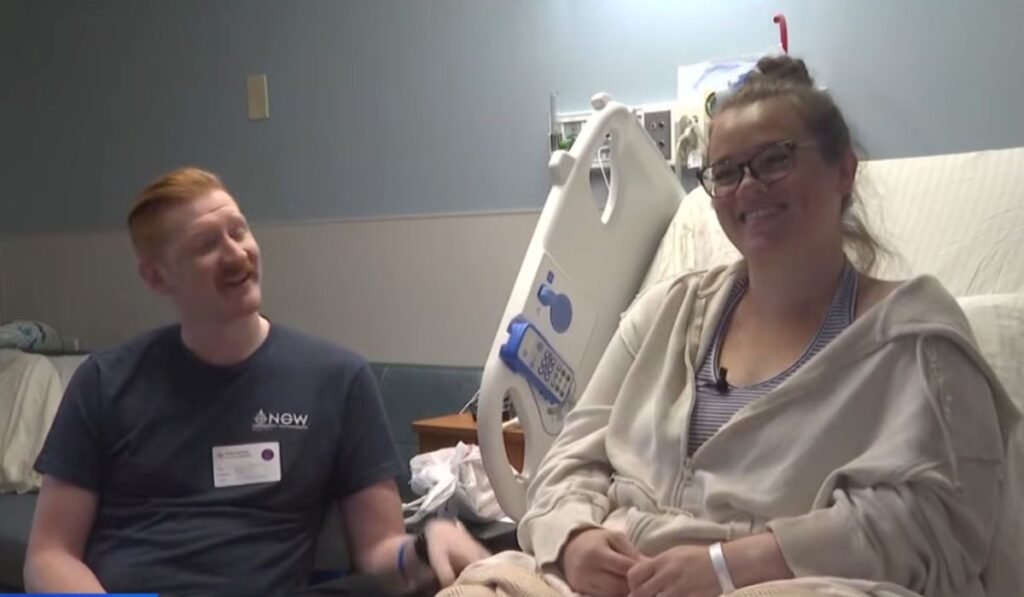
Nothing in their day-to-day life had suggested that Lauren was pregnant, and Gary later reflected on how ordinary everything had seemed in hindsight.
“I had her working out and stuff in the gym with me, and she’s sitting there pregnant. I had no idea. She’s like bouncing this bar off her chest. I’m surprised the baby didn’t shoot out right there, you know what I mean?” he said.
The couple had only become engaged in May, just two months before Sebastian’s arrival. What they expected to be a period focused on wedding planning quickly turned into an entirely different life milestone.
Their Community Stepped In To Help
Most expectant parents spend months preparing for a baby, but Lauren and Gary had only hours to adjust to their new reality.
They had no time to buy clothing, diapers, or essential baby supplies, and no nursery or preparation in place for a newborn.
Fortunately, support came quickly. Lauren works at a daycare in Rhode Island, and her coworkers immediately began organizing help. Friends and family also stepped in, gathering clothing, diapers, and other necessities for the baby.
That support gave the couple some stability during an overwhelming transition into parenthood. They are now preparing to return to Rhode Island with Sebastian, where loved ones are eager to meet him.
Radiance Of The Seas Continued Without Them
While Lauren and Gary remained in Tampa with their newborn son, Radiance of the Seas departed as scheduled.
The ship, which entered service in 2001, weighs 90,090 gross tons and can accommodate around 2,466 passengers. Onboard amenities include glass elevators, self-leveling pool tables, and an outdoor rock-climbing wall.
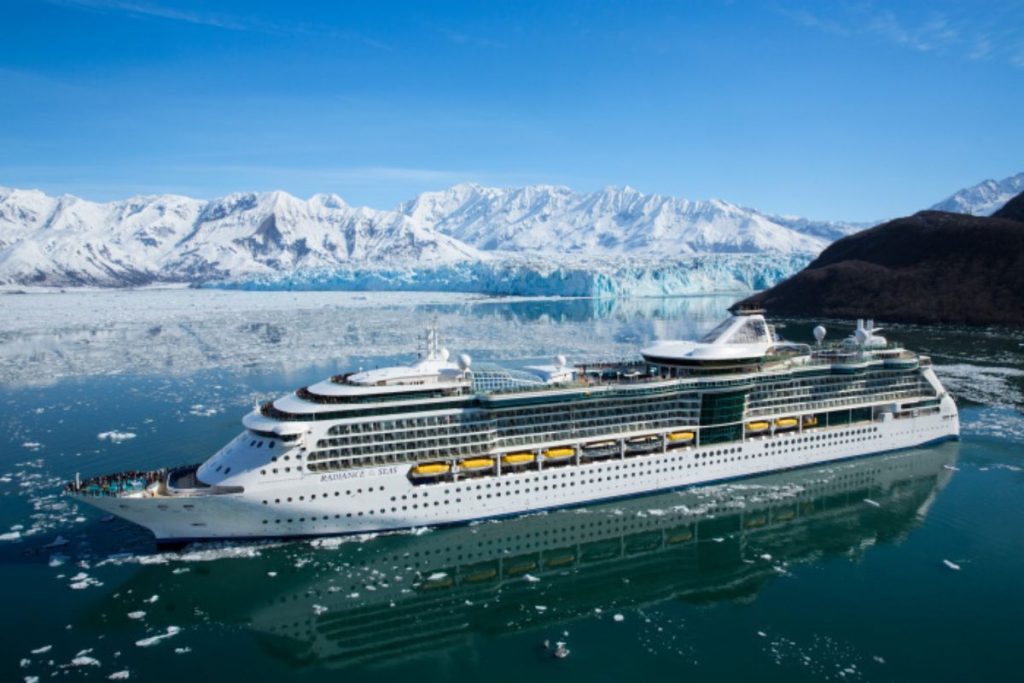
It operates cruises from Tampa to destinations across the Caribbean and Gulf region, with itineraries that may include ports such as Cozumel, Costa Maya, and Grand Cayman.
The couple had originally expected five days of travel, dining, entertainment, and port visits. Instead, the ship continued its journey without them while they adjusted to life with a newborn.
Although missing a cruise can mean losing money spent on travel and accommodations, Lauren and Gary’s experience ended in a far more significant way than a missed vacation.
They arrived in Tampa expecting to return home with memories of a cruise. Instead, they left as a family of three.
Today’s Top Cruise Deals
See today’s best deals from ALL travel agents