Three passengers have died after a serious medical situation developed onboard MV Hondius, an expedition cruise ship operated by Oceanwide Expeditions.
Health officials are investigating a suspected hantavirus outbreak linked to the voyage, though not every death has been formally connected to the virus at this time. This is a serious story, but it’s also one where the facts are still moving.
The ship has been off Cape Verde while authorities, Oceanwide Expeditions, WHO, and other health agencies work out medical care, screening, and disembarkation plans.
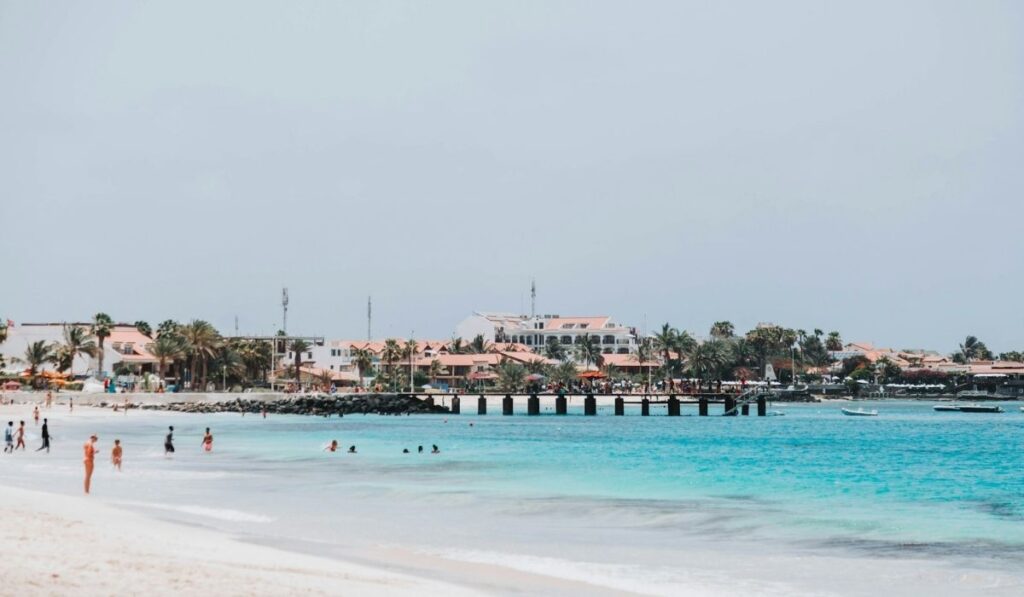
As of Oceanwide’s late May 4 update, two hantavirus cases had been confirmed. Several other cases were being treated as suspected, and two crew members onboard were showing acute respiratory symptoms.
For a cruise ship, this is highly unusual. Most illness stories at sea involve stomach bugs. Hantavirus is a very different kind of concern.
Three Passengers Have Died During The Voyage
The deaths happened during a longer expedition voyage involving MV Hondius, a Dutch-flagged polar expedition ship that departed Argentina on March 20, 2026. The ship had been sailing from Ushuaia toward Cape Verde after its Antarctic season. Hondius was then expected to continue north ahead of its Arctic sailing season, but that schedule was disrupted as the medical situation developed.
The first passenger, a Dutch man, died onboard on April 11. Oceanwide Expeditions said the cause of death could not be determined onboard. His body was later disembarked at St. Helena on April 24, with his wife accompanying the repatriation.
Oceanwide later said the wife became unwell during the return journey and died on April 27. She was also a Dutch national. In a later update, the cruise line said a variant of hantavirus had been identified in her.
A third passenger, a German national, died onboard MV Hondius on May 2. The cause of that death has not yet been established. The German passenger’s body remains onboard while authorities work through the response.
What Oceanwide Expeditions Says Happened
Oceanwide Expeditions has released a timeline of the medical situation, though the cruise line has also stressed that some links are still under investigation.
According to the company, the first death happened on April 11. The passenger and his wife were later disembarked on St. Helena on April 24, so the body could be repatriated.
On April 27, Oceanwide was told that the wife had become ill and later died. A variant of hantavirus was later identified in her.
Also on April 27, another passenger became seriously ill and was medically evacuated to South Africa. That passenger, a British national, was being treated in intensive care in Johannesburg and was described as being in a critical but stable condition. Hantavirus was also identified in that patient.
Then, on May 2, the German passenger died onboard. Oceanwide has said the cause of death has not yet been confirmed.
Two crew members onboard were also reported to have acute respiratory symptoms. One case was described as mild and the other as severe. Both crew members, one British and one Dutch, were said to need urgent medical care.
Two Hantavirus Cases Have Been Confirmed
Early reports said only one case of hantavirus had been confirmed. Oceanwide later updated that figure to two confirmed cases.
The confirmed cases are the British passenger being treated in Johannesburg and the Dutch woman who died after leaving the ship.
Reuters reported that WHO had identified seven confirmed or suspected hantavirus cases connected to the ship as of May 4. That included two lab-confirmed cases and five suspected cases.
The same reporting said the group included three deaths, one person in critical condition, and three people with mild symptoms.
That does not mean every illness or death has the same cause. Oceanwide has said the exact cause and any possible connection between the deaths and the virus are still being investigated.
The Ship Has Been Waiting Off Cape Verde
MV Hondius has been off the coast of Cape Verde while officials decide how to handle medical transfers and passenger disembarkation.
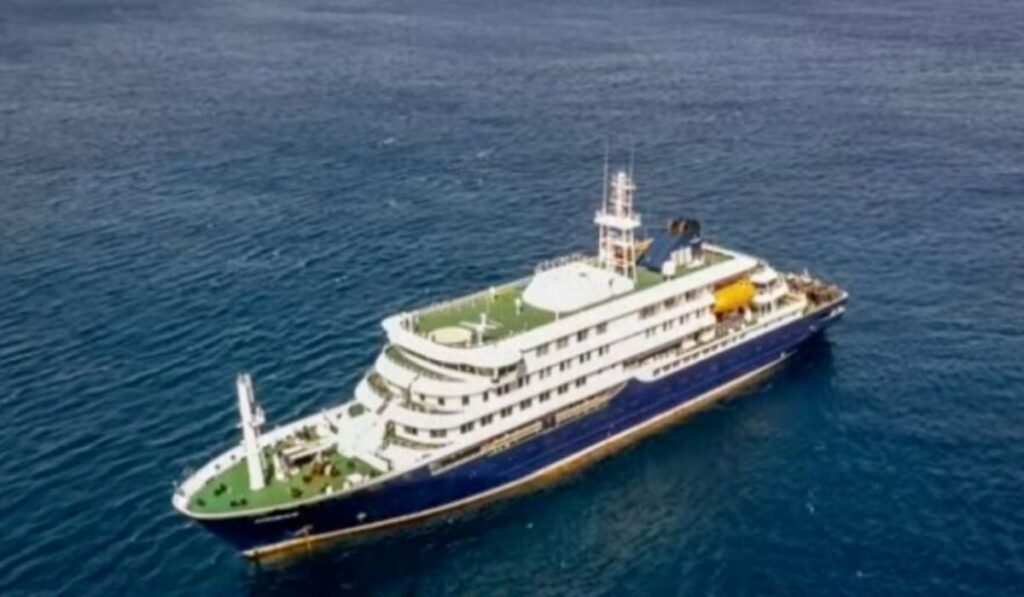
Cape Verde’s health authorities have not allowed a standard passenger disembarkation because of public health concerns. That might sound dramatic, but port authorities have to take this kind of situation very seriously. No country wants to become the place where a poorly understood outbreak spreads ashore.
Oceanwide said local health authorities had visited the ship and assessed the situation. The cruise line also said guests would not be disembarking in Cape Verde, apart from three people planned for medical evacuation.
The remaining guests were still waiting for a final disembarkation point. Oceanwide said Las Palmas or Tenerife were being considered as possible options, where further medical screening could take place with support from WHO and Dutch health services.
Reuters also reported that passengers had been told to remain in their cabins as a precaution while the situation was assessed.
Who Is Still Onboard
Oceanwide said there were 149 people onboard MV Hondius in its late May 4 update.
That group represented 23 nationalities. Earlier details from the cruise line said those onboard included 87 remaining passengers and 61 crew members.
Among the passengers were 19 British nationals, 17 Americans, and 13 Spanish nationals. Other nationalities included people from Canada, Australia, Japan, the Netherlands, and Argentina.
Of the crew members onboard, 38 were Philippine nationals, according to earlier reporting.
Oceanwide said the atmosphere onboard remained calm, with passengers generally composed. Still, it’s hard to imagine this being anything other than an anxious wait. Being stuck at sea is one thing. Being stuck at sea during an active medical investigation is another level entirely.
What Is Hantavirus?
Hantavirus is a group of viruses mainly carried by rodents.
People can become infected after contact with urine, droppings, saliva, or nesting materials from infected rodents. The virus can also spread when contaminated particles are stirred up and breathed in.
It’s not a typical cruise ship illness. When we talk about outbreaks at sea, we’re usually talking about norovirus, E. coli, salmonella, or other stomach-related bugs. Hantavirus is much rarer in a cruise setting.
The CDC says hantavirus can cause serious illness affecting the lungs or kidneys. One form, hantavirus pulmonary syndrome, usually starts one to eight weeks after exposure. Early symptoms can feel a lot like the flu at first, with fatigue, fever, muscle aches, headaches, dizziness, chills, nausea, vomiting, diarrhea, or stomach pain. The more serious stage usually comes later, when the illness starts affecting the lungs. Patients may develop coughing, shortness of breath, chest tightness, and fluid buildup in the lungs, which can make breathing difficult very quickly.
Another form, hemorrhagic fever with renal syndrome, can affect the kidneys and may begin within one to two weeks, though in rare cases it can take longer. Symptoms can include sudden fever, chills, severe headaches, back and abdominal pain, nausea, blurred vision, and a flushed face or reddened eyes. In more serious cases, patients can develop low blood pressure, internal bleeding, fluid buildup, and kidney problems that may become life-threatening.
There is no targeted cure for hantavirus. Care is focused on supporting the patient, which may include oxygen, intensive care, or ventilation in severe cases.
Can Hantavirus Spread Between People?
Most hantaviruses do not spread easily from person to person.
That’s one reason health officials have described the risk to the wider public as low. It’s also why this case is so unusual: investigators need to work out whether exposure happened before boarding, during a shore stop, onboard the ship, or through some other route.
There is one wrinkle. Some experts have pointed to the Andes virus, a type of hantavirus found in parts of South America, which can rarely spread between people. Since the voyage was linked to Argentina, that possibility is being examined.
At this stage, officials have not publicly confirmed the exact strain in the MV Hondius cases. Further testing, including sequencing, is part of the investigation.
Why The Source Is Still Unclear
The source of exposure has not been confirmed.
That’s partly because hantavirus can have a long incubation period. Symptoms may not appear until weeks after exposure, which makes it harder to trace exactly where someone became infected.
The sailing was linked to Ushuaia, Argentina, and a route through remote South Atlantic areas. The itinerary included Antarctica, the Falklands, South Georgia, St. Helena, Ascension, and other South Atlantic stops before the ship reached Cape Verdean waters.
Argentine provincial health officials said no passengers had hantavirus symptoms when MV Hondius left Ushuaia. But with an incubation period that can stretch for weeks, someone could have been infected before symptoms appeared.
Investigators are now looking at travel history, possible rodent exposure, and whether the confirmed and suspected cases share the same strain.
Why This Is So Unusual For Cruise Ships
Cruise ships deal with illness reports from time to time. That’s not new.
But this isn’t the usual “passengers missed the hand sanitizer and now everyone is side-eyeing the buffet tongs” situation. Hantavirus is not a normal cruise ship outbreak.
No hantavirus outbreak linked to a cruise ship had been reported to the CDC in at least 30 years, based on archived data.
MV Hondius also isn’t a standard big-ship Caribbean cruise vessel. It’s an expedition ship, built for remote areas and polar waters. Those trips can be incredible, but they also come with a different reality: when something goes wrong, help may not be just one port day away.
That doesn’t mean expedition cruises are unsafe. It does mean medical planning, screening, and emergency response can be far more complex when a ship is operating far from major port infrastructure.
About MV Hondius
MV Hondius is a Polar Class 6 expedition vessel operated by Oceanwide Expeditions.
The ship is designed for polar cruising and is used for Antarctica and Arctic itineraries. It can carry up to 170 guests and has 80 cabins, according to company information cited in reports.
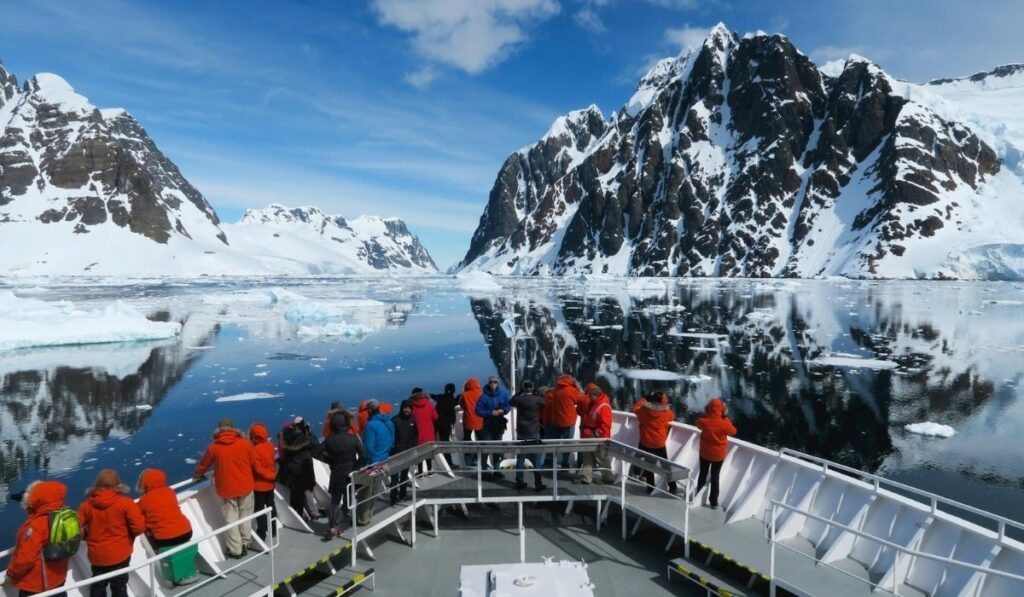
The ship also carries expedition staff, crew, and a doctor onboard.
Hondius had finished or was finishing its Antarctic season and was due to begin Arctic sailings later in May. The voyage has been described as either a long expedition sailing or a repositioning cruise from the southern season toward the northern one.
Health Officials Say Wider Public Risk Is Low
WHO and public health authorities are supporting the response.
Medical teams have assessed the ship, and plans have been discussed for evacuations, screening, and possible disembarkation away from Cape Verde. Oceanwide said two specialized aircraft were being prepared by Dutch authorities for possible medical evacuation, though the company warned that the plan was not yet confirmed and could change.
WHO officials have said detailed testing and epidemiological investigations are still underway.
For the wider public, health officials have tried to keep the message measured. Hantavirus can be severe, but it does not usually spread easily between people. WHO’s regional director for Europe said the risk to the wider public remains low and that there is no need for panic or travel restrictions.
For passengers and families connected to MV Hondius, though, this remains a deeply stressful situation. Three people have died, others are ill, and many onboard are still waiting for clear next steps.
For now, the key question remains unanswered: how did a virus usually linked to rodents become part of a cruise ship medical emergency in the middle of the Atlantic?
Today’s Top Cruise Deals
See today’s best deals from ALL travel agents