The idea of living on a cruise ship full-time might sound like a dream come true. After all, who wouldn’t want to trade daily commutes and endless chores for sunsets at sea, exotic destinations, and hassle-free living?
But as Lynnelle, a solo cruiser who sold everything to embrace life on the high seas, reveals in her YouTube video titled Exposing the DARK side of living on a cruise ship, the reality is far from perfect.
While she loves her lifestyle, she also lays bare some serious challenges that anyone considering this move should know.
Here, we unpack Lynnelle’s insights, reflect on her experiences, and add a little extra perspective for those dreaming of living on a cruise ship.
Paper-Thin Walls and Noise Galore
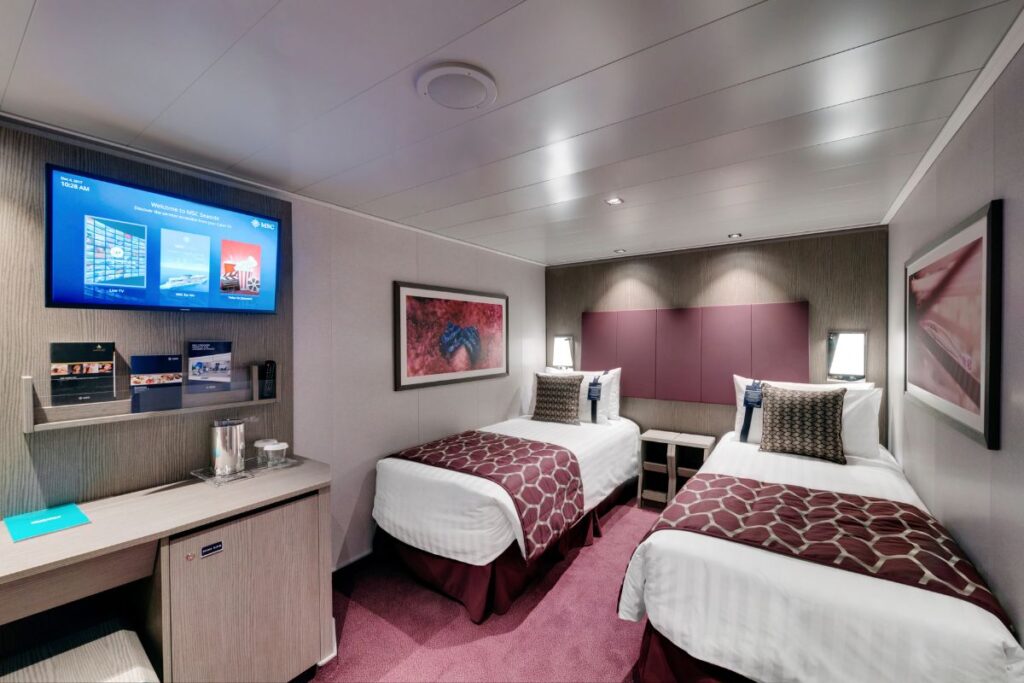
Cruise ship walls, Lynnelle warns, are practically paper-thin. Whether it’s the scraping of pool chairs above, late-night karaoke, or “extracurricular activities” from the neighbours, peace and quiet can be elusive.
Some cabins near high-traffic areas, like theatres or the pool deck, are particularly prone to noise, making cabin selection crucial for long-term cruisers.
Lynnelle’s advice? Bring earplugs, maybe a white noise machine, and carefully research cabin locations to minimise disturbances—but even then, don’t expect complete silence.
The Space Dilemma

“Take your current bedroom, cut it in half, and then squeeze a queen-sized bed, nightstands, and everything else you need to live into it.”
That’s how Lynnelle describes the reality of cruise ship cabins. Space is tight—and the bathrooms? Even smaller.
For anyone who loves to stretch out or thrives in a clutter-free environment, this can be a tough adjustment. To mitigate this, savvy long-term cruisers recommend minimalist packing and clever storage solutions. But even then, you’re bound to feel the squeeze.
The Introvert’s Struggle

As an introvert herself, Lynnelle appreciates alone time, but living on a cruise ship doesn’t always allow for it. “You’re going to see the same chatty couple at breakfast, lunch, dinner, and even on the elevator,” she explains.
For those who thrive on solitude, this can be draining. Even designated quiet areas like adults-only decks or libraries might still have chatter from fellow passengers or interruptions from crew members.
Some introverted cruisers find solace in early morning walks on the deck, utilising noise-cancelling headphones or scheduling port days for solo exploration.
However, the social nature of cruising—from group dining tables to impromptu conversations—means solitude seekers must be prepared to carve out their quiet moments.
The Motion of the Ocean

Even seasoned cruisers like Lynnelle acknowledge that the “motion of the ocean” can take some getting used to. While she’s never been seasick, she admits that stormy weather or the ship’s position (front, back, or middle) can intensify the sensation.
For those new to cruising, choosing a cabin in the middle of the ship and on a lower deck can help reduce the impact of waves. Remedies like motion sickness bands, ginger chews, acupressure wristbands, or prescription medications can be lifesavers.
Additionally, staying hydrated, eating light meals, and stepping out on deck for fresh air are simple but effective ways to manage the queasiness.
Lynnelle also suggests trial cruises during different seasons to gauge your tolerance for rougher seas.
The Financial Reality

Living on a cruise ship isn’t cheap. Some spend around $88,000 a year for their inside cabin, including taxes and tips. Opting for a balcony? That’ll set you back over $100,000.
And that’s before factoring in extras like specialty dining, excursions, and souvenirs. For example, specialty dining experiences can cost upwards of $50 per meal, while excursions often range from $100 to $300 depending on the destination.
Additionally, onboard activities like spa treatments or photography packages can quickly add to the total bill.
While cruise lines offer loyalty perks and discounts for frequent cruisers, this lifestyle requires a significant financial commitment — one that demands careful budgeting and planning.
Healthcare Challenges

For Lynnelle, healthcare is both a pro and a con. While onboard medical centres are convenient, they’re also pricey. A simple doctor’s visit for an ear infection cost her $150, not including medication, and more complex issues can easily lead to higher bills.
Also, cruise ship medical facilities are not equipped to handle major emergencies, meaning serious conditions may require an expensive evacuation to a hospital on land.
For anyone with chronic health conditions or a need for regular check-ups, this can pose a significant challenge, as access to specialists or routine diagnostic tests is limited.
Emergency healthcare insurance is a must for long-term cruisers, as it can help cover costs for medical evacuations and care beyond what the ship’s medical team can provide.
Planning ahead with a stocked personal medical kit and ensuring regular check-ups during land visits can also help mitigate these challenges.
Food Variety (or Lack Thereof)

While Lynnelle enjoys the food onboard, even she acknowledges that it can feel monotonous after a while. Menus often repeat every week or so, and picky eaters might find the options limiting.
However, for food lovers who enjoy trying new dishes, the variety across multiple dining venues can still be a highlight.
Many cruise ships offer themed nights in the main dining room, speciality restaurants with diverse cuisines like Italian, Japanese, or steakhouse menus, and casual options such as pizza, burgers, or deli counters.
Lynnelle also points out that some cruisers mix things up by dining ashore during port visits, offering a break from onboard offerings and a chance to experience local cuisine.
Unreliable Wi-Fi

As someone who creates YouTube content, Lynnelle understands the frustrations of unreliable cruise ship Wi-Fi. “About 75% of the time, it’s great, but the other 25% will make you want to pull your hair out,” she jokes.
Wi-Fi on cruise ships often relies on satellite connections, which can become slow or even unavailable in remote areas or during bad weather.
For digital nomads or those relying on constant connectivity, this is a factor to consider. Streaming or large uploads? Prepare for patience—and buffering.
Some cruisers suggest downloading content in advance, using offline work tools, and scheduling important online tasks when the ship is docked to take advantage of better connectivity.
The Emotional Side
One of the most poignant downsides Lynnelle discusses is the transient nature of cruise ship life. Friendships onboard can be fleeting, with most passengers staying only a week or two before disembarking. For those who value deep, long-lasting connections, this can feel isolating.
Making connections with the crew can provide some consistency, as they remain onboard for months at a time, but professional boundaries often limit these relationships.
However, Lynnelle embraces the opportunity to meet new people from diverse backgrounds and keeps in touch with a select few who share her journey. She also uses social media to maintain ongoing connections, creating a sense of community even as her neighbours at sea constantly change.
Why Lynnelle Still Loves Cruise Life
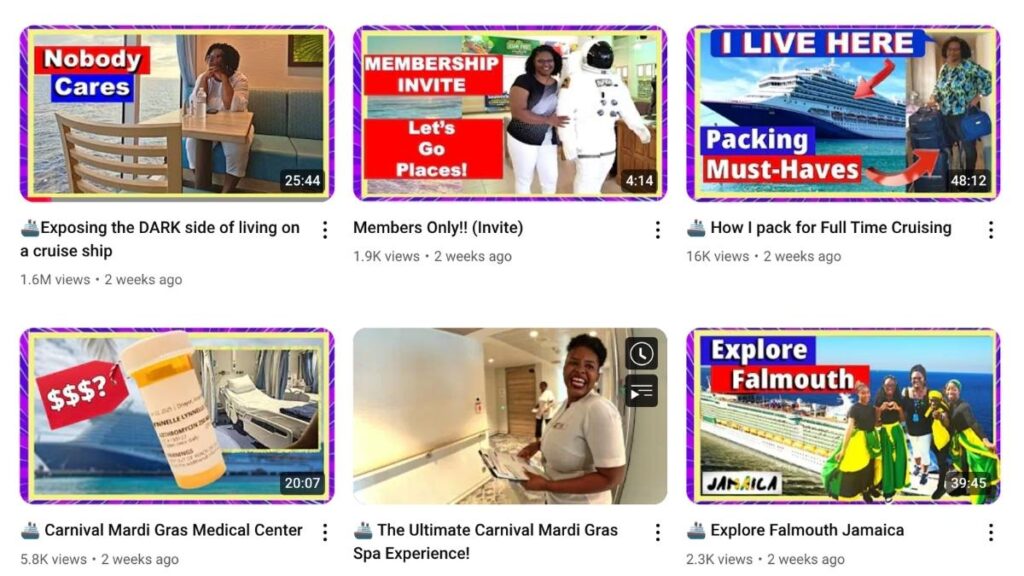
Despite these challenges, Lynnelle passionately champions her lifestyle. For her, the pros—like travel, hassle-free living, and endless adventure—far outweigh the cons. She calls it her “soft life” and relishes the freedom from cooking, cleaning, and daily stress.
Every week brings new destinations, cultures, and experiences, making the sacrifices worth it. She highlights the unique joy of waking up in a new location without ever needing to pack and unpack, and the connections she builds with the crew and fellow long-term cruisers who understand this lifestyle.
👉 If you’d like to hear Lynnelle’s full thoughts, you can watch her video here.
Is Living on a Cruise for You?
Lynnelle’s video offers a candid look at both the glamour and grit of living on a cruise ship. For some, the idea of small cabins, noisy neighbours, and high costs might be enough to stay on land.
For others, the promise of travel and a hassle-free lifestyle could outweigh the downsides. If you’re considering this lifestyle, start by taking a few cruises to test the waters. Who knows? You might just find your version of paradise at sea.
Now, let’s talk about the elephant in the room. The cost.
How Much It Really Costs to Permanently Live on a Cruise Ship
Living on a cruise ship is a unique and exciting way to live that’s more achievable than you might think.
This lifestyle isn’t just for the mega-rich; it’s an option for anyone interested in doing something different with their life.

If you’re curious about swapping your usual surroundings for life at sea, let’s find out if living on a cruise ship could be your next adventure.
First, it’s useful to know there are a few different ways of doing it:
- Traditional Cruises
- World Cruise
- Cruise Ships Designed For Permanent Living
Let’s go into the details of each…
1. Traditional Cruises
You can certainly try to live long-term on a traditional cruise ship by booking each journey consecutively. If you fancy keeping the same cabin on every cruise, you must be at the front of the queue when bookings open. If not, you might just lose your spot to someone else.
Remember, you can usually book cruises around 18 to 24 months ahead, so planning is key. Although moving between cabins isn’t the worst thing, life would be simpler without the hassle of packing and unpacking with each new cruise. Also, some cruise lines may require you to disembark and re-board between itineraries.
An alternative strategy is ship-hopping, switching ships every few weeks. This might be more budget-friendly, particularly with cruise lines that offer economical nightly rates and one-way repositioning cruises. However, it’s a lot of work, constantly planning your next move and worrying about securing your next cabin.
Fraser from the YouTube channel Fraser At Sea is one person who has mastered this lifestyle.
I’ve found deals as cheap as $50 per night, including all meals. So, if you’re clever, living on cruise ships can be quite affordable.
2. World Cruise
Opting for a world cruise is another fantastic way to enjoy life at sea over an extended period. These can last three to six months, though they don’t usually run consecutively. You’ll need to be ready to book the next available cruise each time one ends. They’re not cheap, so budgeting is essential.
3. Cruise Ships Designed For Permanent Living
These are your best bet if you’re serious about making a cruise ship your home. They offer facilities and amenities tailored for long-term residents.
While these types of ships aren’t plentiful, there are a few tailor-made for life at sea, ensuring you don’t have to constantly worry about rebooking your next cruise.
Here are some ships that cater exclusively to full-time living:
- The World, Residences at Sea, launched in 2002. It’s one of the pioneers in residential cruising.
- Victoria Majestic, operated by Victoria Cruise Line, launched in 2024.
- Somnio, from Somnio Superyachts, is also expected in 2024.
- Villa Vie Residences, by Villa Vie, is another anticipated newcomer in 2024.
- MS Utopia, from Utopia Residences, was originally scheduled for 2023 but is now set for 2025.
- MV Narrative, launching under Storyline Cruises in 2025.
- Njord, by Ocean Residences, is aiming for a 2025 launch.
- MS Dark Island, from Clydebuilt Dark Island Residences, is expected to set sail in 2026.
It’s crucial to remember that these are all planned launch dates. Delays are common in the industry, as demonstrated by the rescheduling of MS Utopia. If you’re considering this lifestyle, being flexible with your start year is advisable, as timelines can and do change.
Here are the details about each ship:
1. The World
Imagine living on the largest private residential ship on the planet! That’s “The World,” a floating community with 165 residences, including 106 two- and three-bedroom apartments, 19 studio apartments, and 40 studios.
Here, you don’t just book a cruise; you buy your residence and live on your terms. Some owners stay year-round, while others pop in and out, treating it like a holiday home or a yacht alternative.
The World blends traditional cruise elements with a unique residential twist. You can expect luxury amenities similar to those on luxury world cruises: guest speakers, musicians, cultural performances, and even daytime activities like tennis, swimming, and gym classes, including yoga and cardio. And yes, there are six gourmet restaurants on board!
But it’s not just about dining out; each residence has its own kitchen, and there’s even a grocery store on the ship. Fancy a spa day? They’ve got that covered, too.
Essentially, it offers all the perks of cruise living but with the bonus of your own kitchen and the ability to stay as long as you like. Plus, you can host guests in your own space.
While it’s not the most family-friendly option (geared more towards adults and retirees), your family can still visit, though they might have to pay to use certain facilities.
2. MS Utopia
The ambitious MS Utopia project, a $1.1 billion luxury residential ocean liner, has faced its share of setbacks since its initial order in 2009. Its launch has been repeatedly delayed, with the latest date set for 2025, and updates have been scarce, leaving some doubt about its completion.
If it does launch, Utopia promises an impressive array of amenities typical of a luxury cruise ship, including 190 residences, a 175-room hotel, a casino, a large spa, a nightclub, and more.
Its itinerary coincides with the world’s most prestigious events, such as Wimbledon, the Rio Carnival, and the Cannes Film Festival, providing residents an unparalleled luxury lifestyle.
3. Victoria Majestic
Transformed from the former ms Veendam of the Holland America Line, the Victoria Majestic redefines residential ship living as the “world’s first affordable residential ship.”
Rather than buying, residents lease their cabins long-term, with significant discounts for longer stays. For instance, a 37-month lease on an Inside Cabin would cost $4,800 per month for two people. That’s just $2,400 each, a steal for living on a ship!
The Victoria Majestic has ample facilities to ensure a comfortable, entertaining stay. With WiFi throughout, it’s even suitable for working remotely. The ship’s itinerary is as adventurous as it is extensive, covering the Americas, Asia, Africa, and a comprehensive tour of Europe, making it an enticing option for anyone looking to live at sea affordably.
4. Somnio

Somnio remains largely shrouded in mystery, with information available only to those invited to apply for residence. This superyacht defines exclusivity with just 39 customisable residential apartments. Initial buy-in prices are steep, starting at around $11 million, plus ongoing maintenance fees of about $100,000 annually.
Residents of Somnio enjoy access to the aft deck, the yacht’s social epicentre, featuring a large lap pool, two spa pools, various bars, and comfortable seating areas. There’s also many water sports equipment and boats for fishing or diving. The ship’s itinerary is leisurely, designed to minimise environmental impact by cruising slowly, allowing guests more time to explore each port.
5. Villa Vie Residences
Villa Vie Residences offers a unique proposition with its Odyssey World Cruise. This epic 3.5-year journey visits over 420 ports across all seven continents and is set to repeat indefinitely, providing endless opportunities to explore the world.
Cabin ownership starts at $99,999, with a monthly fee after that. Owners can rent out their cabins when not in use, recouping some costs, and only pay guests daily port fees and gratuities.
Alternatively, the Voyagers Program allows guests to craft their own world cruise experience, with prices starting at $89 per person per night.
The cruise is all-inclusive, offering beer and wine at meals, complimentary healthcare, free high-speed WiFi, selected free excursions, and laundry services. Villa Vie has acquired the former Fred. Olsen ship Braemar to facilitate this voyage.
6. MV Narrative
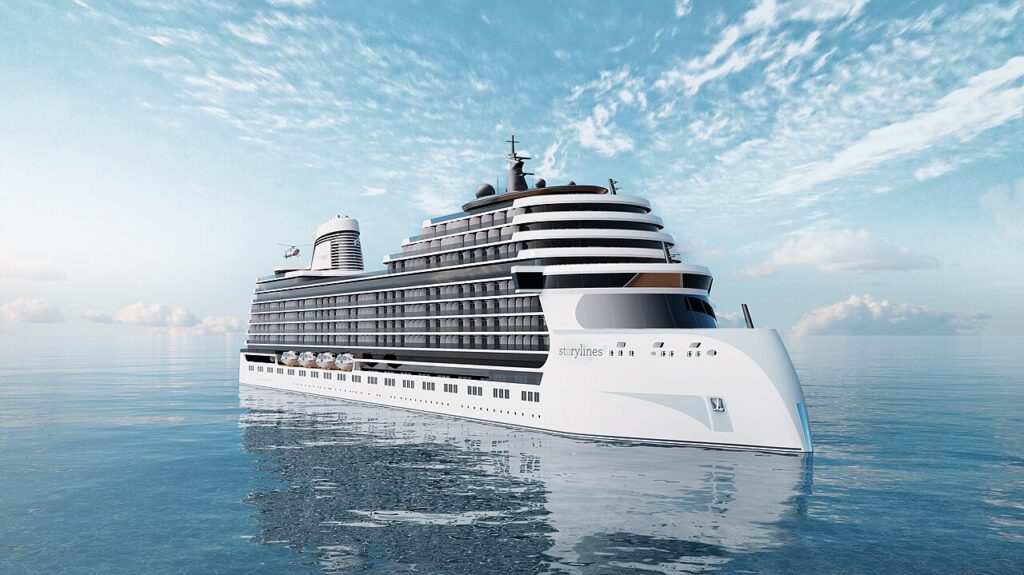
Storylines’ MV Narrative offers a more accessible luxury living option at sea, with residences starting at $875,000. This large contemporary superyacht has 547 residences spread over 18 decks. Residents can choose to lease rather than buy, making this an attractive option for those not ready to commit fully.
The MV Narrative is well-equipped for relaxation and entertainment, featuring three swimming pools, 20 restaurants, a 10,000-book library, and even its own microbrewery. Other inclusions include laundry services, high-speed WiFi, premium satellite TV, and regular health check-ups with onboard medical staff.
For families, the MV Narrative is particularly appealing. It offers a comprehensive ‘world schooling’ program with onboard teachers providing field trips, tutoring, classes, and clubs, making it an ideal environment for children to learn while travelling the world.
Each of these ships provides a distinctive approach to living at sea, catering to a range of budgets and lifestyles, from the ultra-luxurious to the more practical. They ensure a floating home for nearly anyone dreaming of a life on the ocean.
7. Njord by Ocean Residences
Njord is set to launch in 2025 and is all about luxury. It offers apartments from two to six bedrooms, with the biggest ones being 9,000 square feet. Just to give you an idea, that’s much larger than the usual 130-square-foot rooms on most cruise ships.
The yacht will be equipped with stylish furnishings, high-end kitchen appliances, and smart home technology. Onboard, there are seven restaurants, a large spa and fitness area, a hospital and medical centre, a cinema, a games room, arts and crafts studios, and even a kids’ club. There are also two swimming pools, including one infinity pool at the back.
Starting prices for these luxury apartments are $8.5 million, clearly aimed at very wealthy individuals.
8. MS Dark Island
Dark Island’s launch is planned for 2026. It aims to offer unique travel experiences, complete with educational talks and field trips led by experts related to each destination.
The ship will have 101 luxury suites, each with its own balcony, available in one—to three-bedroom layouts. Dark Island also focuses on being environmentally friendly and incorporating sustainable practices.
How Much It Costs To Live on A Cruise Ship
The cost of buying an apartment on a residential cruise ship ranges from $1 million to $14 million. In addition, there are annual fees between $60,000 and $300,000. Alternatively, cruising year-round on traditional cruise ships might cost around $35,000 per year if you opt for a basic package.
Residential cruise ships are pricey because they are like luxury ships and offer an exclusive experience. You’re also buying an asset that you could potentially sell later.
It’s hard to compare costs directly since each ship offers different service levels, depending on how long you plan to live there. For comparison, here’s a look at the estimated costs of living aboard various ships and cruise lines over ten years:
Cost Comparison for Living on Cruise Ships Over 10 Years:
| Type | Cruise line/ship | Purchase price | Fees (10 years) | Taxes (10 years) | Tips (10 years) | Drinks (10 years) | Estimated WiFi cost | Total cost for ten years (2 people) | Asset value after ten years |
|---|---|---|---|---|---|---|---|---|---|
| Cheap cruise | Carnival | n/a | £156,000 | £127,750 | £52,925 | £219,000 | £70,000 | £1,251,340 | £0 |
| Mainstream cruise | Royal Caribbean | n/a | £360,000 | £58,400 | £56,300 | £325,000 | £66,000 | £1,731,400 | £0 |
| Luxury cruise | Regent Seven Seas | n/a | £2,190,000 | £0 | £0 | £0 | £0 | £4,380,000 | £0 |
| Residential | MS The World | £3,000,000 | £1,000,000 | Included | Included | Included | Included | £4,000,000 | £3,000,000 |
| Residential | Somnio | £11,000,000 | £1,000,000 | Included | Included | Included | Included | £12,000,000 | £11,000,000 |
| Residential | Villa Vie | £99,999 | £419,880 | Included | Included | Included | Included | £519,879 | £99,999 |
| Residential (lease) | Victoria Majestic | £10,000 deposit | £576,000 | Included | Included | Included | Included | £606,000 | £30,000 |
| Residential | MV Narrative | £1,000,000 | £650,000 | Included | Included | Included | Included | £1,650,000 | £1,000,000 |
Notes: The costs for each option are based on the cheapest accommodation using reported figures. Prices are estimated and may vary.
Live On a Cruise Ship Cheaply
Life At Sea’s Three Year World cruise is the most budget-friendly long-term living option on a cruise ship. Starting at £29,999 per person per year, it includes everything you need. Monthly payment options are also available, starting at £5,227, which could be manageable for many, such as digital nomads.
Benefits of Life at Sea include:
- Free visits for family and friends
- Medical consultations
- Business Center Access
- Alcohol with dinner
- All port fees and taxes
- High-speed internet
- Laundry and housekeeping
- All entertainment and seminars
If you prefer traditional cruise lines, you can still find ways to save. Opt for the cheapest lines like Carnival or MSC Cruises. A typical cheap fare on a Carnival cruise might involve basic accommodations and meals but exclude internet and drinks outside of meals.
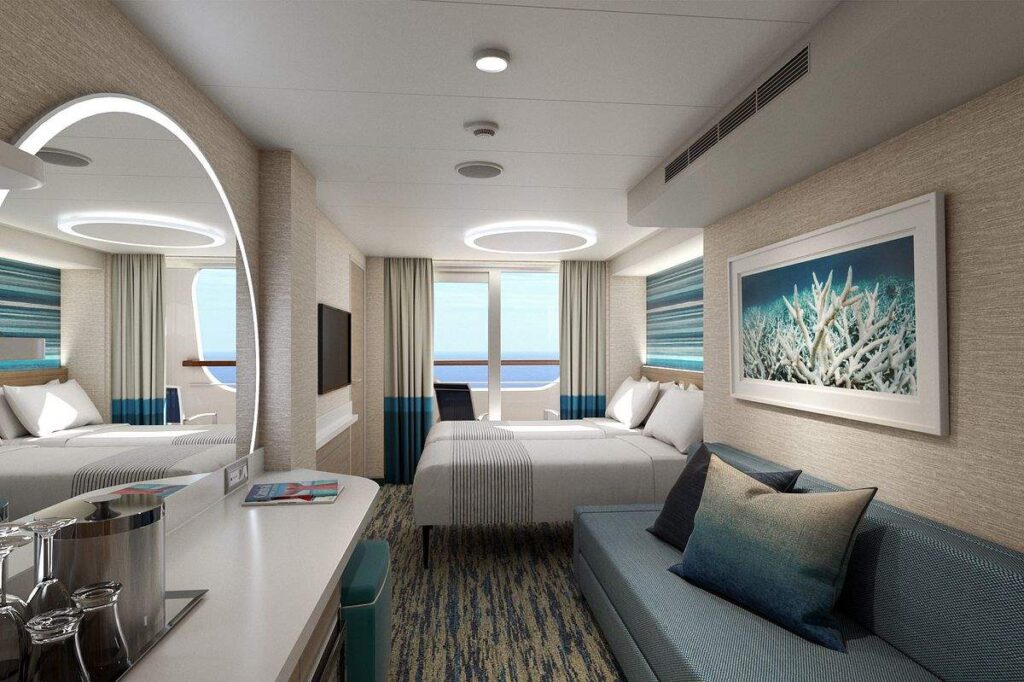
Choosing this budget-conscious lifestyle means enjoying the free entertainment and meals included with your fare, but it lacks some of the amenities of more expensive options.
In summary, while the Life at Sea cruise offers a lot for less, traditional cruise lines provide familiarity but might require more careful planning to avoid extra charges.
Can You Live On A Cruise Ship For Free?
The most budget-friendly way to live on a cruise ship is actually to work on one. Although it’s not the leisurely cruise life you might imagine, it does mean your accommodation and meals are covered, and you earn a salary. However, the trade-off is working six or seven days a week with long hours and very few days off.
If you’re considering this option, many entry-level cruise ship jobs require no prior experience.
For those in higher positions, like ship captains or cruise directors, there might be a chance to have family stay onboard. This isn’t a common practice, and officers usually live on the ship alone. But if one partner has a career as a senior officer, you might have a shot at living on the ship together for free!
Comparing The Cost of Cruise Ship Living With Other Options
Living on a cruise ship is like travelling the world and experiencing new cultures and adventures. But let’s compare the costs to traditional living:
Is it cheaper to live on a cruise ship than in a house?
Interestingly, it costs about the same to live on a cruise ship as it does to maintain a typical household.
In the UK, where the average cost of living is about £2,200 per month ($2,650), this is similar to the $2,500-$3,000 per month you might spend living on a cruise ship. In the US, where the average monthly cost is $3,200, living on a cruise can be slightly cheaper or comparably priced.
Living on a cruise ship could be more cost-effective in pricier areas like London or New York, where monthly costs can soar to $3,800 and $5,100, respectively.
Is living on a cruise ship cheaper than in a nursing home?
Living on a cruise ship tends to be cheaper than residing in a nursing home. In the UK, the average monthly cost for a care home is around £3,550 ($4,250); in the US, it’s significantly higher at about $7,900. Cruise ship living starts at about $2,500 per month.
If you need care but it’s not specialised (something a family member could provide), you might find it cheaper to pay for two people on a cruise rather than one person in a care home.
| Accommodation Option | Monthly Cost for 1 Person Plus Carer |
|---|---|
| Nursing Home in the UK | $4,250 |
| Nursing Home in the US | $7,900 |
| 3-Year World Cruise (Life At Sea) | $5,000 |
| Mainstream Cruise (Carnival) | $5,800 |
| Luxury Cruise (Regent) | $36,500 |
However, consider the additional costs of travel insurance and potential medical expenses. Cruise ships have medical facilities, but serious health issues would require land-based hospital care, and onboard medical services can be expensive.

While it might be more affordable, you need to carefully consider your health and insurance needs before choosing to live on a cruise ship.
Things To Consider When Living On A Cruise Ship
When living on a cruise, you nemustonsider two main tax issues. First, traditional cruise bookings may not include taxes and fees, so factor these into your budget. Second, if you work while cruising, you must follow tax laws from your home country. For example, you might avoid taxes in the UK by not residing in the country for over half the year.
Next, regular travel insurance won’t cover long-term cruise living. You’ll need a specialised health insurance plan, which can be significantly more expensive.
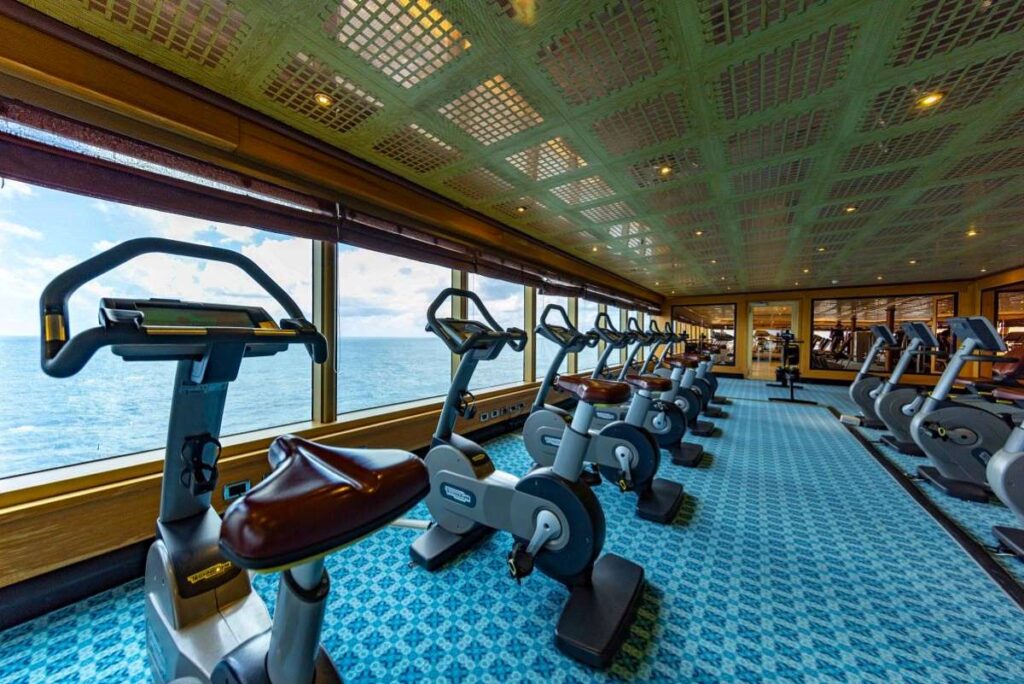
Also, staying healthy on a cruise requires effort. While there’s usually a doctor onboard, medical visits can be costly, and most ships don’t offer dental care. Consider eating healthier options and using the ship’s gym to stay in shape.
Lastly, handling mail can be tricky on a cruise. You might arrange for mail to be held at a port agency or use a post box at a regular port of call.
Living on a cruise ship is realistic but requires substantial financial planning. You’ll need at least $3,000 per month, potentially more, if you plan to live solo.
Today’s Top Cruise Deals
See today’s best deals from ALL travel agents
Choosing a cruise designed for long-term living can provide comfort and affordability compared to ultra-luxury options. This lifestyle offers a unique retirement possibility, combining travel with convenience and care. Are you considering making a cruise ship your home?
This Man Ditched Rent for a Floating Apartment – And It’s Cheaper Than You’d Think
Austin Wells snapped up a studio on MV Narrative—a cruise ship designed as a permanent floating community.
The 31-year-old from San Diego won’t just be cruising for a few weeks—he’s moving in full-time. With over 500 private residences, MV Narrative is like a luxury neighbourhood at sea, complete with restaurants, bars, a cinema, and even a bowling alley. It’s basically a floating city, and for Wells, it was a no-brainer.
How Much Does It Cost to Live on a Cruise Ship?
You’d think living on a cruise ship would cost a fortune, but Wells reckons he’s saving money. A one-bedroom flat in San Diego goes for around $2,500 (£2,010) per month, whereas his studio on MV Narrative will cost him about $2,000 (£1,608) per month. Not bad considering he gets ocean views and doesn’t have to book flights to see the world.
Of course, there’s an upfront cost—he forked out $300,000 (£238,000) for a 12-year lease. That’s a fraction of the ship’s most expensive residences, which can set buyers back a cool $10 million. Prices have likely gone up since Wells made his purchase, but Storylines (the company behind MV Narrative) claims these apartments are a “rare investment opportunity” with high resale value.
What’s Life Like on MV Narrative?
If you’re picturing a tiny cabin with a porthole, think again. The ship offers everything from compact studios to four-bedroom apartments, all fully furnished and customisable. Wells’ studio is 237 square feet and comes with a desk, pantry, foldaway bed, and shower room—perfect for his remote work lifestyle.
But it’s not just about the apartments. Residents get access to a microbrewery, a farmers’ market, a spa, swimming pools, and even a bank. There’s also a gym, 24-hour room service, and private kitchens for those who prefer to cook. Basically, it’s a cruise ship that never stops cruising.
When Will MV Narrative Set Sail?
Right now, MV Narrative is still under construction in Croatia, with a launch date set for 2027. The ship will be powered by liquefied natural gas and will embark on a never-ending three-year global journey.
For Wells, the biggest draw is that he doesn’t have to change his daily routine to travel. “I don’t have to pack a bag, book a flight, or rent a room,” he told CNBC. “My condo, my gym, my doctors and dentists, all of my grocery stores—travel the world with me.”
Not a bad way to see the world, is it?
Today’s Top Cruise Deals
See today’s best deals from ALL travel agents
You Might Also Like to Read…
- Why People Are Paying $250k to Live on a Cruise for Four Years
- The 5 Best Cruise Lines to Work For
- Meet the First Dog-Friendly Cruise – and Why It’s Dividing Opinions
Thanks for reading!
I'm Kat, and I've been cruising for as long as I can remember — now I get to carry on the tradition with my own family!
If you enjoy my cruise tips, be sure to follow me on social media for more...