If you thought cruise scams were a thing of the past, think again. Lately, I’ve been hearing from far too many cruise passengers caught out by some sneaky new tricks. Even a good friend of mine stumbled upon one on her latest trip.
Scammers are clever, and it’s easy to fall for their tactics. In fact, cybersecurity company McAfee found that nearly 30% of travellers fell for a travel scam last year. So, let’s dive into the latest cruise scams and, more importantly, how to make sure you don’t become a victim.
Fake Travel Agents Offering ‘Too Good to Be True’ Deals

Cruise demand is skyrocketing, and prices are climbing—so, of course, we’re all looking for a great deal. Scammers know this and have set up fake travel agent websites and social media pages, offering irresistible cruise discounts.
Take the case of a group of Florida residents who thought they’d scored a bargain on a Royal Caribbean cruise to the Bahamas. They found a deal on Facebook, sent a $100 deposit via CashApp, and paid the remaining $523 in instalments the same way. When they arrived at the port, they discovered their reservation was fake. No booking. No cruise. Just money gone.
So how do you avoid getting scammed while still grabbing genuine deals? Here are three simple steps:
- Research the agent – If you haven’t heard of them, look for reviews on sites like Trustpilot. A quick search can reveal if others have been burned.
- Never pay via cash transfer apps – A legitimate travel agent should accept credit cards, which offer fraud protection.
- Verify your booking – The moment you receive a reservation code, enter it on the cruise line’s official website. If it doesn’t work, something’s wrong.
Related Reading: Carnival Cruise Line Passengers Targeted by Sophisticated Scam
Beware of eVisa Scams
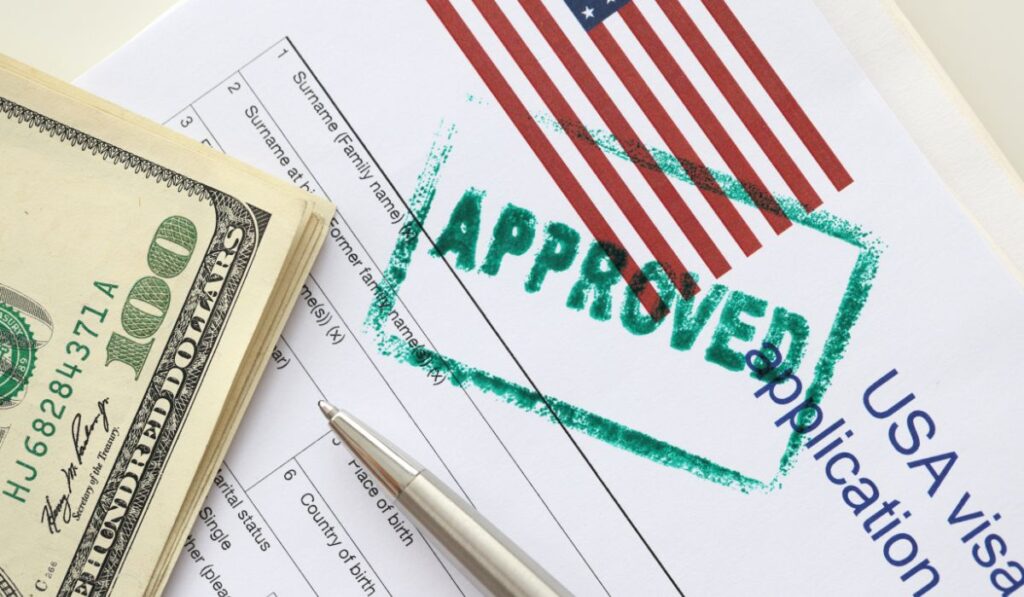
If your cruise visits countries like the U.S., Canada, or Australia, you may need an eVisa or travel authorization, but requirements vary by country and entry method. With the UK implementing an ETA system in 2025 and the EU launching ETIAS later that year, even more cruise passengers will soon need to apply online before travel.
Scammers are already setting up fake visa websites that charge extra fees—or worse, steal your personal details. These fake sites often appear in search results and may look legitimate, using official-sounding names and similar branding. Some even claim to offer ‘fast-track’ services or ‘priority processing’ to justify additional fees, but in reality, they provide nothing extra.
When applying, make sure you only use official government websites. A good practice is to check the official government website for the country you’re visiting and use the links provided there.
If you need a full visa (say, for a stop in China), a legitimate visa service can be helpful. Reputable visa agencies recommended by cruise lines or travel companies can simplify complex applications. However, for simple eVisas, you don’t need a middleman—apply directly through the official website to avoid unnecessary fees and risks.
The Cruise Duck Scam

The tradition of hiding rubber ducks around cruise ships has taken off, but so have scams surrounding it.
Scammers post in Facebook cruise groups claiming they have extra ducks they can’t use due to a cancelled trip. They offer to send them for ‘just the cost of postage’—which turns out to be ridiculously high. Of course, once the money is sent, no ducks arrive.
Some scammers go a step further, claiming to sell ‘customized’ cruise ducks with special engravings or messages. They ask for upfront payment via cash transfer apps, promising limited edition designs or bulk discounts, but nothing ever arrives. Others request your personal information, including addresses, under the guise of needing it for shipping, which can lead to identity theft risks.
To avoid falling for this scam, always purchase cruise ducks from reputable online retailers or bring your own. If buying from an individual in a group, request proof of ownership, such as a photo with a timestamp or tracking information, before sending money.
Cruise Port Scams
Cruise ports are exciting, bustling places full of new sights, sounds, and experiences. But they’re also prime hunting grounds for scammers who know exactly how to take advantage of unsuspecting cruisers. Think about it—we’re only in port for a few hours, eager to explore, often unfamiliar with local customs, and usually carrying cash. It’s the perfect recipe for tricksters looking to make a quick buck.
Here’s a rundown of the most common cruise port scams—and how to make sure you don’t fall for them:
The ‘Handmade’ Art Scam

Street markets in port cities are full of tempting souvenirs, but some aren’t as authentic as they seem.
A friend of mine recently witnessed this in Paris. A supposed artist was selling beautiful watercolour paintings near the Eiffel Tower, complete with an untouched paint set to ‘prove’ he’d created them. A few fellow cruisers bought two paintings for €30 each—only to find the exact same prints in a souvenir shop later for €3 each.
This scam is widespread in many tourist hotspots. Fake artists often set up in high-footfall areas, using carefully placed props like easels, paintbrushes, and palettes to appear authentic. Some even demonstrate a few brushstrokes while talking to potential buyers to add credibility to the illusion.
To avoid falling for this scam, observe the ‘artist’ for a while before purchasing. Check if their materials look used, and compare their work to what’s being sold in nearby souvenir shops. If they have an extensive collection of nearly identical pieces, it’s a red flag that they may be mass-produced prints rather than original artwork.
Moral of the story? If something seems too perfect, it probably is. Always do a little extra digging before handing over your money.
The ‘Free Resort Day Pass’ Trap

This one is spreading fast, especially in the Caribbean and Mediterranean. At some cruise ports, scammers offer ‘free’ day passes to luxury resorts, including transportation, drinks, and food—if you agree to attend a short presentation.
That presentation? A high-pressure pitch for an expensive travel club, complete with hefty upfront fees and ongoing costs. Many cruisers sign up under the influence of ‘complimentary’ cocktails, only to realize later they’re locked into a contract with no way out.
These scams often target first-time cruisers or those unfamiliar with the area. The scammers may present themselves as official port representatives, even wearing uniforms or badges to appear legitimate. They also pressure participants by offering ‘limited-time deals’ or suggesting the offer is exclusive to cruise passengers.
If someone offers you a free resort pass, assume there’s a catch. If you choose to attend, bring a clear exit strategy—such as a firm refusal to sign anything without reviewing it later. Also, verify the resort’s legitimacy by checking online reviews before committing to anything.
Fake Tickets
If a deal seems too good to be true, it probably is—especially when it comes to tickets in cruise ports. A classic scam preys on tourists desperate to visit top attractions, offering them “exclusive” or “sold-out” tickets through a “friend.”
I came across a story about a tourist in Kuala Lumpur who fell for a classic ticket scam. While chatting with their taxi driver, they mentioned wanting to visit the Petronas Towers but were disappointed that tickets had sold out. The driver quickly reassured them—he had a friend who could get exclusive access. It seemed like a stroke of luck, so they handed over the cash. But when they arrived, they realised the tickets were completely worthless.
The lesson? Never buy attraction tickets from taxi drivers, street vendors, or “helpful” strangers. Always book through official websites or ticket offices, even if it means missing out. It’s better to plan ahead than to be left out of pocket!
Taxi Scams

Taxis in cruise ports can be a lifeline when you want to explore independently, but they can also be a fast track to getting scammed. The reality is that some taxi drivers see cruise passengers as easy targets—people who are in a rush, unfamiliar with local prices, and unlikely to return. Here are some of the most common taxi tricks to watch out for.
The Per-Person Pricing Trick
You agree on a price, hop in, and enjoy the ride—only to be told at the end that the price was per person, not for the whole journey. Suddenly, what seemed like a reasonable fare has doubled. Always confirm the total price before getting in, and if possible, clarify with a written note or fare chart.
The No-Change Scam
A classic move: you hand over your money, and the driver suddenly has no change. Now you’re either overpaying or frantically trying to break a note at the last minute. The fix? Carry small bills and coins, especially in ports where taxis operate on cash only.
The No-Return Trick
If you arrange for a driver to pick you up later—say, from a beach or a tourist site—they might insist on full payment upfront to “guarantee” your ride back. Surprise, surprise, they never return. If you must pre-pay, use an official taxi service or pay only a small deposit, not the full fare.
The Kickback Tour
Sometimes, a taxi driver offers to take you on a ‘fantastic’ island tour. What they don’t mention is that half the stops will be at shops, restaurants, or beach clubs where they earn a commission. Instead of seeing the highlights, you’re dragged from one overpriced, mediocre spot to another. If you book a taxi tour, set your itinerary in advance and make it clear that you don’t want shopping detours.
The “I Know a Better Place” Trick
You’ve researched a great beach club, restaurant, or attraction, but your driver insists they know somewhere much better. You arrive to find an overpriced tourist trap, and the driver gets a nice kickback for bringing you there. Unless you’re feeling adventurous (and don’t mind wasting time), stick to your original plan.
The best way to avoid these scams? Always agree on the fare upfront, carry small bills, and trust your gut. If something feels off, walk away and find another taxi—there’s always another one waiting in a busy cruise port!
Rental Car & Scooter Scams in Cruise Ports

Hiring a car or scooter in a cruise port can be a great way to explore on your own—but it can also leave you with a nasty surprise on your credit card. One of the most common scams? Being charged for “damage” you didn’t cause.
I read about a traveller who rented a car in Edinburgh to explore their mum’s hometown. They carefully checked the car when picking it up and again when dropping it off, leaving it in the parking lot as agreed. But a few days later—bam! A £700 charge appeared on their credit card for supposed damage. It took months of back-and-forth (and help from their credit card company) before the rental company finally backed down.
This scam happens all over the world. The fix? Take a video of the vehicle when you collect it and when you return it, making sure to capture every angle. That way, if they try to pin anything on you, you have proof. It might feel over the top, but 10 seconds of filming could save you hundreds!
The “Free Gift” Scam – Nothing is Ever Free in a Cruise Port

If someone in a cruise port offers you a free gift, here’s a solid rule: don’t take it. What starts as a kind gesture quickly turns into an aggressive demand for money—or worse, a distraction for pickpockets.
I came across a story from a traveller on a Nile River cruise who witnessed a common scam in action. A woman she met was handed a small bracelet as a “gift,” but the moment she accepted it, the vendor became pushy, demanding she either buy something more expensive or pay for the so-called free item. A similar trick was reported in Spain, where a tourist was given a sprig of lavender by a street vendor. Moments later, they were pickpocketed—turns out, the scammer (or an accomplice) had been watching where they took out their money.
If someone tries to hand you something in a port market, just keep your hands to yourself and walk away. It might feel rude, but it’s far better than getting scammed!
Pickpockets & Distractions

Cruise ports are prime hunting grounds for pickpockets. With thousands of distracted tourists walking around, they don’t need to try too hard. A bump here, a distraction there, and suddenly—your wallet or phone is gone.
One of the oldest tricks? The Big Spill Scam. I saw this happen on an MSC Cruises tour. A guy in our group had someone “accidentally” spill gelato on him. Before he could react, the stranger was all over him, apologising and wiping him down with tissues. But their real goal? To pickpocket him in the process. Luckily, he was prepared—his money and cards were safely tucked away in a money belt under his shirt.
Pickpockets also thrive in crowded tourist areas—narrow streets, packed markets, and busy attractions. If you’re reaching for cash, keep small bills separate from your main stash so you’re not flashing everything at once. And if anyone spills something on you, don’t let them “help” clean it up—just walk away and check your belongings. Stay aware, and you’ll avoid becoming an easy target!
The Costumed Photo Scam

Cruise ports are full of photo opportunities, but some come at a much higher price than expected. In places like Rome, men dressed as Roman Centurions hang around major tourist sites like the Colosseum, happily posing for photos with cruisers—until it’s time to pay.
If you try to give them a small tip, be prepared for trouble. These guys don’t take kindly to €5. In one case reported by The Times, a tourist was forced to withdraw €200 from an ATM after the Centurions turned aggressive. Another visitor tried to offer €40, only to have them demand more and even get physical.
The rule here is simple: if you want a photo with a costumed character, agree on a price first.
The Phone Theft Trick

A beautiful cruise port, a stunning backdrop—you want the perfect photo. A friendly stranger offers to take it for you. Seems harmless, right? Not always.
In some ports, scammers lurk around popular photo spots, waiting for tourists to hand over their unlocked phones. The moment you do, they take off running, leaving you phoneless in a foreign country. Even worse, if they’ve seen you enter your passcode, they can access your personal info before you even have time to lock it remotely.
To avoid this, only ask fellow cruisers or tour group members to take your photo. And if a random stranger insists on helping, politely decline and keep a tight grip on your phone—better safe than sorry!
Fake Goods & Shopping Scams

Shopping in cruise ports can be fun—until you realise that designer handbags, luxury watches, or “handcrafted” souvenirs aren’t quite what they seem. Some stores take advantage of the fact that once your ship leaves, there’s no way to return and complain.
Take the case of a traveller who purchased an expensive watch in Jamaica, only to discover back on the ship that it wasn’t working. With departure looming, they called the store, but the staff refused to help—no refund, no fix, just an expensive mistake.
In another instance, a shopper bought a high-end handbag, only to later realise the shop assistant had swapped it for a cheaper version while distracting them with friendly conversation. By the time they noticed, it was too late to do anything about it.
Then there’s the classic fake luxury goods scam—Rolex watches, Cuban cigars, and “rare” handcrafted souvenirs that turn out to be mass-produced trinkets found in every stall. If you’re planning to buy something, check it carefully, never let a shop assistant repackage it out of sight, and remember: if the deal seems too good to be true, it probably is!
Currency Exchange
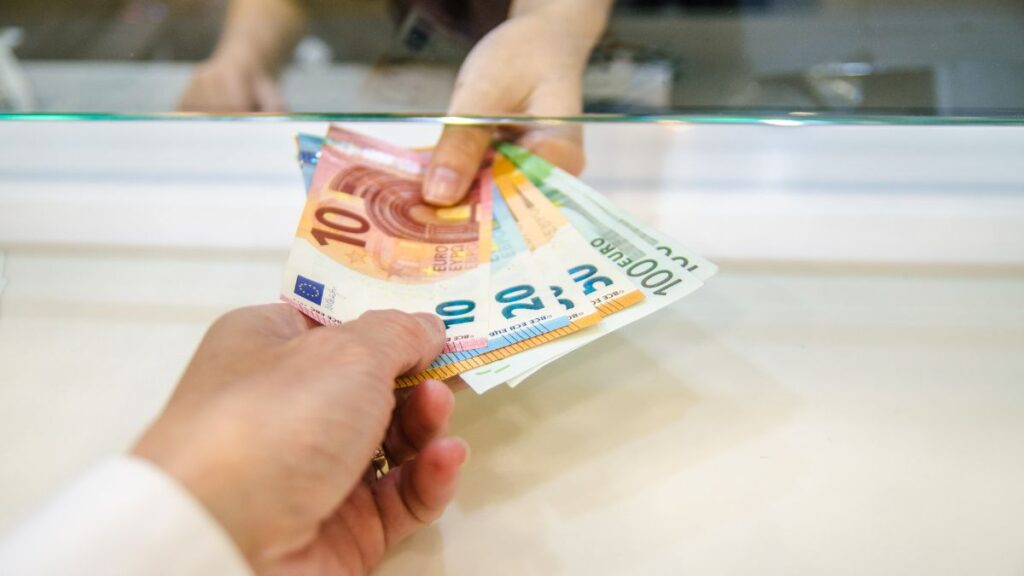
One of the easiest ways to get scammed in a cruise port? Overpaying because you didn’t check the exchange rate. Some shops, especially in countries where tourists aren’t familiar with the local currency, take full advantage of this.
Take the case of a traveller shopping in Buenos Aires. They spotted some shirts they liked, and the store quoted a price that seemed reasonable. Not wanting to appear untrusting, they skipped checking the exchange rate and handed over their credit card. Big mistake. When their bill arrived weeks later, they realised they had been charged almost triple what they expected.
Always check the exchange rate before making a purchase—apps like XE make it easy. And if you’re paying by card, double-check the amount before approving the transaction. A few seconds of caution could save you a very expensive surprise later!
Stay Scam-Free on Your Next Cruise
Cruising should be fun, relaxing, and stress-free. The best way to keep it that way? Stay informed, be sceptical of ‘too good to be true’ deals, and double-check everything before handing over your money.
A little awareness goes a long way. Whether it’s avoiding dodgy taxi drivers, being cautious with your phone, or keeping an eye on currency exchange rates, the more you know, the less likely you are to get caught out. Scammers thrive on tourists who are in a hurry or too trusting—but now that you’re armed with these tips, you won’t be an easy target.
So, go out and enjoy your cruise, explore those incredible ports, and soak up every moment—just keep your wits about you while you do it! And if you’ve ever come across a cruise scam, share it in the comments—let’s help each other travel smarter.
Today’s Top Cruise Deals
See today’s best deals from ALL travel agents
You Could Also Read…
- Carnival Cruise Line Passengers Targeted by Sophisticated Scam
- 16 Best Walkable Cruise Ports You Don’t Need Excursions For
- These 11 Ports Are The Worst Places to Get Off The Cruise Ship
Thanks for reading!
I'm Kat, and I've been cruising for as long as I can remember — now I get to carry on the tradition with my own family!
If you enjoy my cruise tips, be sure to follow me on social media for more...