Stephen and Karen Ratchford, residents of Grimsby, Lincolnshire, were excited about their relaxing vacation aboard a P&O cruise departing from Malta on October 3, 2024.
However, just days into their holiday, the elderly couple discovered they had lost control of their mobile phone numbers, and fraudulent transactions were rapidly draining their bank accounts.
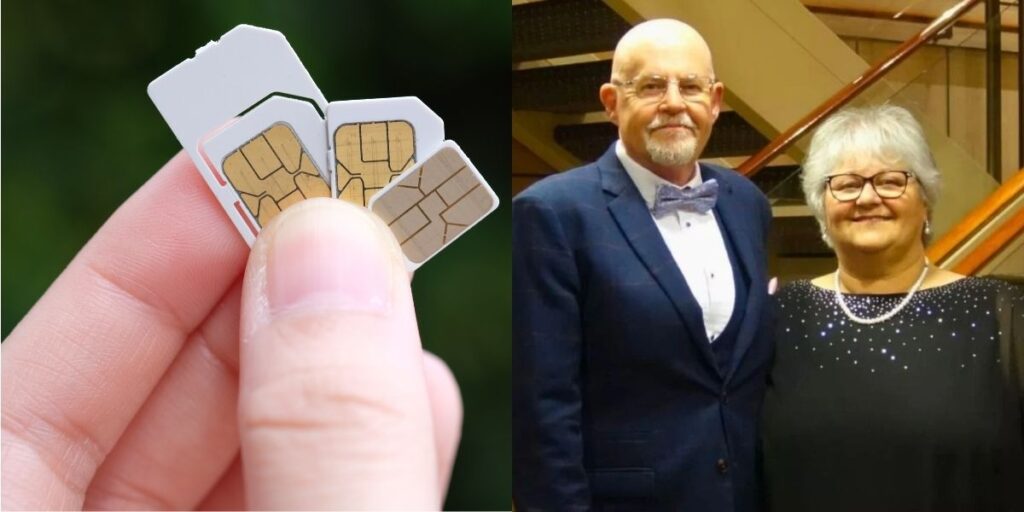
How SIM-Jacking Scam Unfolded
Sixty-four-year-old Stephen recalled the shocking moment while docked in Split, Croatia: “Some scammer got hold of new SIM cards with our numbers—which obviously meant we lost ours—and they had total control of our phone numbers,” he explained to the UK’s National Fraud Helpline.
SIM-jacking occurs when criminals use stolen personal data to impersonate individuals, contacting mobile providers to claim a lost or replaced phone and requesting a SIM swap. This transfers the victim’s phone number onto a new SIM card controlled by scammers, allowing them to bypass two-step verification, access emails, and gain control of bank accounts.
In this case, the scammers emptied the Ratchfords’ joint bank accounts, took out overdrafts, and fraudulently secured a substantial loan of $32,492 (£25,000) from HSBC. They also ran up a $195 (£150) bill on the couple’s mobile phone account using premium services.

Swift Action Prevents Further Damage
Realizing quickly what had happened, Stephen and Karen immediately alerted their banks and mobile providers. Their prompt action helped prevent further financial damage. Banks swiftly reversed the fraudulent transactions and cancelled the illicit loans and overdrafts.
The couple’s mobile provider, iD Mobile, also cleared the charges, issued a goodwill payment of around $97 (£75), and has since improved its security protocols.
Remarkably, Stephen noted he had never clicked on suspicious links or answered any dubious phone calls, highlighting how sophisticated these scams have become.
Expert Insights on SIM-Jacking
Martin Richardson, Director and Senior Partner at the National Fraud Helpline, explained, “SIM-jacking is a scheme where malicious parties transfer victims’ phone numbers onto new SIM cards, gaining access to incoming security codes necessary for compromising personal accounts and changing passwords.”
Richardson stressed the importance of immediate action upon discovering such scams, recommending that victims promptly contact their banks and mobile providers to halt unauthorized activities.
Travel-Related Scams on the Rise
The Ratchfords’ ordeal underscores a growing problem. According to a May 2024 report by McAfee, 28% of Americans have experienced travel-related scams. Incidents include fraudulent cruise bookings and large-scale swindles, such as a recent Florida-based scammer jailed for defrauding cruisers out of over $500,000.
Related reading: The Latest Cruise Scams You Need to Watch Out For
Protect Yourself: Key Security Tips
To minimize the risk of falling victim to SIM-jacking and similar scams, travellers should:
- Regularly update cybersecurity measures and remain vigilant.
- Limit personal information shared publicly on social media.
- Use dedicated authentication apps rather than text-based two-step verification.
- Set unique PIN codes with mobile providers to prevent unauthorized SIM swaps.
Following these proactive steps can help travellers safeguard their financial information, ensuring holidays remain enjoyable and secure.
Today’s Top Cruise Deals
See today’s best deals from ALL travel agents