
On January 13, 2012, the Costa Concordia, a gleaming symbol of Italian elegance at sea, struck a reef off the island of Giglio, tearing open her hull and sending chaos through the decks. It was one of the darkest nights in modern cruising history.
But what truly shocked the world wasn’t just the scale of the disaster. It was the actions of the man who should have been in control: Captain Francesco Schettino.
What happened to him after that night? How did the man once trusted to command a luxury cruise liner end up behind bars? The story of the Costa Concordia’s captain is one of ego, failure, and ultimate downfall, and it changed the cruise industry forever…
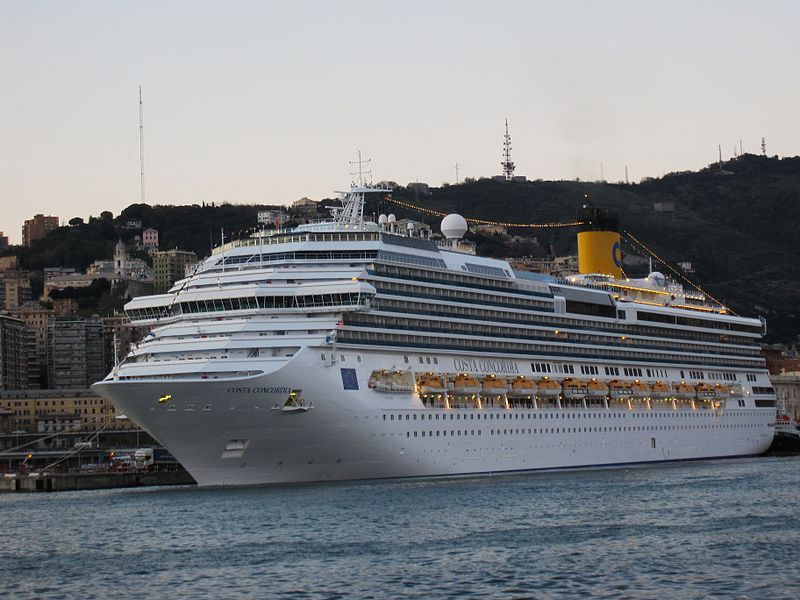
The Night That Changed Everything
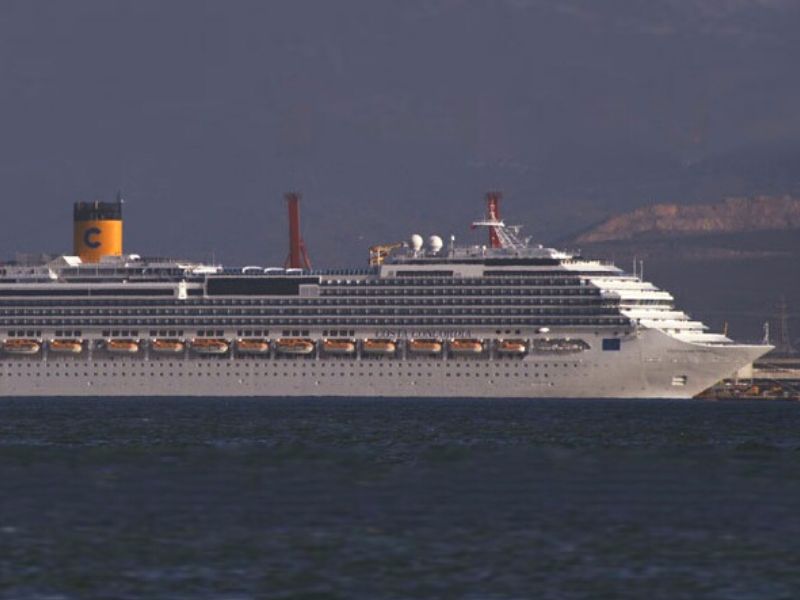
The Costa Concordia set sail from Civitavecchia, Italy, on what should have been a routine seven-night cruise around the Mediterranean. The 952-foot ship carried more than 4,200 people, a mix of families, honeymooners, and crew ready for a week of sun-soaked ports and Italian hospitality.
But at 9:45 p.m., just hours after departure, everything changed. As the ship approached the small Tuscan island of Giglio, Captain Francesco Schettino ordered a “sail-by salute”, a maneuver where the vessel sails unnervingly close to shore to “wave” at locals or honor someone watching from land.
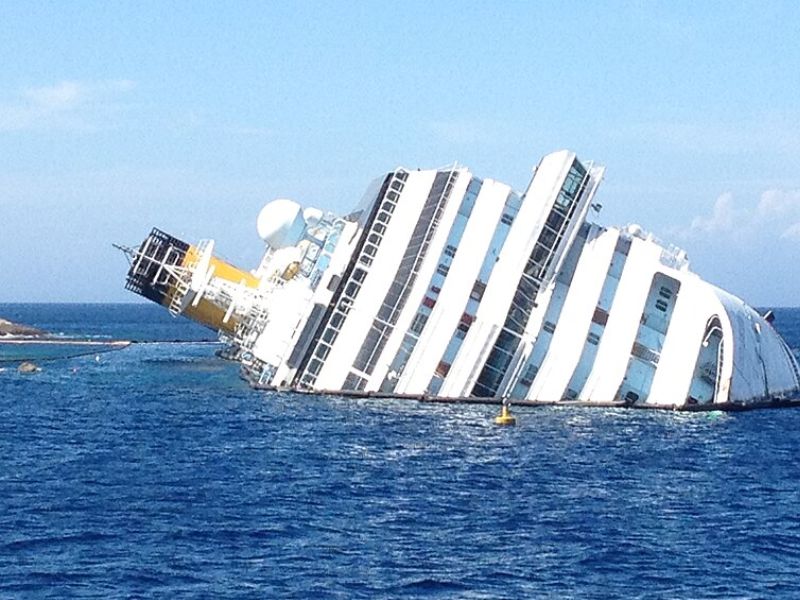
It was a dangerous decision. The ship struck a rocky outcrop, tearing a 160-foot gash in her hull. The impact cut power, flooded compartments, and sent passengers scrambling in panic as lights flickered and alarms rang. Within minutes, the massive cruise liner began to tilt dramatically to one side.
By midnight, the Costa Concordia lay half-submerged on its side, and a night of terror had begun.
The Captain’s Fatal Decision
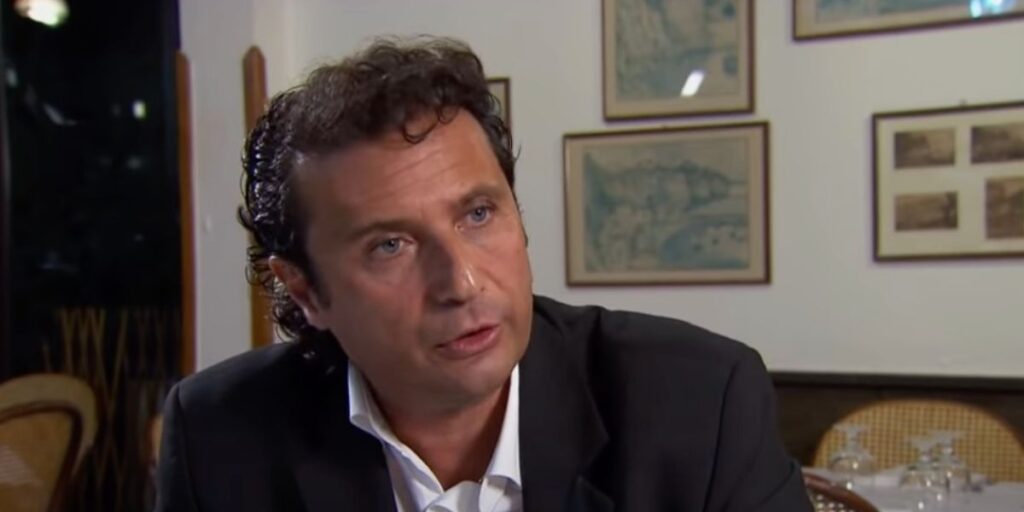
Captain Francesco Schettino’s decision to change the Costa Concordia’s course was not approved by Costa Cruises. The ship was meant to sail a safe, pre-planned route well away from the island of Giglio.
This unofficial maneuver was meant to impress. He wanted to show off the ship to island residents, especially to a retired captain who lived there. It was also rumored that Schettino wanted to delight passengers by giving them a dramatic view of the island at night.
He had performed a similar salute before, but this time he misjudged the distance. Schettino later claimed he was navigating by sight, confident he knew the local waters. That confidence would prove fatal.
Disaster on the Bridge
The moment the Costa Concordia hit the rocks, chaos erupted on the bridge. The ship shuddered violently, lights flickered, and alarms sounded as seawater began flooding the lower decks. Officers urged Captain Schettino to sound the general emergency alarm, but he refused.
He claimed he wanted to avoid causing panic among the passengers. That hesitation proved costly. Every minute that passed allowed more water to enter the ship, making the situation far worse.
Instead of alerting the coast guard immediately, Schettino tried to assess the damage himself and even told crew members that the ship was only experiencing an electrical fault. Passengers were left in confusion, some told to return to their cabins while others sensed something was terribly wrong.
By the time the coast guard was finally informed, precious time had been lost. The Costa Concordia was already severely tilting, and launching lifeboats was becoming nearly impossible.
The Moment He Abandoned Ship
As the ship continued to list and panic spread, passengers struggled to find lifeboats in the dark. Crew members were shouting conflicting instructions, and the ship’s tilt made it harder to move around. Amid the confusion, Captain Schettino made the decision that would define him forever.
At around 11:30 p.m., while hundreds of passengers were still trapped on board, Schettino left the ship. He later claimed he “fell” into a lifeboat when the vessel suddenly tilted, but few believed that story. Witnesses reported seeing him safely evacuated while families were still waiting to escape.
When the Italian coast guard realized the captain was no longer on board, they demanded that he return. The radio exchange between Schettino and Commander Gregorio de Falco has since become infamous. De Falco shouted the words that would echo around the world: “Vada a bordo, cazzo!” – meaning, “Get back on board!”
Schettino refused. He stayed on land, insisting it was too dark and unsafe to return. The coast guard offered him a way back, but he never took it. By dawn, the once-proud captain was standing on the shore, watching his ship sink.
The Trial and Sentence
In the months following the disaster, Francesco Schettino became one of the most despised figures in Italy. The media called him “Captain Coward” and “Captain Calamity.” For many, he represented everything a ship’s captain should never be.
Investigators quickly determined that his actions directly caused the Costa Concordia tragedy. He had ignored safety procedures, delayed evacuation orders, and left the ship before everyone was rescued. The Italian courts charged him with manslaughter, causing a maritime disaster, and abandoning passengers in distress.
The trial began in 2013 and lasted 19 months. It attracted international attention, with survivors, crew members, and coast guard officials all taking the stand. Schettino argued that he had been unfairly blamed and claimed that other crew members and Costa Cruises shared responsibility. The court disagreed.
In 2015, Schettino was found guilty and sentenced to sixteen years in prison. The sentence included ten years for manslaughter, five for causing the shipwreck, and one for abandoning the ship. Many families of the victims felt the punishment was too light, but it was still one of the harshest sentences ever given to a ship’s captain in modern history.
Appeals and Final Prison Term
After his conviction, Captain Schettino refused to accept the verdict. He claimed he was being made a scapegoat for a system-wide failure and immediately filed an appeal. While he remained free during the legal process, public anger never faded. Many Italians saw his appeals as proof that he still refused to take responsibility.
In 2016, the appeals court upheld the original 16-year sentence. Schettino then took his case to Italy’s Supreme Court of Cassation, hoping for a final reversal. That appeal also failed. On May 12, 2017, five years after the Costa Concordia sank, the Supreme Court confirmed his sentence in full.
That same day, Schettino reported to the Rebibbia prison in Rome to begin serving his time. He was 57 years old. His earliest possible release is in 2033, when he will be in his seventies.
Lessons Learned from the Costa Concordia
The Costa Concordia tragedy was a turning point for the entire cruise industry. In the years that followed, cruise lines across the world reviewed and upgraded their safety procedures to make sure nothing like it could ever happen again.
Costa Cruises took immediate steps to improve how emergencies are handled on board. Muster drills, which teach passengers where to go and what to do in an emergency, became mandatory before the ship leaves port. Bridge communication protocols were rewritten to ensure that no single person, not even the captain, can override safety systems or take unnecessary risks.
The disaster also led to major engineering changes. Ships were redesigned with improved watertight compartments and more accessible lifeboat deployment systems. Crew training became stricter, focusing on faster communication and more decisive emergency response.
The lessons from the Costa Concordia went beyond Costa Cruises. Every major cruise line took note, updating safety standards and reinforcing one simple truth: a captain’s authority must never come before passenger safety.
Final Word
The Costa Concordia disaster remains one of the most haunting moments in cruising history. It was a tragedy that could have been avoided, caused by one man’s reckless decision to show off instead of staying the course. Thirty-two people lost their lives, and countless others were forever changed by what happened that night.
Captain Francesco Schettino’s downfall is a powerful reminder of what can happen when ego replaces responsibility. His sentence ensures that he will never command another ship, but his story continues to echo through the industry as a warning to all who take the helm.
In the years since, cruise lines have learned hard but vital lessons. Safety drills are stricter, technology is smarter, and oversight is tighter than ever. Today’s cruisers can take comfort in knowing that the industry has evolved from tragedy, making cruising one of the safest ways to travel.
The Costa Concordia will always be remembered, not just for what was lost, but for what the world learned.
Today’s Top Cruise Deals
See today’s best deals from ALL travel agents
You Might Also Like…
Thanks for reading!
I'm Hannah and I've been cruising for as long as I can remember.
If you enjoy my cruise tips, be sure to follow me on social media for more...
