Ever wonder what crew members really think of passengers? The polite smiles, the cheerful greetings, it’s all part of the job. But behind the scenes? Some of your habits are driving them quietly mad.

Lucy from Cruising As Crew spent 10 years working on ships, and she’s seen it all. In this article, we’re sharing insights straight from Lucy’s experience, so you can cruise more thoughtfully and maybe make a few crew members’ lives a little easier along the way.
1. Asking About War, Disaster, or Politics in Their Country
You spot the name badge. It says Ukraine, Turkey, or Syria – somewhere you know has had difficult times.
Your instinct? To show concern. “That must be awful. How’s your family? Are they safe?”

As well-meaning as it might be, you’re not the first person to ask, you’re probably one of many that day. Crew members are already carrying the emotional weight of being far from home. Being forced to talk about tragedy over and over again doesn’t help. In fact, Lucy says many crew now lie about where they’re from just to avoid the questions entirely.
On top of that, the crew are expected to keep smiling, no matter how painful the subject. They can’t politely excuse themselves from the conversation. Instead, they have to nod, agree, smile, and then walk away. Then only to have the exact same interaction again moments later with someone else. In can easily add up to doing that 15 times before lunch.
If you really want to be kind? Just smile. Be friendly. Ask them how their day is going or what they recommend from the menu. Give them a break from the mental weight they’re already carrying, and you’ll be doing far more good than you realize.
2. Treating Crew Like They’re Robots

You walk into a shop, bar, or spa on the ship and say, “Get me this,” or “How much is that?”
No hello. No eye contact. No manners.
According to Lucy, this happens all the time. And while crew are trained to smile and get on with it, it doesn’t mean they enjoy being barked at like voice-activated vending machines. A simple “Hi, how are you?” goes a long way.
Keep in mind, these crew members might have already dealt with a dozen demanding guests before you. Some may be on their tenth hour of a shift, juggling requests, regulations, and responsibilities, all while staying cheerful. When someone finally treats them with a bit of kindness and respect, it stands out.
Want better service? Be nice. The friendly guests often get the best tips, the extra samples, the recommendations, and the crew going above and beyond to make their cruise amazing. The rude ones? They get the bare minimum, and no one’s in a hurry to help them twice.
3. Don’t Let Your Kids Run Wild

Cruise ships might feel safe, but they’re not playgrounds, and the crew aren’t babysitters.
Lucy shared stories of young children wandering into crew-only areas, completely alone. Not only is this dangerous (think heavy machinery, hot equipment, fast-moving staff), but it’s also a logistical nightmare. Crew can’t be alone with a child, so they have to stop what they’re doing, grab a colleague, and go on a mission to find the parents, all while keeping the child calm and safe in an area that wasn’t built for them.
There are also strict policies regarding crew interactions with minors. Many cruise lines require two staff members to be present anytime a child needs assistance, especially in private or crew-only zones. This means pulling multiple people away from their actual jobs to manage a situation that should never have happened.
Worse? When they finally reunite the child with Mom or Dad, the response is often: “Oh, they’re fine.” No, they weren’t. It’s not just about safety. It’s about respecting the fact that crew have jobs to do, schedules to follow, and guests to serve. Chasing down your 7-year-old and explaining basic parenting etiquette isn’t part of their job description.
Want your kids to have freedom onboard? Great. Let them explore within the rules and make sure they understand them, too.
4. Flirting Like You’re in a Reality Dating Show

A light-hearted compliment? Fine. A bit of friendly banter? No problem. But groping the bartender or making overly suggestive comments like you’re on a reality dating show? Absolutely not.
Lucy says one of the biggest issues is passengers, often older women, taking liberties with male crew. Grabbing, touching, and inappropriate jokes. Imagine the uproar if the roles were reversed. Crew can’t call it out without risking their job, so they’re forced to laugh it off, even if it makes them uncomfortable. Sometimes they even have to go along with the interaction just to avoid a complaint being made against them — yes, really.
Cruise lines have strict policies against romantic or physical relationships between passengers and crew, and breaking those rules can cost a crew member their jobs and seriously damage their career. Even if they don’t respond, just being seen in a questionable situation can lead to reprimands or termination.
Cruises are for relaxing and letting loose, yes. But there’s a line. If the crew member is backing away, avoiding eye contact, or giving short responses, that’s your signal to stop. Respect goes both ways, and if you wouldn’t say or do it to a stranger at a hotel or restaurant back home, so don’t do it on a ship.
Related reading: Do Cruise Ship Crew Hook Up With Passengers? Here’s What Really Happens
5. Going Straight to the Manager with Your Complaint

Something gone wrong? Food not quite right? Shop doesn’t have what you wanted?
Please don’t leap straight to the supervisor.
Lucy explained that crew would much rather you speak to them first. They might be able to fix the issue on the spot and avoid dragging their already-overworked manager into it. And here’s the kicker: even when the supervisor agrees with the crew member, the crew may sstill get a dressing down for “causing” the complaint.
Supervisors are usually juggling scheduling issues, staff support, inventory management, and guest escalations across multiple departments. Being pulled away to resolve something that could have been handled directly adds unnecessary stress and often leads to more scrutiny on the crew involved.
It’s not just about fairness, it’s about giving someone a chance to make it right before escalating. And if you wait until after your meal to say it was awful? Too late. Speak up while it’s happening, politely, and things are much more likely to be sorted quickly and calmly.
If the crew member genuinely can’t resolve the issue, they’ll often escalate it themselves and will usually advocate for you in the process. So trust them to try first. Everyone benefits when problems are handled with direct communication and mutual respect.
6. Picking on Their English

Most cruise ship crew speak two, three, even four languages. English usually isn’t their first, and Lucy says many are deeply insecure about making mistakes, even if their English is objectively excellent.
The worst thing you can do? Mock them, correct them harshly, or act like their accent is a problem. Communication is a two-way street, and let’s be honest, if the roles were reversed and you had to work 12-hour shifts in Tagalog or Hindi, how would you do?
It’s easy to forget just how hard it is to learn another language well enough to work in it full-time, especially in a job that requires constant interaction with people from all over the world. Crew are expected to understand dozens of accents, local slang, idioms, and cultural references, often without any formal training. That’s an incredible skill, not a shortcoming.
If you can’t understand something, it’s fine to ask again. Rephrasing your question or slowing down your speech can help more than you realize. And maybe remind yourself: if someone speaks multiple languages and you only speak one, you are not the superior communicator. You’re just lucky the conversation is happening in your language at all.
7. Removing Gratuities
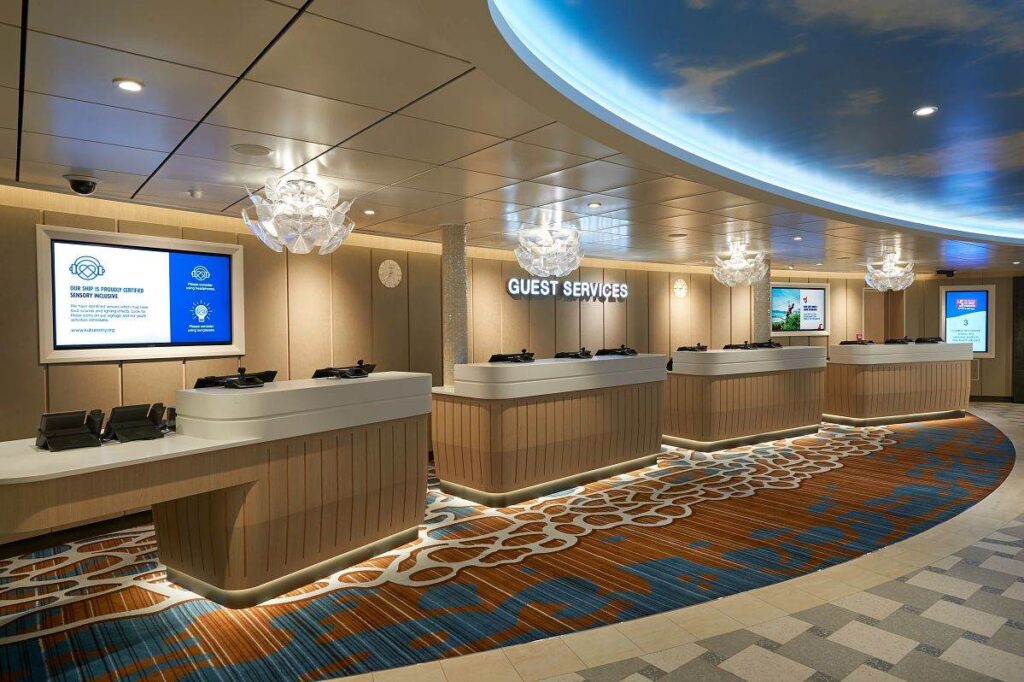
Think you’re doing the cruise line a favor by tipping in cash instead? Think again. If you take off the automatic gratuities, the total pool for all the behind‑the‑scenes crew shrinks, even if you hand extra cash to a few crew members.
Gratuities aren’t a bonus; on many lines they make up a large part of crew members’ pay. Most mainstream cruise lines keep your fare low by shifting part of the crew’s salary onto you, the passenger. When you remove gratuities, you’re not punishing the corporation; you’re slashing the paycheck of the person who cleaned your room, served your food, or kept your drinks topped up all week.
Many cruise staff come from countries where job opportunities are limited and rely on these gratuities to support families back home. These wages often help pay for their children’s school fees, healthcare, and basic living expenses. Cutting off that income because of a minor inconvenience, or to “make a statement” to the cruise line, has real-world consequences for someone working 10+ hour days, seven days a week, far from home.
Lucy puts it bluntly: removing gratuities is like slapping your housekeeper in the face. Budget for them from the start. And if someone gives you amazing service? That’s when you add a little extra, not when you deduct what they’ve already earned.
Related reading: The Truth About Tipping on a Cruise: What Crew Members Really Think
8. Skipping the Sink

You might not see it, but crew members definitely do, and nothing grosses them out more than passengers who don’t wash their hands.
Cruise ships are enclosed spaces, which means bugs like norovirus and gastrointestinal viruses can spread like wildfire. Lucy’s seen outbreaks where over 100 guests ended up isolated in their cabins for days, and crew had to work overtime disinfecting everything from handrails and elevator buttons to buffet tongs, menus, and even public furniture. All because a few people couldn’t be bothered to use soap.
Worse still, when illness spreads, it affects the entire operation of the ship. Crew are pulled from their normal duties to serve in emergency cleaning teams. Buffet service becomes crew-assisted. Entertainment is scaled back. Sometimes ports of call are cancelled. And yes, passengers complain even more, creating a knock-on effect of stress for everyone onboard.
Hand sanitizer is helpful, but it’s not a replacement for proper handwashing with soap and water, especially after using the restroom or before eating. Do both. If you’re worried about dry hands, bring a small tube of moisturizer or use one of the many hand lotion stations often available onboard.
A few seconds of soap and water might save someone’s entire vacation, or the sanity of the crew trying to hold the ship together.
If you would like to watch the whole of Lucy’s video, you can watch it here 👇
Final Thoughts: Don’t Be That Passenger
Cruise ship crew work long hours, far from home, with a smile that rarely slips — even when they’re dealing with rudeness, awkward questions, or guests who should really know better.
Lucy’s message is simple: most of this comes down to treating crew like people, not just part of the ship. A bit of kindness, empathy, and basic decency goes a long way. And honestly? You’ll probably get better service, too.
So next time you sail, be the kind of passenger the crew remembers for the right reasons.
Today’s Top Cruise Deals
See today’s best deals from ALL travel agents
You Might Also Like to Read





Thanks for reading!
I'm Kat, and I've been cruising for as long as I can remember — now I get to carry on the tradition with my own family!
If you enjoy my cruise tips, be sure to follow me on social media for more...