Santorini looks like a postcard come to life – whitewashed buildings, brilliant blue domes, and sunsets that practically demand a glass of wine in hand. It’s no wonder thousands of cruise passengers flock there every year, ticking off one of the Mediterranean’s most iconic stops.
But while visitors are busy snapping selfies on rooftops and browsing souvenir shops, something far more powerful is bubbling beneath their feet. This dreamy island sits on the edge of a massive underwater volcano, and scientists have just spent a month exploring whether it’s as peaceful as it looks.
Why Santorini Is a Cruise Favourite
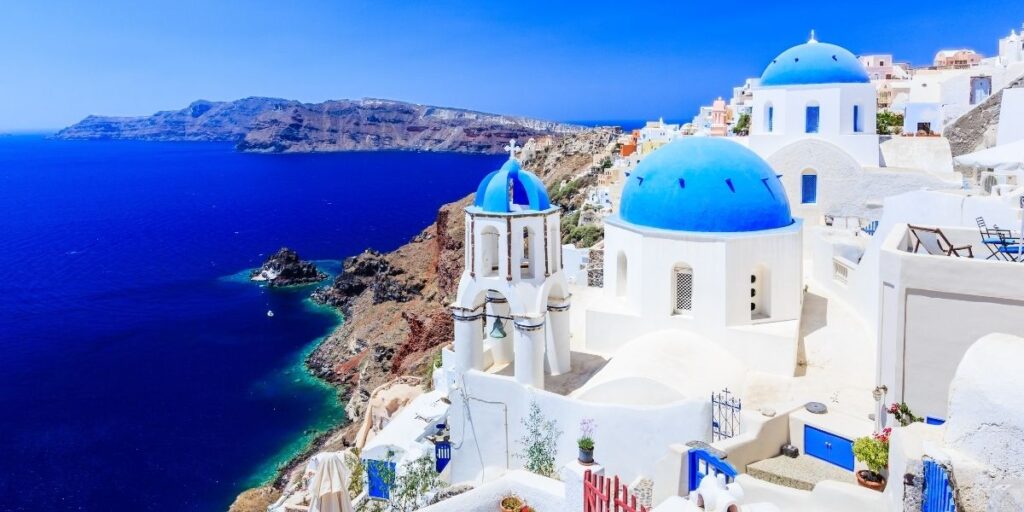
If you’ve ever cruised the Mediterranean, chances are Santorini was on the itinerary – and with good reason. The island’s unique beauty is thanks to its volcanic past, with villages perched dramatically along the caldera cliffs, offering jaw-dropping views in every direction.
Cruise passengers are whisked ashore by tender boats and greeted by winding cobbled streets, sun-drenched cafés, and that iconic cliffside panorama. Whether you’re riding donkeys, sipping Assyrtiko wine, or hunting down the perfect photo spot in Oia, it’s easy to see why Santorini is a bucket-list destination for so many.
The Sleeping Giant Beneath the Sea
Beneath all that beauty lies a dramatic origin story. Around 1600 BCE, a colossal volcanic eruption tore the heart out of the island, creating the flooded crater – or caldera – that defines Santorini’s landscape today. Some believe it even inspired the legend of Atlantis.
What most visitors don’t realise is that the volcano isn’t extinct – far from it. Santorini’s caldera is still active, and just 7km off the coast sits Kolumbo, a submarine volcano capable of unleashing serious power. It last erupted in 1650, and scientists say it’s just a matter of time before it stirs again.
The Earthquakes That Shook the Island
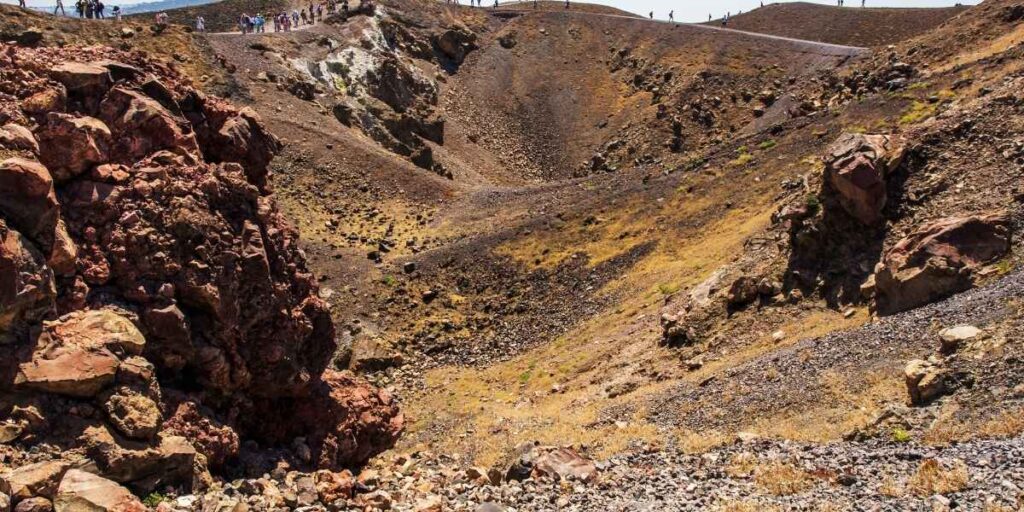
Earlier this year, Santorini’s peaceful charm was suddenly interrupted by a swarm of earthquakes. The tremors were strong enough to force nearly half of the island’s 11,000 residents to evacuate, and the tourist hotspot temporarily shut down.
It was a jarring reminder that this isn’t just a pretty place to watch the sunset – it’s a living, shifting part of the Earth’s crust. Two tectonic plates grind beneath the surface, and when they move, the island feels it. For locals and tourists alike, it was a wake-up call that the volcano isn’t sleeping quite as soundly as many thought.
The Mission to Investigate
Following the quake swarm, a team of international scientists boarded the RRS Discovery – a cutting-edge British research ship – to find out what’s really happening beneath Santorini. Their goal? To investigate the island’s volcanic plumbing system and look for signs of what might trigger the next big eruption.
Leading the mission was Professor Isobel Yeo, an expert in underwater volcanoes from the National Oceanography Centre. Using a robot the size of a small car, the team explored vents 300 metres below the surface, collecting gas samples, volcanic rocks, and even mysterious fluids leaking from the seabed. It’s the first time this level of research has been done here, and the findings could be crucial for early warning systems.
What They Found
What the scientists discovered was both fascinating and slightly unsettling. Beneath the waves, they found bubbling hydrothermal vents – cracks in the Earth’s crust where superheated water and gases escape. These vents are signs of an active volcanic system, and some of the rocks collected were laced with toxic substances like arsenic.
They also detected tiny earthquakes caused by fluids moving through the volcano’s inner workings – a sign that pressure could be building. Perhaps most intriguingly, there’s still a big question mark over whether seawater mixing with magma would make the next eruption more or less explosive. Either way, the researchers agree: it’s not a matter of if, but when.
Why It Matters for Cruise Passengers
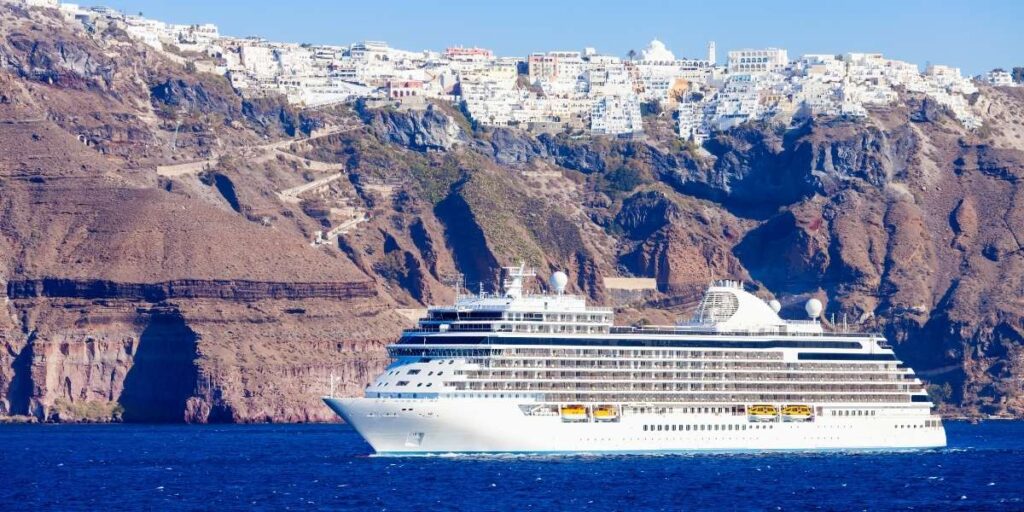
For cruise passengers planning a dreamy day in Santorini, this research might sound alarming – but don’t cancel your holiday just yet. Scientists aren’t saying an eruption is imminent. What they are doing is helping authorities prepare for the future, with better monitoring and clearer evacuation plans.
Volcanic ports aren’t unusual – Naples sits in the shadow of Vesuvius, after all – and cruise lines keep a close eye on safety. But knowing the risks means knowing the story behind the scenery. And in Santorini’s case, the view from the top of the caldera is even more breathtaking when you realise it was carved by one of the most powerful eruptions in history.
The Local Impact
For the people who live and work in Santorini, the recent earthquakes were more than just a scientific curiosity – they were a real-life crisis. Wedding photographer Eva Rendl left the island with her daughter when the tremors hit and says bookings have dropped, with nervous tourists cancelling their plans.
Local geologist Professor Paraskevi Nomikou, who grew up on the island, says this research is vital. Not just for scientists, but for residents who rely on tourism and need to know what to expect if the volcano stirs again. “We’re doing science for the people,” she says. “We want them to feel safe.”
Would You Still Go?
So, would you still visit Santorini knowing it’s built on the rim of an active volcano? For many, the answer is a resounding yes. The island’s beauty, history, and charm are enough to outweigh the distant (but very real) risk.
In fact, some visitors are drawn to the drama. Newlyweds Tom and Kristina travelled from Latvia just to get married with the volcano as their backdrop – earthquakes and all. “We actually wanted to get married by a volcano,” Tom said. And honestly, who can blame them? It doesn’t get more epic than that.
Today’s Top Cruise Deals
See today’s best deals from ALL travel agents
You Might Also Like to Read
Thanks for reading!
I'm Kat, and I've been cruising for as long as I can remember — now I get to carry on the tradition with my own family!
If you enjoy my cruise tips, be sure to follow me on social media for more...