Repositioning cruises are one of the cruise world’s best kept secrets. These one way voyages offer long stretches at sea, unique routes you will not find on standard itineraries, and prices that often seem too good to be true.
Many cruisers book them for the slower pace, the smaller crowds, and the chance to truly enjoy the ship without rushing from port to port. What surprises most travelers is just how different the experience feels from a typical seven night sailing. If you are curious whether a repositioning cruise could be your next favorite escape, there is a lot to uncover.
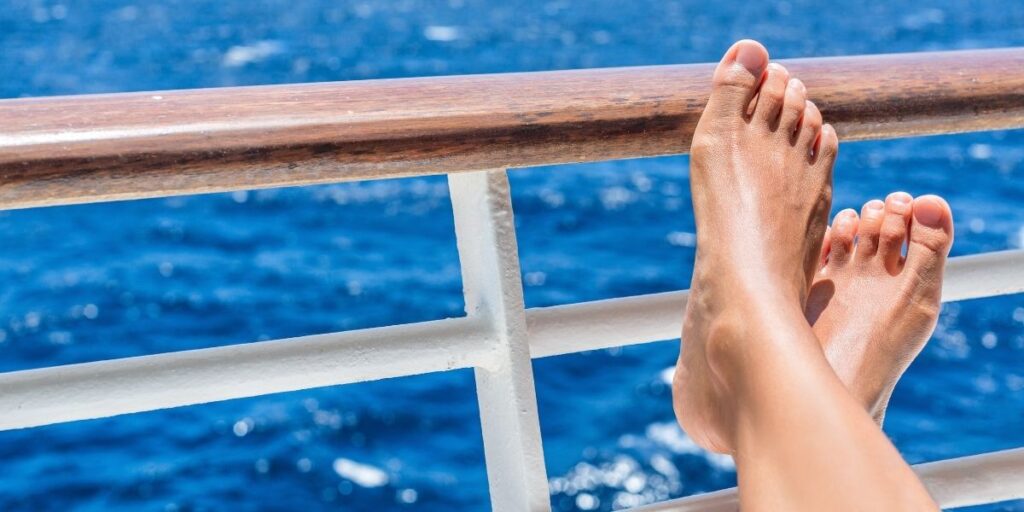
What Exactly Is a Repositioning Cruise?
A repositioning cruise is a one way voyage that takes place when a cruise ship needs to move from one region to another for a new season. Instead of sailing empty, cruise lines turn these relocation trips into special itineraries for guests. During the winter months, many ships operate in the Caribbean, then shift to Europe or Alaska when summer arrives. Later in the year, they reverse the journey, returning to warmer waters for the next season.
These sailings often include far more sea days than a traditional itinerary, which is part of the appeal. Rather than hopping between several ports, guests can settle into a slower rhythm and enjoy everything the ship offers. Some repositioning routes are long, such as voyages between the Middle East and Asia, while others involve quick hops as cruise lines move ships for refits or strategic redeployments.
10 Reasons Repositioning Cruises Are Worth It
I’m a big fan of repositioning cruises. Here are my top reasons why:
1. You Get Incredible Value for the Price

Repositioning cruises are famous for offering some of the lowest per night rates in the cruise industry, and my own experience proves it. I once booked a short one way cruise sailing from Southampton to Hamburg for just £99, which works out to roughly $125 USD.
For that price, I enjoyed a fun mini break at sea that still felt like a full cruise experience. Deals like this are more common than people realize. Many cruisers report paying the cost of a typical seven night Caribbean sailing for a voyage that lasts twice as long. When fares drop this low, it becomes much easier to justify upgrading to a balcony or even a suite you might normally skip.
2. You Can Fully Enjoy the Ship
If you have ever felt torn between exploring a port and staying onboard to enjoy the ship, a repositioning cruise solves that problem. With so many consecutive sea days, there is plenty of time to try new restaurants, relax in the spa, enjoy the shows, or simply unwind by the pool. Passengers often describe these sailings as the perfect chance to experience every corner of the ship without rushing.
Related reading: The 12 Biggest Sea Day Mistakes (And How To Avoid Them)
3. The Crowds Are Much Smaller
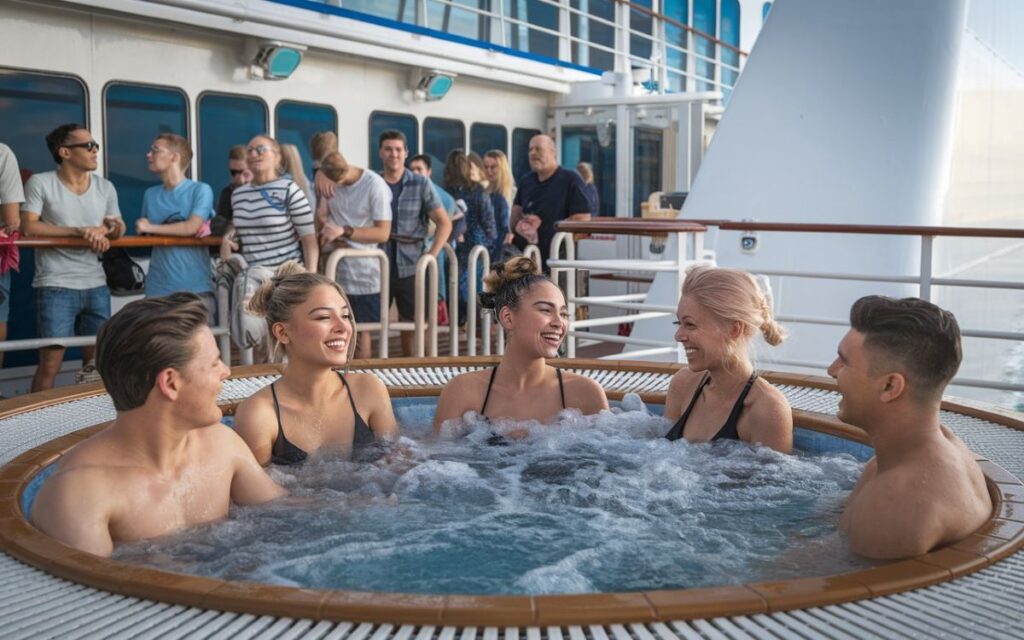
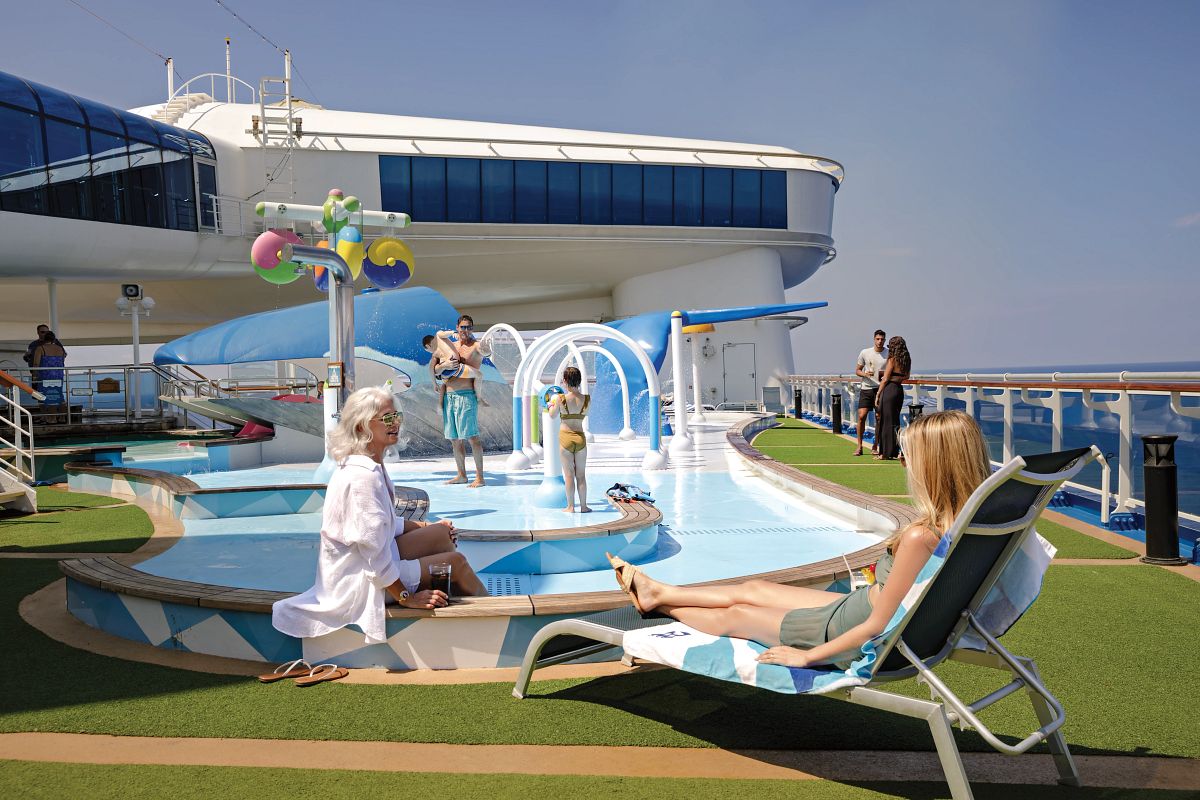
Because these cruises appeal to a niche group of travelers, they usually sail with fewer passengers. That means quieter pool decks, shorter buffet lines, and more space in lounges and venues. If you enjoy a calmer, more relaxed onboard atmosphere, a repositioning cruise delivers that feel from day one.
4. There’s Less Competition for Deals
Fewer travelers search for repositioning cruises, which means snagging promotions is easier. Guests often score discounted drink packages, specialty dining offers, or reduced rates on excursions and spa treatments. If you travel on a budget, these added savings can make the entire trip even more appealing.
5. You Travel During Cheaper, Off-Peak Seasons
Most repositioning cruises sail in spring or fall when kids are in school and fewer people travel. This often means cheaper flights, quieter airports, and better hotel prices at the start or end of your cruise. Traveling in the shoulder season also means escaping the heat of midsummer in popular destinations.
6. There Are Far Fewer Children Onboard

Since these voyages take place during the school year and last longer than average, they attract a more adult crowd. Families with young kids rarely book them, which results in a more peaceful, grown up vibe around the ship. Pools, lounges, and activities tend to stay calmer throughout the day.
Related reading: Cruise Poll Reveals Most Passengers Want Kids Banned from Hot Tubs
7. You Visit Unique and Off-the-Beaten-Path Destinations
Repositioning routes often include ports you would never see on a normal seven night cruise. You might start your trip in Europe, stop at remote islands like the Azores or Greenland, then finish in North America. These itineraries offer a mix of classic cities and hidden gems without the heavy crowds seen at major tourist ports.
8. They Are Ideal for Retirees and Remote Workers
Because repositioning cruises can last two to four weeks, they work best for travelers with flexible schedules. Retirees love the slower pace and longer voyages. Remote workers enjoy the idea of trading their home office view for ocean horizons, especially when the ship has reliable WiFi.
9. You Adjust Naturally to Time Zones
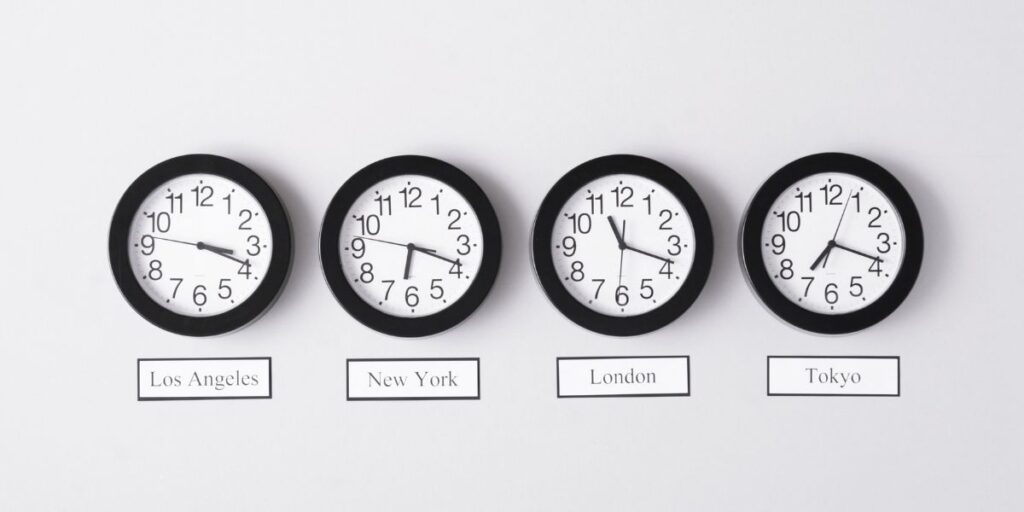
Sailing slowly across multiple time zones gives your body a chance to adjust without the shock of a long haul flight. Travelers often arrive at their final destination feeling more rested, especially on east to west itineraries. Jet lag still applies for your flight home, but the cruise itself is far easier on the body.
10. Entertainment Options Are Still Excellent
Even with extra sea days, cruise lines maintain a full entertainment schedule. Depending on the ship, you may find Broadway style shows, comedy acts, live music, movie nights, or even surf simulators and adventure activities. While a few activities may shift based on weather or sea conditions, passengers generally report strong entertainment throughout the voyage.
6 Reasons Repositioning Cruises Aren’t for Everyone
1. You Get Far Fewer Port Days
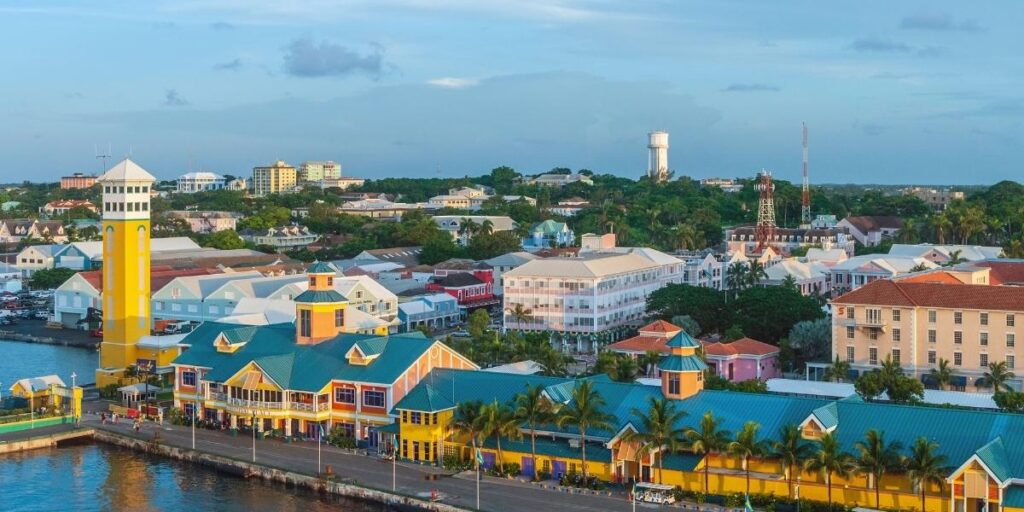
The biggest drawback is the limited number of stops. Many repositioning cruises visit only three or four ports, sometimes fewer, which can disappoint travelers who enjoy exploring a new destination every day. If you prefer a port intensive itinerary, a repositioning cruise may feel too slow or too sea day heavy.
Related reading: 8 Reasons to Skip the Port and Stay Onboard Instead
2. You Spend Long Stretches at Sea
For some people, the idea of staring at the open ocean for a week or more feels relaxing. For others, it sounds boring. Even with plenty of onboard entertainment, long voyages without frequent ports can feel repetitive if you crave constant activity or new places to explore.
3. Seas Can Be Rougher Depending on the Route

Transatlantic crossings and shoulder season sailings are more likely to encounter choppier waters. Large cruise ships handle rough seas well, but sensitive travelers may still struggle with motion sickness. Captains do adjust routes to avoid storms, but unpredictable weather is part of the experience.
Related reading: These are the 8 Roughest Seas for Cruise Ships to Navigate
4. One Way Flights Can Be Expensive
Because repositioning cruises begin in one region and end in another, travelers must book one way flights. Depending on where you live, the airfare can cost more than the cruise itself. It is essential to compare total trip costs, including hotels and transportation, before deciding whether a repositioning itinerary is really the better deal.
5. Departure Dates Are Limited
Ships usually only reposition in spring and fall or during special circumstances like refurbishments or redeployments. That means fewer options and more rigid scheduling. If you can only travel during certain months of the year, finding a repositioning cruise that fits your calendar may be tricky.
6. Onboard Spending Can Add Up Quickly

Repositioning cruises often have low base fares, but cruise lines rely on onboard spending to make up the difference. With more sea days, guests may spend more on drinks, specialty dining, WiFi, and shopping. Drink packages can be worth it on these itineraries, especially if you plan to enjoy long afternoons by the pool.
Popular Repositioning Routes You’ll See Each Year
Repositioning cruises follow some of the most interesting routes in the cruise world, mainly because ships are traveling long distances between seasonal homeports. One of the most popular options is the transatlantic crossing, typically departing from cities like Rome, Barcelona, Lisbon, or Athens before heading toward the Caribbean.
These itineraries may include stops in places such as the Canary Islands, the Azores, or Mediterranean ports before spending a full week or more at sea on the way to North America.
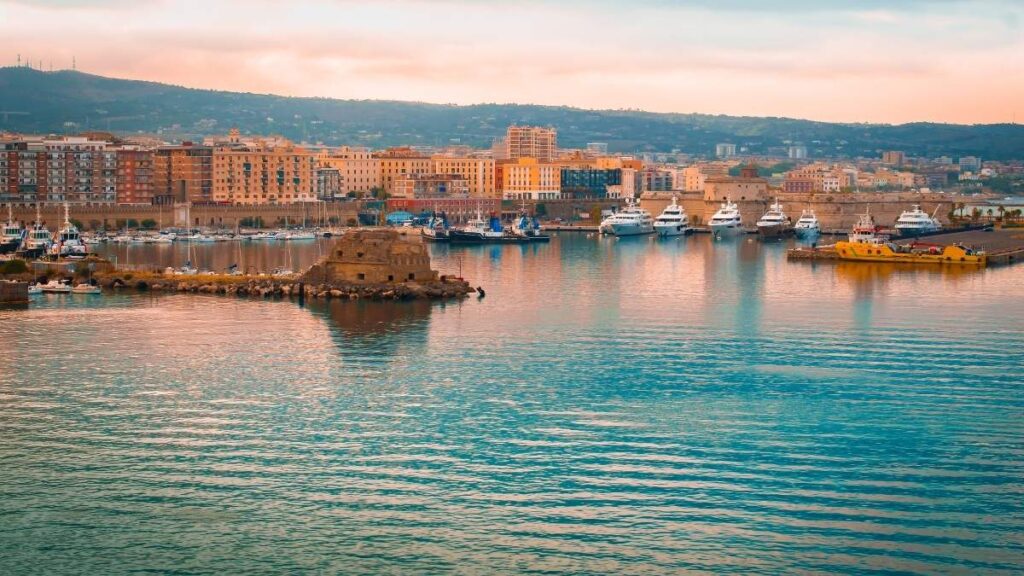
Another well loved route is the Panama Canal repositioning cruise. These voyages often begin in Florida and visit Caribbean destinations like the ABC Islands, the Dominican Republic, or Turks and Caicos. After sailing through the Panama Canal, ships continue north toward Los Angeles, Seattle, or Vancouver to begin the Alaska or Hawaii season.
Transpacific repositioning cruises are also highly sought after. These sailings often start in Australia or New Zealand and include stops in destinations such as Bali, Hong Kong, French Polynesia, or Hawaii before reaching the west coast of North America. Because they cover vast distances across the Pacific, these itineraries typically offer some of the longest stretches of sea days available.
How to Find the Best Repositioning Cruise Deals
The easiest place to begin your search is on the major cruise line websites. Most lines list repositioning cruises under seasonal routes or special itineraries, and these become more visible during spring and fall. Since ships relocate based on weather patterns, you will usually find transatlantic sailings in early spring or late autumn, Alaska repositionings in the fall, and transpacific voyages around April when Australia’s season winds down.
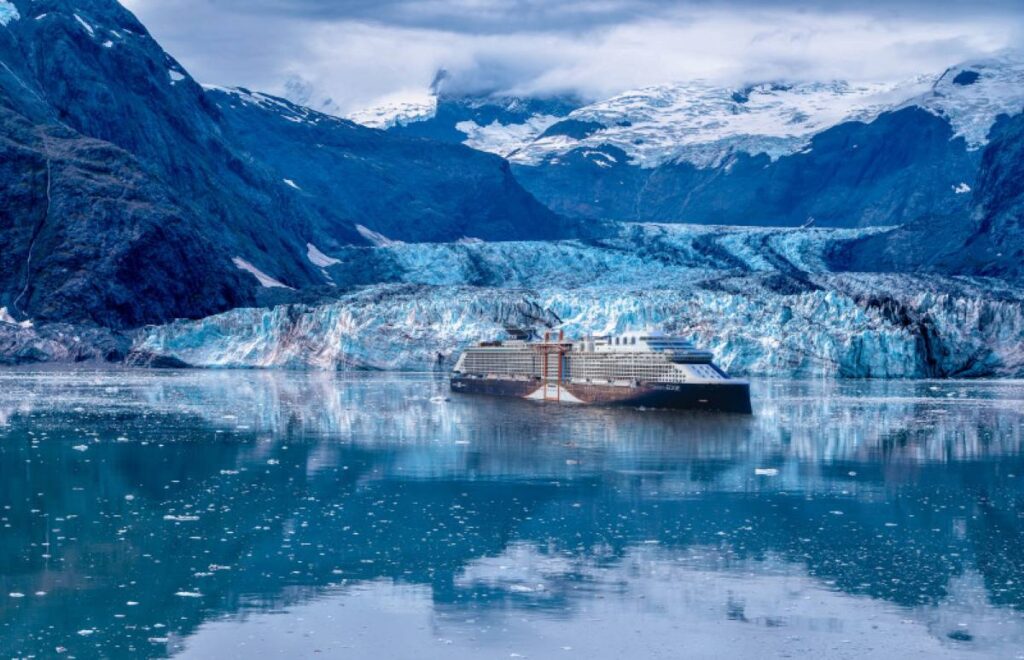
Another strategy is to look for ships moving for refurbishments or redeployments. These short notice repositionings sometimes create rare three to five night one way sailings between regional ports. Because they are not as well advertised, they can offer exceptional value if you happen to live near the departure location.
You can also use the shoulder season to your advantage. With fewer travelers searching for these cruises, last minute deals often appear. Combine the cruise fare with a discounted one way flight, and the total cost can sometimes beat the price of a standard round trip vacation. Checking the airfare first can help you determine whether the itinerary truly offers good value.
Today’s Top Cruise Deals
See today’s best deals from ALL travel agents
You Might Also Like…



Thanks for reading!
I'm Kat, and I've been cruising for as long as I can remember — now I get to carry on the tradition with my own family!
If you enjoy my cruise tips, be sure to follow me on social media for more...