I finally watched Trainwreck: Poop Cruise, the new Netflix documentary about the now-infamous ‘poop cruise’ , and honestly, I’m still processing what I saw. The film revisits one of the most disturbing cruise incidents in recent memory and sheds light on how it all went so horribly wrong.
Five days stranded at sea. No flushing toilets. Raw sewage seeping through carpets. Passengers sleeping on deck to escape the stench below. It was chaos and I’m beyond grateful I wasn’t anywhere near that ship. But while the images were unforgettable, what shocked me most wasn’t the overflowing toilets or tent cities. It was the cruise line’s response.
Instead of holding their hands up, they pointed to a hidden clause buried deep in the small print of every passenger’s ticket a clause so outrageous, you almost have to read it twice to believe it’s real.
What Actually Happened on the ‘Poop Cruise’?
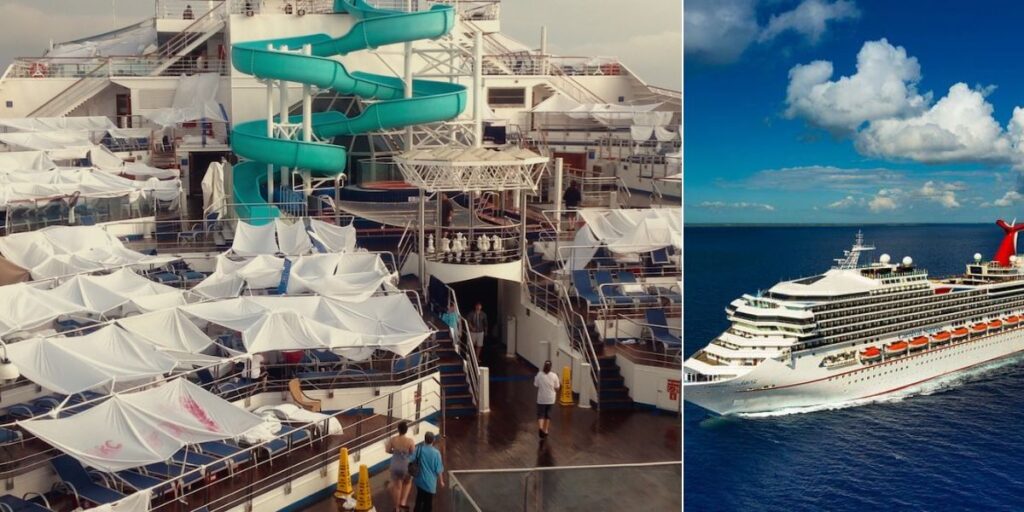
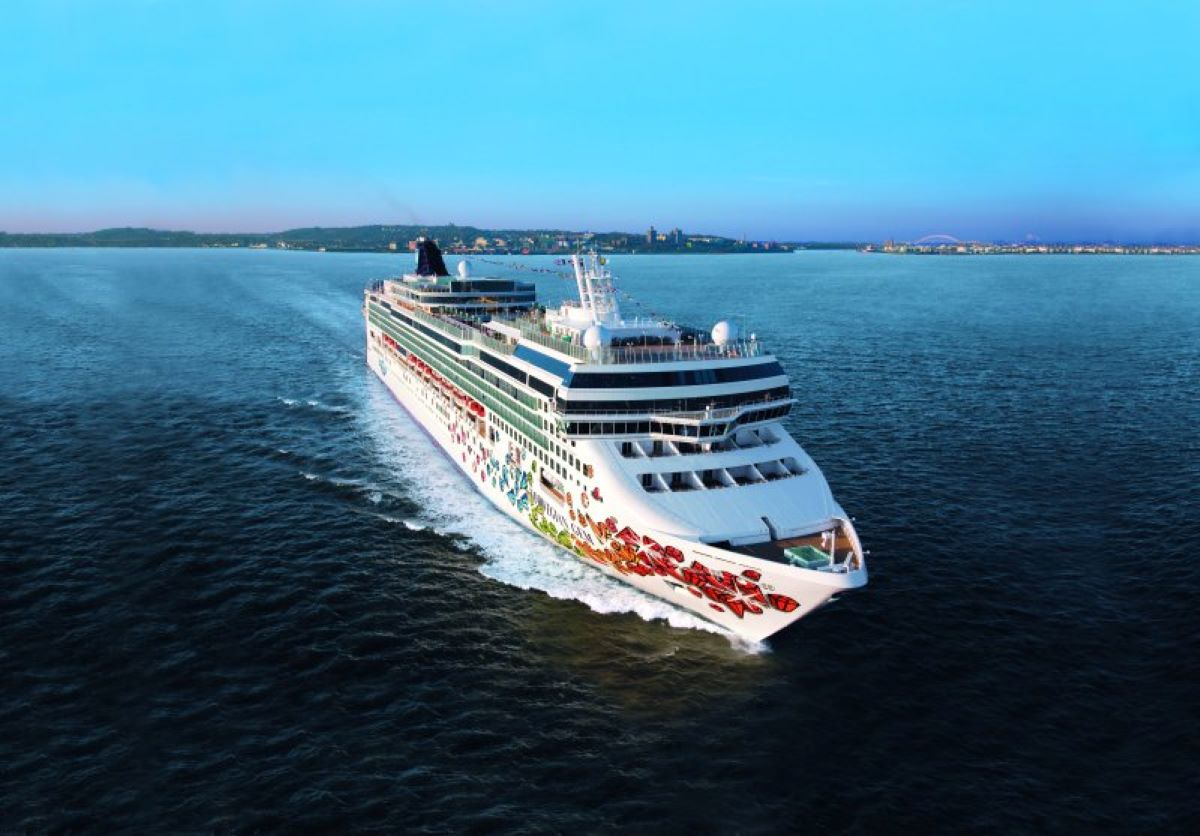
Back in 2013, a routine Carnival Caribbean sailing turned into a full-blown crisis when the ship, the Carnival Triumph (now sailing as the Carnival Sunrise), lost power after an engine fire. With the propulsion system down, the vessel was left adrift in the Gulf of Mexico. That alone would’ve been bad enough, but then the toilets stopped working.
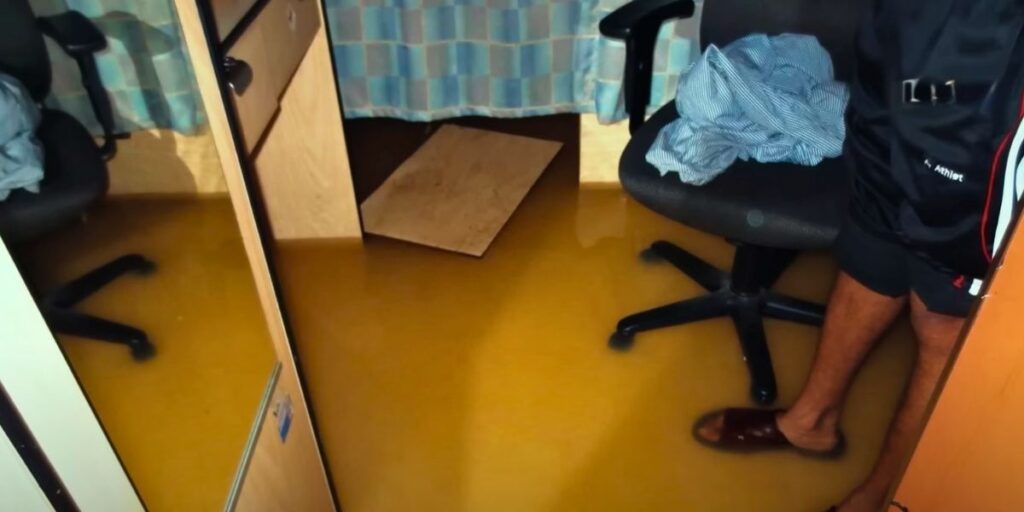
With no functioning plumbing, waste began to back up. Toilets overflowed, sewage seeped through the decks, and the air conditioning failed. Food supplies ran low. Passengers were told to use plastic bags as makeshift toilets, while crew scrambled to keep order. What started as a cruise holiday quickly descended into something out of a disaster film.
Life on Board: Tent Cities, Faeces, and Fights Over Cucumbers
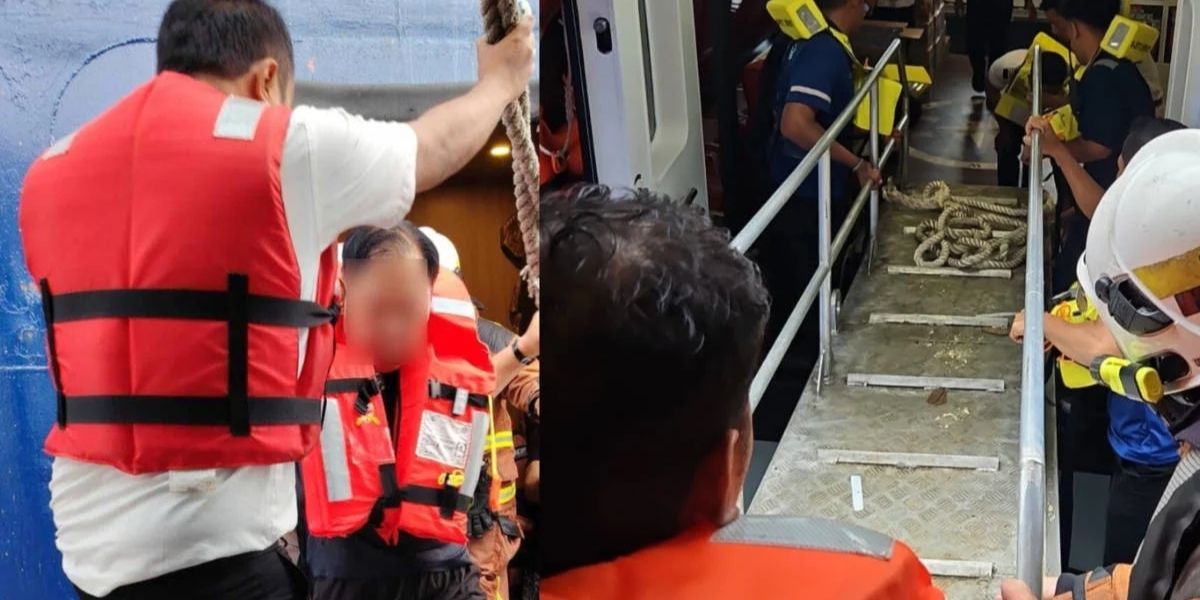
As conditions on board deteriorated, passengers did what they could to survive. With sewage leaking into cabins and corridors, many chose to sleep on the open decks. A “tent city” quickly formed, using bedsheets, life jackets, and anything else people could find to create makeshift shelter.
Toilets were unusable, and passengers were handed plastic bags to relieve themselves. The smell became unbearable, with raw sewage mixing with the heat and humidity. Fights reportedly broke out over food. including, most memorably, a single cucumber. One woman refused to eat altogether, saying the stench made her physically sick.
There were even reports of public sex, as people tried to distract themselves from the unfolding chaos. It wasn’t just unpleasant, it was dehumanising. And yet, the worst part was still to come.
Despite the grim conditions, many passengers in the documentary praised the crew for their efforts throughout the ordeal. Staff members worked tirelessly to keep things under control, distributing supplies, cleaning where possible, and offering support, all while dealing with conditions that were clearly far beyond their job descriptions. Their resilience and care stood out as one of the few positives in an otherwise bleak experience.
The Clause That Shocked Everyone
Just when you think it couldn’t get any worse, the cruise line’s legal defence emerged and it was almost as shocking as the sewage.
Buried deep in the small print of every passenger’s ticket was a clause that, unbelievably, stated the company made “no guarantee of a seaworthy vessel, safe passage, adequate and wholesome food, or sanitary and safe living conditions.” In other words, the cruise line had legally covered itself for exactly the kind of nightmare passengers endured.
In the Trainwreck documentary, lawyer Frank Spagnoletti, who represented several passengers in a class action lawsuit, put it bluntly: “This was totally preventable… The problem is, you run into the ticket.” Despite the conditions being borderline inhumane, the company’s lawyers argued that guests had effectively agreed to the risk of sewage-filled cabins when they booked their cruise.
The Legal Fallout
Unsurprisingly, many passengers weren’t willing to let the experience go. Several filed lawsuits against the cruise line, citing emotional distress, unsanitary conditions, and what some described as lasting trauma. A number of guests were later diagnosed with PTSD, saying they still couldn’t face the idea of going on a cruise again.
But while the lawyers believed they had a strong case, that hidden clause proved to be a major obstacle. The cruise line’s legal team leaned heavily on it, arguing that by boarding the ship, passengers had effectively signed away their rights to complain about the conditions – no matter how extreme they were.
In the end, the company settled with those who took legal action, quietly resolving the cases without admitting any wrongdoing. No public trial, no dramatic courtroom scenes, just payouts and a swift return to business as usual.
The Cruise Line’s Official Response
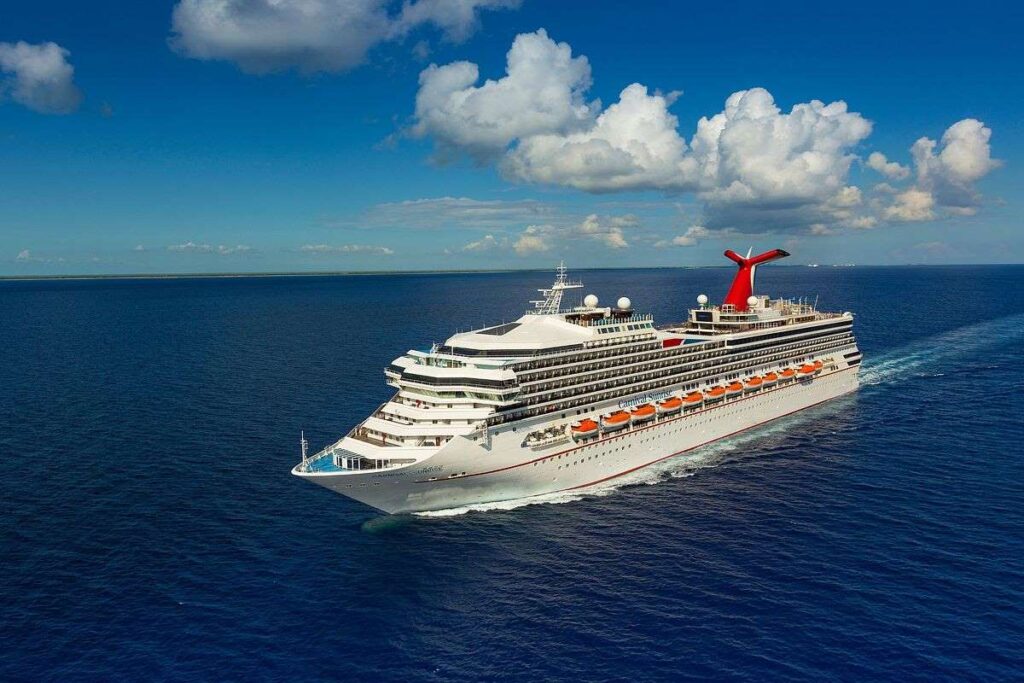
In the wake of the disaster, and again in response to the Trainwreck documentary, the cruise line issued a statement calling the incident a “teachable moment” for the entire industry. They acknowledged a design flaw that left the ship vulnerable and said steps had since been taken to ensure nothing like it could happen again.
According to the statement, more than $500 million was invested across the fleet in improved fire prevention, backup power systems, and enhanced safety protocols. The company also pointed to its Health, Environmental, Safety and Security (HESS) programme, which now guides operations across all of its ships.
They were keen to shift the focus to their track record since: over 53 million guests have cruised with them safely in the years that followed. Still, for many, the idea that such a clause ever existed, or was even invoked, is hard to forget.
My Thoughts: A Shocking Reminder
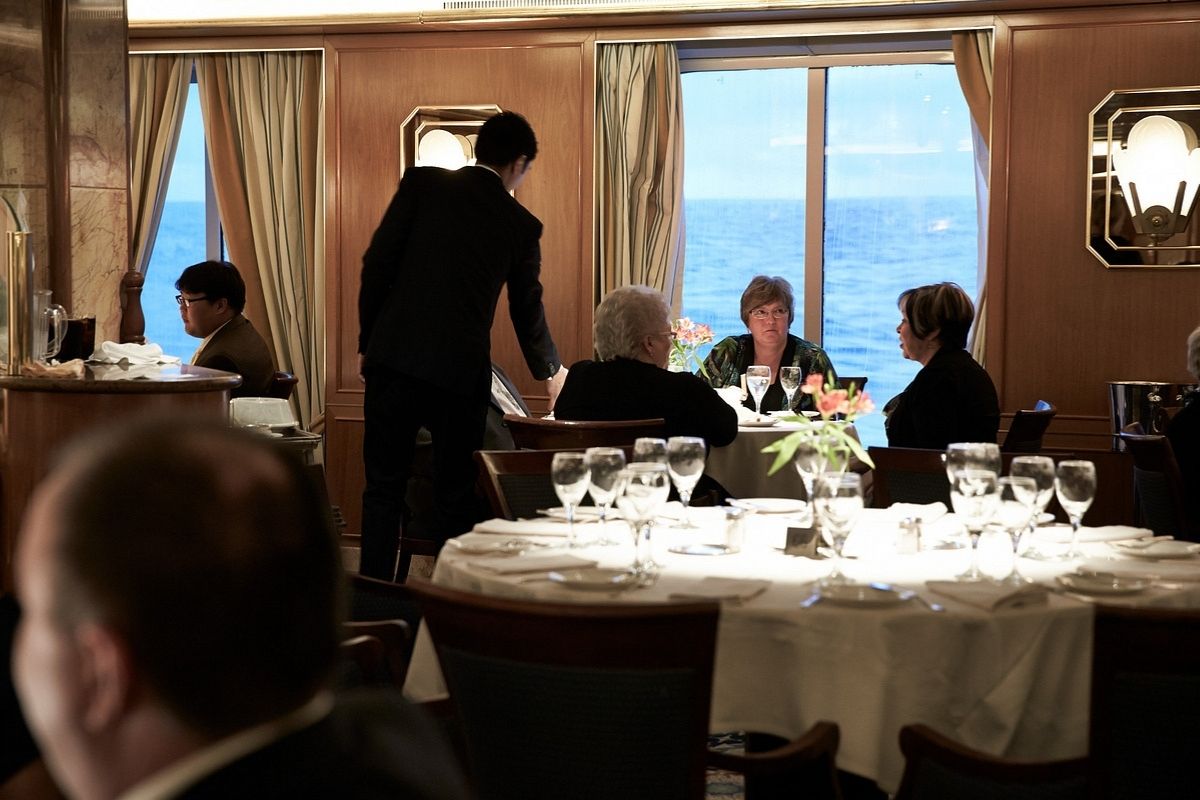
Watching Trainwreck: Poop Cruise was grimly fascinating. As someone who loves cruising, I went in expecting a tale of bad luck and poor planning. What I didn’t expect was the cruise line’s attempt to wash their hands of the whole thing using a buried clause that basically said: “Not our problem.”
To their credit, Carnival did invest heavily in safety upgrades afterwards and you’d hope other cruise lines were paying attention too. Incidents like this are rare, but they force the industry to look hard at its contingency planning and how it communicates with passengers when things go wrong.
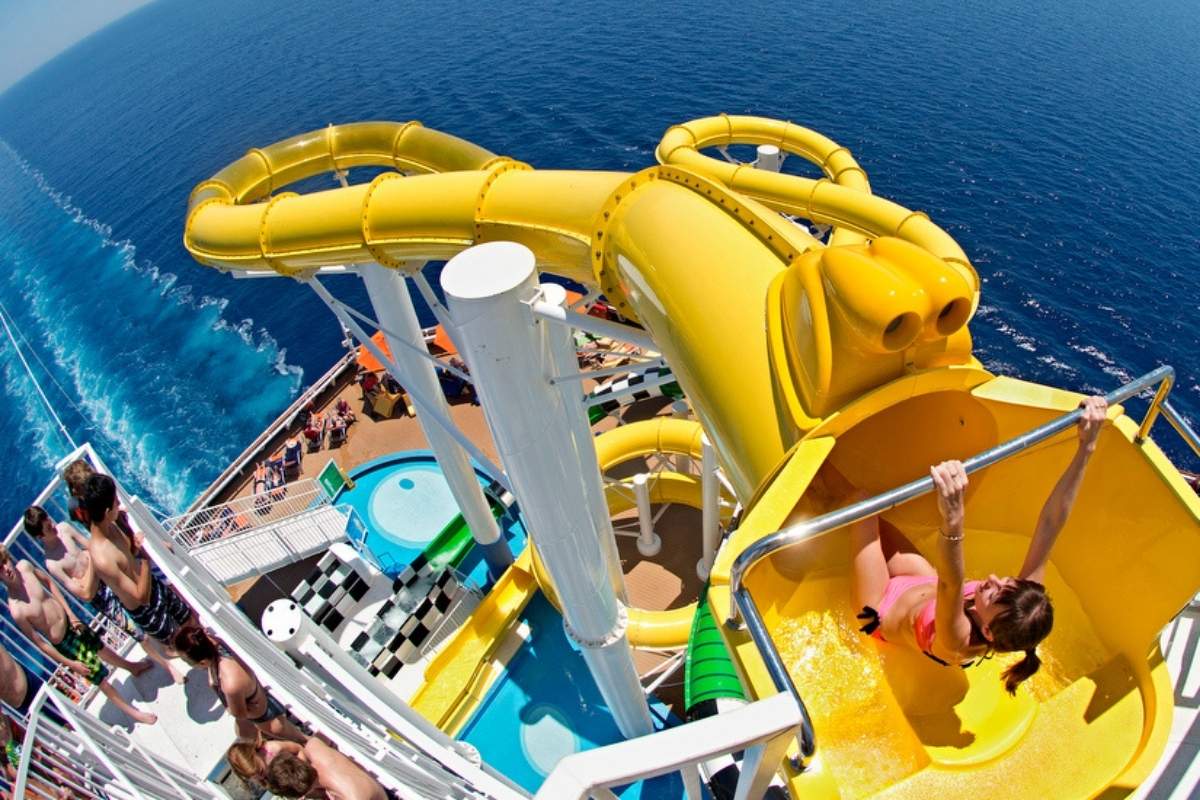
Most cruises are smooth, safe, and thoroughly enjoyable. I’ll keep cruising. But next time, I might actually read the terms and conditions… and definitely pack extra wet wipes, just in case.
Today’s Top Cruise Deals
See today’s best deals from ALL travel agents
You Might Also Like to Read
Thanks for reading!
I'm Kat, and I've been cruising for as long as I can remember — now I get to carry on the tradition with my own family!
If you enjoy my cruise tips, be sure to follow me on social media for more...