With NCL’s (NCL) extensive fleet, you’re spoiled for choice with their range of stateroom options, though this variety can make the selection process daunting. How can you ensure you don’t end up in a cabin that doesn’t meet your needs?
While every cabin on an NCL ship offers comfort, some may not be ideal for every traveller. Factors such as sensitivity to noise, susceptibility to seasickness, or a need for more space should be considered carefully.
To assist you, I’ve delved into social media groups, cruise forums, and review sites to gather insights on which NCL cabins might be less suitable, depending on your specific requirements.
This guide aims to provide you with well-rounded advice, helping you make an informed choice to enhance your next NCL cruise.
1. Cabins Between Stairways and Elevators
The proximity of a cabin to the stairways or elevators on a cruise ship has pros and cons. Easy access is convenient, particularly if you’re carrying children or have mobility concerns, as it minimises the distance you need to walk.
However, these areas often experience higher foot traffic, which can increase noise levels.
Particularly on NCL ships, some inside rooms between stairwells and elevators can be subject to much foot traffic.
For guests who are light sleepers, this could be a problem. The constant movement and conversation pass by the door and along the room’s walls, which may offer less soundproofing.
2. Cabins Under the Nightclub
When booking a cabin on an NCL ship, it’s crucial to consider its location in relation to the nightclubs. NCL features different entertainment venues across its fleet, such as the Bliss Ultra Lounge on many ships and the Prima Theater or Viva Theater & Club on the newest vessels. To avoid noise issues, it’s advisable to review the deck plans specific to your ship.

Although these venues typically function as regular evening entertainment spots, they transform into vibrant nightclubs around 10pm or 11pm. This can be problematic for guests who prefer to retire early or those sensitive to noise, as the sound of music and activity often permeates through the ceilings of cabins located directly above or nearby. To ensure a restful night’s sleep, try to steer clear of staterooms adjacent to these club areas
3. Norwegian Epic Rooms With Exposed Showers
If you read social media discussions or cruise forums, you’ll quickly discover that the Norwegian Epic is often singled out for criticism, particularly regarding its room design.
Unlike other ships, which provide separate rooms for the toilet and shower, the Norwegian Epic places these facilities in small, frosted glass cubicles located in the main sleeping area. While the glass offers some privacy, it’s still semi-transparent and does little to block sounds…definitely, something to think about!
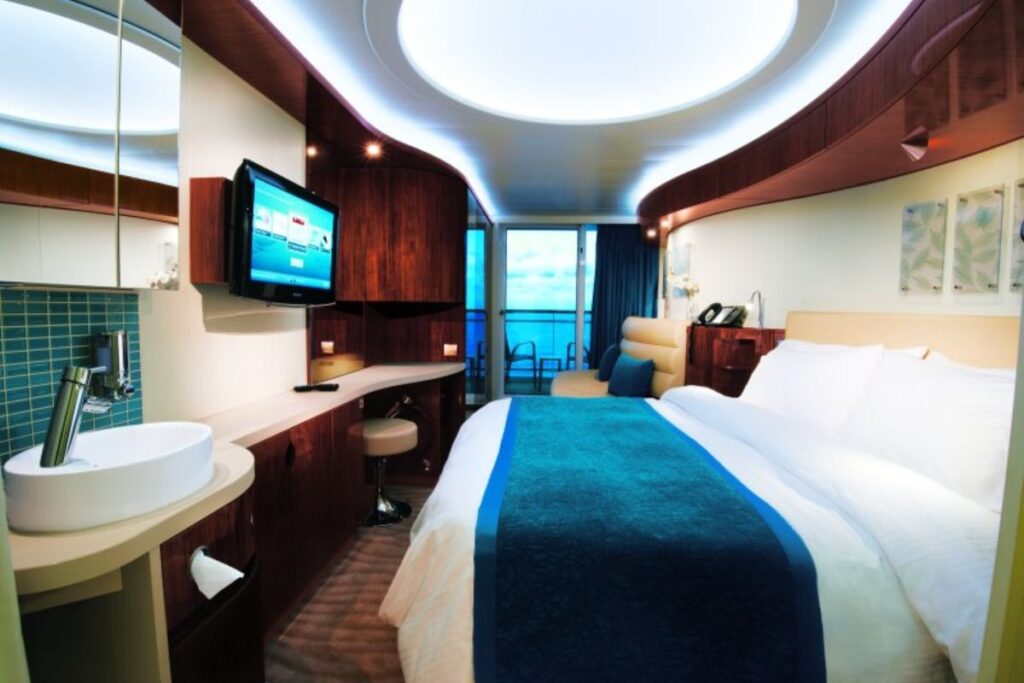
The curtain provided for additional privacy is insufficient, particularly because it’s situated right next to the room’s entrance. The wash basin’s placement next to the bed further complicates matters, making it a challenge to use the sink at night without disturbing others.
For those who value privacy and the convenience of having a fully enclosed shower room, avoiding these particular staterooms on the Norwegian Epic is advisable. While some suites share this split layout, they generally offer slightly better separation from the main living space, providing a bit more privacy.
4. Cabins Next to Crew Areas
To secure a quiet cabin on any cruise ship, an effective strategy is to carefully examine the deck plans for any unmarked or blank spaces. Avoid booking cabins that are next to, above, or below these areas if possible. These blank areas on the deck plans usually indicate spaces used by the crew, which can be sources of noise, particularly during nighttime. This is when crew members are often active, preparing for the next day’s activities.
While many passengers focus on avoiding cabins near noisy venues like bars, it’s the unmarked areas that can surprisingly be just as disruptive. As a general guideline, choosing a stateroom that is sandwiched between other guest cabins above and below typically ensures a quieter environment.
5. Lower Cabins Near the Aft
On older ships within the NCL, choosing a cabin on the lower decks, particularly towards the aft (rear) of the ship, might expose you to unwanted disturbances. These areas are prone to experiencing significant vibrations due to their proximity to the side thrusters used during docking manoeuvres.
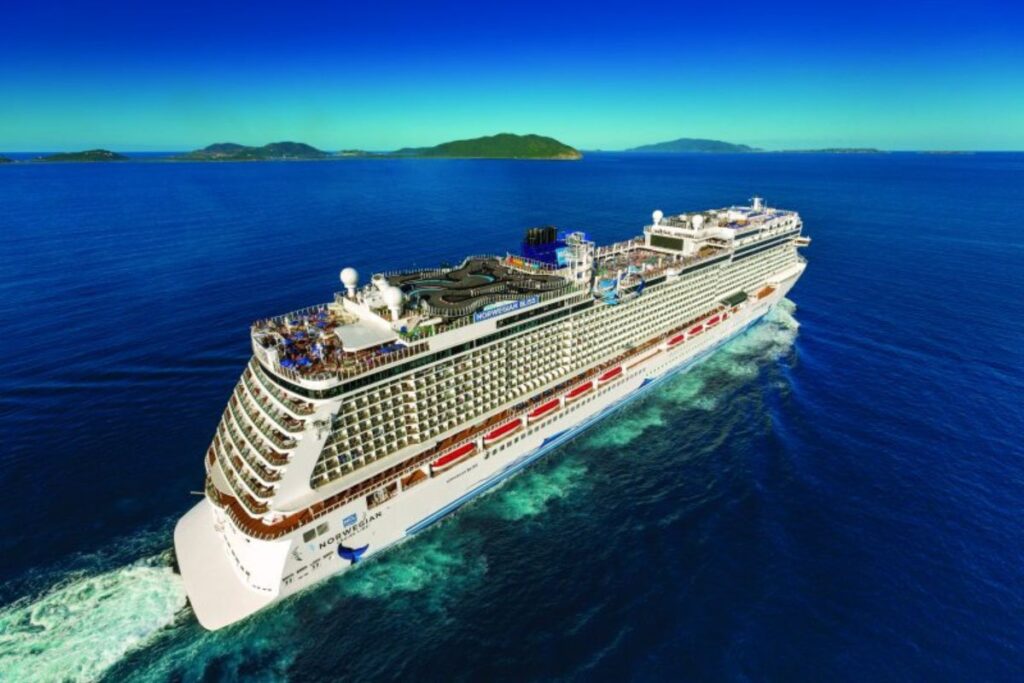
It’s also worth noting that while passengers are often informed that disembarkation won’t commence until 9 a.m. or 10 a.m., the ship typically docks much earlier, usually around 5 a.m. or 6 a.m.
This early docking is necessary to allow time for the crew to manage necessary preparations before passengers can go ashore. As a result, selecting a room in these areas might lead to unexpectedly early wake-up calls.
6. Cabins Directly Below the Pool Deck
On NCL ships, one area to avoid when selecting your cabin is directly beneath the pool deck. Poolside areas are one of the busiest spots on any cruise, with passengers often arriving early to secure a sun lounger, despite rules against reserving them with towels. This desire for a prime poolside spot can start quite early in the day.
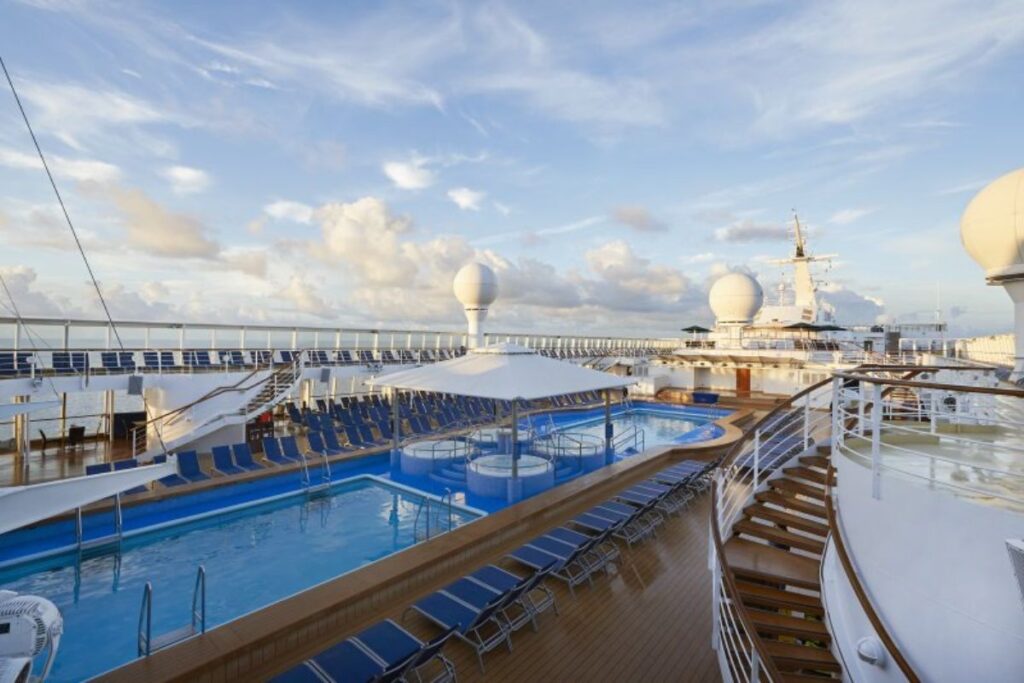
Also, sun loungers are typically rearranged during the night, either due to evening events or changing weather conditions. Consequently, early mornings might bring the disruptive noise of chairs being moved and dragged across the deck overhead. To ensure a more peaceful stay, consider choosing a cabin located away from the pool deck.
7. Club Balcony Suites
NCL offers Club Balcony Suites, formerly known as Mini-Suites, on many of their ships. These suites provide more room than standard cabins, including a larger bathroom, and offer additional amenities. However, the benefits are relatively modest and might not be essential for everyone.
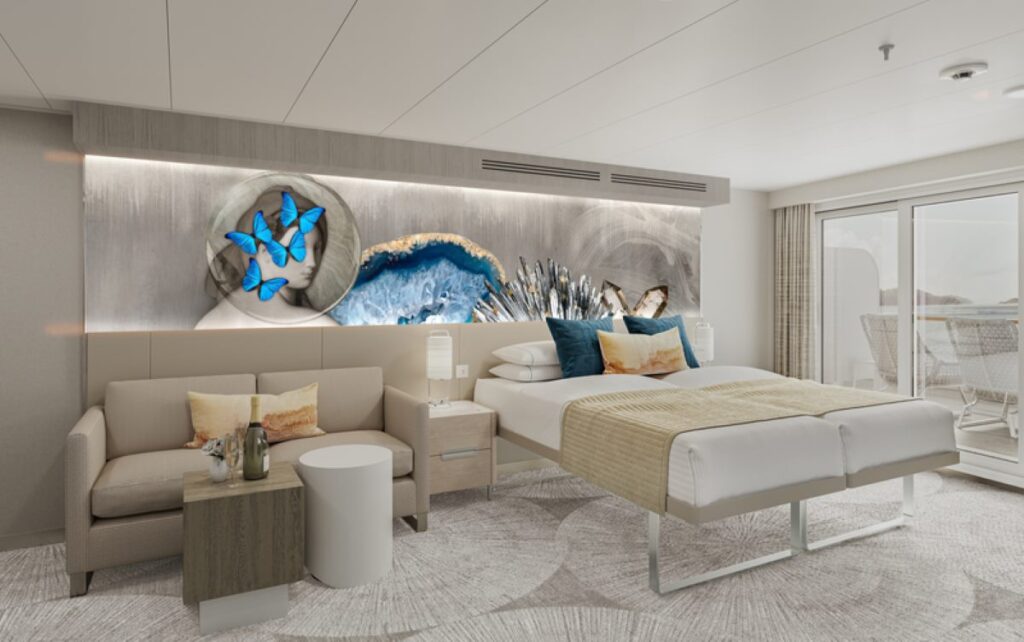
Deciding whether to opt for a Club Balcony Suite involves weighing the value of the extra space and perks against the cost. It’s worth considering if the upgrade significantly enhances your cruising experience or if you might be better off saving the expense.
Alternatively, you could allocate that money towards other onboard experiences. If space is a major priority, you might consider investing more for a full suite, which offers significantly more room and amenities.
8. Cabins Under the Gym
In my experience of writing cabin guides, it’s uncommon to encounter complaints about onboard fitness centres. However, NCL presents a unique scenario. They permit crew members to use the gym during hours when it’s closed to passengers, often late at night or early in the morning.
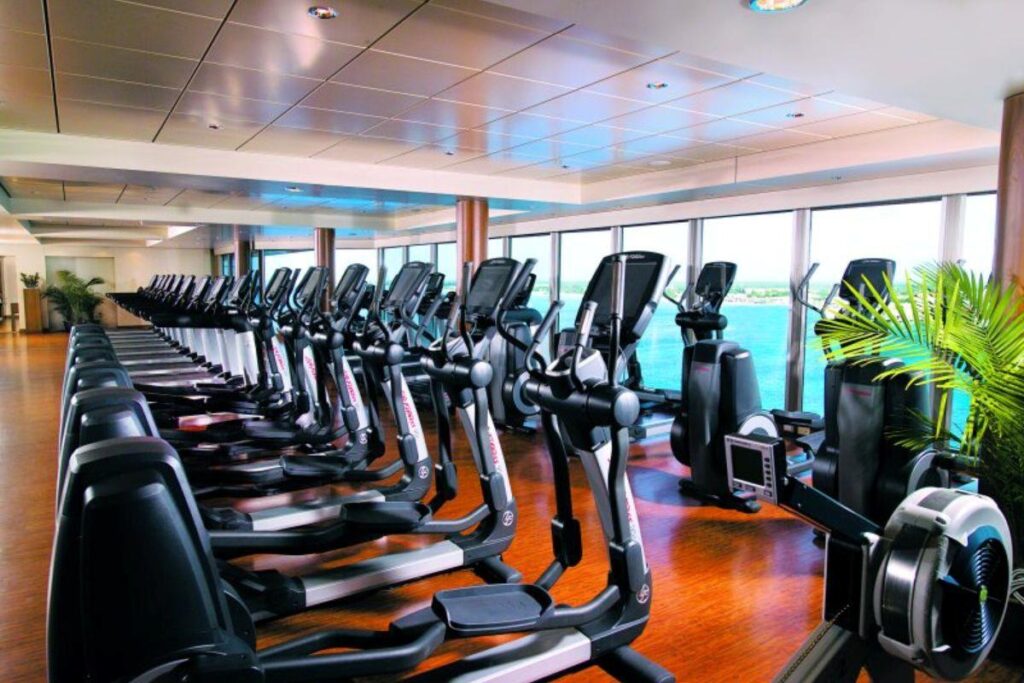
This can be particularly problematic for guests staying in cabins directly beneath the fitness centre, especially under the free weights area. During these times, the sound of weights being used and moved can easily travel downward, potentially disrupting the sleep of guests.
9. Studio Rooms – if you want some space
NCL stands out as a fantastic option for solo travellers, especially those looking for a vibrant atmosphere. Unlike many cruise lines that cater to solo passengers with an older demographic focus, NCL offers an abundance of single rooms, surpassing competitors like Royal Caribbean and Carnival in this aspect.
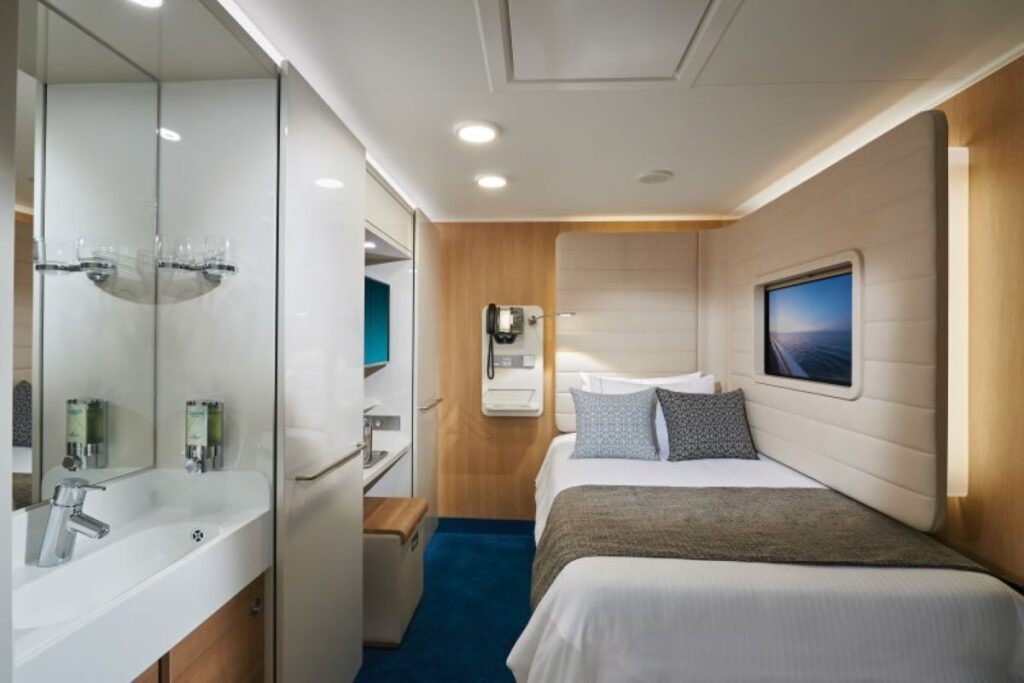
However, it’s important to have realistic expectations about the accommodation. The Studio rooms, designed specifically for solo travellers, are quite compact, typically under 100 square feet. They accommodate a single bed and have limited additional space.
These rooms might suffice if your plan is to spend most of your time enjoying the ship’s numerous amenities and activities, considering the cabin primarily as a place to sleep and refresh. Yet, be mindful of the small size, including a notably cramped shower area.
10. PrivaSea Balcony Staterooms
When imagining a Balcony Stateroom on a cruise ship, you might imagine a room with sliding glass doors that open to a spacious, airy balcony framed with a glass railing, offering expansive views.
However, not all balcony staterooms fit this open-air concept. Some ships feature enclosed balcony staterooms, significantly reducing the balcony space by metal frames above and to the sides, creating what feels more like a large window than a typical veranda.
On Carnival cruise ships, these are known as cove balconies, while NCL refers to them as PrivaSea Balcony Staterooms. Marketed for their added privacy, these balconies offer a more secluded experience but might not be ideal for everyone. Due to the restricted view, especially when seated, these rooms are often less expensive than their open-air counterparts.
If the idea of a less expansive balcony doesn’t deter you, choosing an enclosed balcony can be a cost-effective way to enjoy some private outdoor space. To get a better sense of what these balconies are like, you might want to view a video tour to ensure it meets your expectations before booking.
11. Cheaper Categories On Older Ships
While the newer ships in the NCL fleet boast larger staterooms, the older ships present some challenges, particularly with bathroom sizes. The main issue isn’t the stateroom itself but the bathroom facilities, which can be quite cramped. This is especially true for the shower areas, where you might find a corner shower unit that barely accommodates an average-sized person.
If you’re concerned about comfort and space, particularly if you are larger than average, these smaller shower spaces might prove difficult to manoeuvre in. For those planning to cruise on an NCL ship older than the Norwegian Breakaway and concerned about bathroom space, opting for at least a Balcony Stateroom may be wise. Upgrading can ensure a more comfortable and spacious bathroom experience.
12. Obstructed View Rooms
Many cruise ships, including NCL, offer ocean views and balcony cabins with obstructed views. The obstruction typically comes from lifeboats or structural elements of the ship, which can partially block the view from the cabin. While this means your view isn’t perfect, these rooms do offer natural daylight and are priced lower than comparable cabins without obstructions.
However, on some NCL ships, the extent of the obstruction can be quite significant. In extreme cases, your entire view might be blocked by a lifeboat, although you might still catch glimpses of the ocean through openings like the lifeboat’s doors.
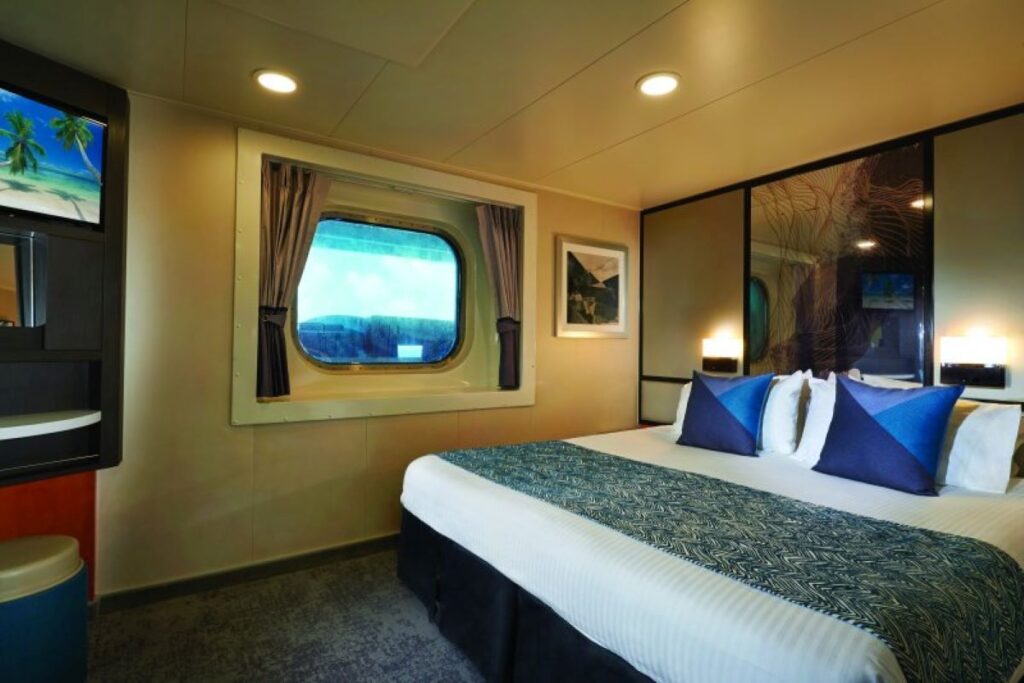
This is particularly relevant if you’re considering booking a ‘Sailaway Oceanview,’ which are ‘Guarantee’ room offered at a reduced rate. With these, you allow NCL to choose your cabin, which could potentially result in a room with a 100% obstructed view.
The degree of obstruction and the object causing it can vary greatly. Some obstructed views are relatively minor and can be acceptable, especially if you study the deck plans to understand what to expect. For instance, on the Norwegian Prima, some obstructed balconies are situated behind water slides, which can offer a unique, albeit potentially noisy, backdrop with the sound of excited guests.
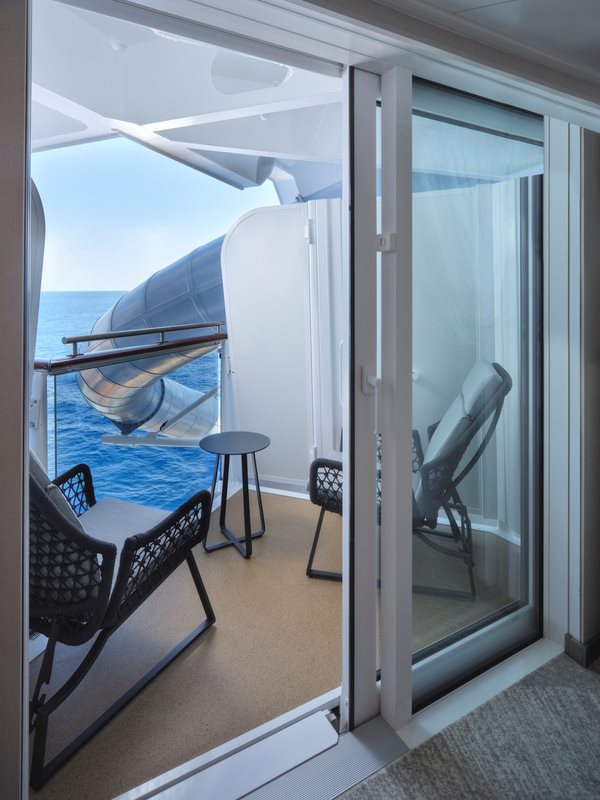
For anyone booking these types of rooms, it is important to weigh the cost savings against the possibility of a less-than-ideal view.
13. Cabins Worse For Seasickness
If you’re prone to seasickness, like me, it’s wise to be strategic about your cabin selection. Generally, the higher decks and the cabins located at the front and rear of the ship are more susceptible to the motion of waves, which can exacerbate seasickness.
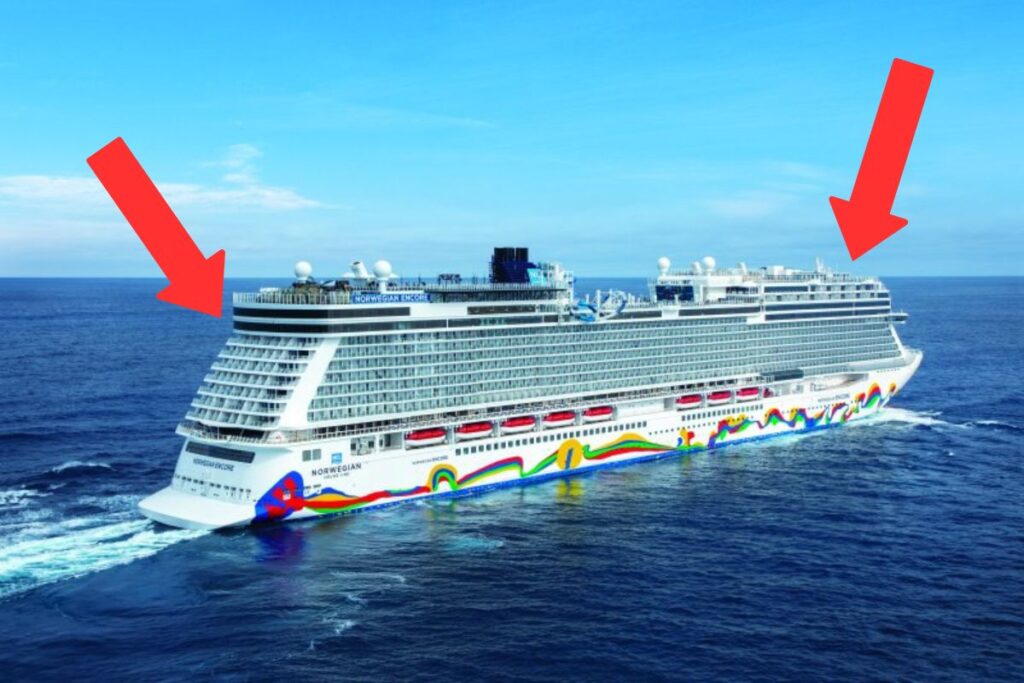
Suppose you are concerned about seasickness or suspect you might be affected. In that case, booking a cabin on a lower deck positioned towards the centre of the ship, where movement is less pronounced is advisable.
Opting for a room with a view can also be beneficial, as having the ability to fix your gaze on the horizon can help mitigate the symptoms of seasickness. Therefore, consider choosing a balcony stateroom or at least a room with an ocean view, which combines the benefits of a central and lower location with the therapeutic effect of visual stability.
14. The Haven – when you’re on a budget
On NCL (NCL) ships, The Haven represents the pinnacle of luxury and exclusivity. This “ship-within-a-ship” concept offers guests their own private suites clustered together, complete with exclusive amenities such as private restaurants and sun decks, providing a serene escape from the more bustling areas of the ship. This quiet, secluded environment can be a significant draw, especially on the lively NCL ships.
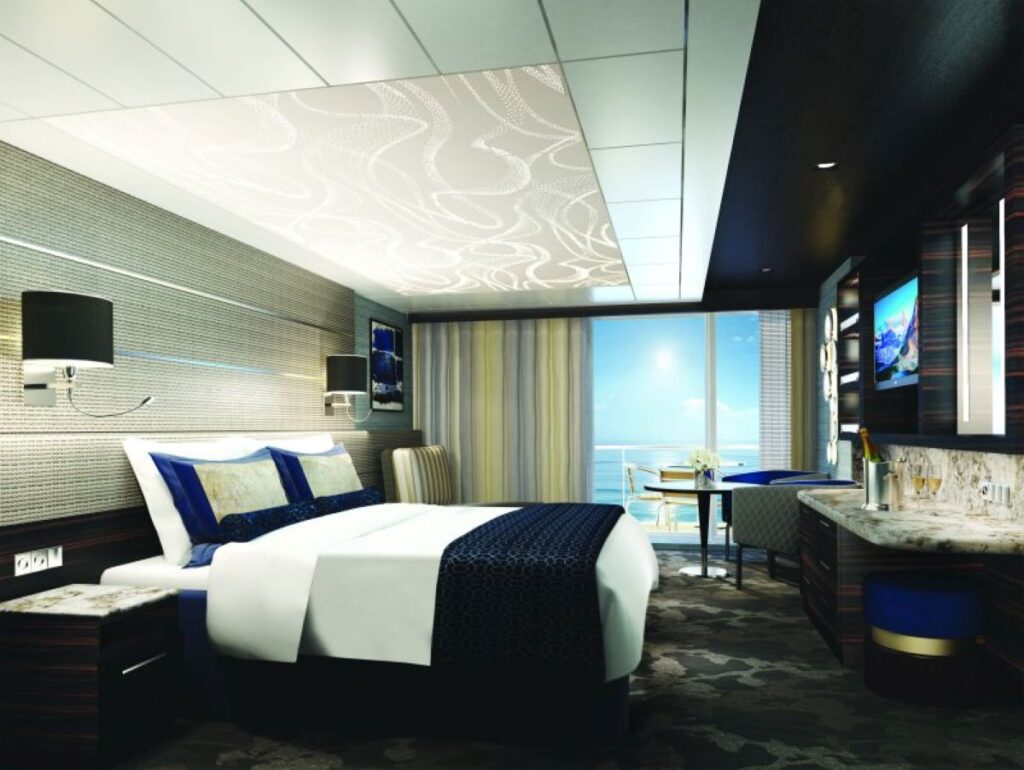
However, it’s important to consider the cost. Staying in The Haven is not inexpensive, and while it offers many exclusive benefits, the ship’s additional dining options and entertainment often come with their own fees.
Spending a substantial portion of your travel budget on accommodations in The Haven might restrict how much you can partake in other cruise activities due to additional costs. For those without an unlimited budget, a Balcony Stateroom might be a more financially sensible choice, allowing for enjoyment of what the cruise has to offer without stretching your finances too thin.
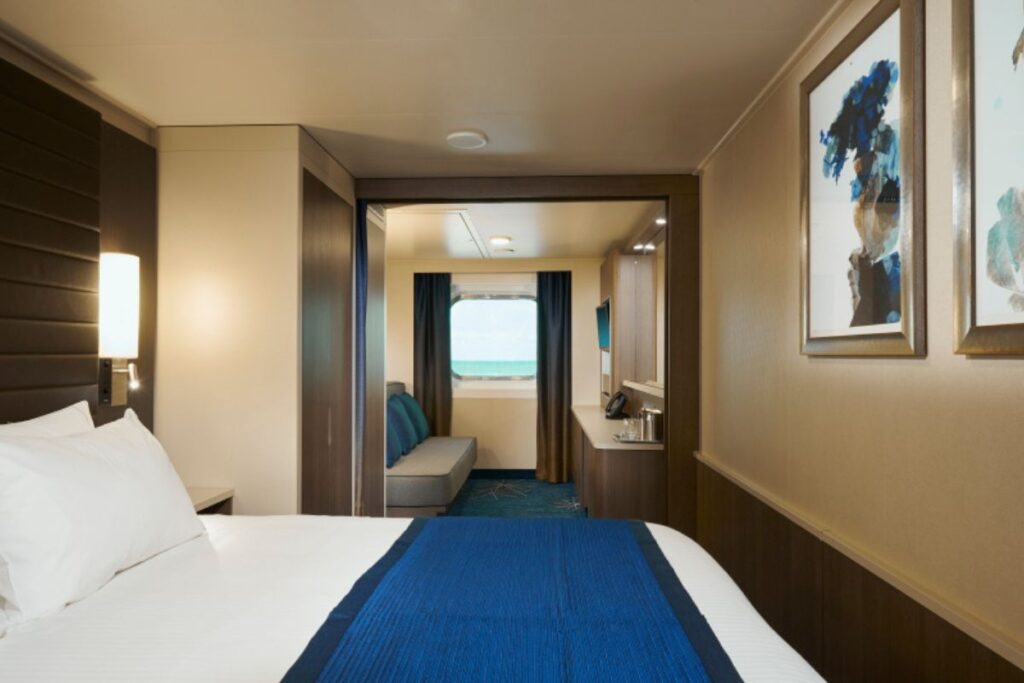
15. Porthole Cabins
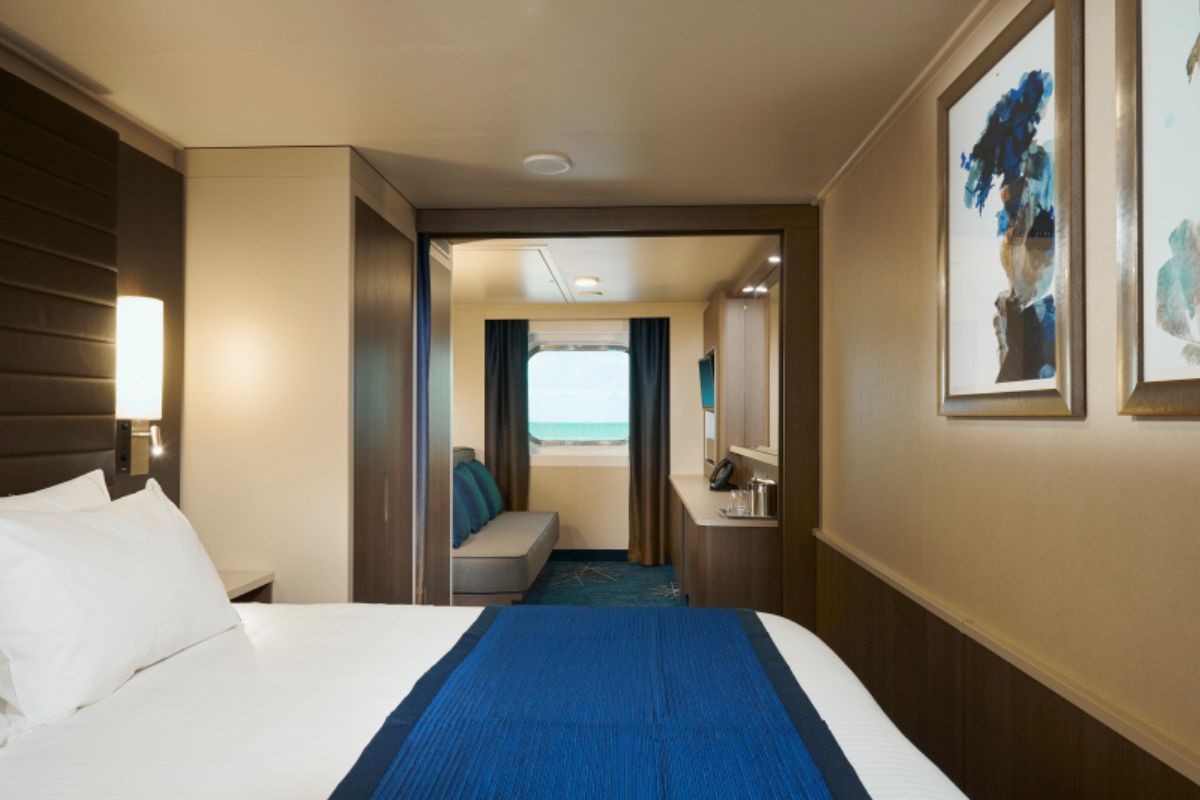
Some NCL’s (NCL) ships offer oceanview rooms with portholes instead of picture windows. Portholes are significantly smaller and provide a much more limited view, allowing less natural light into the room.
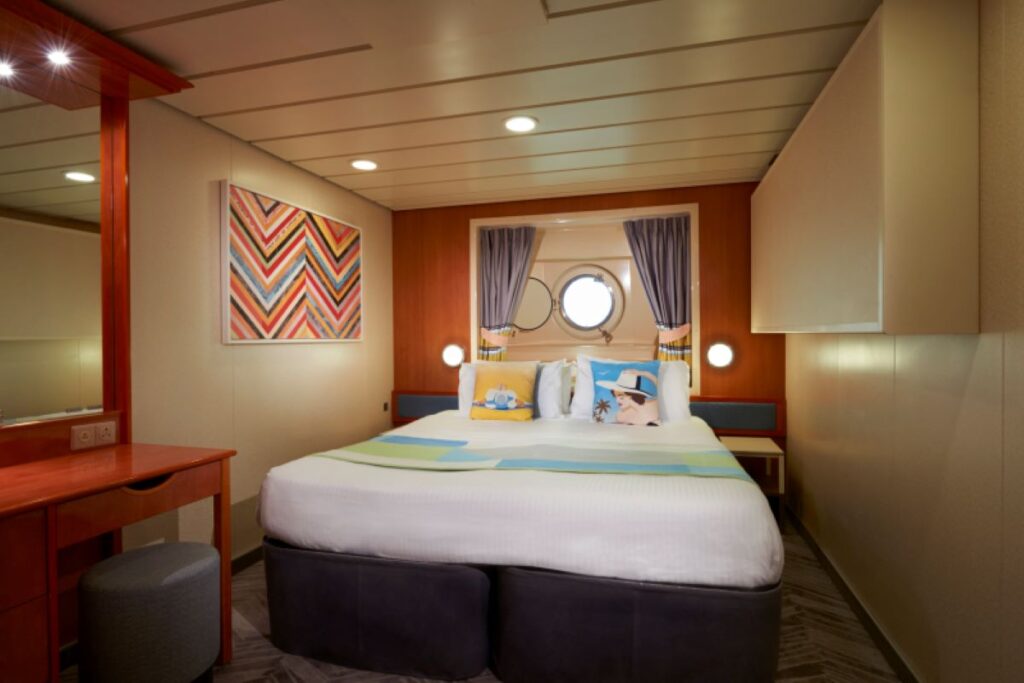
It’s important to note that NCL doesn’t clearly mark these porthole rooms on the deck plans. It can be confusing for people used to more explicit labelling from other cruise lines, where such rooms are typically identified as “Porthole Oceanview.”
NCL distinguishes the rooms by labelling those with larger windows as “Oceanview with Picture Window.” Therefore, if you’re choosing between “Oceanview” and “Oceanview with Picture Window” on one of the older ships, it’s likely that the standard “Oceanview” rooms only have a porthole.
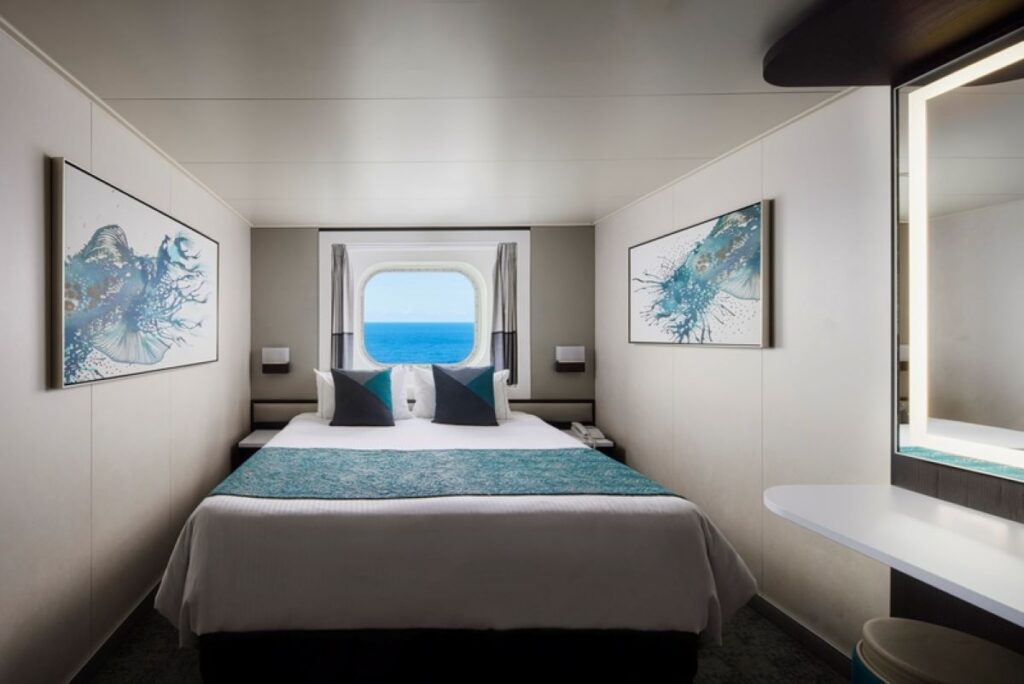
This option might be more budget-friendly, but if the limited daylight doesn’t matter much to you, consider opting for an even more economical Inside Stateroom.
16. Connecting Rooms – if you don’t need one
NCL (NCL) offers numerous connecting staterooms, ideal for guests travelling in larger groups. These rooms feature a door between them that can be opened to create a shared, expansive living space, which is particularly useful if you’re cruising with children and prefer not to squeeze into a single room.
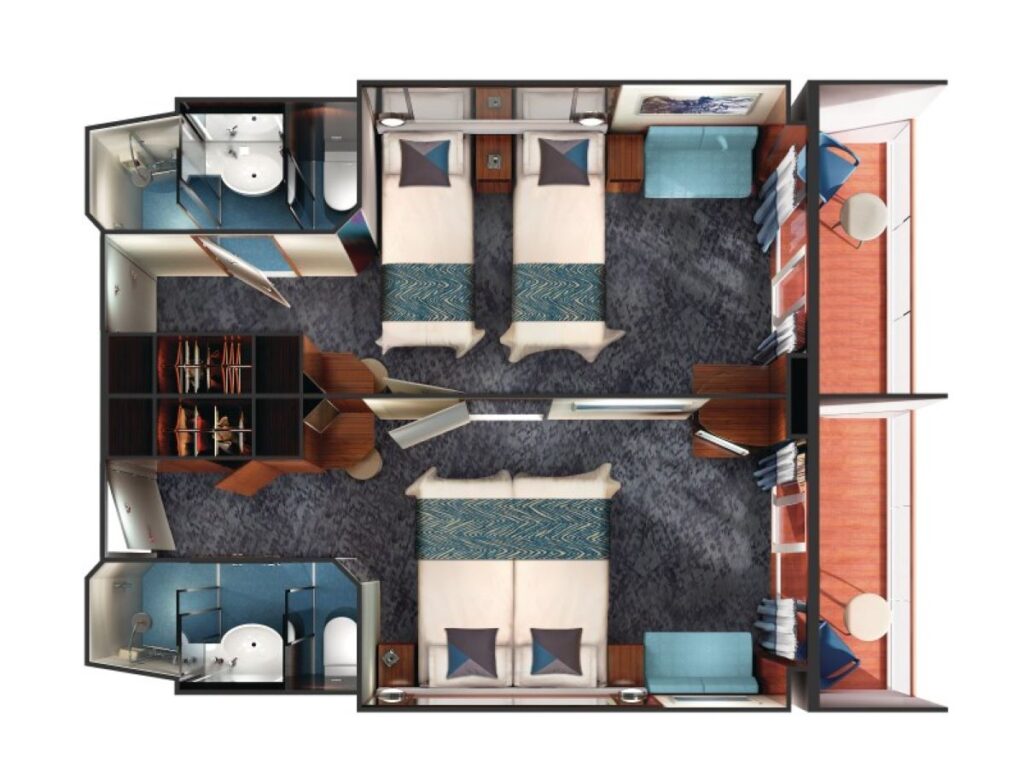
However, it’s important to note that the connecting doors are not very well insulated. Noise can easily travel through, meaning you might hear conversations and other sounds from the adjacent room. While this setup works well if you are booking both connected rooms with your group, it can be less than ideal if you’re next to strangers.
To avoid any discomfort from overhearing or being overheard by neighbours, ensure you’re booking both connecting rooms or choose a standard single room if privacy is a concern. Look for a double-ended arrow symbol to identify connecting rooms on the ship’s deck plans.
Wrapping It Up
To ensure a peaceful stay on an NCL ship, it’s crucial to thoroughly examine the deck plans before making your booking. A common oversight for many first-time cruisers is to only consider the deck of their potential cabin. However, to minimise noise disturbances, it’s advisable to also check the decks directly above and below the cabin you’re considering.
Given that NCL caters to a diverse clientele, ranging from night owls who may party late to families who rise early for excursions or to enjoy the ship’s activities, the placement of your cabin can significantly impact your rest.
To enhance your chances of uninterrupted sleep, book a cabin surrounded by other cabin areas, which naturally help dampen sound. This is preferable to being under or over noisier areas like the pool deck with wooden flooring or nearby clubs where music can be loud.
Today’s Top Cruise Deals
See today’s best deals from ALL travel agents
You Might Also Like…
Thanks for reading!
I'm Kat, and I've been cruising for as long as I can remember — now I get to carry on the tradition with my own family!
If you enjoy my cruise tips, be sure to follow me on social media for more...