If the thought of being out on the open sea makes you a bit uneasy, you’re probably not alone in wondering whether cruise ships have enough lifeboats for everyone onboard. After all, who can forget Titanic and the chilling consequences of an undersupplied ship?
Thankfully, we’ve come a long way since those days, and modern cruise ships are equipped with safety measures that would have been unimaginable back then. So, let’s dive into the facts and put your worries to rest about lifeboats on cruise ships (spoiler: the answer might surprise you).
Lifeboats: Size Matters
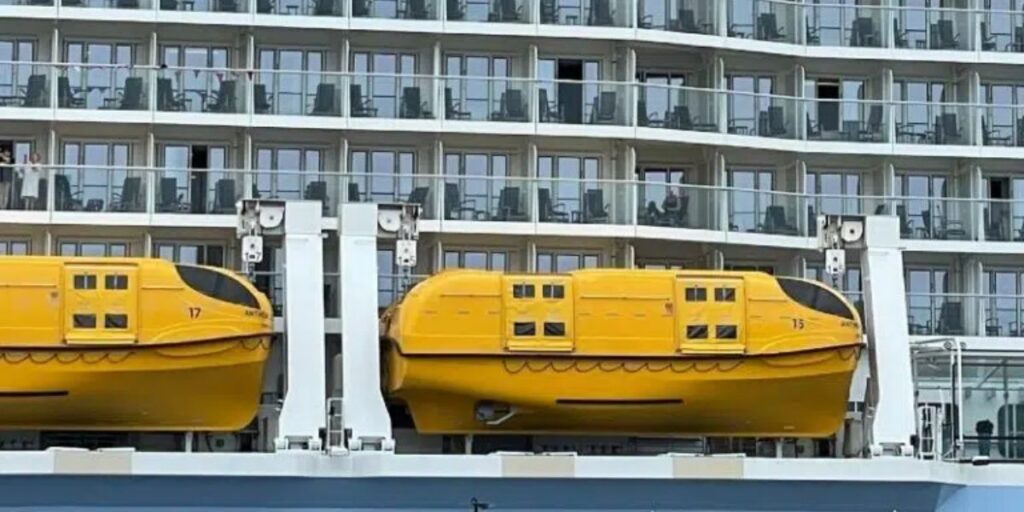
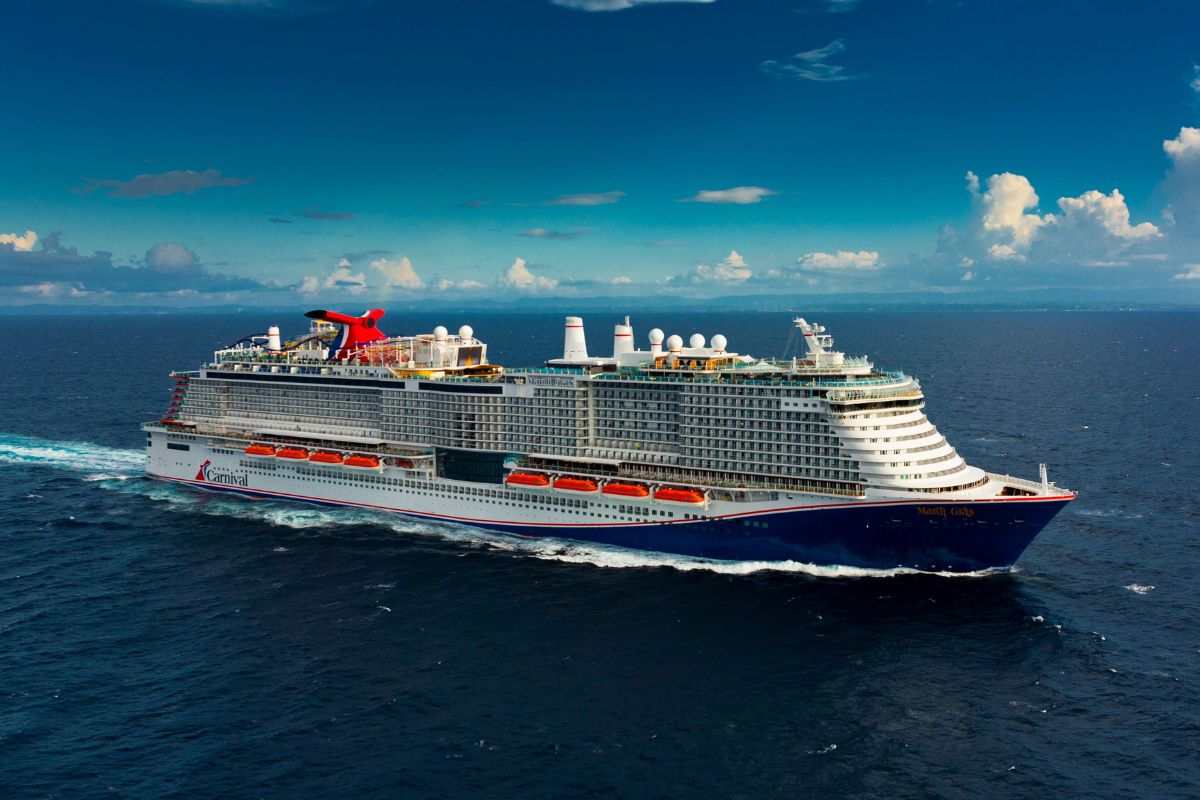
The number of lifeboats on a cruise ship depends largely on its size. Most large ships have enough lifeboats to accommodate all passengers, with some carrying up to 20 lifeboats in total.
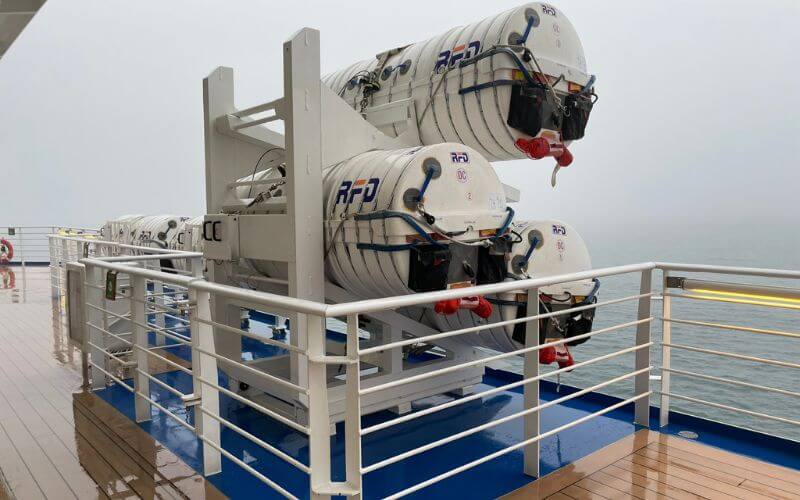
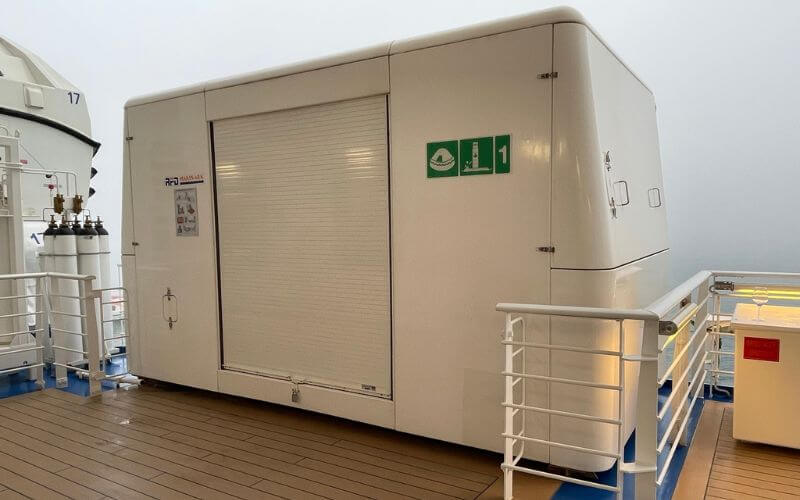
In addition to lifeboats, ships are equipped with inflatable life rafts. These are typically reserved for crew members, as they’re less comfortable and often require sliding-down chutes to access. On certain ships, however, able-bodied guests might also need to use these life rafts in an emergency.
A friend who cruised on the Enchanted Princess shared their experience with me. They received a letter in their stateroom explaining lifeboat assignments. While most guests were assigned lifeboats, not everyone was. Curious about the setup, they stepped out onto the deck to look closer at the inflatable life rafts to see where they’d be deployed.
Why Aren’t There Enough Lifeboats for Everyone?
Cruise ships are not designed to have lifeboats for every single person onboard, but they do ensure there are enough for all passengers. Most crew members are assigned to inflatable life rafts instead, which take up less space and can be deployed quickly in an emergency.
Providing enough lifeboats for everyone simply isn’t practical. Lifeboats can only be stored along the sides of the ship, leaving limited space, and they must be positioned to lower safely into the ocean. Additionally, lifeboats require crew members to launch them, meaning alternative evacuation options are necessary for those crew members once the lifeboats are in the water.
By law, cruise ships aren’t required to have lifeboats for every passenger. Instead, they must have a combination of lifeboats and inflatable life rafts with capacity for at least 100% of everyone on board — passengers and crew included — plus a reasonable margin of error. Even still, most cruise lines exceed these requirements, adding more lifeboats to reassure their guests and improve safety standards.
Life Rafts vs. Lifeboats: What’s the Difference?
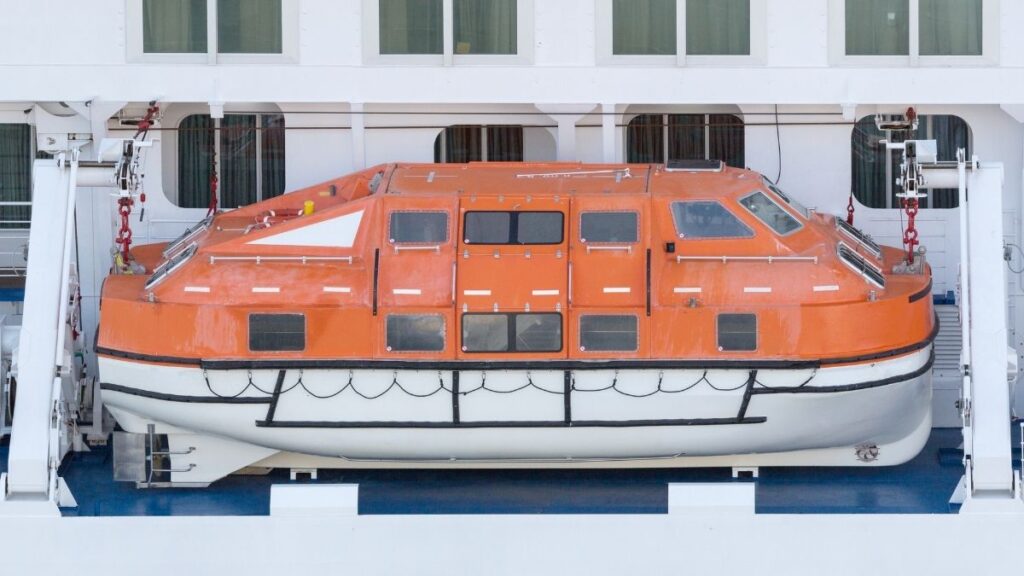
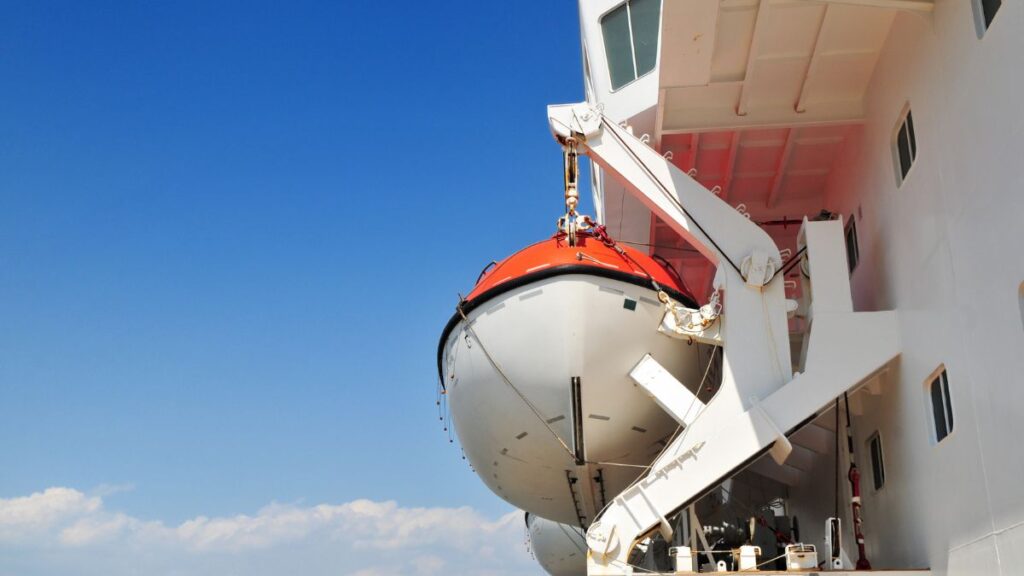
Lifeboats and life rafts serve the same purpose—keeping people safe—but they’re quite different. Lifeboats are solid, fully (or, at least, partially) enclosed fiberglass boats that hang along the sides of a cruise ship and come equipped with onboard motors for power. In contrast, life rafts are inflatable, collapsible, and stored in durable canisters until needed.
While lifeboats are motorized and designed for easier navigation, life rafts rely on high-pressure gas canisters to inflate quickly and don’t have engines. They’re a practical alternative for situations where lifeboats aren’t available or sufficient.
If you’re curious about what life rafts look like and how they work, here’s a helpful video to check out…
Safety First: Lifeboat and Life Raft Inspections
Lifeboats are inspected regularly by the crew to ensure they’re always in perfect working condition. If you’ve been on a cruise, you might have even spotted crew members testing the lifeboats during your voyage. Life rafts, however, are a bit different. Since they rely on high-pressure gas canisters for rapid inflation, they can’t be tested onboard and are instead sent to specialized testing centers periodically.
Cruise ships carry more life rafts than required to meet strict safety regulations. According to the International Convention for the Safety of Life at Sea (SOLAS), ships must have life rafts (in addition to lifeboats) so that the combined capacity of all survival craft—lifeboats plus life rafts—equals at least 125% of the maximum number of persons on board. This ensures that if the ship capsized or some lifeboats became unusable, there would still be enough space for everyone.
In such cases, passengers with mobility challenges would be prioritized for lifeboats, while able-bodied passengers would use life rafts alongside the crew.
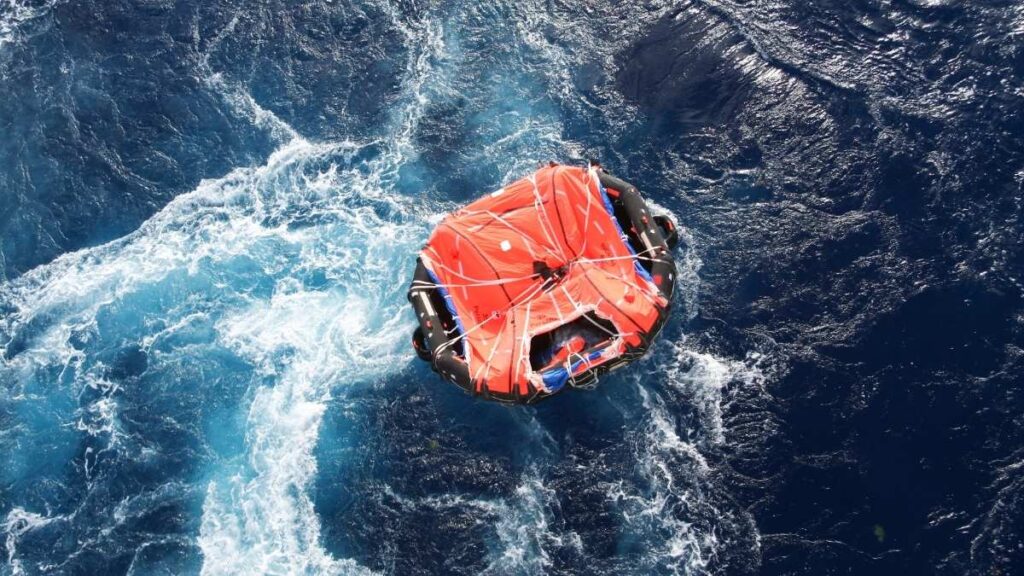
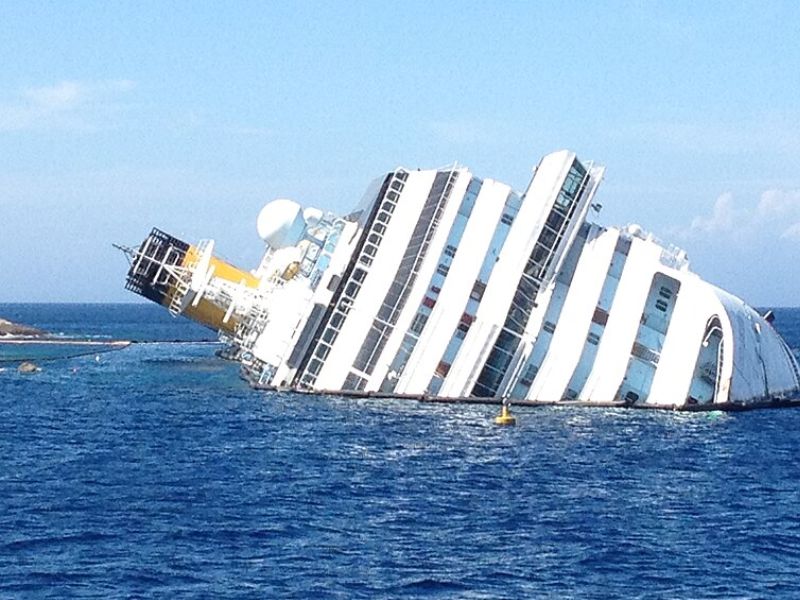
Thankfully, the chances of such an incident are extremely low. Cruise ship accidents at sea are exceedingly rare, and when lifeboats have been used, it’s almost unheard of for half of them to become unusable. While this level of caution may seem excessive, it’s an essential part of cruise ship safety. The 2012 Costa Concordia tragedy—caused by human error—served as a stark reminder of the importance of stringent safety protocols, and the industry has taken those lessons seriously.
Lifeboat Capacity: Bigger and Better
In the past, lifeboats on cruise ships were limited to carrying a maximum of 150 people, as per the old SOLAS code 4.4.2.1. However, modern designs have vastly improved this capacity. For example, the Schat-Harding CRW55 lifeboat can accommodate up to 370 people while still adhering to SOLAS safety standards, which allow for larger lifeboats as long as they meet strict requirements.
These advancements became essential with the launch of mega-ships like Oasis of the Seas in 2009. With a total capacity of 6,700 passengers and crew, the old-style lifeboats would have required at least 38 to cover all passengers, taking up far too much space along the ship’s sides.
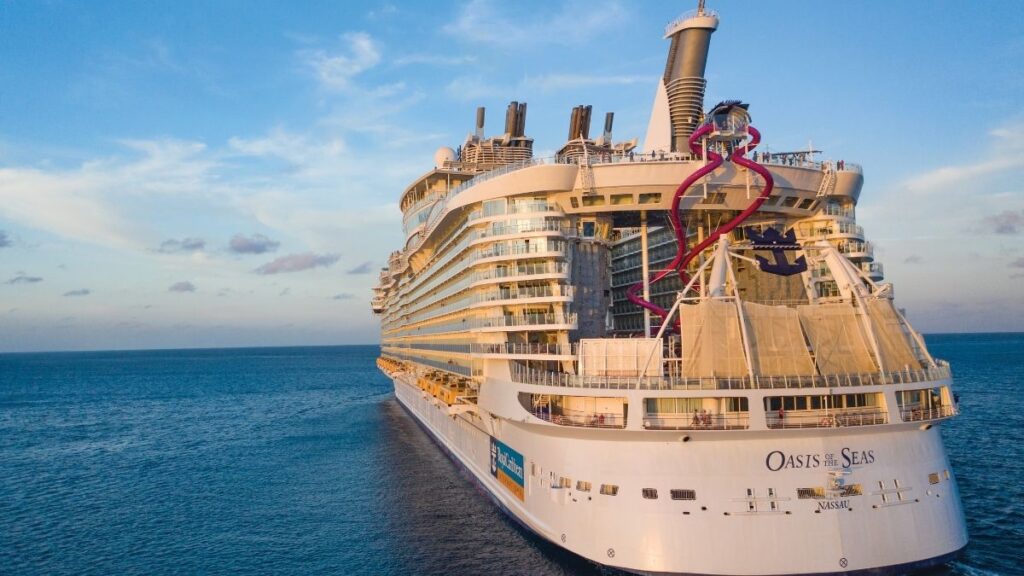
Today’s larger lifeboats can hold more than double the capacity but are only about 50% longer. For instance, Oasis of the Seas has 18 modern lifeboats, enough to safely carry all passengers and nearly all crew members, without using up the entire length of the ship. This innovation has made lifeboat storage far more efficient while maintaining top safety standards.
Did the Titanic Have Enough Lifeboats?
When the Titanic sank, it tragically lacked sufficient lifeboats. The ship carried just 20 lifeboats, which could accommodate slightly over half the people onboard—and only about a third of its full capacity. Of those 20 lifeboats, 18 were launched on the night of the disaster, though many left underfilled due to poor organization and delayed alarm calls.

The shortage of lifeboats was a result of outdated safety regulations and the overconfidence of the White Star Line, which believed the Titanic was practically unsinkable. Ironically, the ship had davits capable of handling up to 48 lifeboats total—nearly triple what was actually carried. Cost wasn’t the issue either—adding 32 more lifeboats would have cost just $16,000, a negligible amount compared to the Titanic’s $7.5 million price tag.
The Titanic’s tragic fate led to a complete overhaul of lifeboat safety regulations. In 1914, the International Convention for the Safety of Life at Sea (SOLAS) was established, ensuring modern ships meet strict lifeboat capacity and safety standards.
Where Are Lifeboats Stored on a Cruise Ship?
Lifeboats on cruise ships are strategically stored on both sides of the vessel, typically on a deck that’s easily accessible to most passengers and crew. This deck is usually positioned just below the halfway point of the ship, as the upper decks tend to be reserved for amenities and accommodations.
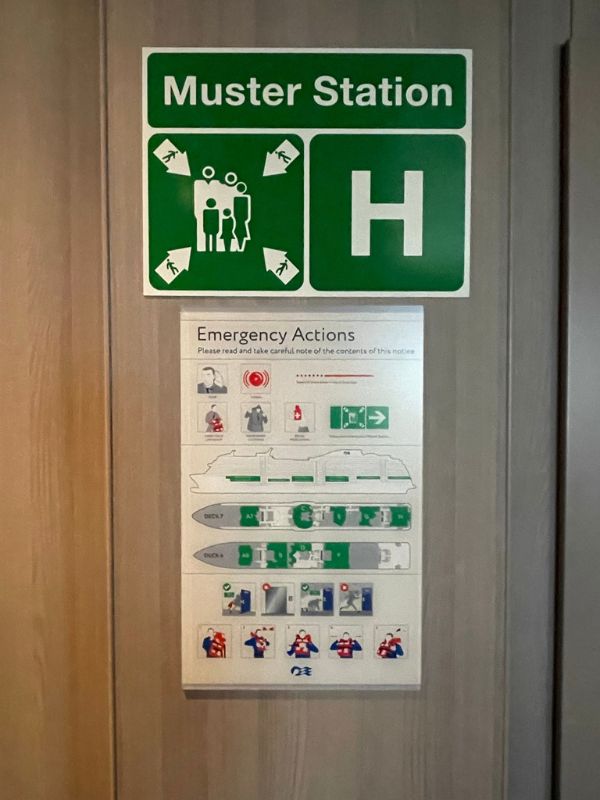
To ensure everyone knows what to do in an emergency, passengers are required to attend a mandatory safety briefing at their designated muster station on the first day of the cruise. During this session, they’re informed about where to go, how to respond, and the procedures for reaching their assigned lifeboat.
You’ll notice newer lifeboats are always bright colors, such as orange or yellow—colors chosen for high visibility. This helps both passengers and rescue teams locate the boats in the water. If someone were to fall overboard, the vibrant color makes it easier for them to spot and swim toward safety.
What’s Inside a Lifeboat?
Cruise ship lifeboats are packed with essential safety equipment to ensure survival in an emergency. These include flares and smoke signals for visibility, survival tools like an illuminated compass, fresh water, food rations, and a first aid kit. Every item is carefully chosen to help passengers and crew stay safe until rescue arrives.
Life rafts, while less equipped than lifeboats, still contain enough supplies to keep everyone onboard safe for multiple days — though rescues typically occur well within 24 hours. These include basic survival items and provisions to handle short-term emergencies effectively.
Food and Water Supplies on Lifeboats
Every lifeboat is required to have enough food rations to sustain its full capacity, providing at least 10,000 kJ (2,390 calories) per person. These rations are carefully packaged in airtight and watertight containers to ensure they remain fresh and usable in any situation. Tinned food is a common choice, and each lifeboat is equipped with at least three tin openers as part of its standard supplies.
In addition to food, lifeboats must carry fresh water—three liters per person is the standard. However, this requirement can be reduced to two liters per person if the lifeboat is equipped with desalination materials to convert seawater into drinkable water. These measures ensure that everyone onboard has access to essential sustenance until rescue arrives.
Do Lifeboats Have Toilets?
Older lifeboats were not equipped with toilets, as their primary focus was on life-saving rather than comfort. However, newer “mega lifeboats,” like those introduced on Oasis of the Seas, now come with onboard toilets to improve the experience during emergencies.
In the past, passengers in lifeboats could expect to be rescued relatively quickly thanks to modern signaling and communication systems, making the absence of toilets less of an issue. If nature called, one would have to make do by going over the side in a safe manner—a more practical option for some than others.
Another common challenge in lifeboats is seasickness. Passengers feeling unwell are encouraged to vomit over the sides of the boat to prevent others from becoming ill, keeping the environment as tolerable as possible during the wait for rescue.
Do Lifeboats Have Engines?
Yes, cruise ship lifeboats are equipped with engines, allowing them to quickly move a safe distance away from the ship in the event of an emergency. In contrast, life rafts don’t always have engines, but they can be launched further out to sea and are equipped with oars for manual navigation if needed.
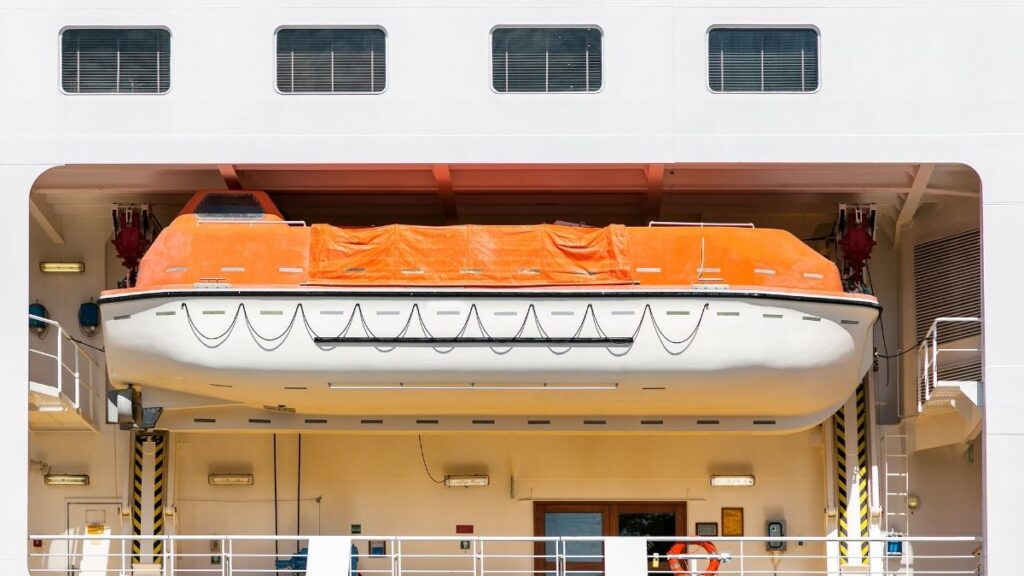
Neither lifeboats nor life rafts are designed for long-distance travel. Their primary purpose is to keep passengers safe and afloat until rescue vessels arrive. While lifeboat engines provide an essential safety measure, they aren’t meant to carry passengers all the way to shore—unless the ship happens to sink near the coast.
Interestingly, lifeboats on cruise ships often serve a dual purpose. In some ports where docking isn’t possible, they’re used as tender boats to ferry passengers to and from the shore.
Wrapping It Up
The days of insufficient lifeboats, like during the Titanic era, are long behind us. Modern cruise ships are equipped with enough lifeboats and life rafts to safely evacuate everyone onboard in the unlikely event of an emergency.
Fortunately, incidents requiring lifeboats are exceedingly rare. Today’s ships are equipped with advanced sensors and cutting-edge navigation systems and are built to withstand even extreme conditions like freak waves.
So, if you’ve ever worried about lifeboat availability on a cruise, rest assured—you’re covered. And chances are, you’ll never need to use them anyway.
Today’s Top Cruise Deals
See today’s best deals from ALL travel agents
You Might Also Like…



Thanks for reading!
I'm Kat, and I've been cruising for as long as I can remember — now I get to carry on the tradition with my own family!
If you enjoy my cruise tips, be sure to follow me on social media for more...