
When you’re sailing through international waters, there’s no police station, no 911 call, and no patrol car ready to swoop in. But that doesn’t mean crime goes unchecked.
Cruise ships have their own systems, and surprisingly effective ones, to deal with trouble at sea. From onboard jails to blocked keycards, here’s how crews keep thousands of passengers safe when there’s no police officer in sight.
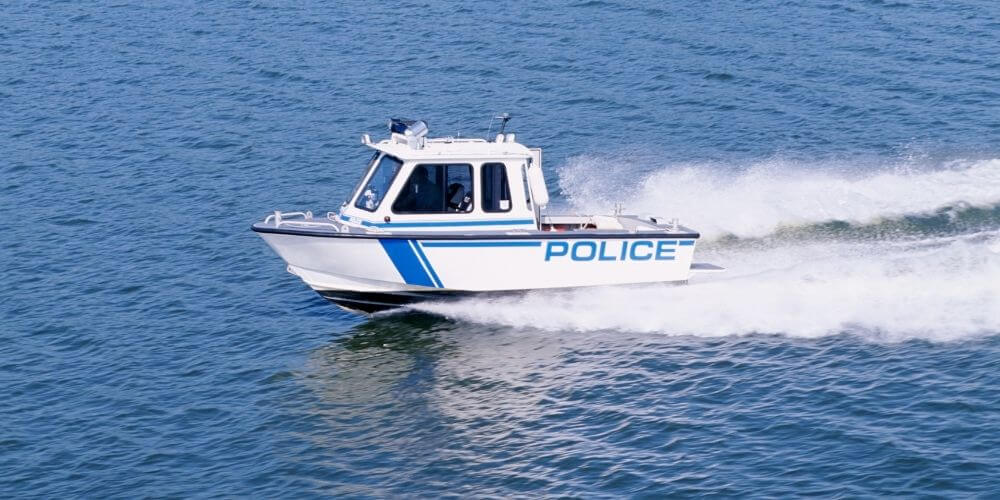
No Police? No Problem (Sort Of)
Unlike on land, there’s no national police force patrolling cruise ships. Once a ship enters international waters, typically 12 nautical miles from the coast, things get more complicated.
Most cruise ships are registered in countries like Panama, the Bahamas, or Liberia. These are known as flags of convenience, and it means the ship operates under the laws of that flag state, not necessarily the country it’s sailing from or visiting.
So, if something serious happens, it’s the law of the registration country that applies, and that can make enforcement tricky. That’s why cruise lines rely on their own trained security teams and internal protocols to handle crime.
Related reading: She Disappeared from a Cruise Ship in 1998, Her Family Still Thinks She’s Alive, and Netflix Is Bringing Her Story Back to Light
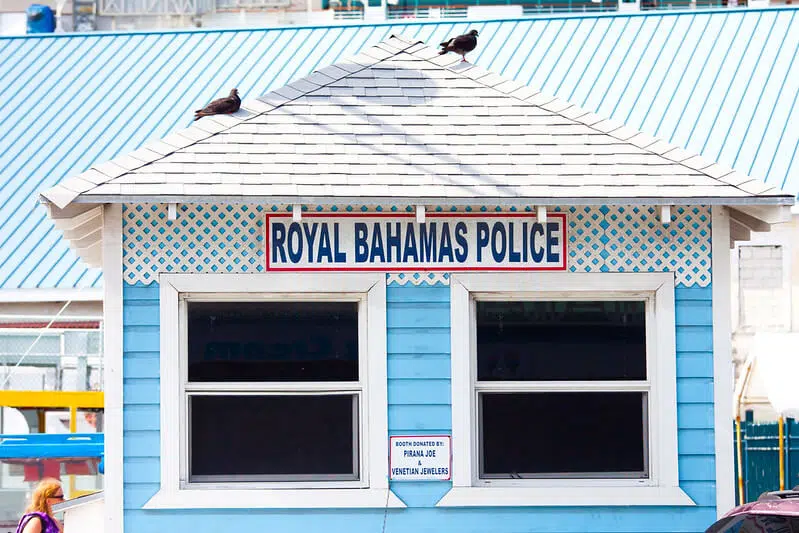
What Kind of Crimes Actually Happen at Sea?
Let’s be clear, crime at sea is rare. According to the Cruise Lines International Association (CLIA), cruising remains “one of the safest holiday options in the world”. Still, it’s not crime-free.
In 2023, cruise lines reported 180 incidents to the FBI under the Cruise Vessel Security and Safety Act. The most common serious offences? Sexual assaults, thefts, and physical altercations, similar to what you’d find in any small town.
But with thousands of people packed into a floating resort, sometimes fueled by unlimited drinks packages and late-night parties, a few bad apples are bound to surface.
Related reading: Passenger Brawl Ends in Lifetime Cruise Ban on Carnival Sunrise
So What Happens If a Crime Is Committed?
If something goes wrong onboard, say a fight breaks out, a theft is reported, or something more serious occurs, the ship’s security team springs into action. Their job is to:
- Secure the scene
- Interview witnesses
- Preserve evidence
- Detain suspects if needed
They operate much like police in the early stages of an investigation, but they don’t have the legal power to arrest. That authority lies with local law enforcement once the ship is docked.
According to Joanne Brine, a partner in the travel litigation team at JMW Solicitors, “The ship’s captain has the ultimate authority to determine how to deal with an alleged crime. The security team may detain individuals and prevent them from using ship facilities, but they cannot arrest anyone in the legal sense.”

Yes, There’s a Jail — But It’s Not Like the Movies
Many modern ships have a “brig”, a secure holding room used to detain unruly or dangerous passengers. It’s usually a small, windowless room with a bed and bathroom, but don’t expect metal bars or orange jumpsuits.
“Larger ships may have a brig to hold passengers, which is a secure room,” says Brine. “Smaller ships may instead have a policy that suspected offenders are confined to their cabins, supervised by trained crew members.”
In some cases, keycards are blocked to prevent purchases or access to certain areas, a surprisingly effective tactic for managing behavior.

The Captain Is the Law at Sea
The ship’s captain has the final say. If a situation escalates, they can order a passenger to be confined or even arrange for them to be disembarked at the next port where local authorities are waiting.
On rare occasions, if a crime is serious and the nearest port isn’t equipped to handle it, the ship may change course or delay departure to hand the individual over to the appropriate authorities.
Cruise lines also have corporate security teams and legal departments that support the ship’s crew in more complex cases, especially those involving international jurisdictions.
What Can You Do to Stay Safe Onboard?
While cruise ships are generally safe, the same common-sense rules apply as anywhere else:
- Lock your cabin door when you’re inside or out
- Don’t leave drinks unattended
- Avoid isolated areas late at night
- Report any suspicious behavior to crew immediately
Most importantly, trust your instincts. If something doesn’t feel right, it’s better to speak up.
Final Word
Just because there’s no uniformed officer walking the decks doesn’t mean cruise ships are a lawless free-for-all. Quite the opposite – behind the scenes, a well-drilled security team is ready to handle almost anything.
So yes, you can relax and enjoy that sea day cocktail, just don’t be the one who ends up in the brig.
Today’s Top Cruise Deals
See today’s best deals from ALL travel agents
You Might Also Like to Read…






Thanks for reading!
I'm Hannah and I've been cruising for as long as I can remember.
If you enjoy my cruise tips, be sure to follow me on social media for more...
