Booking a cruise holiday can be exciting, but it’s important to be aware of all potential costs beyond the advertised price. The initial fare might look appealing, but there are many extra fees that can quickly add up if you’re not careful.

Understanding these extra costs from the start can help you budget better and enjoy your trip without unexpected surprises. From taxes and port fees to charges for internet, drinks, and specialised dining, knowing what to expect will ensure you have a smooth and enjoyable cruise experience.
1. Internet Charges

While you’re enjoying your cruise, you might want to stay connected to friends and family or just browse the internet. However, internet access on cruise ships isn’t typically included in the ticket price.
Cruise ships often offer various internet packages:
- Basic Package: Suitable for checking emails and light browsing.
- Social Media Package: Perfect for staying active on social platforms like Facebook and Instagram.
- Premium Package: Best for streaming videos or attending virtual meetings.
Cruise lines may also offer discounts if you purchase a package before your trip.
The quality of the connection can vary. It may be slower than what you’re used to on land. Being at sea can affect the signal, especially in remote areas.
Tips for Saving Money
- Pre-Purchase Packages: Buy an internet package online before you leave, as it can be cheaper.
- Use Free Hotspots: Some ships have free hotspots in common areas.
- Limit Usage: Try to use the internet only when necessary. Download content before leaving home.
2. Room Service Delivery Fees

When you’re on a cruise, you might expect room service to be part of the overall price. Sometimes, there are extra charges for this convenience.
Common Room Service Fees:
- Basic Delivery Fee: Some cruises charge a small amount each time you order food to your cabin.
- Late-Night Fee: Ordering room service after a certain hour may cost extra.
- Special Menu Surcharges: Items like gourmet dishes or premium snacks can come with an additional price.
3. Drink Costs

When you’re on a cruise, drinks can add up quickly. While some beverages are included, many others are not. For example, alcohol, speciality coffees, and soft drinks usually come at an extra cost.
Purchasing a drinks package can sometimes save you money if you plan to enjoy a lot of beverages. These packages typically cover unlimited soft drinks, coffees, and select alcoholic drinks.
Remember, gratuities might be added to your drink purchases. A service charge of 15-20% could be added to each drink bill.
Keeping track of your drink spending is crucial if you don’t want to be surprised at the end of your trip. To keep everything in check, it might be helpful to set a daily budget for drinks.
4. Beverage Gratuities

When you buy drinks on a cruise, you might notice extra charges on your bill. These are called beverage gratuities. They are added automatically to your account.
Most cruise lines charge around 15% to 20% gratuity on each drink. This charge covers tips for the bartenders and servers. If you order a $10 cocktail, an extra $1.50 to $2 will be tacked on as a tip.
It’s important to keep this in mind when budgeting for your trip. These gratuities can add up quickly, especially if you enjoy cocktails or specialty coffees. You might want to factor this into how much you plan to spend on drinks.
5. Corkage Fees

When you bring your own wine or champagne onboard a cruise, expect to pay a corkage fee. This cost covers the service of storing and serving your bottle in the ship’s dining areas. While it may seem like a small charge at first, these fees can add up, especially if you plan to enjoy several bottles throughout your trip.
Before you board, look into your cruise line’s corkage fee policy to avoid surprises. If the corkage fees are high, it might be more economical to purchase a drinks package offered on the ship.
6. Speciality Coffees

Cruise ships often entice you with delicious speciality coffees. These carefully crafted drinks usually come with a higher price tag, as they are not included in your standard cruise package. If you’re a coffee lover, those extra charges can quickly add up.
To keep track of your spending, consider purchasing a beverage package if you can’t do without your daily dose. This package might save you money on coffees, as well as other drinks on board.
Lastly, don’t forget to check if there are any coffee deals at the ship’s cafe. Sometimes, happy hours or special promotions can make your favourite brew a bit more affordable.
7. Adult-Only Area Access

When cruising, you may look forward to some peace and quiet in adult-only areas. These zones are designed for relaxation, far from the noisy, crowded family sections.
Many cruise lines charge extra for access to adult-only areas. These charges can add up quickly, especially if you plan to spend a lot of time there. It’s worth checking the fees before you book your cruise.
These areas usually have age restrictions, typically allowing only passengers aged 18 or over. Be sure to check these rules, as they might differ from one cruise line to another.
8. Dining Fees

On cruises, many dining options are included in the fare, but not all. Speciality restaurants often charge extra.
Room service may also have a fee. Some cruise lines charge for late-night orders. Keep an eye on your account to avoid surprises.
Many cruises also offer dining packages. These packages can save you money if you plan to dine at speciality restaurants several times during your trip. Check the details before buying to make sure it fits your dining plans.
9. Spa Passes
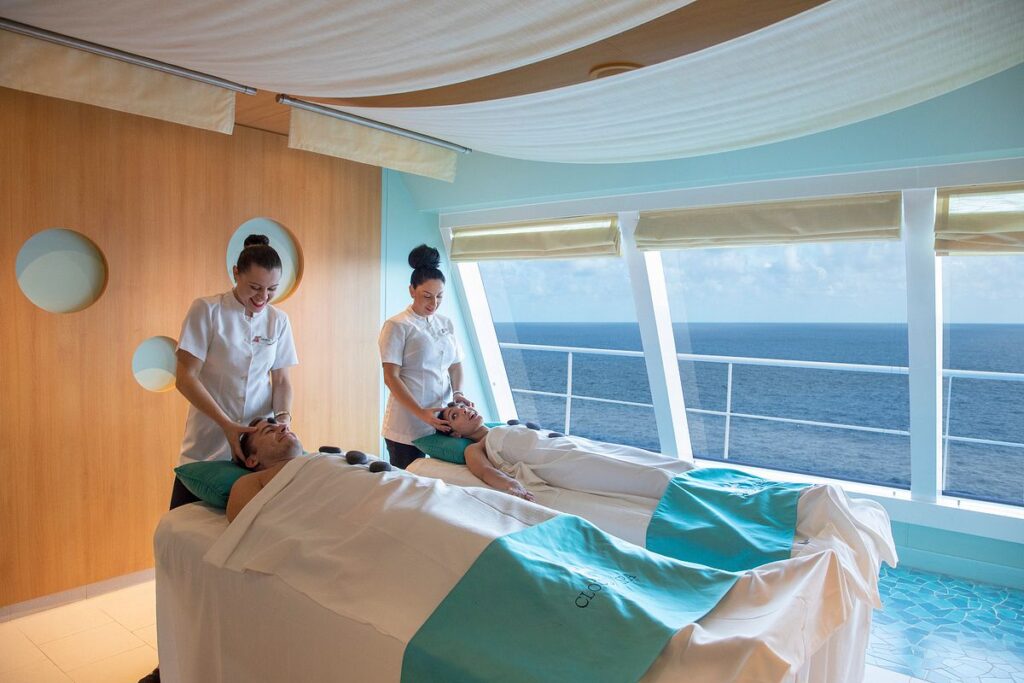
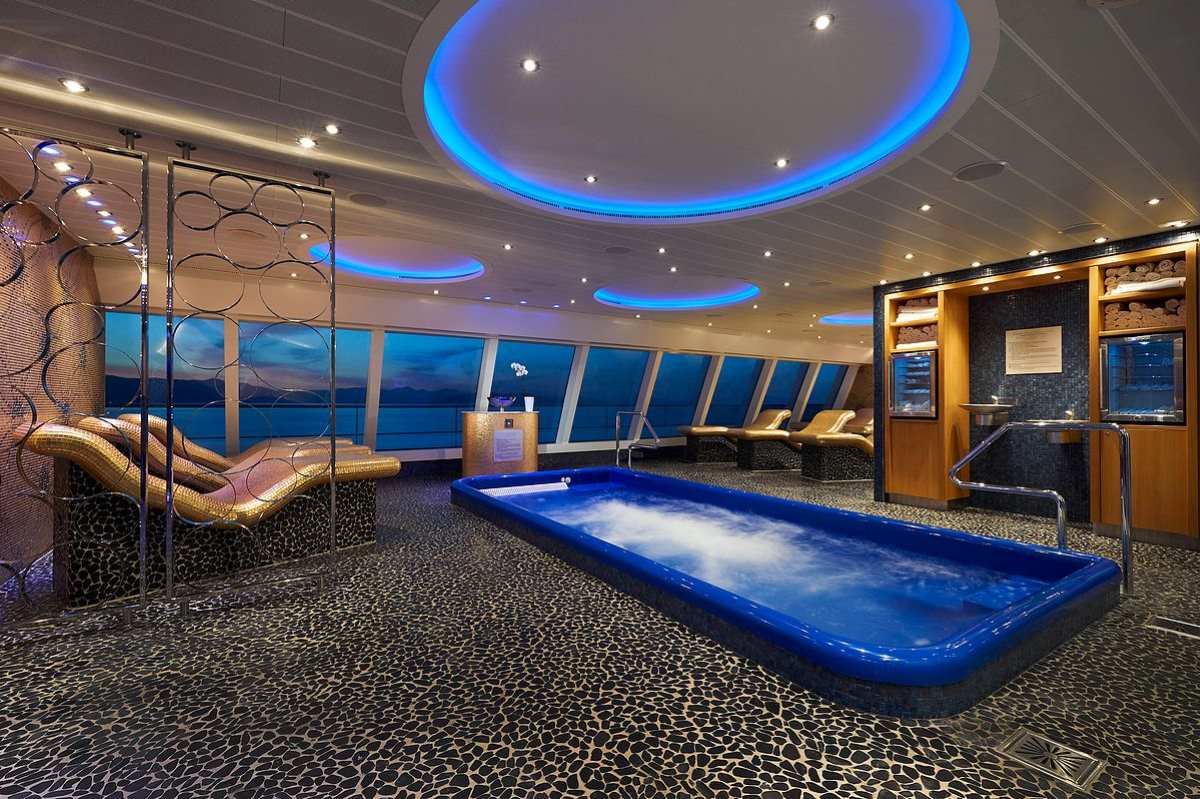
Taking a cruise can be a relaxing escape, but the spa is one area that can add extra costs. Most cruise ships offer a variety of spa services, but these are rarely included in the base fare. Here’s what you need to know:
- Day Passes: Some cruises offer day passes that grant access to spa facilities like saunas, steam rooms, and pools. These passes can cost from $30 to $100 per day.
- Treatment Costs: Spa treatments such as massages, facials, and body wraps come with their own costs. Prices often start around $60 and can go up to $200 or more, depending on the service.
- Discounts and Packages: Look out for bundled packages or discounts offered on port days, which can offer savings compared to regular prices.
10. Attraction Fees

Generally, the onboard entertainment and facilities on a cruise ship are free to use. Amenities such as the FlowRider on Royal Caribbean and the waterslides available on various ships do not incur any additional charges.
However, some attractions do come with extra costs. For instance, arcades operate in the same manner as those on land. More substantial attractions, like the go-karting tracks on Norwegian Cruise Line (NCL) or the Bolt roller coaster at sea on Carnival ships, have a one-time fee. Both of these attractions cost $15, although prices for other attractions may vary.
11. Fitness Classes
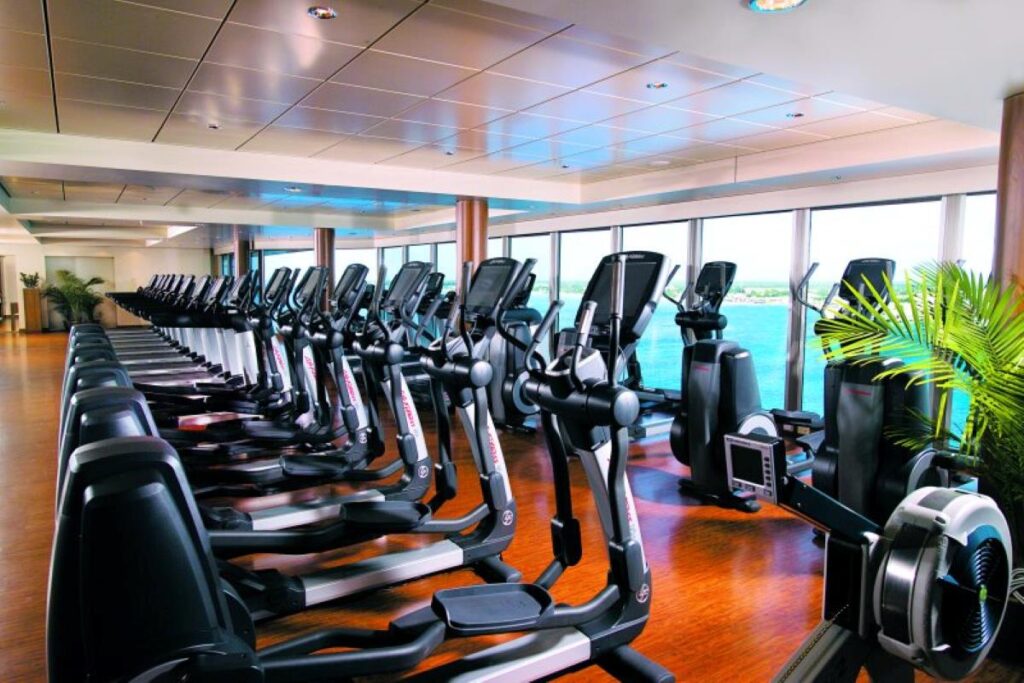
Going on a cruise means staying active with fitness classes right on the ship. Many cruise lines offer a wide range of fitness activities, such as yoga, pilates, and spin classes, led by experienced instructors.
Although they are fun and beneficial, some classes may have extra charges. Always check your cruise line’s policy so you’re not caught off guard by unexpected fees.
Fitness classes are a great way to meet fellow passengers and stay fit while enjoying your holiday. Take advantage of the chance to try something new, stay active, and enjoy your time on board.
12. Casino Gambling

When you step into a casino on a cruise ship, it’s easy to get caught up in the excitement. The lights, sounds, and promise of winning make it very tempting.
The most obvious cost is losing money while playing. It’s easy to keep chasing a win, but you should set a limit for yourself. Also, although drinks might seem free, they’re often factored into the cost of gambling. You might spend more because you want to feel like you’re getting something for free.
Casino gambling can be fun if you do it responsibly, but it’s important to stay aware of the costs involved.
13. Daily Gratuities

On a cruise, you should be prepared for daily gratuities. These are tips automatically added to your account every day to cover the hard work of the crew members. These fees can range between $13 to $20 per person each day, depending on your cabin type and cruise line.
For example, if you are on a family cruise in a standard room, this could amount to $80 a day for a family of four. Over a typical seven-night cruise, this adds up to $560. This fee generally covers a wide range of services, from your cabin steward to dining staff.
Some cruise lines offer the option to prepay these fees upfront, which can help with budgeting. It’s also possible to adjust the amount at the guest services desk onboard if you feel the service warrants it.
14. Onboard Shops

When you’re on a cruise, you’ll likely find shops on the ship selling all sorts of goods. These shops might have souvenirs, clothes, jewellery, and even duty-free items. It might seem like a fun way to spend your time and money, but you should be careful.
The prices in these shops can be higher than what you might pay back home for the same items. It can be tempting to buy that special necklace or branded clothing, but you should compare costs first.
Sometimes, the quality of items purchased onboard may not match your expectations. If the item doesn’t hold up well after the trip, you could be disappointed.
15. Babysitting Charges

When you’re on a cruise, you might want some adult-only time. Many cruise lines offer babysitting services to help with this. It’s good to know ahead of time that these services usually aren’t included in your cruise fare.
Daytime Babysitting: This is often included in the kids’ club programmes, but there might be fees for certain activities or extended hours.
Evening Babysitting: Many ships provide evening babysitting for an extra charge, typically £5 to £10 per hour. Check the cruise line’s policy because prices can vary.
In-Cabin Babysitting: If you prefer a private babysitter in your cabin, expect to pay a higher fee. This service might cost around £15 per hour and must be booked in advance.
16. Taxes and Port Fees
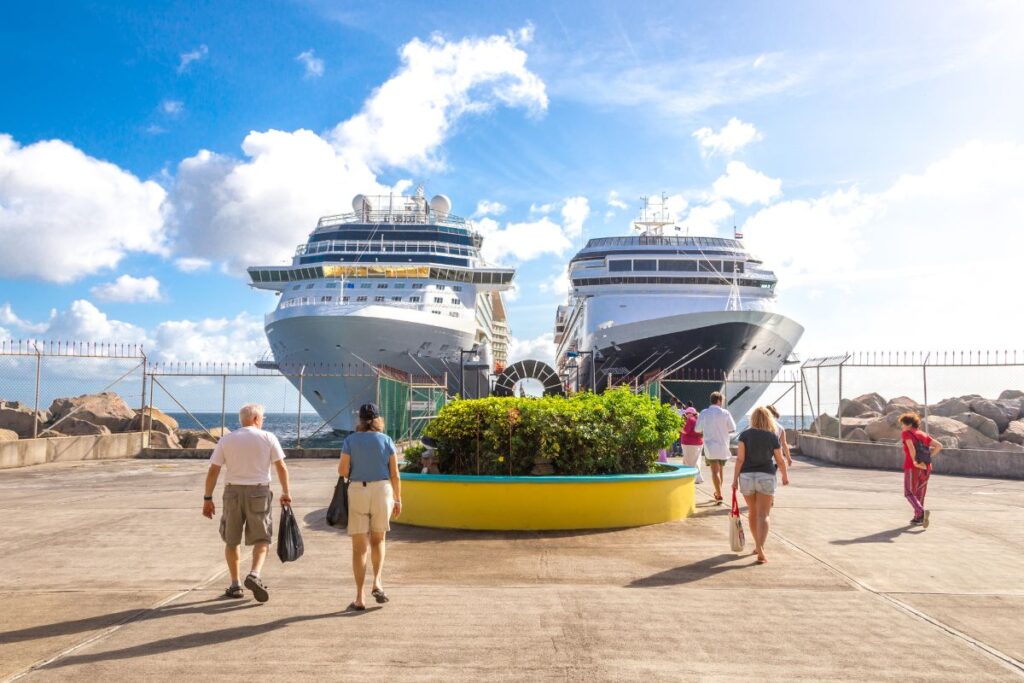
When you book a cruise, it’s easy to overlook taxes and port fees. These fees are not always included in the advertised price of the cruise.
Taxes can vary depending on your destination and the cruise line you choose. They often cover things like local government taxes and environmental fees.
Port fees, on the other hand, are charges that cover the costs of docking at different ports. These fees help maintain the port facilities and cover the costs of security and other services.
To make sure you’re prepared for these extra costs, check the detailed breakdown of your cruise booking. This way, you won’t be surprised by additional fees when you receive your final bill.
17. Porter Tips
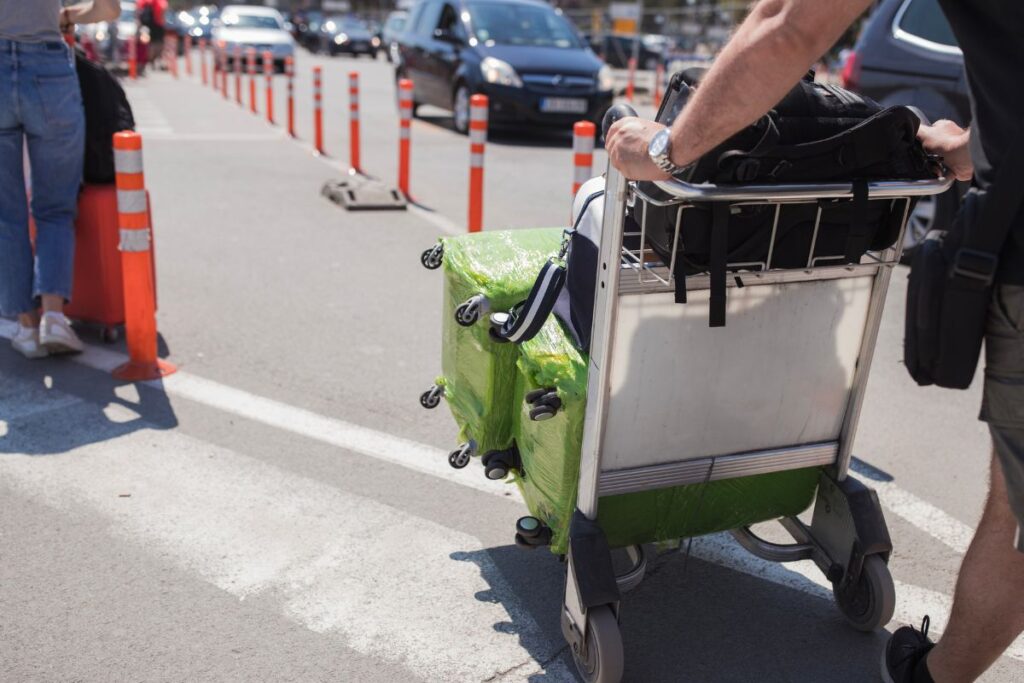
When you arrive at the cruise port, you’ll likely encounter porters who help with your luggage. These assistants make the boarding process smoother by taking your bags from the curb to your cabin. It’s customary to tip the porter for their service, and you can typically expect to give around £1-2 per bag.
Keep small bills handy and hand tips directly to the porter after they assist you.
This way, you’re prepared, and you can glide through the start of your cruise without hiccups!
18. Shore Excursions
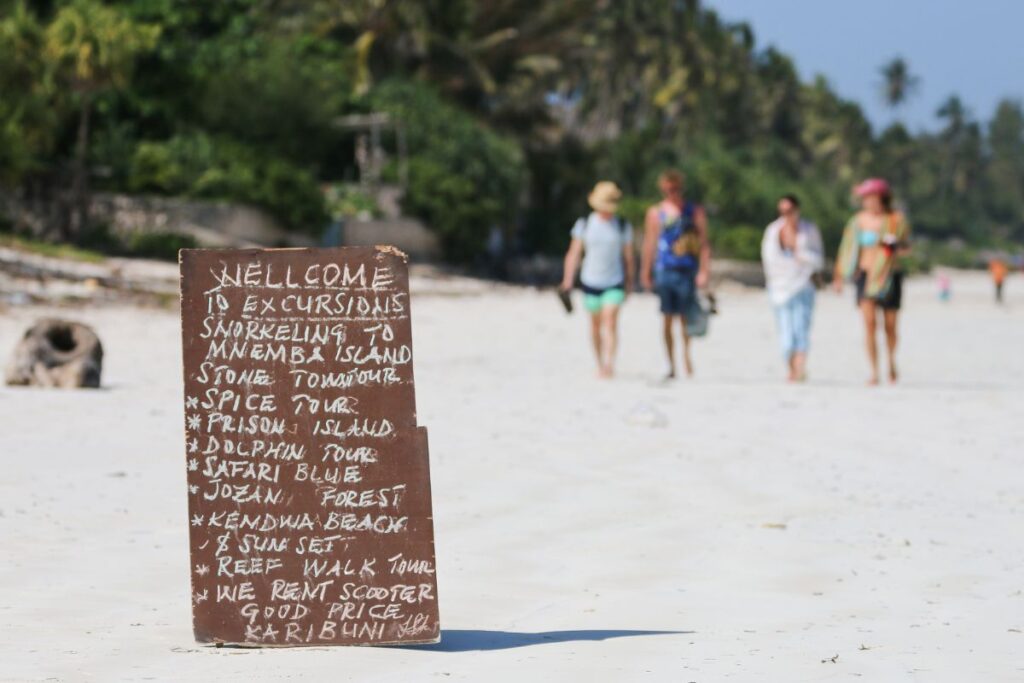
Another expense that might catch you off guard if you’re new to cruising is the cost of shore excursions in each port. These excursions typically come with a fee. Booking through the cruise line often results in higher costs, but it provides the assurance that the ship will wait for you if there are any delays while you are ashore.
It is more economical to book your excursions through a third party or simply disembark and explore on your own. However, do check your itinerary, as the ship may dock some distance away from the main town or attractions.
19. Food and Drink Portside

One expense that people frequently overlook is the cost of food and drink while exploring on port days. Although you may be able to take drinks off the ship, food is not allowed.
You could return to the ship for lunch, but if you intend to dine out, be sure to include this in your budget before you travel.
20. Laundry Services

You might want to use the laundry services on a ship if you prefer to pack light or if you’re on a particularly long voyage. Prices vary depending on the cruise line and whether the machines are self-service or if you use a managed laundry service.
It is cheaper to pack as many outfits as you need, but this also depends on airline luggage allowances if you’re flying out to meet your ship.
21. Photo Charges

When on a cruise, you will notice photographers capturing moments all around the ship. These photos might seem like a nice souvenir, but they often come with a hefty price tag. Many lines will take pictures at various events such as dinners, excursions, and evening shows.
It might be more beneficial to improve your own photography skills and ask fellow guests to take a quick picture of your family when you’re all dressed up.
22. Flights
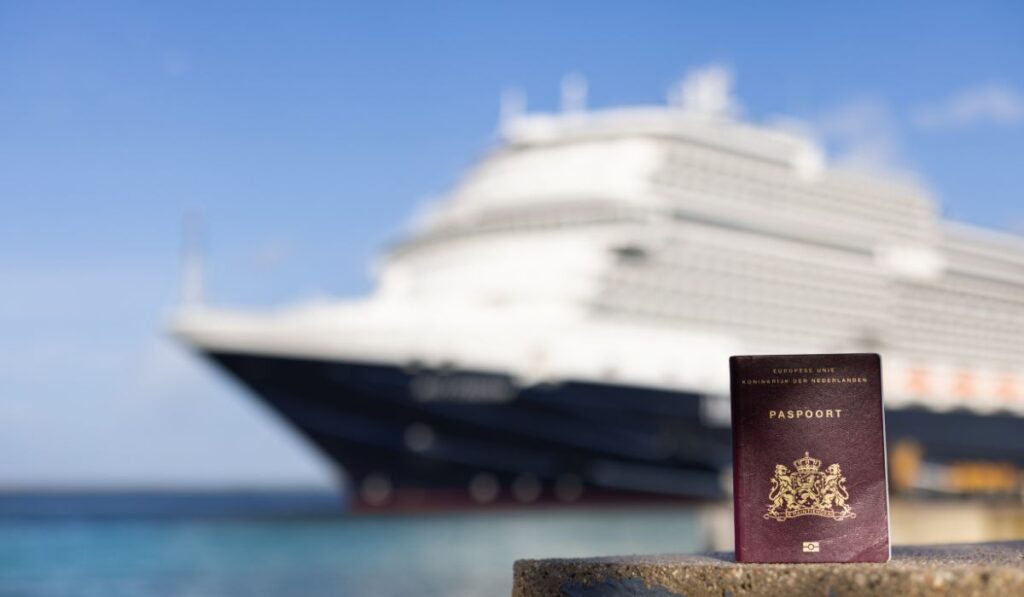
When planning your cruise holiday, it’s easy to forget about the cost of flights. Flights can add a significant expense to your trip. Here are a few things to consider:
- Ticket Prices: Airfare can vary greatly depending on the season, your destination, and how early you book. Always compare prices from different airlines and booking sites.
- Baggage Fees: Many airlines charge extra for checked baggage. Check the airline’s policy to avoid unexpected costs.
- Transfers: Getting from the airport to the cruise port can be pricey. Some cruise lines offer transfer services, but they can be expensive.
- Long Layovers: Cheap flights often come with long layovers. Not only can this extend your travel time, but it might also mean extra costs for food and accommodations.
23. Travel Insurance

Travel insurance is a crucial part of planning your cruise holiday. You may think it’s an extra cost, but it can save you a lot of money if something goes wrong. Imagine cancelling your trip due to illness or a family emergency. With the right insurance, you can get a refund on those lost expenses.
Always carry copies of your insurance documents. Store both printed and digital copies in different places for easy access.
Travel insurance gives you peace of mind, knowing you’re protected against unexpected issues during your cruise.
24. Transfers

When planning your cruise package, remember that flying to your embarkation port is only part of the journey – you also need to arrange transportation from the airport to the cruise port.
You can book transfers, hire private taxis, or use public transport if you feel confident, but you will need to budget for this additional expense.
25. Hotel Stays

When you go on a cruise, you might need to stay in a hotel before or after your trip. These stays can add extra costs to your holiday.
A hotel stay might increase your budget significantly, but it’s worth it to avoid the stress of rushing on your first day of the cruise.
26. Cruise Parking
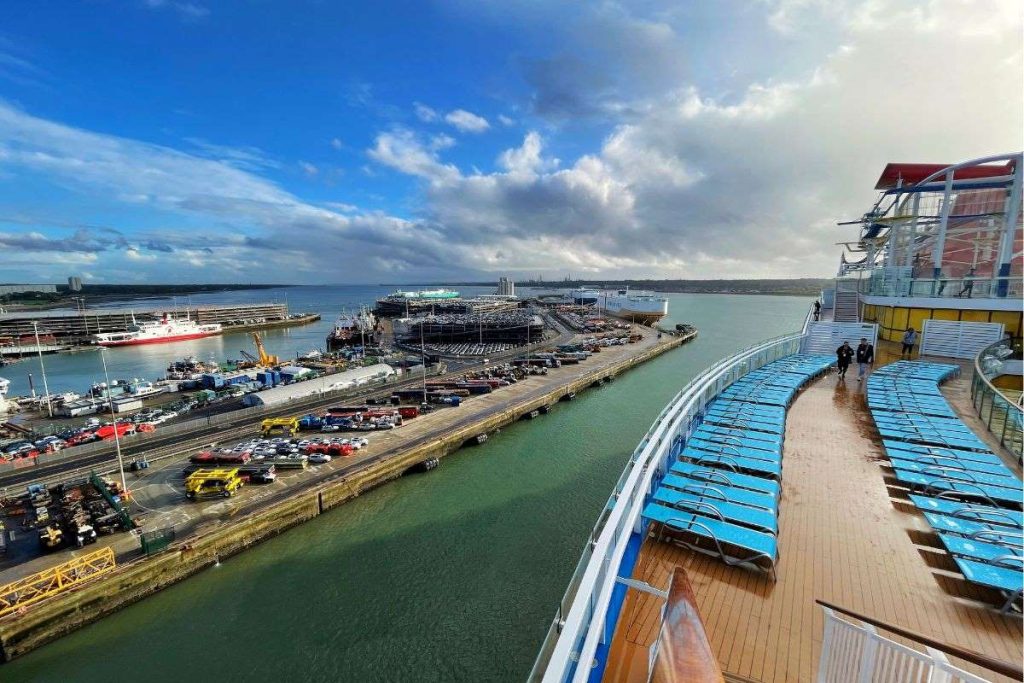
Booking a cruise often means parking your car for an extended period. Many port terminals offer parking, but it’s rarely free. You should expect to pay a daily or weekly fee.
Top Tips for Finding Affordable Parking:
- Book Early: Many parking spots fill up quickly, so secure your space as soon as possible.
- Compare Prices: Look at various parking providers to find the best rates.
- Hotel Deals: Consider hotel packages that include parking.
- Public Transport: If possible, use public transport to get to the port to avoid parking fees altogether.
Today’s Top Cruise Deals
See today’s best deals from ALL travel agents
You Might Also Like…



Thanks for reading!
I'm Kat, and I've been cruising for as long as I can remember — now I get to carry on the tradition with my own family!
If you enjoy my cruise tips, be sure to follow me on social media for more...