A tragic incident aboard Navigator of the Seas has led to a new wrongful death lawsuit that is now drawing national attention. What began as a routine family embarkation day quickly escalated into a series of events that the filing claims should never have happened.
While the lawsuit lays out troubling allegations about alcohol service, security intervention, and medical decisions made on board, the full story raises even bigger questions about how such a situation could unfold in just a matter of hours. And it is those unanswered questions that are now putting Royal Caribbean under intense scrutiny.
What Sparked the Lawsuit Against Royal Caribbean?
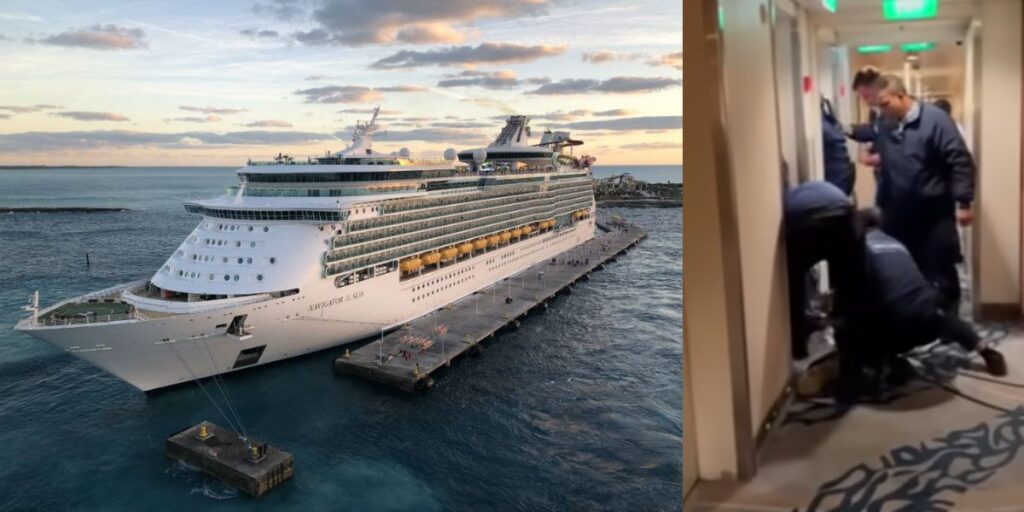
The wrongful death lawsuit was filed by the fiancée of 35-year-old Michael Virgil, who died just hours after boarding Navigator of the Seas for a short cruise out of Los Angeles. According to the filing, the family had only just embarked for their three night sailing to Ensenada when the situation began to spiral.
The complaint alleges that Royal Caribbean’s actions, particularly around alcohol service and onboard safety protocols, directly contributed to the fatal series of events. Virgil’s partner, Connie Aguilar, claims that standard oversight was not followed and that multiple failures combined to create a dangerous environment for her fiancé.
At the heart of the lawsuit is the argument that the cruise line owed a duty of care that was not met. The family is asking the court to recognise the case as a homicide and is seeking damages for emotional suffering, medical costs, and financial loss.
Claims of Extreme Overserving at the Bar
According to the lawsuit, the family’s stateroom was not yet ready on embarkation day, so Virgil and his partner were directed to wait at a nearby bar. When Aguilar left briefly to check whether the cabin had opened, the filing alleges that Virgil remained at the bar and was served an extraordinary number of drinks in a short period of time.
The lawsuit claims he was given at least 33 alcoholic beverages before the afternoon, a figure that raises immediate questions about timing, oversight, and whether such rapid service would have even been practical. Royal Caribbean’s bartenders are permitted to refuse service if a guest appears intoxicated, although the suit argues those policies were not followed.
No toxicology report has been publicly released, but the allegation alone has intensified scrutiny of the cruise line’s alcohol policies, particularly because the Deluxe Beverage Package has no set daily drink limit.
The Chaotic Corridor Incident Captured on Video
Later that evening, the situation escalated dramatically as Virgil became disoriented while trying to find the family’s cabin. According to the lawsuit, he appeared confused and agitated, and his behaviour quickly drew attention from nearby guests and crew members.
Footage shared by another passenger showed him kicking cabin doors and striking a crew member as he moved through the hallway. Several security officers responded and attempted to restrain him, which the filing alleges was done with excessive force.
This moment, captured on video and widely circulated online, has become a key point in the lawsuit, which argues that the confrontation contributed directly to the medical emergency that followed.
Restraint, Sedation, and the Passenger’s Final Hours
After the corridor confrontation, security officers restrained Virgil while attempting to regain control of the situation. The lawsuit alleges that the force used during this restraint was excessive and contributed to the medical crisis that followed.
According to the filing, the ship’s medical team later injected Virgil with a sedative. His family claims that he began experiencing severe breathing difficulties soon afterward, which escalated into cardiac arrest. Despite medical efforts, he died hours later, prompting the family to argue that the case should be treated as a homicide.
The lawsuit suggests that a combination of overserving, physical restraint, and the sedative ultimately led to his death. These allegations will likely play a central role as the case moves through the legal system.
Royal Caribbean’s Alcohol Policies Under the Spotlight

The lawsuit has intensified scrutiny around Royal Caribbean’s alcohol service procedures, particularly because the cruise line does not set a daily drink limit for guests using the Deluxe Beverage Package. While bartenders are expected to stop serving anyone who appears visibly intoxicated, the filing argues that these safeguards were not followed in Virgil’s case.
Royal Caribbean’s written policies give crew members the authority to refuse service and escalate concerns to security when a guest seems impaired. According to the complaint, none of those steps were taken despite what the family claims should have been clear warning signs.
The lawsuit also challenges the protocols used by both security and medical teams once the situation escalated, suggesting that inappropriate handling and medical intervention contributed to the fatal outcome. These allegations raise broader questions about how alcohol related incidents are managed on board.
A Second Wrongful Death Case Raises Bigger Questions
This lawsuit is not the only one Royal Caribbean is currently facing over allegations of overserving alcohol and failing in its duty of care. The family of Dulcie White, a 66 year old Australian guest who fell overboard from Allure of the Seas in October 2024, has also filed a wrongful death suit in Florida.

According to that filing, White had become heavily intoxicated during a themed cruise from Miami and later vanished from her balcony. Her family claims that Royal Caribbean continued serving her alcohol despite clear signs that she was impaired, and that the search efforts that followed were mishandled.
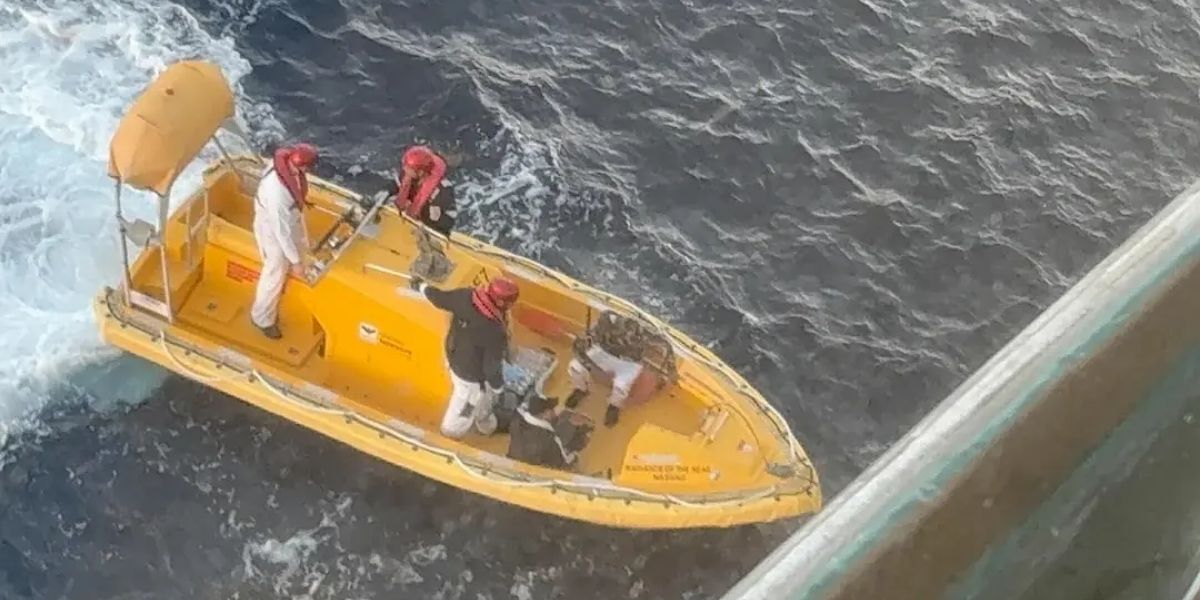
Although Allure of the Seas launched rescue boats, notified authorities, and carried out an extensive 15 hour search with support from nearby vessels and aircraft, she was never found. Both this case and the Navigator of the Seas lawsuit argue that dangerous overservice is a broader industry problem that continues to put guests at risk.
Royal Caribbean’s Response So Far
Royal Caribbean has confirmed that it is cooperating with investigators as the case moves forward. Due to the active legal proceedings, the company has declined to provide additional comments or address the specific allegations raised in the lawsuit.
The cruise line has also not issued any public statement regarding the separate Allure of the Seas wrongful death lawsuit. With two high profile cases now alleging dangerous overservice and failures in onboard safety protocols, Royal Caribbean is facing growing pressure to respond more comprehensively.
For now, both cases remain open, and any outcomes will likely have implications for how alcohol policies and guest safety measures are addressed across the industry.
Today’s Top Cruise Deals
See today’s best deals from ALL travel agents
You Might Also Like…
Thanks for reading!
I'm Kat, and I've been cruising for as long as I can remember — now I get to carry on the tradition with my own family!
If you enjoy my cruise tips, be sure to follow me on social media for more...