The idea of living on a cruise ship full-time might sound like a dream come true. After all, who wouldn’t want to trade daily commutes and endless chores for sunsets at sea, exotic destinations, and hassle-free living?
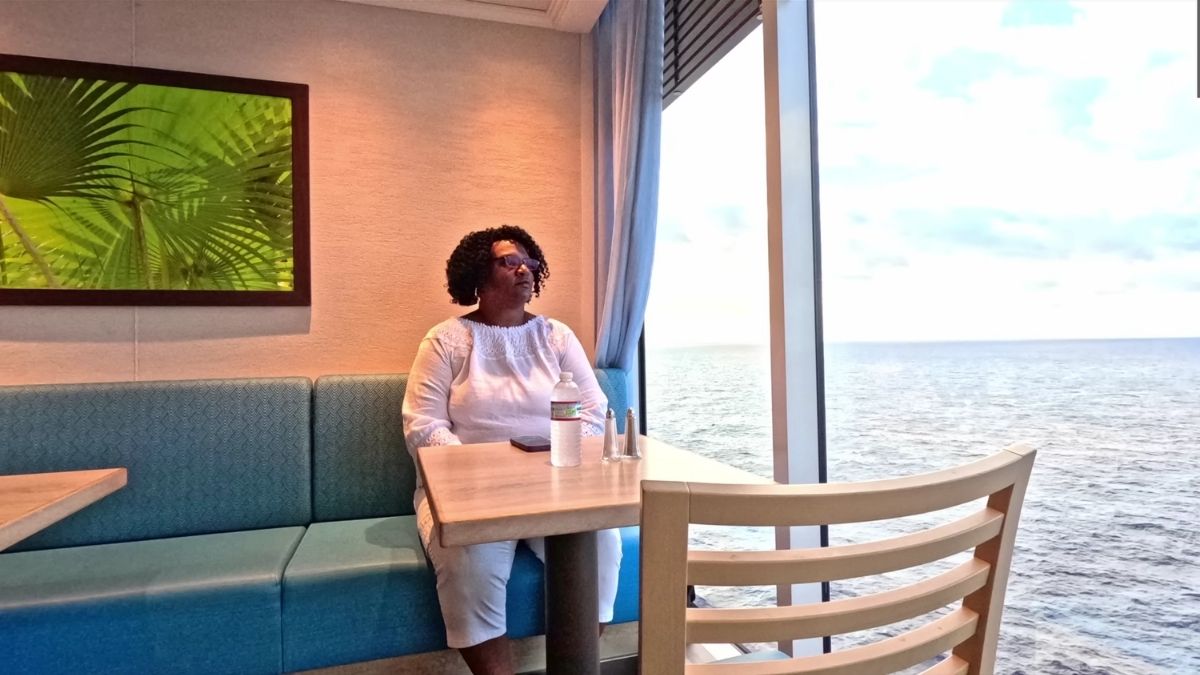
But as Lynnelle, a solo cruiser who sold everything to embrace life on the high seas, reveals in her YouTube video titled Exposing the DARK side of living on a cruise ship, the reality is far from perfect.
While she loves her lifestyle, she also lays bare some serious challenges that anyone considering this move should know. Here, we unpack Lynnelle’s insights, reflect on her experiences, and add a little extra perspective for those dreaming of living on a cruise ship.
Related reading: Woman Who Gave Up Everything to Live Permanently on Cruise Ships Reveals the Things She ‘Hates’ About Life Onboard
Paper-Thin Walls and Noise Galore
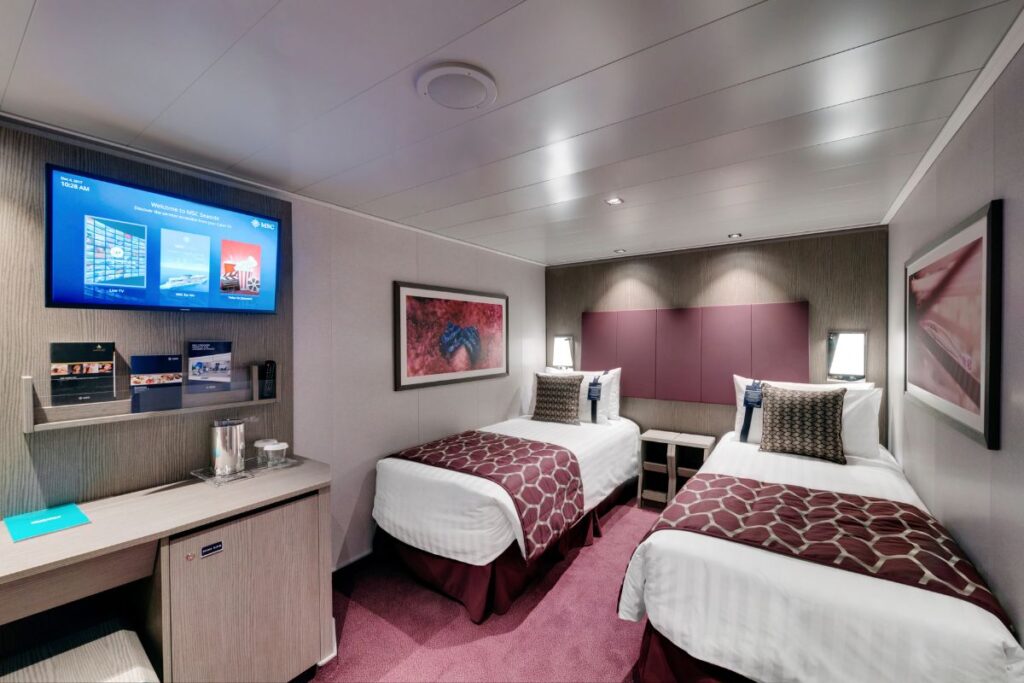
Cruise ship walls, Lynnelle warns, are practically paper-thin. Whether it’s the scraping of pool chairs above, late-night karaoke, or “extracurricular activities” from the neighbors, peace and quiet can be elusive.
Some cabins near high-traffic areas, like theatres or the pool deck, are particularly prone to noise, making cabin selection crucial for long-term cruisers. Lynnelle’s advice? Bring earplugs, maybe a white noise machine, and carefully research cabin locations to minimize disturbances, but even then, don’t expect complete silence.
The Space Dilemma

“Take your current bedroom, cut it in half, and then squeeze a queen-sized bed, nightstands, and everything else you need to live into it.” That’s how Lynnelle describes the reality of cruise ship cabins. Space is tight, and the bathrooms? Even smaller.
For anyone who loves to stretch out or thrives in a clutter-free environment, this can be a tough adjustment. To mitigate this, savvy long-term cruisers recommend minimalist packing and clever storage solutions. But even then, you’re bound to feel the squeeze.
The Introvert’s Struggle

As an introvert herself, Lynnelle appreciates alone time, but living on a cruise ship doesn’t always allow for it. “You’re going to see the same chatty couple at breakfast, lunch, dinner, and even on the elevator,” she explains. For those who thrive on solitude, this can be draining. Even designated quiet areas like adults-only decks or libraries might still have chatter from fellow passengers or interruptions from crew members.
Some introverted cruisers find solace in early morning walks on the deck, utilizing noise-cancelling headphones or scheduling port days for solo exploration. However, the social nature of cruising, from group dining tables to impromptu conversations, means solitude seekers must be prepared to carve out their quiet moments.
The Motion of the Ocean

Even seasoned cruisers like Lynnelle acknowledge that the “motion of the ocean” can take some getting used to. While she’s never been seasick, she admits that stormy weather or the ship’s position (front, back, or middle) can intensify the sensation.
For those new to cruising, choosing a cabin in the middle of the ship and on a lower deck can help reduce the impact of waves. Remedies like motion sickness bands, ginger chews, acupressure wristbands, or prescription medications can be lifesavers.
Additionally, staying hydrated, eating light meals, and stepping out on deck for fresh air are simple but effective ways to manage the queasiness. Lynnelle also suggests trial cruises during different seasons to gauge your tolerance for rougher seas.
The Financial Reality

Living on a cruise ship isn’t cheap. Some spend around $88,000 a year for their inside cabin, including taxes and tips. Opting for a balcony? That’ll set you back over $100,000.
And that’s before factoring in extras like specialty dining, excursions, and souvenirs. For example, specialty dining experiences can cost upwards of $50 per meal, while excursions often range from $100 to $300 depending on the destination.
Additionally, onboard activities like spa treatments or photography packages can quickly add to the total bill. While cruise lines offer loyalty perks and discounts for frequent cruisers, this lifestyle requires a significant financial commitment, one that demands careful budgeting and planning.
Healthcare Challenges

For Lynnelle, healthcare is both a pro and a con. While onboard medical centers are convenient, they’re also pricey. A simple doctor’s visit for an ear infection cost her $150, not including medication, and more complex issues can easily lead to higher bills.
Also, cruise ship medical facilities are not equipped to handle major emergencies, meaning serious conditions may require an expensive evacuation to a hospital on land. For anyone with chronic health conditions or a need for regular check-ups, this can pose a significant challenge, as access to specialists or routine diagnostic tests is limited.
Emergency healthcare insurance is a must for long-term cruisers, as it can help cover costs for medical evacuations and care beyond what the ship’s medical team can provide. Planning ahead with a stocked personal medical kit and ensuring regular check-ups during land visits can also help mitigate these challenges.
Food Variety (or Lack Thereof)

While Lynnelle enjoys the food onboard, even she acknowledges that it can feel monotonous after a while. Menus often repeat every week or so, and picky eaters might find the options limiting. However, for food lovers who enjoy trying new dishes, the variety across multiple dining venues can still be a highlight.
Many cruise ships offer themed nights in the main dining room, specialty restaurants with diverse cuisines like Italian, Japanese, or steakhouse menus, and casual options such as pizza, burgers, or deli counters.
Lynnelle also points out that some cruisers mix things up by dining ashore during port visits, offering a break from onboard offerings and a chance to experience local cuisine.
Unreliable Wi-Fi

As someone who creates YouTube content, Lynnelle understands the frustrations of unreliable cruise ship Wi-Fi. “About 75% of the time, it’s great, but the other 25% will make you want to pull your hair out,” she jokes. Wi-Fi on cruise ships often relies on satellite connections, which can become slow or even unavailable in remote areas or during bad weather.
For digital nomads or those relying on constant connectivity, this is a factor to consider. Streaming or large uploads? Prepare for patience and buffering. Some cruisers suggest downloading content in advance, using offline work tools, and scheduling important online tasks when the ship is docked to take advantage of better connectivity.
The Emotional Side
One of the most poignant downsides Lynnelle discusses is the transient nature of cruise ship life. Friendships onboard can be fleeting, with most passengers staying only a week or two before disembarking. For those who value deep, long-lasting connections, this can feel isolating.
Making connections with the crew can provide some consistency, as they remain onboard for months at a time, but professional boundaries often limit these relationships.
However, Lynnelle embraces the opportunity to meet new people from diverse backgrounds and keeps in touch with a select few who share her journey. She also uses social media to maintain ongoing connections, creating a sense of community even as her neighbors at sea constantly change.
Why Lynnelle Still Loves Cruise Life
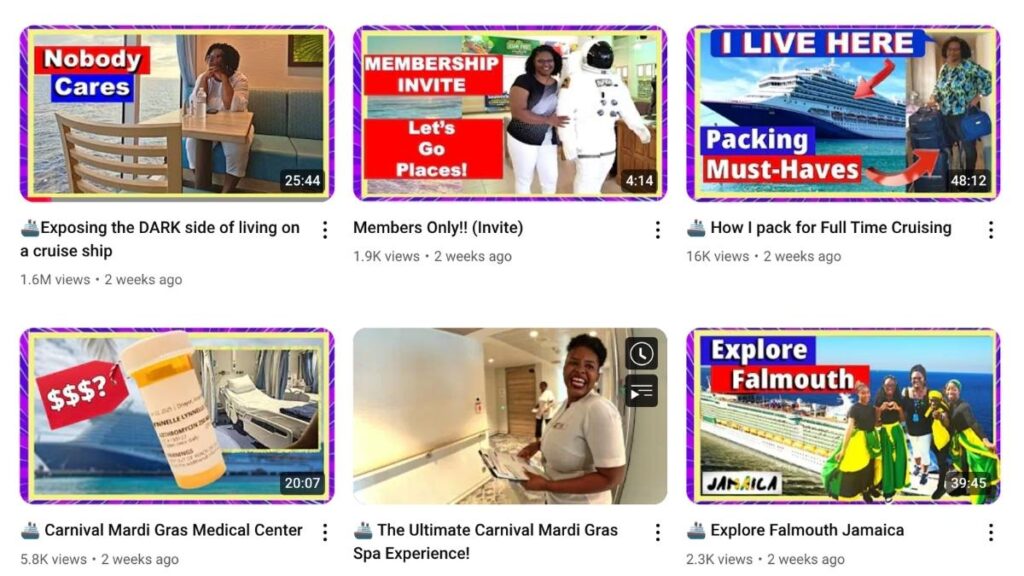
Despite these challenges, Lynnelle passionately champions her lifestyle. For her, the pros, like travel, hassle-free living, and endless adventure, far outweigh the cons. She calls it her “soft life” and relishes the freedom from cooking, cleaning, and daily stress.
Every week brings new destinations, cultures, and experiences, making the sacrifices worth it. She highlights the unique joy of waking up in a new location without ever needing to pack and unpack, and the connections she builds with the crew and fellow long-term cruisers who understand this lifestyle.
👉 If you’d like to hear Lynnelle’s full thoughts, you can watch her video here.
Is Living on a Cruise for You?
Lynnelle’s video offers a candid look at both the glamour and grit of living on a cruise ship. For some, the idea of small cabins, noisy neighbors, and high costs might be enough to stay on land.
For others, the promise of travel and a hassle-free lifestyle could outweigh the downsides. If you’re considering this lifestyle, start by taking a few cruises to test the waters. Who knows? You might just find your version of paradise at sea.
Today’s Top Cruise Deals
See today’s best deals from ALL travel agents
Related Reading





Thanks for reading!
I'm Kat, and I've been cruising for as long as I can remember — now I get to carry on the tradition with my own family!
If you enjoy my cruise tips, be sure to follow me on social media for more...