“How much do cruise ship workers really get paid?” is a question that sparks curiosity for many, whether you’re considering working at sea or are just fascinated by life onboard. With so many different roles, nationalities, and cruise lines, the answer isn’t as straightforward as you might expect.
Alley, who worked on cruise ships for two years, breaks it all down in her video, sharing real figures from her own experience. This article summarizes her insights, covering:
- How much the average cruise ship crew member gets paid.
- What perks and expenses come with the job.
- A detailed breakdown of her salary as a dancer/vocalist.
- How much extra she earned from YouTube.
If you’re curious about the realities of cruise ship pay, keep reading—some of the numbers might surprise you (you can also watch Alley’s full video, near the end of the article).

How Much the Average Cruise Ship Crew Member Gets Paid
When it comes to cruise ship salaries, finding an “average” number isn’t as helpful as it sounds. A quick Google search might suggest that cruise ship salaries range from a few thousand to tens of thousands per month, but in reality, the gap is even wider. Some crew members earn less than $1,000 per month, while others make over $10,000—so what’s the real story?
Why Cruise Ship Salaries Vary So Much
Several factors affect how much a crew member earns:
- Job Role – A bartender, a housekeeper, and a ship’s captain all have vastly different salaries. Many service-based roles rely heavily on tips and commissions, which aren’t included in basic salary figures.
- Nationality & Local Currency – Cruise lines recruit workers from around the world, often targeting countries where lower wages still provide a good standard of living. For example, $800 per month goes a lot further in the Philippines than in the US or UK.
- Cruise Line Differences – Some cruise lines are known for paying higher wages, while others offer lower salaries but provide better perks.
- Experience & Contracts – First-time contracts tend to be lower-paid, but after proving yourself, there’s room to negotiate for higher pay.

Unlike land-based jobs, where salaries follow a general standard within a country, cruise ship pay is highly skewed. Crew members come from hundreds of different countries, and their financial situations vary drastically.
For example, a waiter from Indonesia or India might see $1,000 per month + tips as a great salary, while someone from the US or UK would find that unlivable. The same applies to high-end positions—some performers or officers might make $10,000+ per month, but they’re the exception, not the rule.
What Cruise Ship Crew Members Get for Free
One of the biggest perks of working on a cruise ship is that many essential living expenses are covered. While salaries may seem low compared to land-based jobs, the cost of living is drastically reduced—meaning crew members can save a lot more of what they earn. Here’s what they get for free:
1. Food
Every crew member has access to free meals in designated crew dining areas. While the quality and variety can depend on the cruise line, the fact remains that food is provided at no cost. Some higher-ranking crew members may also be allowed to dine in guest areas or even eat at specialty restaurants with a small discount.

2. Accommodation
Crew members don’t have to worry about rent, utilities, or furniture—everything is included. Cabins vary depending on the position, with higher-ranking staff getting better rooms. Most lower-level crew share small cabins, while officers and some performers might have their own private spaces.
3. Access to Ports
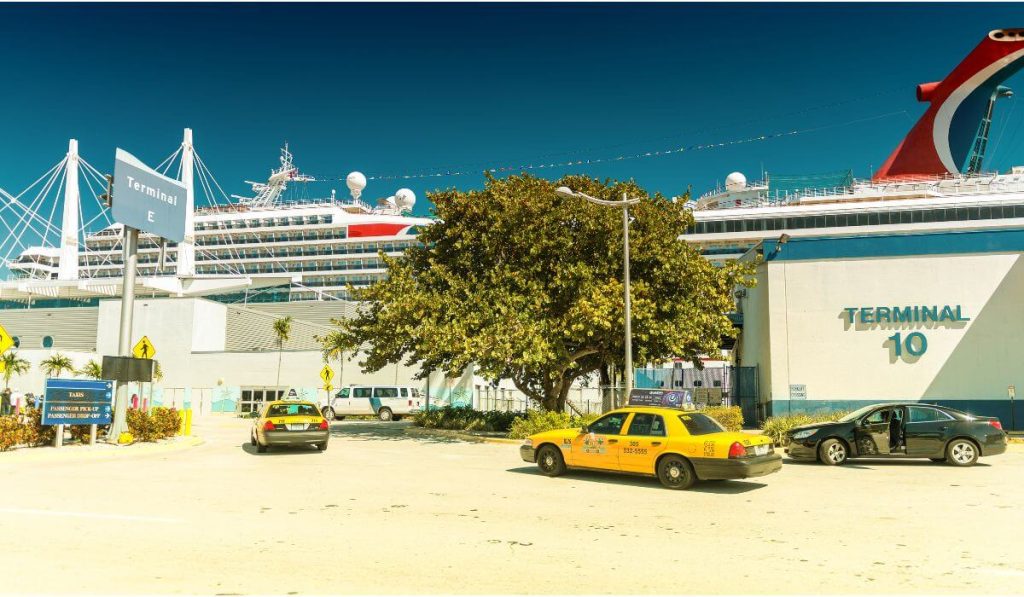
One of the biggest perks of cruise ship life? Free travel. Crew members can explore destinations during their time off without paying anything extra. Whether it’s a beach day in the Caribbean or sightseeing in Europe, there’s no cost to step off the ship and enjoy a new place.
4. Free & Discounted Shore Excursions
Many cruise lines offer free or heavily discounted shore excursions to crew members, depending on availability. This means they can experience guided tours, adventure activities, and cultural excursions at a fraction of what passengers pay—or even for free.
5. Discounted Cruises for Family & Friends
While crew members don’t get completely free cruises during their time off, they do receive significant discounts for themselves and their loved ones. Some cruise lines offer ultra-low rates (as little as $10 per night for a guest sharing the crew member’s cabin), making it an affordable way for family and friends to visit.
6. Medical Insurance & Injury Coverage
Cruise ship workers receive full medical coverage while onboard, and in cases of injury, this protection extends even after leaving the ship. For example, Alley, the creator of the video, was injured during her contract, and the cruise line covered her medical expenses and 80% of her salary while she recovered on land.
What Crew Members Still Have to Pay For
While cruise ship workers get many essentials for free, there are still a few expenses they need to cover. Some crew members manage to spend very little, but in reality, most find themselves paying for at least a few extras. Here’s what they still have to budget for:
1. Internet Access

One of the biggest expenses for crew members is Wi-Fi. Unlike passengers, who often get internet packages included in their fare, crew members usually have to pay for their own access. Rates vary by cruise line, but on Alley’s ship, it was $3.99 for 60 minutes.
There are some small perks:
- Free WhatsApp access for basic messaging.
- Occasionally, cruise lines offer limited free Wi-Fi, such as 120 minutes per week or free access during holidays.
Still, for those who want to stay connected with family and friends, Wi-Fi can become a significant expense over the course of a contract.
2. Transportation in Ports
While getting off the ship is free, getting around in port is not. Crew members who want to explore need to budget for:
- Taxis, Ubers, or public transport
- Rental bikes or scooters
- Shuttle services to and from port areas
Alley mentioned that renting a bike was a convenient way to get around, but these small expenses add up, especially for those who like to explore new places frequently.
3. Food & Shopping Off the Ship

Crew members eat for free onboard, but many still choose to dine out when in port, especially for a break from repetitive crew meals. Expenses here include:
- Restaurants & cafés
- Local street food
- Grocery store snacks
Beyond food, many also spend money on souvenirs, clothing, and personal items, particularly when visiting new destinations.
4. Personal Hygiene & Essentials
While cabins are provided for free, crew members must buy their own toiletries and personal items. Things like shampoo, toothpaste, razors, and deodorant aren’t included. Some prefer to stock up in bulk before joining the ship to save money.
Balancing Saving & Spending
Most cruise ship workers can save a lot because their biggest expenses—rent, food, and bills—are covered. However, it’s easy to overspend on extras, especially when traveling.
As Alley put it, she was always walking the fine line between saving money and enjoying her time at sea. Some crew members keep expenses low and send most of their salary home, while others spend more freely to make the most of the experience.
How Much Alley Got Paid as a Cruise Ship Performer
Now for the big question: How much do cruise ship performers actually make? Alley, who worked as a dancer and vocalist on board, shared a detailed breakdown of her salary—and it’s not as simple as just one fixed number.
1. Salary While Training on Land

Before even stepping foot on the ship, Alley spent two months training on land. During this time, she was paid significantly less than she would be once on board.
- Base pay during training: $300 per week
- Monthly total: $1,328 per month
Even though she wasn’t paying rent, this wasn’t much, especially since she still had to cover groceries, transportation, and personal expenses.
2. Base Salary on the Ship
Once onboard, her guaranteed base salary increased dramatically.
- Base pay for a dancer/vocalist: $3,800 per month
This salary covered her core duties—performing in Broadway-style shows, rehearsing, and participating in various entertainment activities.

3. Extra Earnings from Supplemental Pay
In addition to her base salary, Alley earned extra money through various specialist roles and bonuses. Here’s how:
- Fly Pay (Aerial Performances):~$450/month
- Paid for performing in aerial routines during the shows.
- Understudy Pay:$360/month
- Earned just for learning additional roles, plus an extra $100 per show when she actually performed as an understudy.
- In one particularly busy month, she made an extra $1,000 from understudy performances alone.
- Dance Captain & Company Manager Pay:$11,200/month
- This was a huge salary bump for taking on leadership responsibilities, such as overseeing performances, managing schedules, and handling administrative work.
4. Total Monthly Earnings Onboard
With all these extras factored in, Alley’s salary fluctuated month to month, but on average, she made around $6,500 per month.
For comparison, her first cruise contract paid her around $3,500 per month, which shows how much salary can increase with experience and negotiation.
Was It Worth It?
While the experience was incredible, Alley admits that looking back, the extra responsibilities as Dance Captain & Company Manager weren’t worth the added stress. However, her earnings were significantly higher because of them.
Next, let’s see how much YouTube added to her income—and how it completely changed her financial situation.
How Much YouTube Added to The Income
Cruise ship salaries can vary, but what really changed Alley’s financial situation was YouTube. What started as a side project became a significant income stream, earning her far more than her cruise ship salary.
1. How YouTube Makes Money
Alley’s income from YouTube primarily came from two sources:
- Ad Revenue – Money earned from ads playing on her videos.
- Brand Sponsorships – Companies paying her to promote their products or services.
2. YouTube Ad Revenue: $3,000/Month
Alley started earning her first 7 cents from YouTube in March of 2023. Fast forward, and she was soon making between $1,000 and $5,000 per month, depending on video performance. On average, she earned about $3,000 per month from YouTube ads.
3. Brand Sponsorships: $10,000/Month
Beyond ad revenue, brand deals brought in even more money. These included sponsored videos, Instagram posts, and TikTok content.
This meant that, by the end of the year, she was averaging a combined $13,000 per month from YouTube alone—far exceeding what she was making from cruise ships.
4. Total Monthly Income: $19,000+
Combining her cruise ship salary (~$6,500/month) and YouTube earnings (~$13,000/month), Alley was bringing in around $19,000 per month.
5. The Power of Online Income
What’s even more impressive is that when Alley was injured and placed on medical leave, she continued receiving 80% of her cruise ship salary while recovering. However, her YouTube earnings kept growing, giving her financial freedom beyond her cruise ship contract.
Now that she’s officially cleared from medical leave, she’s no longer receiving her cruise ship salary—but with YouTube earnings alone exceeding $10,000 per month, she has more options than ever.
Final Thoughts: Can You Make Money on a Cruise Ship?
- Cruise ship pay varies wildly depending on role, experience, and nationality.
- The low cost of living on board means that crew members can save more than in land-based jobs.
- Extra income from tips, commissions, and promotions can significantly boost earnings.
- Building an online income (like YouTube) can provide financial freedom beyond a cruise ship contract.
For Alley, what started as a cruise ship job turned into an online career, proving that opportunities exist beyond the ship—if you’re willing to think outside the box.
Today’s Top Cruise Deals
See today’s best deals from ALL travel agents
You Might Also Like…









Thanks for reading!
I'm Kat, and I've been cruising for as long as I can remember — now I get to carry on the tradition with my own family!
If you enjoy my cruise tips, be sure to follow me on social media for more...