Cruise lines love to sell the dream: sparkling pools, endless buffets, and cocktails at sunset. And to be fair, most cruises really are amazing. But behind the glossy brochures and smiling crew members, there are plenty of things the cruise industry would rather you didn’t know…
1. You Can Order Multiple Dishes at Dinner

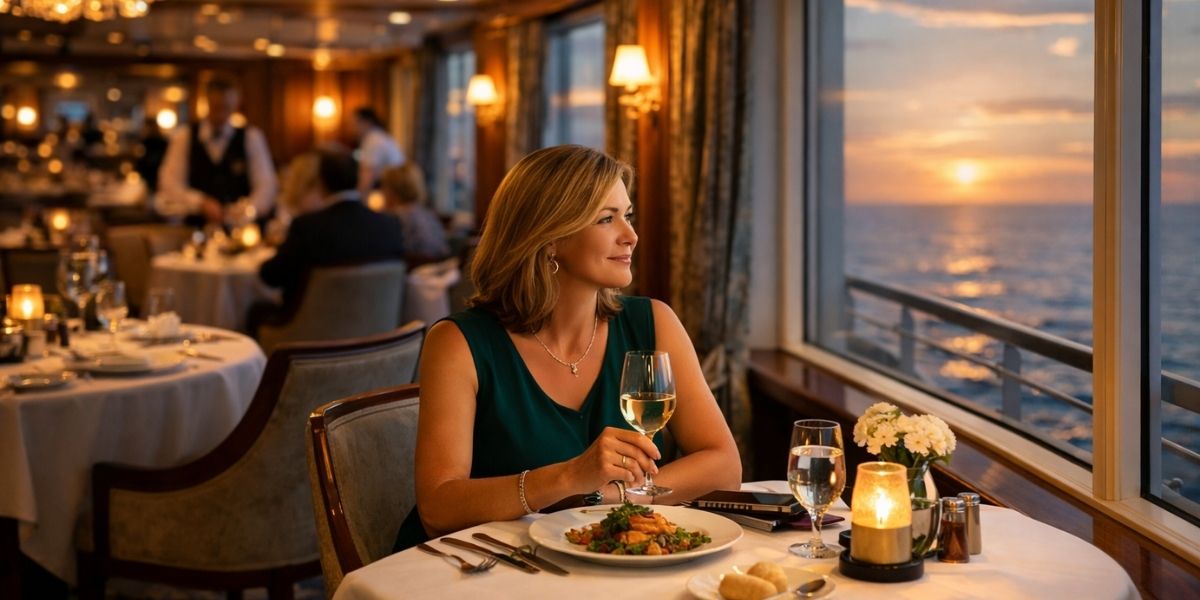
Here’s one of the first “hidden” perks that many new cruisers never realize. When you dine in the Main Dining Room, you are not limited to a single starter, main course, and dessert. You can order as many dishes as you like, and the waiters will be happy to serve them.
If you can’t decide between the steak and the salmon, or if you want to try both desserts, go ahead. It’s completely normal. The portions are usually smaller than restaurant servings, particularly on lines that cater to older guests.
Some cruise lines have started charging a small fee if you order more than two main courses, but it’s usually only a few dollars. Just remember to avoid wasting food. Enjoy the variety, but don’t let your appetite get carried away.
Pro tip: if you find a favorite dish one night, you can often ask for it again later in the cruise. The galley team will usually make it happen if the ingredients are still available.
Related reading: 10 Secret Menu Items You Can Order on Every Cruise (If You Know to Ask!)
2. There’s (Almost) Always a Free Option

Cruise lines are experts at tempting you to spend a little extra. From afternoon tea in a “special venue” to premium coffee, smoothies, and extra-charge restaurants, there always seems to be something that costs more. But here’s the secret: there is almost always a free version hiding somewhere else on the ship.
You can easily create your own afternoon tea by grabbing sandwiches, pastries, and cakes from the buffet. The Main Dining Room often serves similar dishes to the specialty restaurants, especially on themed nights. Even if you crave something healthy, you can find fresh fruit and juice in the breakfast buffet instead of buying expensive “detox” drinks at the spa.
If you are trying to keep your onboard spending low, start by exploring what’s already included in your fare. Many of the extras you see advertised have a no-cost alternative that’s just as satisfying once you know where to look.
3. Free Drinks Exist If You Know Where to Find Them

Cruise ships are packed with bars and lounges, and most of the drinks you order will cost extra. But what many people don’t realize is that free drinks do exist onboard. You just need to know when and where to look for them.
Art auctions are a great example. They often serve complimentary glasses of sparkling wine to help set the mood. The same goes for spa open houses and promotional events. These are designed to get you in the door, but you’re under no obligation to buy anything. You can enjoy your free drink, say thank you, and walk away.
It might feel cheeky, but there’s nothing wrong with attending one of these events just for the perks. Cruise lines plan for it, and plenty of experienced cruisers take advantage of these little bonuses. Keep an eye on your daily planner or app, and you’ll spot the opportunities easily.
Suggested reading: More Cruisers Are Saying No to Royal Caribbean’s Drink Packages – Here’s What They’re Doing Instead
4. It’s Cheaper by the Bottle (Sometimes)
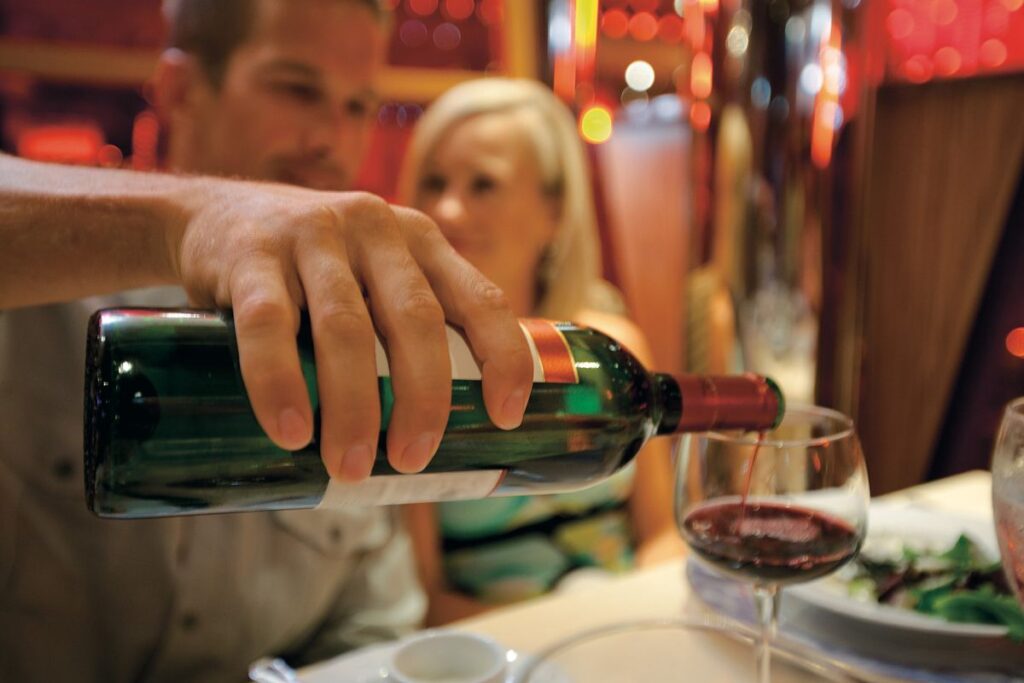
If you enjoy wine on your cruise, here’s a tip that can save you money. In many ship bars and restaurants, buying wine by the bottle is often cheaper than ordering it by the glass. It’s worth checking the price list before you order, as the savings can be surprising.
You don’t have to drink the whole bottle at once either. Your waiter can re-cork it and store it safely for the next evening, or you can take it back to your cabin to enjoy later.
However, there’s a twist. On some ships, the math works out differently, and buying three individual glasses can actually cost less than a full bottle. If you have a drinks package, remember that bottles are usually not included, while glasses are.
So before you order, do a quick calculation or ask your waiter for advice. It takes a few seconds, but it might save you enough for another cocktail later in the cruise.
5. How to Dodge Corkage Fees

Most cruise lines let guests bring a limited amount of alcohol on board, usually one or two bottles of wine per cabin. The catch is that you’re supposed to drink it in your stateroom. If you want to enjoy it in a restaurant or lounge, the line will often charge a corkage fee, which can range from $10-35 dollars per bottle.
One exception is Holland America Line that charges corkage even for cabin consumption. I recommend checking your cruise line’s specific policy because they each may vary slightly.
Here’s where a little creativity can save you money. You’re allowed to take your wine glass back to your cabin, fill it there, and then bring it with you to dinner. As long as you are discreet and respectful, no one is likely to question you.
Of course, the key is moderation. Cruise lines are not trying to spoil your fun, but they are strict about the rules. If you follow the guidelines and enjoy your own wine sensibly, you can have your favorite bottle at dinner without paying a penny more.
6. All-Inclusive Rarely Means Everything

When you see a cruise advertised as “all-inclusive,” it’s easy to think you’ll never have to spend another cent once you’re on board. Unfortunately, that’s rarely true. The word “all” can be a little misleading, and many cruise lines include only certain items in their packages.
Ultra-luxury cruise lines come closest to offering a truly all-inclusive experience, but even then, there are exceptions. Some specialty restaurants, premium wines, or shore excursions might still cost extra. On mainstream cruise lines, the differences can be even greater. You might have unlimited beer and wine but still need to pay for cocktails, gratuities, or Wi-Fi.
Before you book, always check the fine print to see exactly what’s included. It’s easy to compare the cost of an all-inclusive fare against a basic one with add-ons. Sometimes the upgrade is worth it, but other times you’ll save hundreds by paying as you go. Knowing the details will help you choose the best value for your style of cruising.
Recommended reading: 7 Cruise Cutbacks That Nobody Asked For, But Everyone’s Noticing
7. Not All Cabins Are Created Equal
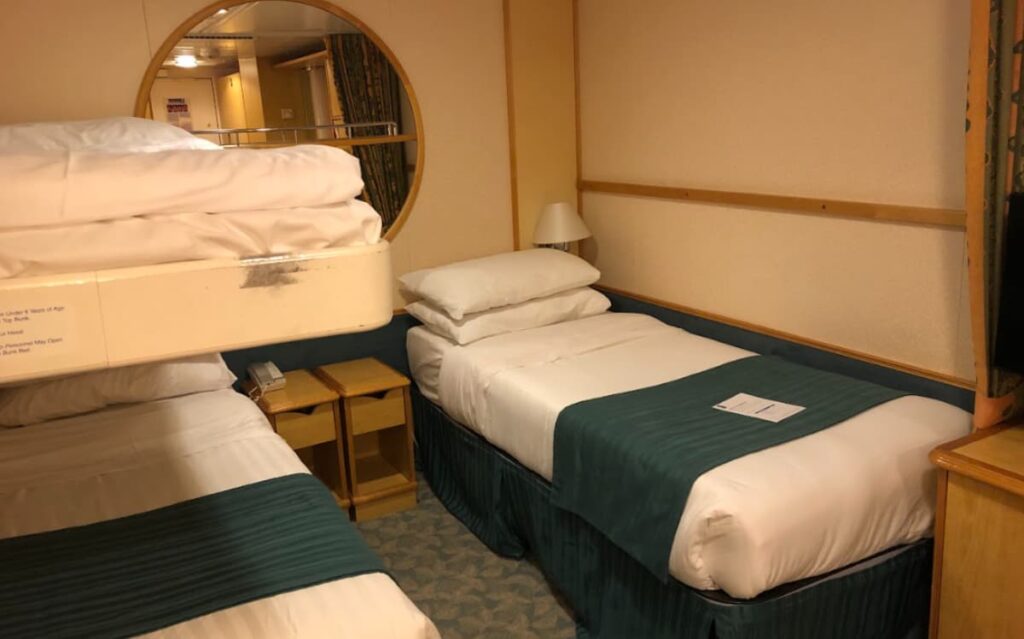
When you book your cruise, you’ll usually choose from a few basic cabin types such as Inside, Oceanview, Balcony, or Suite. But within each category, some rooms are far better than others. Cruise lines don’t always make that obvious, since they need to sell every cabin on the ship.
Before you book, take a good look at the ship’s deck plans. Avoid cabins directly above or below the theatre, nightclub, or pool deck, as these can be noisy at night or early in the morning. Rooms close to lifts and stairwells also get more foot traffic, so they’re not ideal if you want peace and quiet.
For the smoothest sailing, look for a cabin that has other cabins both above and below it. These tend to be quieter and more private. A few minutes of research before you book can make a huge difference to your onboard comfort.
8. Upgrade Packages Aren’t Always Worth It
Many cruise lines offer tempting upgrade options or premium fare packages that promise extra perks. They might include onboard credit, free parking, faster Wi-Fi, or a drinks package bundled into your fare. These can sound like great deals, but they’re not always the best value once you break down the costs.
Before you pay for an upgrade, take a moment to check what you would actually use. For example, P&O Cruises offers a Select fare that includes parking in Southampton or coach travel to the port, plus cabin choice and onboard credit. If you don’t need those extras or don’t care where your cabin is, you could save money with the Saver fare instead.
Some packages, like Princess Cruises’ Princess Plus or Princess Premier, are genuinely better value than buying each benefit separately. But not all bundles are created equal. Do a quick comparison before you book, and you might find that skipping the upgrade gives you the same experience for less money.
9. Seasickness Still Happens
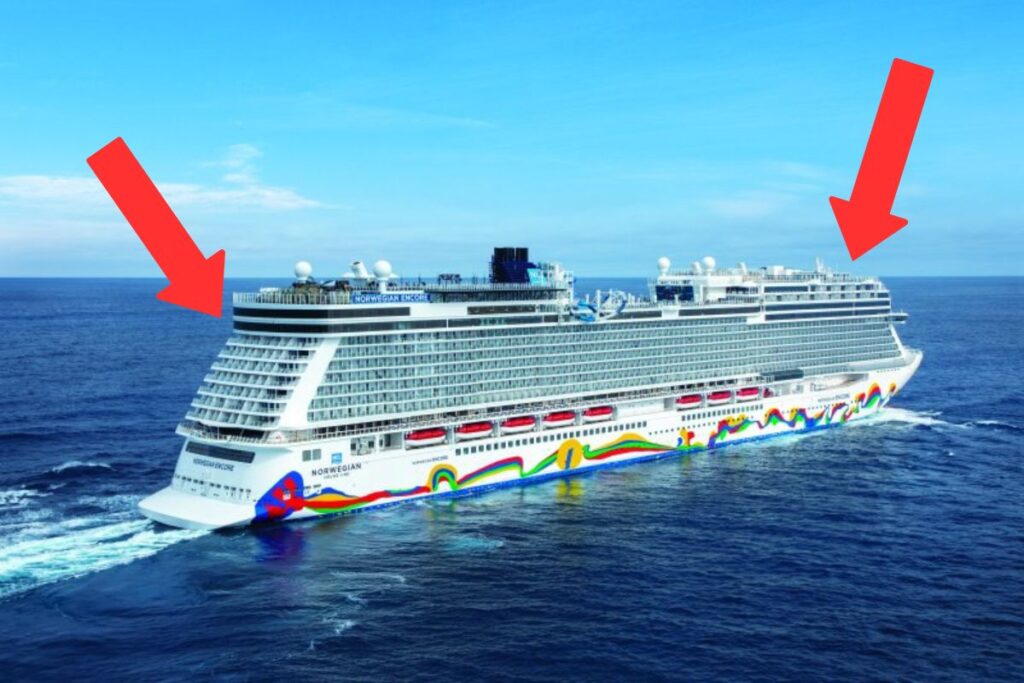
Modern cruise ships are incredibly stable, and many passengers never feel a single wobble. Still, seasickness can happen, especially on smaller or older ships that don’t have the most advanced stabilizers. Even big ships can rock a little in rough weather or when crossing open seas.
If you’re prone to motion sickness (like me), a few smart choices can make your cruise far more comfortable. Book a cabin on a lower deck in the middle of the ship, where movement is least noticeable. Pack seasickness tablets or wristbands just in case, and try to spend time looking at the horizon if you start to feel queasy.
Most passengers don’t experience serious symptoms, but it’s better to be prepared. A few simple precautions can make sure a little movement doesn’t spoil your holiday.
Related reading: These are the 8 Roughest Seas for Cruise Ships to Navigate
10. Shore Excursions Don’t Have to Break the Bank

When your ship docks in port, the cruise line will offer a range of organized shore excursions. These might include sightseeing tours, beach breaks, or cultural experiences. While they can be fun and convenient, they often come with inflated price tags.
The truth is that you can usually find similar tours for much less through third-party companies or by booking directly with local operators. Many ports also have free shuttle buses to town, so it’s easy to explore independently if you prefer.
Of course, there’s a balance to strike. Official excursions come with a guarantee that the ship will wait if your tour runs late. If you go off on your own, that safety net disappears. But for straightforward destinations close to the port, skipping the ship’s excursion can save a lot of money without adding much risk.
Related reading: 16 Best Walkable Cruise Ports You Don’t Need Excursions For
11. The Crew Work Harder Than You Realize

Cruise ship crew members are the heartbeat of every voyage. They work incredibly long hours, often seven days a week, for months at a time. Many crew members go weeks without a full day off, yet they always greet guests with genuine smiles and energy.
When their contracts end, they’re required to take a few weeks’ break before starting again. During their time onboard, however, the workload can be intense. That’s why gratuities are so important. They’re not just a tip – they’re a big part of the crew’s income and shared among the staff who make your holiday run smoothly.
If you ever have an issue with service, it’s better to speak with Guest Services rather than remove your gratuities. Doing so affects many behind-the-scenes team members who work hard to keep everything spotless and efficient. A small gesture of appreciation goes a long way when it comes to life at sea.
Related reading: The Truth About Tipping on a Cruise: What Crew Members Really Think
12. Sickness Bugs Can Spread Quickly
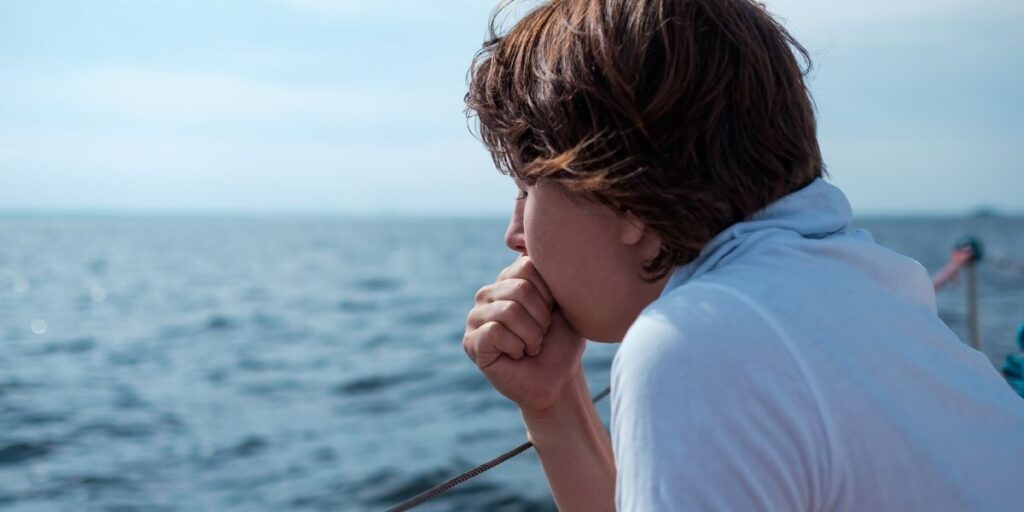
Cruise ships are not the floating germ factories some people imagine, but it’s true that illnesses can spread faster in a closed environment. With thousands of passengers sharing dining areas, handrails, and buffet utensils, it only takes a few careless habits for bugs like norovirus to appear.
The good news is that it’s easy to stay healthy. Wash your hands regularly, especially before eating, and use the sanitizer stations provided around the ship. Avoid touching shared utensils in the buffet with your bare hands and keep your cabin clean by using disinfectant wipes if you’re being extra cautious.
Most cruise lines take hygiene very seriously, and outbreaks are rare. Still, a little common sense goes a long way. The best cruisers know that staying healthy on board is mostly about good habits, not luck.
13. You Might Not Need Wi-Fi at Sea
Cruise Wi-Fi packages can be expensive, and even the fastest connections can still feel slow compared to what you’re used to at home. Unless you need to work while onboard, you may not need to buy one at all.
Many ports have cafés, bars, or shopping areas that offer free Wi-Fi, and the crew often know exactly where to find the best signal. You can download maps and apps before you sail, then switch to airplane mode once onboard to avoid roaming charges.
If you just want to stay in touch with family, some ships offer messaging options in their mobile app that work without a full internet package. Turning your cruise into a mini digital detox can be surprisingly refreshing. You’ll enjoy the moment instead of staring at a screen, and you’ll save a few extra dollars too.
14. Cruise Prices Constantly Change

Cruise fares don’t stay still for long. They move up and down throughout the year depending on demand, promotions, and how many cabins are left. This means the price you pay might not be the same as what another passenger pays for the exact same cruise.
Many cruise lines use dynamic pricing, which means fares can change daily. Sometimes prices drop after you’ve booked, and in some cases, you might be able to claim onboard credit if that happens. But you usually have to act fast and contact the cruise line or your travel agent before final payment is due.
The best strategy is to book early to lock in a good deal or keep an eye out for last-minute bargains if you’re flexible. Just remember that waiting too long can mean missing out entirely, especially during school holidays or peak seasons.
Suggested reading: 20 Money Saving Tips Every Cruiser Needs to Know
15. There’s a Morgue Onboard
It might sound morbid, but it’s true: every cruise ship has a small morgue onboard. With thousands of passengers sailing at once and many guests being older travelers, cruise lines need to be prepared for any situation.
Deaths at sea are rare, but they do happen occasionally, especially on longer voyages. When they do, the process is handled with complete professionalism and privacy. The morgue is located deep within the ship, and most passengers will never know it exists.
The idea might feel unsettling, but it’s simply a practical necessity. Cruise lines have strict procedures to deal with emergencies, and the crew are trained to handle them with care and discretion. It’s one of those things you hope is never needed but will be managed smoothly if it is.
Related reading: 8 Hidden Places on Cruise Ships You Probably Didn’t Know Existed
16. Pirates Still Exist

It might sound like something from an old adventure movie, but modern-day piracy is still a real, if rare, concern. A small number of cruise itineraries pass through regions where piracy remains a risk, such as parts of the Gulf of Aden and the Indian Ocean.
Before you worry, know that the chances of an incident are extremely low. Cruise lines work closely with maritime authorities and take security very seriously. Ships sailing through these regions are equipped with strong safety measures, including powerful water cannons and sound devices designed to deter small boats from getting close.
In most cases, passengers never even know that extra precautions are in place. While the thought of pirates at sea might sound dramatic, it’s more of a behind-the-scenes reality that cruise lines manage quietly and efficiently.
Related reading: Passengers Left Worried After Captain Issues Pirate Warning
17. The Best Time to Book a Cruise
If you want to snag the best deal on your next cruise, timing really matters. Booking early often gets you the lowest prices and the best cabin selection. Cruise lines like to fill ships as far in advance as possible, so early bookers are often rewarded with special fares and extra perks.
There’s another sweet spot for deals too. January and February are known in the industry as “wave season,” when most cruise lines launch big sales and promotions. You can often find discounts, free upgrades, or added extras like onboard credit during this period.
Last-minute deals can also pop up, especially if you’re flexible and can travel on short notice. Just be aware that popular itineraries, especially during school holidays, tend to sell out early. A little planning can mean big savings and a better cabin too.
Related reading: How to Score Last-Minute Bargains on Royal Caribbean Cruises
18. Some Ships Don’t Have Lifeguards
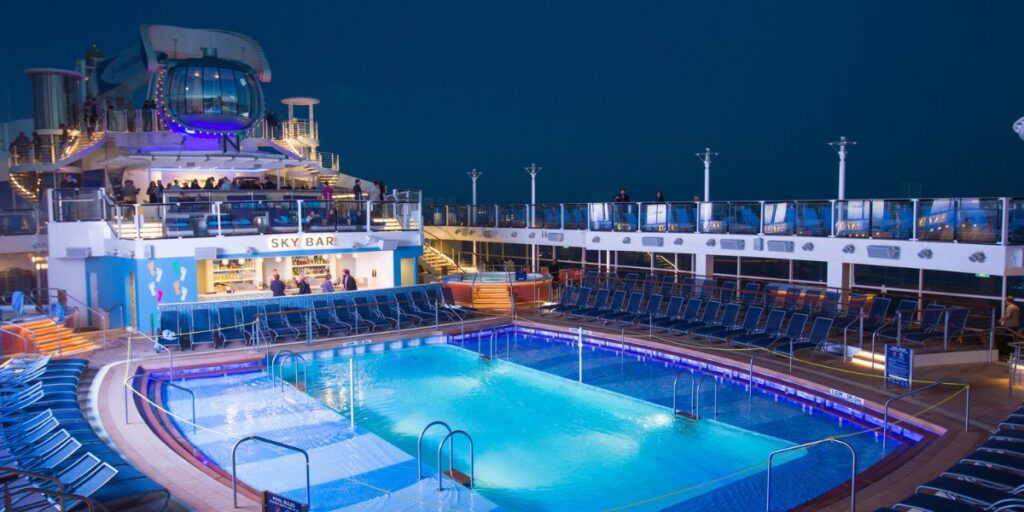
It’s something many cruisers don’t realize until they’re already on board: some cruise lines, including P&O Cruises and certain MSC ships, still don’t have dedicated lifeguards.
That means parents need to keep a close eye on their children whenever they’re near the water. Even shallow pools can be dangerous if kids are left unattended. Early mornings and late evenings are especially risky, as there are usually fewer people around to help in an emergency.
Royal Caribbean, NCL, Disney and Carnival now require lifeguards. Before you sail, check whether your cruise line employs lifeguards, especially if you’re traveling with family. Even if they do, supervision is still key. A little caution helps everyone enjoy the pool safely.
19. The Ship Will Leave Without You
It sounds harsh, but it’s true. If you don’t make it back to the ship before the scheduled departure time, the ship will sail without you. Cruise lines stick to tight port schedules, and waiting for late passengers can throw the entire itinerary off course.
This rule applies both on embarkation day and during port stops. Unless you’re on an official cruise line excursion that runs late, the captain won’t delay departure. If you’re exploring independently, make sure you’re back at least 30 minutes before the all-aboard time printed in the daily planner.
If you do miss the ship, you’ll have to make your own way to the next port, which can be expensive and stressful. Set an alarm, keep an eye on the time, and don’t rely on your phone clock, as time zones can change without notice. Being punctual is the easiest way to avoid becoming a “pier runner.”
Related reading: Run, Baby, Run! Mom and Child’s Mad Dash to Carnival Jubilee
20. Your Bags Will Be Searched
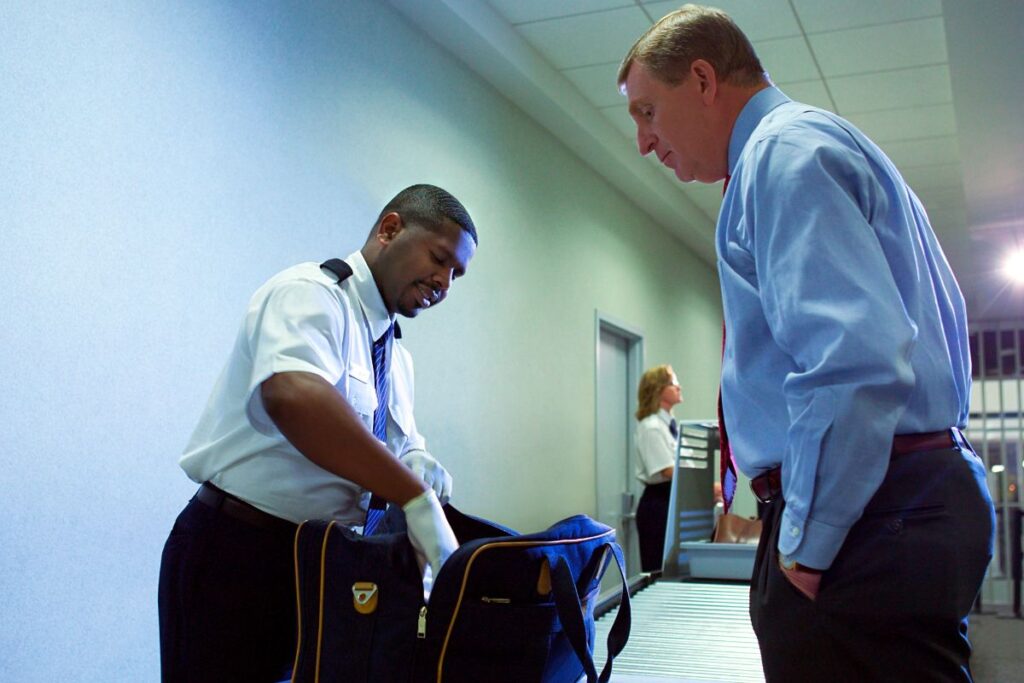
Just like at the airport, all luggage that comes onboard a cruise ship is screened for security reasons. Suitcases go through scanners before being delivered to your cabin, and hand luggage is checked at the terminal. Anything suspicious can be opened for inspection.
Cruise lines are strict about what guests can and cannot bring onboard. Items such as irons, kettles, candles, and certain power strips are banned for safety reasons. Alcohol is another common issue. Some passengers try to sneak drinks onto the ship using hidden flasks or rum runners, but the scanners are designed to spot them.
If you’re caught breaking the rules, your items might be confiscated and in some cases not returned. It’s always best to check the cruise line’s prohibited items list before you pack. A little preparation can save you from an awkward conversation with security on embarkation day.
Related reading: Avoid Packing These Items on Your Cruise. They Could Be Confiscated
21. Drug-Sniffing Dogs Can Board
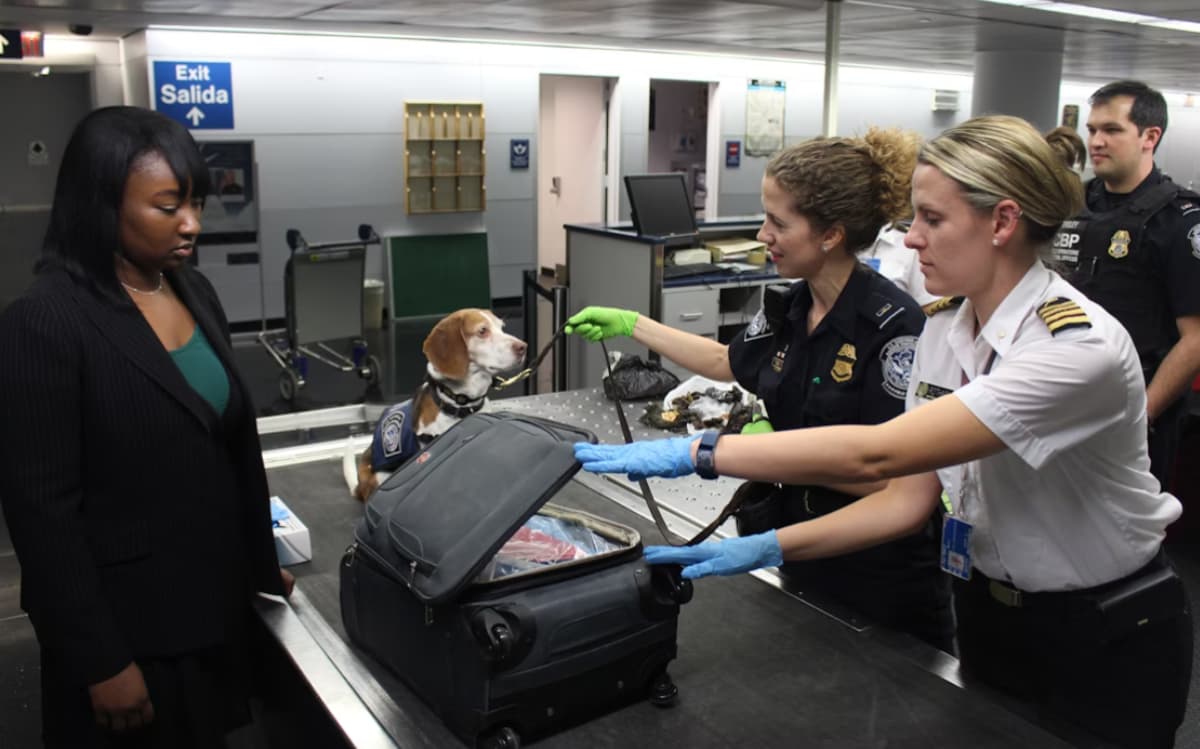
Cruise lines take drug laws very seriously, and they have strict zero-tolerance policies when it comes to illegal substances. If there’s ever suspicion that drugs have been brought onboard, local authorities may send drug-sniffing dogs onto the ship while it’s docked in port.
Even marijuana is completely banned on cruise ships, including medical or prescription forms. It doesn’t matter if it’s legal in your home state or the country you boarded from. Cruise ships follow international maritime law, and bringing any controlled substance onboard can lead to fines, denied boarding, or even arrest.
The presence of dogs can surprise some passengers, but they’re there to keep everyone safe and to uphold international law. If you have a fear of dogs, don’t worry — they’re handled by professionals, and interactions with guests are minimal. As long as you follow the rules, you’ll have nothing to worry about.
Related reading: What Really Happens If You’re Caught with Drugs on a Cruise Ship
22. Not Every Port Is Safe

Cruise lines do their best to choose safe destinations, but not every port is free of risk. Some places have higher crime rates than others, and incidents like pickpocketing or petty theft can happen even in popular tourist areas.
Ports such as Roatan in Honduras, parts of Mexico’s Quintana Roo region, and some cities in Brazil and Colombia are known for having occasional safety issues. That doesn’t mean you shouldn’t visit, but it does mean you should stay alert and take basic precautions.
Stick to busy areas, avoid flashing valuables, and consider booking an official cruise excursion if you’re unsure about exploring on your own. Cruise lines monitor security updates closely, and if a port ever becomes truly unsafe, they will cancel the stop altogether. A little awareness goes a long way when it comes to staying safe ashore.
Related reading: 8 Reasons to Skip the Port and Stay Onboard Instead
23. You’re Being Watched (for Your Safety)
Cruise ships are equipped with thousands of security cameras that monitor nearly every public area. The goal is safety, not surveillance. Cameras help deter theft, prevent accidents, and provide evidence if anything goes wrong.
What many passengers forget is that these cameras also cover outdoor spaces, including balconies and open decks. While no one is watching you constantly, the footage is reviewed when there’s an incident or safety concern. It’s a reminder that privacy on a cruise is a little more limited than it might feel.
The upside is that this level of security makes cruise ships some of the safest holiday environments in the world. As long as you respect the rules and other guests, you’ll never even notice the cameras are there.
24. Crew Drink for a Fraction of What You Pay

When you’re paying eight dollars for a beer or fifteen for a cocktail, it might surprise you to know that the crew are enjoying their drinks for a lot less. Most ships have separate crew bars located on the lower decks where drinks are heavily discounted.
These bars are closed to passengers, of course, but they’re a vital part of crew life at sea. After long shifts, this is where staff can relax, socialize, and unwind. It’s one of the few onboard spaces that feels like “home” for them during months away from family.
The price difference might make you jealous, but it’s well deserved. Crew members work long hours and often have limited downtime, so their onboard perks help make up for that. Next time you see your waiter smiling through a twelve-hour day, just remember — they’ve earned their happy hour.
25. Ships Still Dump Some Waste
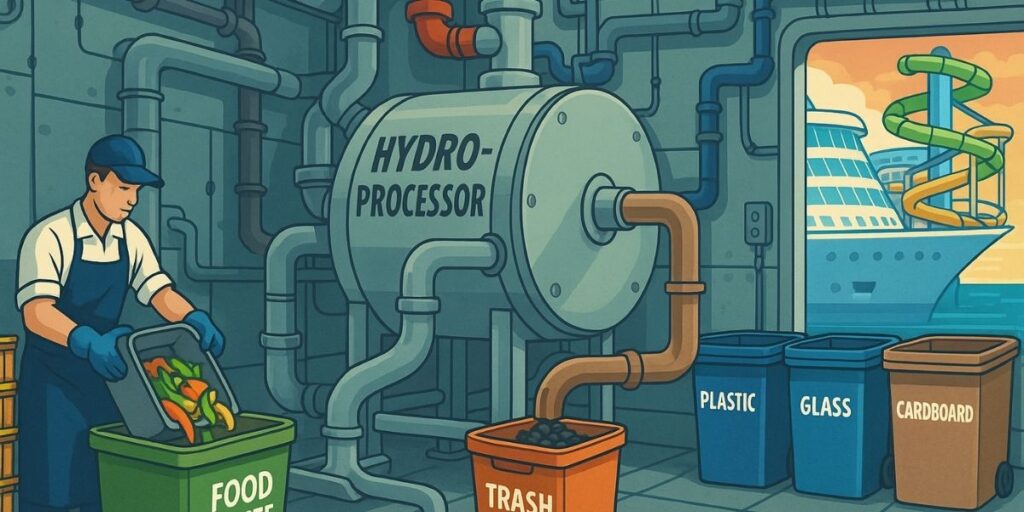
Cruise lines like to highlight their eco-friendly efforts, and to be fair, many ships are far greener than they used to be. Modern vessels have advanced waste treatment systems that filter and clean wastewater before it’s released. Still, it’s important to know that some waste is discharged into the ocean.
Most of what’s released is treated and meets strict international standards, but the industry still has progress to make when it comes to sustainability. Older ships are less efficient, and some lines are more committed to green practices than others.
As a passenger, you can do your part too. Avoid wasting food, reuse towels when possible, and never flush anything that doesn’t belong in the toilet. Cruising responsibly helps protect the destinations we all love to visit.
Recommended reading: What Happens to All the Sewage on Cruise Ships? The Truth About Waste at Sea
26. You’ll Probably Gain Weight

It’s one of cruising’s best-kept open secrets. With buffets, specialty dining, and endless desserts, most passengers put on a few pounds during their cruise. When every meal looks like a feast and the soft-serve machine never closes, it’s easy to see why.
Cruise lines do offer plenty of ways to stay active. There are gyms, jogging tracks, sports courts, and daily fitness classes. You can also get a surprising number of steps in just walking around the ship or exploring ports of call. Still, with so much great food available, it’s perfectly normal to indulge a little.
The best approach is balance. Enjoy your meals, try new dishes, and treat yourself, but add some activity into your days. Pack a few loose-fitting outfits for later in the cruise, and don’t stress about it. A few extra calories are all part of the fun.
Related reading: This Guy Tried to Get Fitter on a Cruise, Here’s What Happened
27. Specialty Restaurants Aren’t Always Better
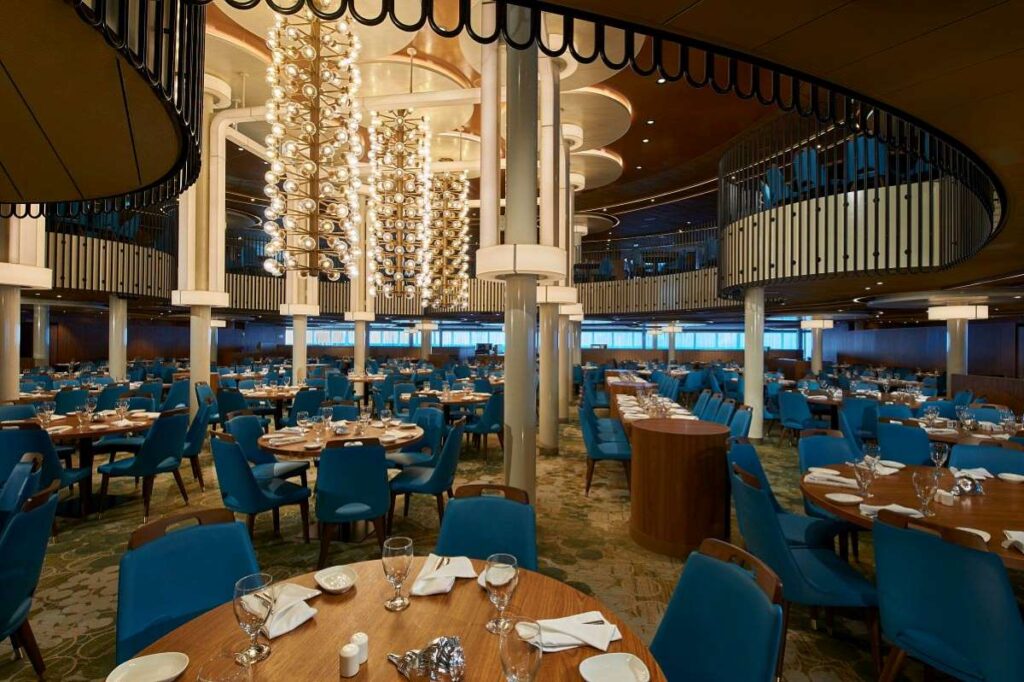
Cruise lines love to promote their specialty restaurants as premium dining experiences, but that doesn’t always mean the food is better than what you’ll find in the main dining room. In many cases, the dishes are similar in quality, and the extra fee covers atmosphere and exclusivity more than flavor.
Before you book, take a look at reviews from past cruisers or chat with people onboard to see which venues are actually worth the splurge. Some ships have specialty restaurants that truly stand out, but others offer only a slightly different version of what you already get for free.
If you’re sailing on a longer itinerary, you can always try one specialty venue for the experience, then stick with the included options once you’ve compared. You might be surprised by how good the “regular” meals can be, and you’ll save yourself a tidy sum in the process.
28. Cruise Ships Don’t Store Blood
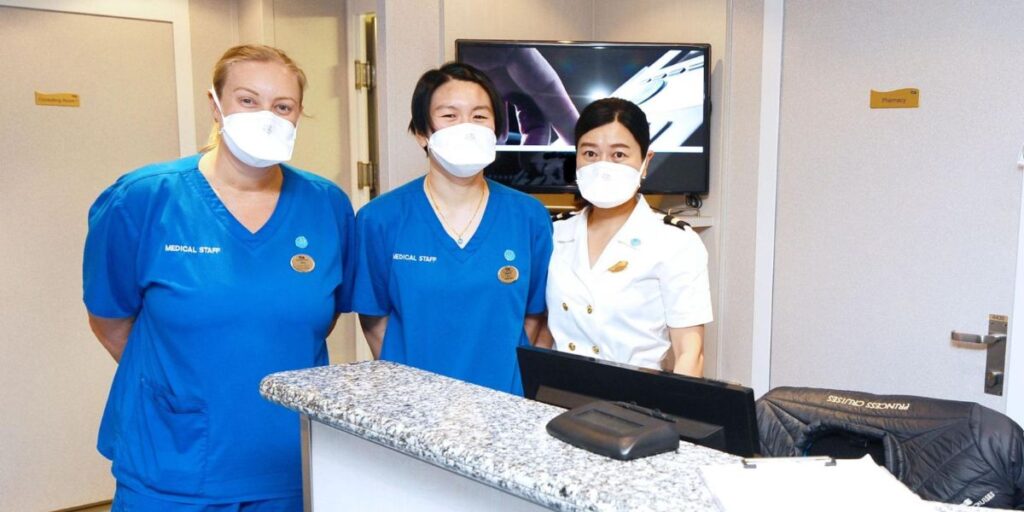
Here’s a bit of a weird one. Cruise ships do not have the facilities to store blood onboard. The medical center can handle most emergencies, but if a passenger ever needs a transfusion, the crew must rely on volunteer donors from among the guests and staff.
If you have a rare blood type, it’s something worth keeping in mind, especially on itineraries with long sea days or remote destinations. The good news is that serious medical emergencies are rare, and ships are equipped to stabilize patients until they can reach a hospital on land.
It might sound unsettling, but it’s simply part of how life at sea works. Cruise lines have highly trained medical teams who know exactly what to do in these situations. As long as you travel with proper insurance and declare any medical conditions before you sail, you’ll be in safe hands.
Suggested reading: Do Cruise Ships Have Doctors? What Really Happens If You Get Sick at Sea
Final Word: The Smart Cruiser’s Advantage
Now that you know these secrets, you can cruise with confidence and a few extra tricks up your sleeve. None of these truths are deal-breakers, but they do show how much there is to learn about life at sea. The more you know, the more you can save, avoid surprises, and make the most of every sailing.
Cruise lines might not shout about these details, but that’s where being a smart cruiser pays off. You’ll spot better deals, enjoy hidden perks, and steer clear of the common mistakes that catch others off guard.
At the end of the day, cruising is still one of the best ways to see the world. So grab that free glass of bubbly, order both desserts, and remember – you’re now in on the secrets the cruise lines hope you’d never discover.
Today’s Top Cruise Deals
See today’s best deals from ALL travel agents
You Might Also Like…






Thanks for reading!
I'm Kat, and I've been cruising for as long as I can remember — now I get to carry on the tradition with my own family!
If you enjoy my cruise tips, be sure to follow me on social media for more...