If you’re planning a cruise, get ready for some significant changes that could impact your trip. Cruise lines, governments, and even local port communities are implementing new rules and policies that could catch even experienced cruisers off guard. From visa requirements to itinerary disruptions, here are the six biggest changes to be aware of before boarding your next voyage.
1. New Visa Requirements

The number of passengers being denied boarding due to incorrect travel documents has increased, and this trend is expected to worsen. Two major cruise regions – the UK and Europe are introducing new visa requirements that could affect your ability to cruise smoothly.
- UK ETA eVisa: Travellers from the US, Canada, Australia, and New Zealand must apply for a UK ETA eVisa before arrival. From April, this will extend to European travellers as well. The process takes about three days, costs £10 (around $12), and applies to all passengers, including children.
- EU ETIAS & EES: The European Union is launching a new entry-exit system (EES) and the ETIAS (European Travel Information and Authorisation System). Non-EU passport holders will need to apply for an ETIAS before travel, costing €7 (around $7). Since launch dates may shift, stay updated to avoid issues at embarkation.
- General Visa Advice: Many other countries already have eVisas (Canada, USA, Australia, South Korea), so always check your government’s travel advisory website to ensure compliance.
Important Reminder: Ensure that your visa information matches your current passport details. A recent traveller shared an unfortunate experience of being denied boarding on the Queen Mary 2 in Southampton because their ESTA was still linked to their old passport number.
This resulted in them missing the cruise and spending £16,000 ($20k) to fly to New York to rejoin the ship. Always double-check that your ESTA or any other eVisa is linked to your most recent passport to avoid costly mistakes.
2. Newly Banned Items
Cruise lines have cracked down on what passengers can bring on board, and the list of banned items keeps growing. If you were planning to pack your trusty multi-plug adapter or a Bluetooth speaker for some balcony tunes, think again—those are now prohibited on many ships. Cruise lines are also banning personal Starlink Wi-Fi devices and routers to prevent passengers from bypassing onboard internet fees.

Some cruisers who have brought Starlink Mini devices on board found them completely useless because the ship’s Starlink system overrides personal connections. While not all cruise lines strictly forbid them, it might not be worth the hassle to bring one. Many cruise lines are rolling out Starlink internet across their fleets, so speeds should improve—though, of course, at a cost.
There’s been some frustration over these Wi-Fi restrictions, with some cruisers feeling it’s just another way for lines to push their expensive internet plans. With everything from excursions to specialty dining already carrying hefty price tags, passengers argue that reliable internet shouldn’t come with an outrageous fee.
Another surprising rule change? Some lines now require you to notify them in advance if you’ll be bringing a wheelchair. This is due to safety regulations, as they need to ensure they have the capacity to assist all mobility-impaired passengers in an emergency.
Before you pack, check your cruise line’s latest policies to avoid any surprises at embarkation. The last thing you want is to have your expensive gear confiscated before you even set sail!
3. Fares Are Rising, and Cruises Are Filling Up Fast
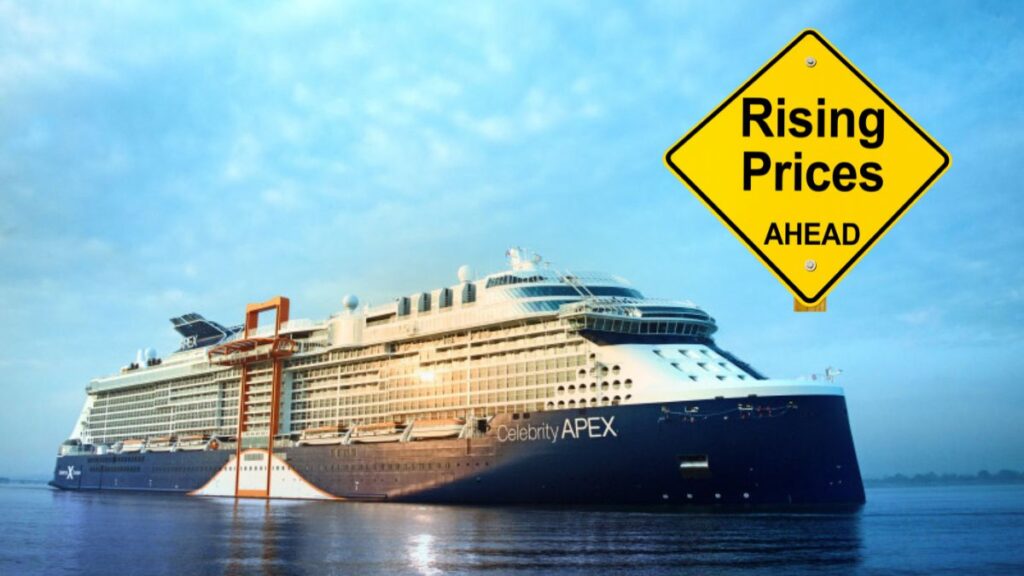
If you haven’t booked your cruise yet, you may want to act fast. According to Carnival Group CEO Josh Weinstein, two-thirds of berths across Carnival, Holland America, Princess, and Seabourn were already booked by the end of 2024 for 2025.
Additionally, fares are expected to rise by double-digit percentages due to high demand, particularly for Caribbean, North America, and European cruises. Some cruise lines have already introduced dynamic pricing models, meaning fares fluctuate based on demand, potentially increasing costs even further as departure dates approach.
Luxury and premium cruise segments are seeing particularly sharp fare increases, with balcony and suite cabins often selling out first. Booking early remains the best strategy to secure the lowest fares and preferred accommodations.
4. Port Issues and Restrictions
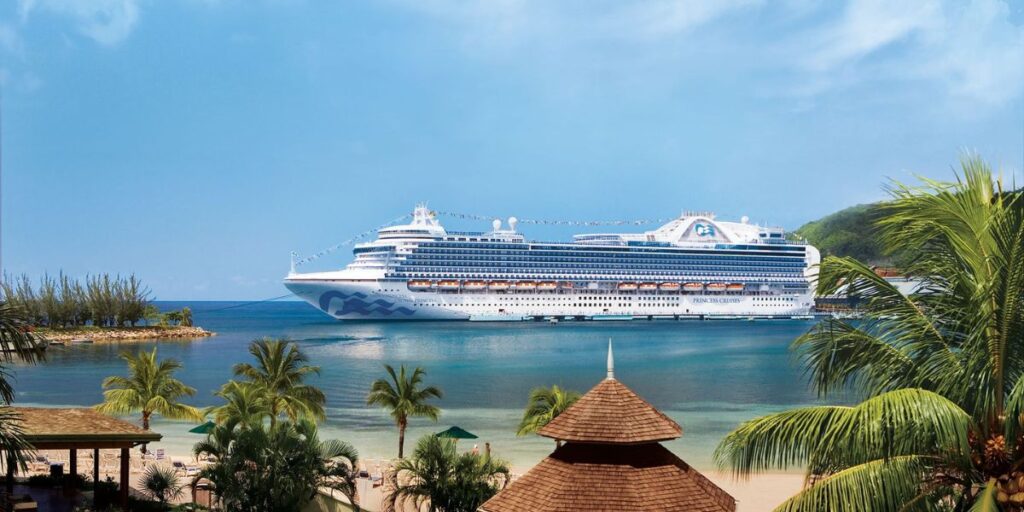
If you’re cruising, keep an eye on what’s happening at your ports of call. Protests, new travel warnings, and additional fees are shaking things up, and your itinerary could change as a result.
Some Caribbean ports, like Haiti, Jamaica, The Bahamas, Cozumel, Honduras, and Belize, have been flagged with heightened travel advisories from the US State Department and UK Foreign Office. If you’re heading to these destinations, it’s a good idea to stick to cruise-line-organised excursions or well-populated tourist areas to stay on the safe side.
Over in Europe, anti-cruise protests are on the rise, with locals pushing back against the growing number of cruise passengers flooding their cities. In Palma de Mallorca and Barcelona, activist groups are actively demonstrating, and last year, some protestors even sprayed water at cruise passengers. Amsterdam, Norway (including Oslo, Stavanger, Bergen, and Flåm), and the Canary Islands have also seen increasing resistance to cruise tourism. If you’re stopping in these places, expect potential disruptions or itinerary adjustments.
Related reading: Mexico Drops $42 Cruise Tax After Backlash, But Not For Long
Even the Greek Islands are making adjustments. Santorini and Mykonos have introduced visitor caps to manage overcrowding. If you’re hoping to visit these hotspots, your cruise line may need to adjust arrival times or even swap out destinations.
Long story short: before you set sail, double-check your itinerary, stay informed about any changes, and be prepared for unexpected surprises along the way.
5. Cruise Cancellations and Redeployments

Cruise lines are making significant adjustments to their ship deployments due to shifting demand and ongoing global events. Norwegian Cruise Line alone has already made 38 ship redeployments for 2025, moving vessels away from regions like Africa, South America, and Asia to focus on the high-demand Caribbean market.
This means that if you were planning a cruise in one of these less-traveled areas, your itinerary may have already changed or could be at risk of future alterations.
The most significant disruptions are affecting Red Sea and Suez Canal sailings. With continued regional instability, it’s becoming increasingly unlikely that cruises through this area will go ahead.
Cruise lines are already rerouting ships, which could mean changes to repositioning itineraries or even cancellations for voyages that rely on the Europe-Asia transit via the Suez Canal. If you have a cruise booked in this region, stay in close contact with your cruise line for updates, and be prepared to adjust your travel plans accordingly.
Additionally, some cruise lines are prioritizing markets where they see the strongest financial returns, which could lead to more last-minute ship relocations. If you’re eyeing a cruise to a niche destination, it’s worth double-checking that your itinerary is still secure before finalizing other travel arrangements.
Final Thoughts
Cruising in 2025 will require more preparation than ever before. Make sure to:
- Check visa requirements well in advance and ensure they match your passport details.
- Review your cruise line’s banned items list to avoid issues at embarkation.
- Book early to secure the best prices and availability.
- Monitor itinerary changes due to protests, fees, or geopolitical issues.
- Stay flexible—your cruise may look slightly different than originally planned.
By staying informed, you’ll ensure a smooth sailing experience in 2025. Happy cruising!
Today’s Top Cruise Deals
See today’s best deals from ALL travel agents
You Might Like to Read…
- 6 Big Changes Coming to Carnival Cruises in 2025
- 8 Cruise Trends You Can Expect to See in 2025
- Here Are The 5 Biggest Changes Coming to Royal Caribbean Cruises in 2025
Thanks for reading!
I'm Kat, and I've been cruising for as long as I can remember — now I get to carry on the tradition with my own family!
If you enjoy my cruise tips, be sure to follow me on social media for more...