Cruising is supposed to be all about relaxation, fun, and making memories, but for one family, their vacation turned into a stressful and costly ordeal.
What started as a seven-night cruise from New Orleans to Key West and the Bahamas took a sharp turn when their child became seriously ill. Their story serves as a stark reminder of the importance of preparation when travelling, especially when it comes to passports and travel insurance.
The Start of a Dream Vacation
The family embarked on a closed-loop cruise, which doesn’t require passports for U.S. citizens. Cruisers can use birth certificates and government-issued IDs instead.
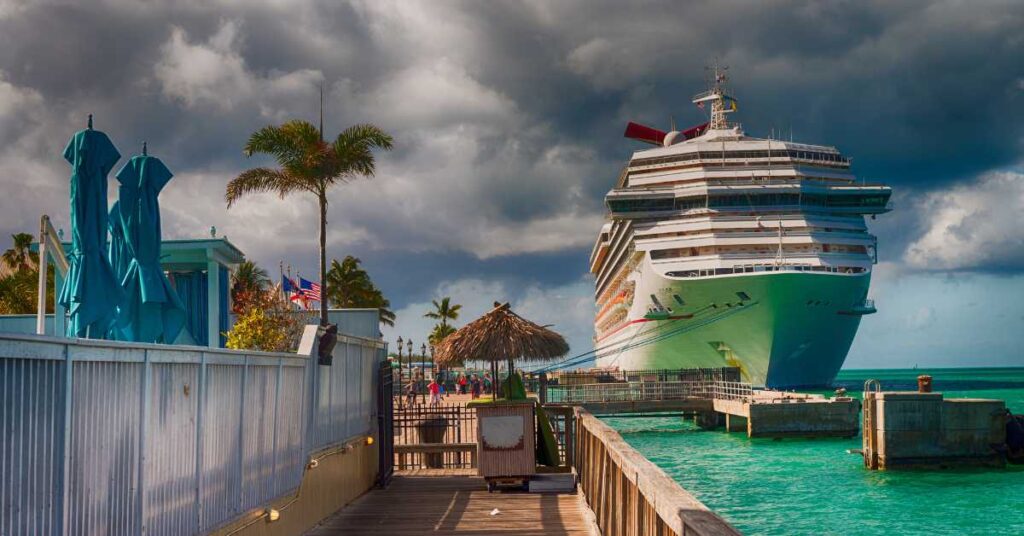
They left New Orleans with plans to visit Key West, Nassau, and Freeport before returning to New Orleans. Unfortunately, by the first night, their child began to show severe symptoms of illness, initially thought to be seasickness.
A Medical Emergency at Sea
Over the next 48 hours, the child’s condition worsened despite taking seasickness medications. The onboard medical team’s options were limited: they could administer the same medication or provide fluids via IV—a costly service for those without travel insurance. With the child’s health deteriorating, the family faced a tough decision: wait until the Bahamas for more comprehensive medical care or disembark at the first U.S. stop in Key West.
The Catch: The Jones Act
Here’s where things got complicated. The Passenger Vessel Services Act (commonly referred to as the Jones Act) prohibits foreign-flagged ships—which includes nearly all cruise ships—from transporting passengers solely between U.S. ports.
If passengers disembark before the ship reaches a foreign port, the cruise line faces fines from the U.S. government. In this case, the family was informed they’d need to pay $940 per person—a hefty penalty—if they left the ship in Key West before reaching the Bahamas.
Ultimately, the mother and the sick child disembarked in Key West to seek medical attention, while the father and their other child stayed on board to complete the cruise. Thankfully, the child received care and recovered, but the situation left the family emotionally and financially drained.
Lessons Learned: Preparation is Key
This story underscores the importance of being prepared for the unexpected. Here are a few key takeaways:
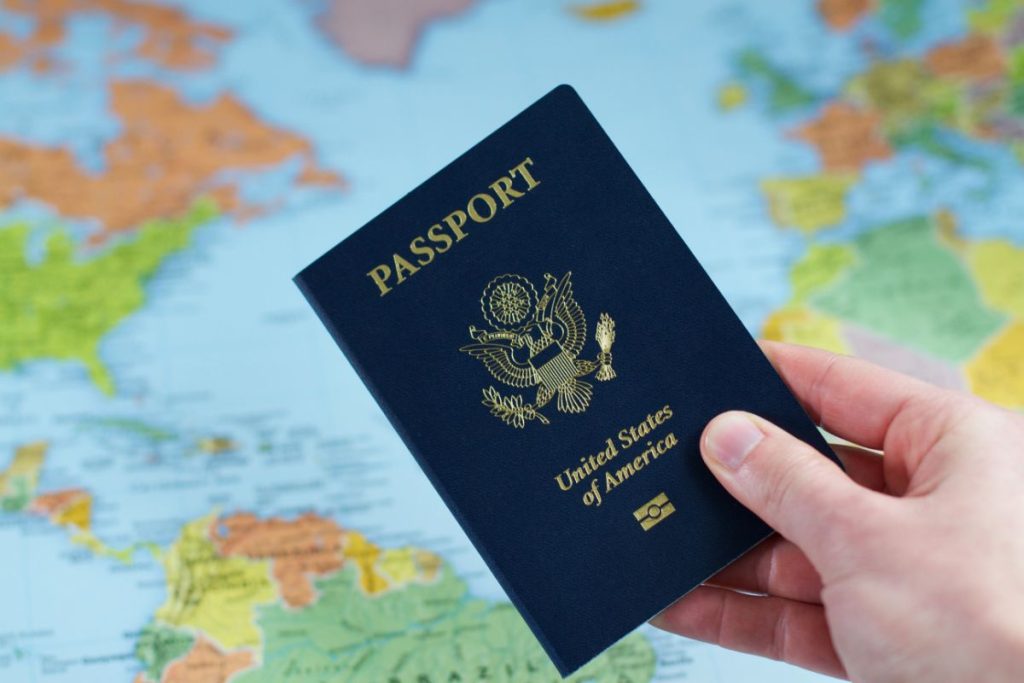
- Travel with a Passport: Even if your cruise doesn’t require one, a passport can be a lifesaver in emergencies. Without one, the family couldn’t have easily sought medical care in the Bahamas without facing challenges returning to the U.S.
- Invest in Travel Insurance: Medical emergencies at sea can be costly. Comprehensive travel insurance could have covered the fines and medical expenses.
- Know the Rules: Understanding regulations like the Jones Act can help you anticipate potential challenges.

Reactions from the Community
This story has sparked strong reactions and valuable advice from the cruising community. Here are some highlights:
- “I totally agree – ALWAYS travel with your passport and ALWAYS get travel insurance, no matter the duration of the trip. Glad to hear the child has recovered, but that’s a costly and heartbreaking lesson.”
- “If that had been me and my wife, we would have gotten off at Key West and sought medical attention. Besides the passport and travel insurance reminder, people also need to be reminded that US health insurance (including Medicare/Medicaid) does not cover you in foreign countries. The family made the right call.”
- “Terrible situation for this family, but I have to agree with some of the comments on here. Close-loop or not, you are visiting foreign countries and should always have a passport. Travel insurance is also a non-negotiable, especially when traveling with kids.”
- “Children’s health comes first, no matter the cost! A good reminder to always have travel insurance and to carry a passport anytime you are leaving the US.”
- “It’s time all cruise passengers should be required to have passports, full stop.”
What’s Next for the Family?
The family may appeal to the cruise line or the U.S. government to recoup the fines, especially given the medical nature of their emergency. However, navigating the bureaucracy of such appeals is rarely simple.
JJ Cruise shares the story here 👇
Final Thoughts
While this family’s cruise didn’t go as planned, their experience serves as a sobering reminder to always prepare for the unexpected. Traveling is an adventure, but it’s also a responsibility—to yourself and your loved ones. If you’re planning a cruise, take the extra steps to ensure you’re ready for anything.
Have you ever faced a travel nightmare? Share your stories or thoughts in the comments below.
Today’s Top Cruise Deals
See today’s best deals from ALL travel agents
Thanks for reading!
I'm Kat, and I've been cruising for as long as I can remember — now I get to carry on the tradition with my own family!
If you enjoy my cruise tips, be sure to follow me on social media for more...