Cruises are usually smooth sailing, with thousands of passengers returning home with nothing more serious than a sunburn. But on rare occasions, voyages have ended in tragedy—sinkings, collisions, and disasters that shocked the world.
For this list, I’ve only included ships that were operating as cruise ships or ocean liners at the time, not ferries or wartime vessels. And while some call incidents like the Carnival Triumph breakdown a “disaster,” I’ve focused on tragedies where lives were lost.
With that in mind, here are the worst cruise ship disasters in history.
1. RMS Titanic (1912)
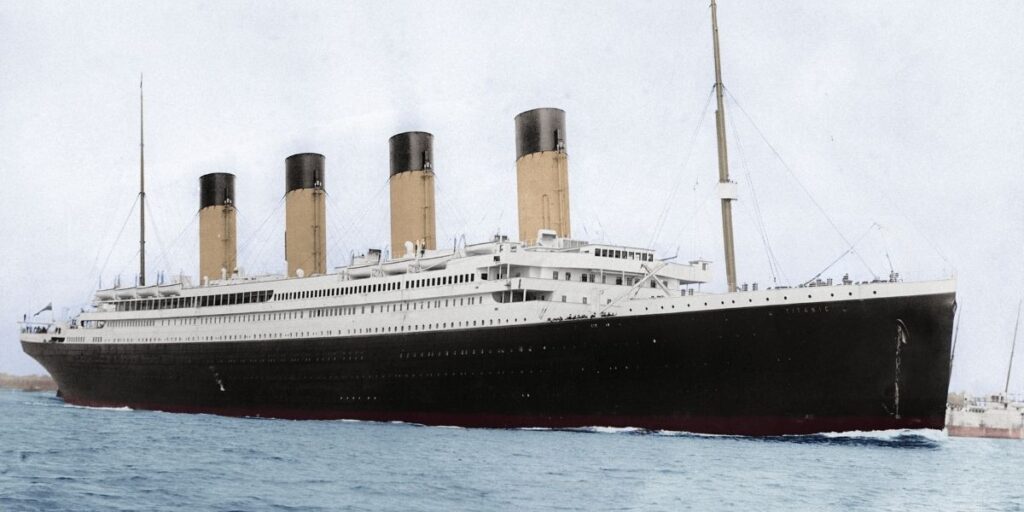
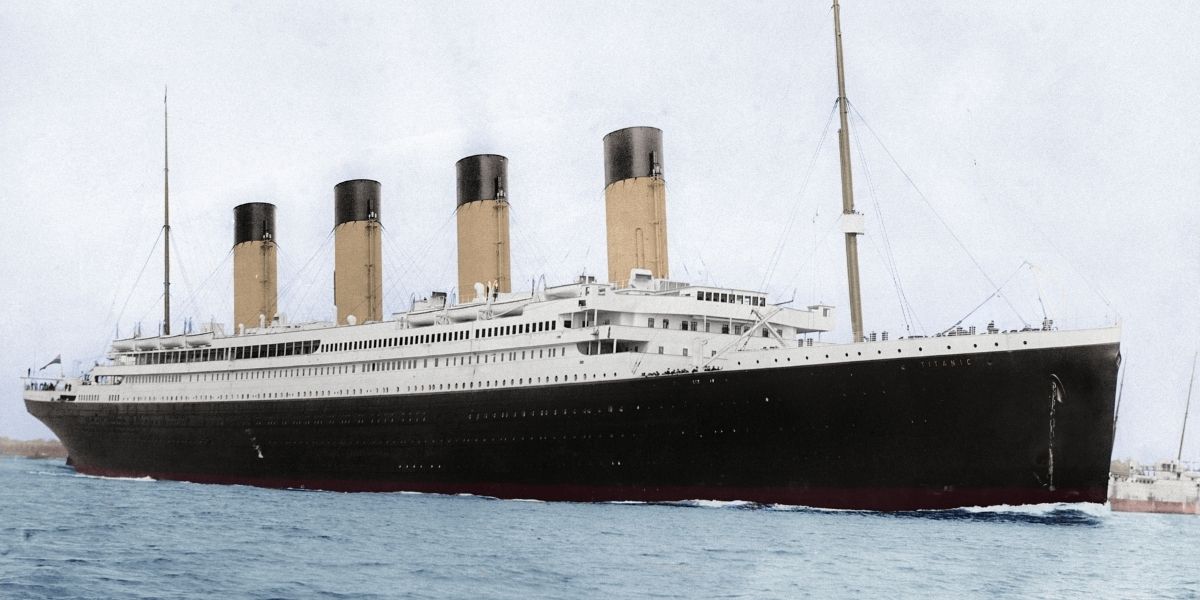
The Titanic remains the most famous maritime disaster of all time, claiming the lives of more than 1,500 passengers and crew. The tragedy unfolded when the ship struck an iceberg, tearing holes along the starboard side and buckling the hull until the vessel finally sank.
With too few lifeboats available, many were forced into the freezing Atlantic, where survival was almost impossible. The disaster did, however, lead to sweeping changes in maritime safety regulations—though it came at a devastating cost.
Related reading: There’s Not Enough Lifeboats for Everyone on a Cruise Ship – Here’s Why You Shouldn’t Worry
2. Empress of Ireland (1914)
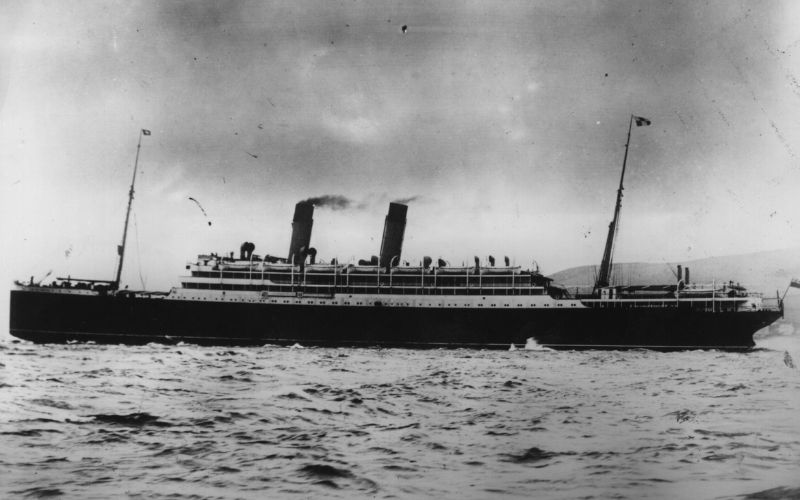
The Empress of Ireland suffered one of the deadliest peacetime maritime disasters in Canadian history. In 1914—just two years after the Titanic—the ship collided with the Norwegian collier Storstad in the St. Lawrence River.
Although both vessels had been aware of each other’s presence, a sudden blanket of fog made communication nearly impossible, with only whistles to signal. The Empress was struck and quickly sank, claiming over 1,000 lives. The Storstad survived the collision and was later handed over as compensation to the Canadian Pacific Railway, the company that had owned the ill-fated liner.
3. SS Eastland (1915)
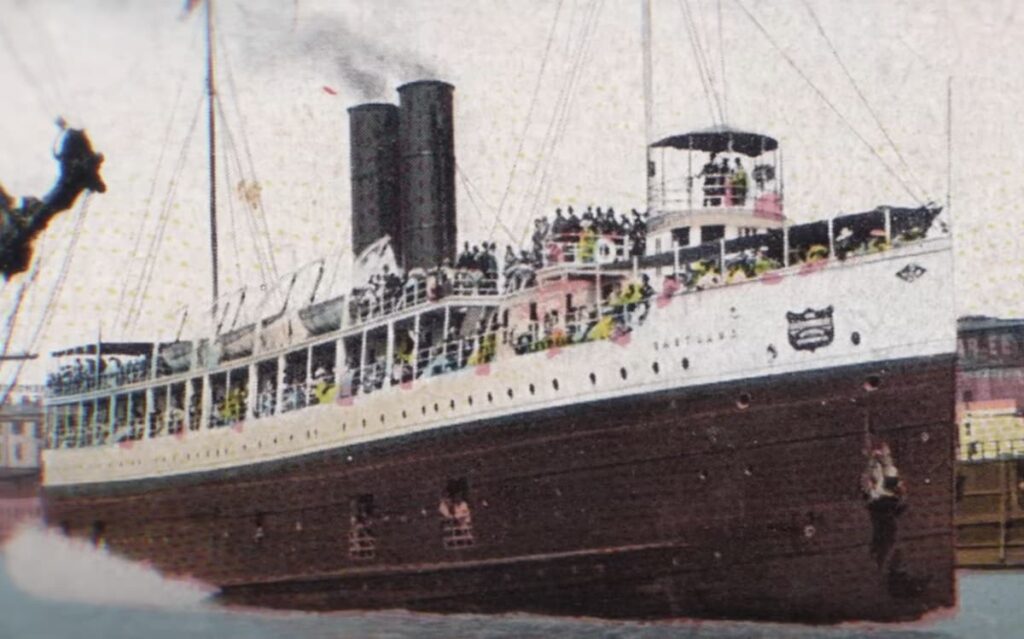
The SS Eastland was a passenger ship built in 1903 to cruise the Great Lakes, but her career ended in tragedy in 1915 when she capsized in Chicago, killing over 800 people—the greatest loss of life on the Great Lakes.
The ship had a troubled history from the start, with repeated listing problems. She nearly capsized as early as 1904 while carrying 3,000 passengers, leading to a reduction in her capacity, though incidents continued to raise concerns.
On 24 July 1915, disaster struck as the Eastland rolled over while still tied to the dock. Hundreds were trapped below deck or crushed by heavy furniture, and despite being so close to shore, rescuers couldn’t save everyone in time.
4. Saint-Philibert (1931): French Greed Meets Loire River
The Saint-Philibert was a small cruise ship, just 32 metres long, offering river and coastal trips in France. On a 1931 voyage from Nantes, she was carrying far more people than she was built for—467 officially registered passengers, at least 8 crew, plus uncounted children.
Overloaded and caught in bad weather, the vessel capsized on the return journey. Only eight people survived, making it one of the deadliest maritime disasters in French waters.
Families of the victims later took the owners to court over the overcrowding, but despite the circumstances, the company was found not to be at fault.
5. MV Dongfang Zhi Xing (2015)
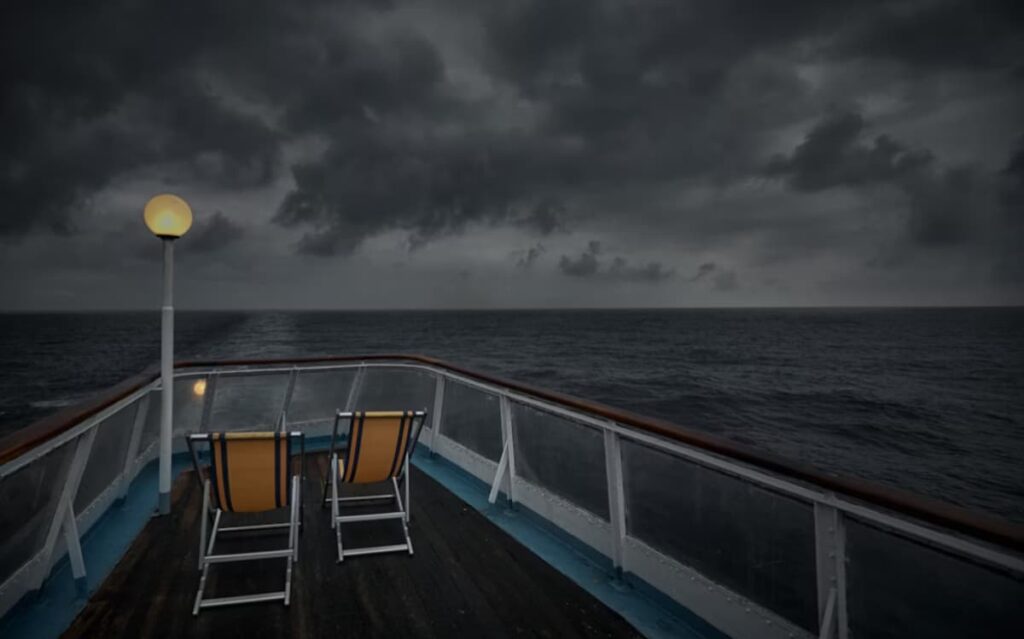
The most recent disaster on this list is also the deadliest river cruise tragedy in history. In June 2015, the MV Dongfang Zhi Xing, translated as the Eastern Star, was sailing the Yangtze River through the famous Three Gorges when disaster struck.
On 13 June, the vessel was hit by a violent downburst from a thunderstorm. It was first reported as a tornado, but later clarified that the tornado occurred 8 km away—the storm itself was enough to capsize the ship.
A total of 454 people were onboard, most from the Nanjing region of China and many in their 60s and 70s. Among them were about 45 crew members and five tour guides leading educational programmes. Only 12 survived, including the ship’s captain and chief engineer.
6. SS Admiral Nakhimov (1986)
The SS Admiral Nakhimov had a long and turbulent history before her final voyage. Originally built in Germany as the Berlin for the North German Lloyd Line, she later served the Nazis as a hospital ship during World War II. After being sunk twice—once by mines and again in 1947—she was handed to the Soviet Union as war reparations, raised, repaired, and renamed.
For nearly four decades, she cruised the Black Sea on six-day round trips without incident. But on 31 August 1986, disaster struck when she collided with the cargo freighter Pyotr Vasev. The Nakhimov’s crew had already radioed the freighter to warn of a collision course, but despite assurances, the Vasev failed to alter its path.
Onboard were 888 passengers and 346 crew members. More than 400 people, mostly Ukrainian, lost their lives when the ship sank, making it one of the worst Soviet maritime disasters.
7. Aleksandr Suvorov (1983)
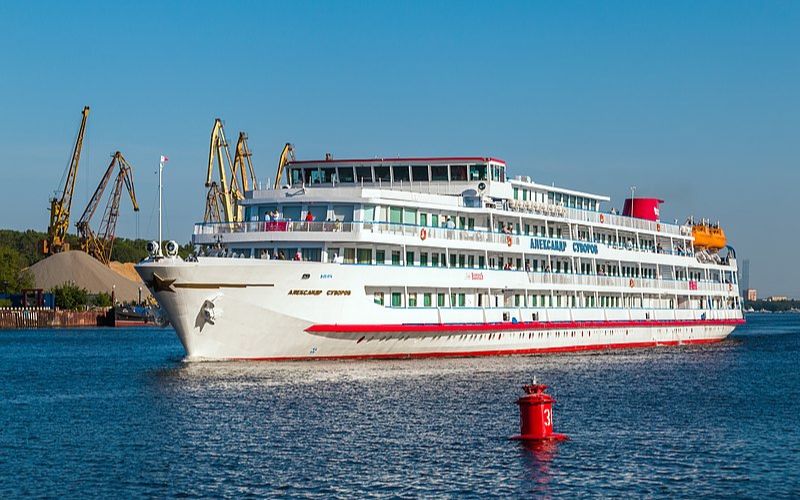
The Aleksandr Suvorov is a river cruise ship that still sails today on the Volga, Russia’s longest river. But in 1983, she was the scene of a devastating accident.
On 5 June, while travelling from Rostov to Moscow, many passengers had gathered in the cinema hall on the upper deck for an onboard auction. As the ship attempted to pass beneath the Ulyanovsk railway bridge, it approached the wrong span and collided.
Steel girders sliced through the cinema hall, killing almost half of the 395 people onboard. Although the captain had handed control to his chief mate at the time, he was later sentenced to six years in prison for the disaster.
8. SS Morro Castle (1934)
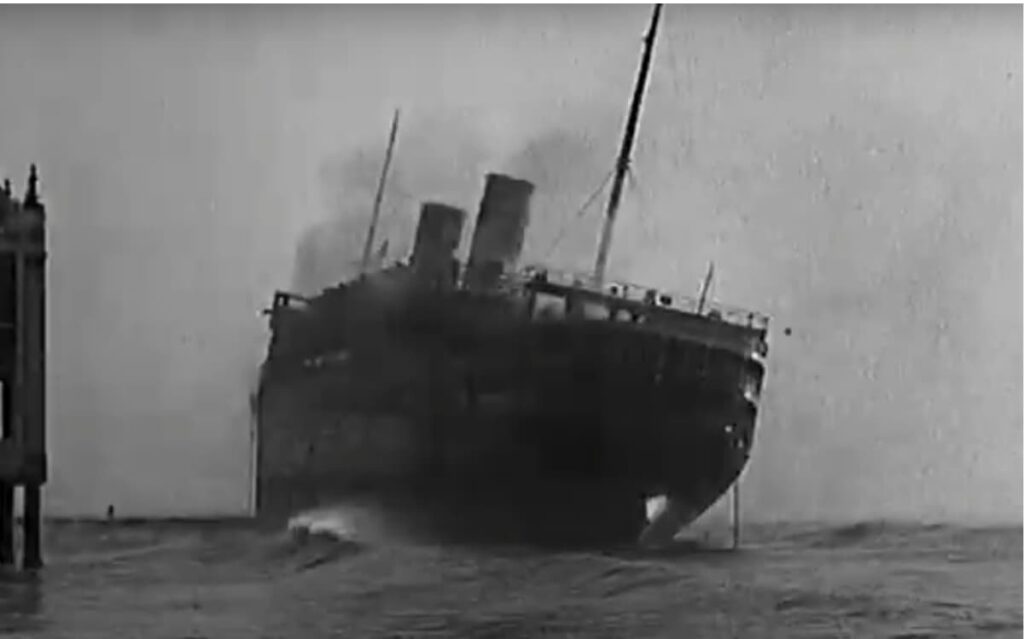
The Morro Castle disaster started with mystery and ended with horror. The ship’s captain died of a heart attack (some say poison, but who knows?) just hours before fire broke out in a storage room.
Strong winds turned that small fire into a floating inferno. Passengers found themselves choosing between burning alive or jumping into the Atlantic. Many of the lifejackets didn’t work. Fire suppression systems failed. Evacuation procedures fell apart.
137 people died, and the ship became a tourist attraction as she burned and drifted toward the New Jersey shore.
Every sprinkler system, every fire door, every piece of fireproof material on modern cruise ships exists because the Morro Castle burned. Fire safety at sea got completely revolutionized after this floating crematorium made headlines.
9. SS Andrea Doria (1956)
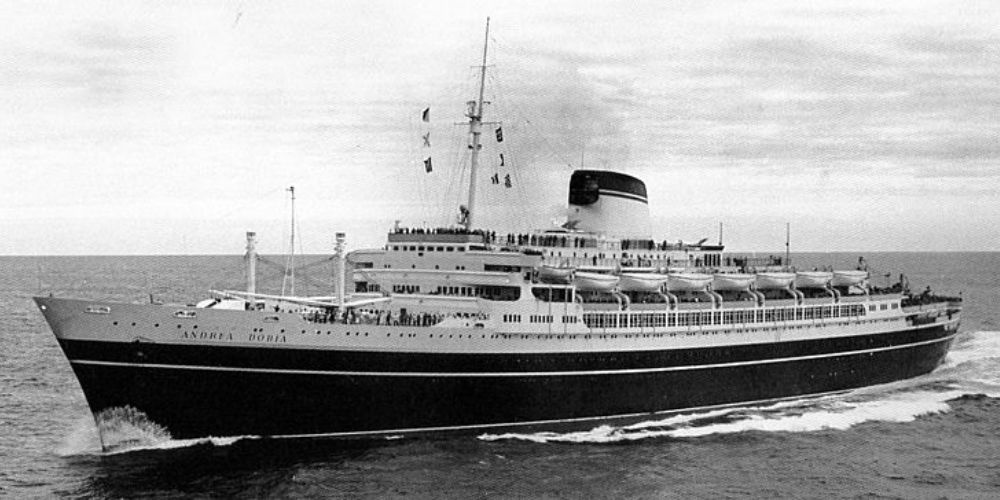
The SS Andrea Doria was a glamorous Italian ocean liner that entered service in 1953, but her career ended just three years later. On 25 July 1956, she collided with the Swedish liner Stockholm.
The Stockholm had been sailing an unusual route, cutting across into westbound traffic. Both ships were relying on radar, but each misread the other’s course, leading to the deadly impact.
The Andrea Doria lost half of her lifeboats due to the collision and heavy listing, yet she stayed afloat for 11 hours, long enough for an orderly evacuation. While 46 people were killed instantly in the crash, more than 1,600 passengers and crew were successfully rescued.
10. Costa Concordia (2012)
The Costa Concordia disaster is one of the most infamous in modern cruising, both for its scale and for the shocking circumstances that led to it. On 13 January 2012, the ship ran aground off the island of Giglio after Captain Francesco Schettino diverted course to perform a close sail-by.
Schettino delayed raising the alarm and ultimately abandoned ship while many passengers were still onboard, sparking international outrage.
In total, 32 people lost their lives. The final victims’ bodies were not recovered until three years later, during the dismantling of the vessel. Schettino was later jailed for his role in the tragedy.
11. Carnival Triumph (2013)
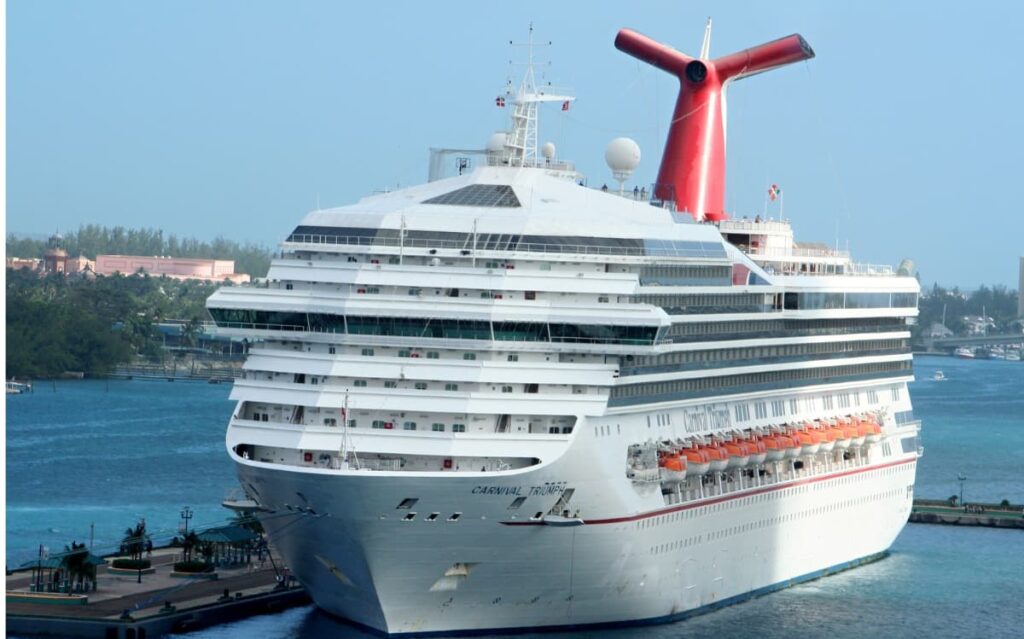
Nobody died on the Carnival Triumph, but it became the most notorious cruise incident of the internet age. An engine room fire left over 4,000 people stranded in the Gulf of Mexico without power, air conditioning, or working toilets.
For five miserable days.
Sewage backed up throughout the ship. Food spoiled in the heat. Temperatures soared without AC. Passengers slept in tents on deck and waited in massive lines for basic necessities like water and working bathrooms.
The “Poop Cruise” went viral before the ship even limped back to port. Everyone had smartphones to document the floating nightmare in real-time. Passengers posted photos of sewage-soaked carpets, makeshift toilet facilities, and food lines that stretched forever.
Carnival spent serious money upgrading backup power systems, fire suppression technology, and emergency supplies after this PR disaster. Nobody wanted to be known as the “poop cruise” company.
Netflix made a whole documentary about this floating disaster if you want to see just how bad things got. Feels pretty unreal? Yeah. One redditor opened an AMA thread, and yeah, it is real.

Related reading: Cruise Line Used Shocking Ticket Clause to Excuse the Infamous ‘Poop Cruise’ Flooded With Faeces
How These Disasters Made Cruising Safer
As tragic as these events were, they each forced the maritime industry to confront its weaknesses and improve. After the Titanic sank, regulations were overhauled to ensure enough lifeboats for every passenger, round-the-clock radio communications, and regular lifeboat drills. The Empress of Ireland highlighted the need for better navigation protocols in poor visibility, while the SS Eastland exposed the dangers of overloading and stability issues, leading to stricter design standards.
More recent disasters, such as the Costa Concordia, pushed authorities to reinforce emergency training, evacuation procedures, and stricter oversight of captain conduct. River cruise tragedies like the Eastern Star and Aleksandr Suvorov also emphasised weather monitoring, bridge safety systems, and traffic control improvements.
Today, cruise ships are some of the most highly regulated vessels on the water, with rigorous safety drills, enhanced navigation technology, and global agreements like SOLAS (Safety of Life at Sea) setting the standard. While the lessons came at a terrible human cost, they reshaped the cruise industry into one where passenger safety is paramount.
Today’s Top Cruise Deals
See today’s best deals from ALL travel agents
You Might Also Like…
Thanks for reading!
I'm Kat, and I've been cruising for as long as I can remember — now I get to carry on the tradition with my own family!
If you enjoy my cruise tips, be sure to follow me on social media for more...