Luxury cruise lines are often sold on image first, but the real differences usually show up once guests are onboard. Some lean into yacht-style intimacy, some focus on destination-heavy itineraries, and others try to win people over with all-inclusive fares, standout dining, or a more modern hotel-like feel.
To see which lines are actually delivering in 2026, I averaged each line’s Cruise Critic score and Cruiseline.com score, both on a 0–5 scale, then ranked the results from highest to lowest. Even so, the margins are tight. The line at the bottom still scored 3.95 out of 5, so this is more about separating strong products than exposing a weak one.
How I Ranked These Luxury Cruise Lines
Each line’s final score is the average of its Cruise Critic rating and its Cruiseline.com rating. When two lines landed on the same score, I used the higher Cruise Critic rating as the first tiebreaker, then Cruiseline.com if needed, and alphabetical order if both site scores were identical.
Related read: 8 Cruise Trends You Can Expect to See in 2026
1. SeaDream Yacht Club
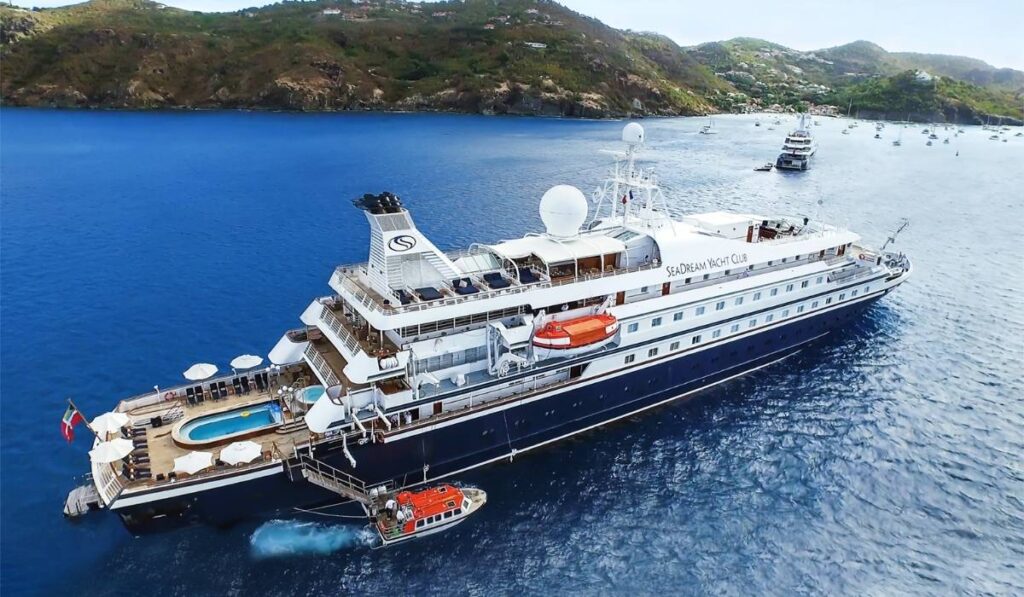
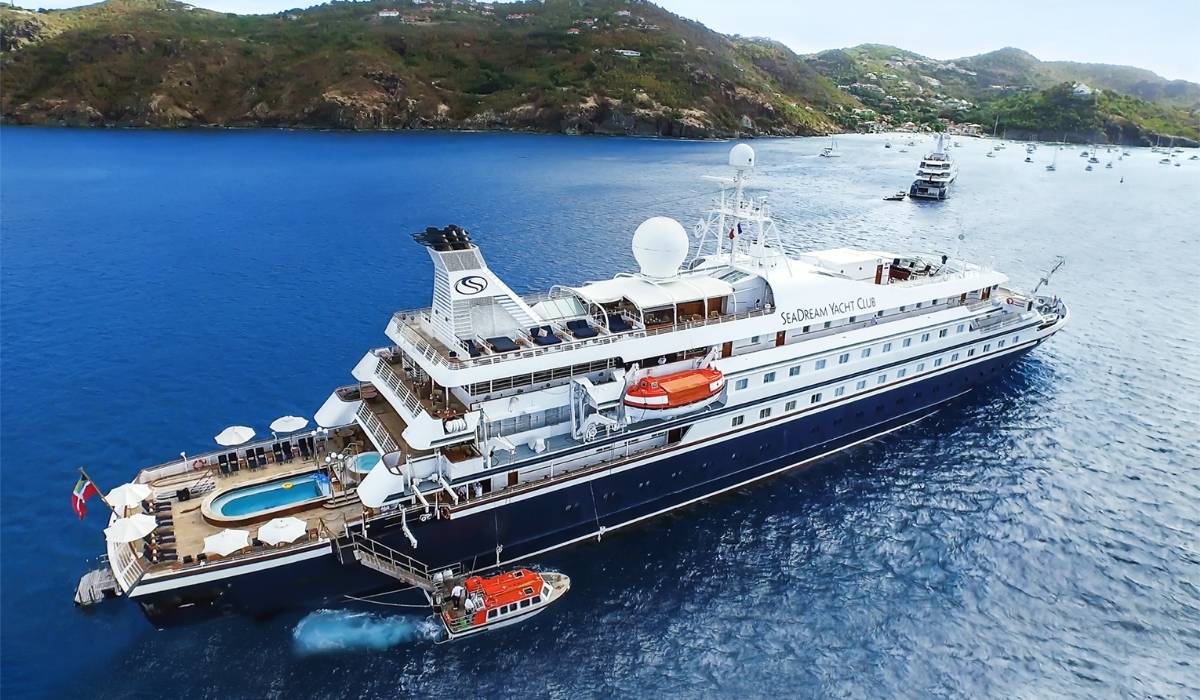
SeaDream Yacht Club operates just two 112-guest mega-yachts, SeaDream I and SeaDream II, each staffed by 95 crew. That scale is the whole point. SeaDream sells “yachting, not cruising,” and the experience is built around that promise.
The ships feel far more private than most luxury vessels, with open decks, a marina platform, and an all-inclusive setup that covers dining, drinks, gratuities, and watersports. Because the yachts are so small, SeaDream can lean into quieter harbors and more tucked-away ports in the Mediterranean, Caribbean, and Northern Europe.
This is not the line for travelers who want lots of restaurants, big production shows, or a packed daily schedule. It works best for people who want a relaxed, yacht-style trip where the service is highly personal and the ship never feels crowded.
2. Crystal
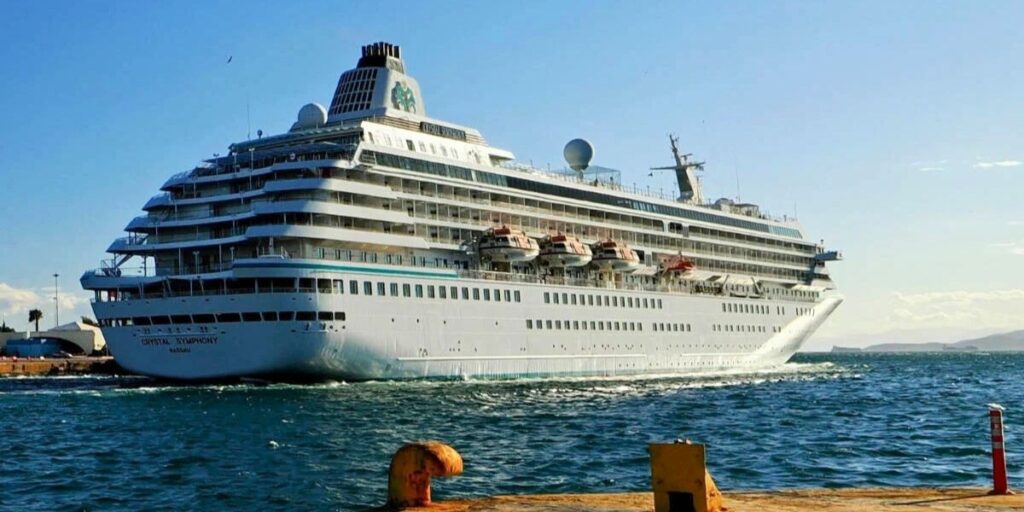
Crystal’s fleet is small but very polished. Crystal Serenity carries 740 guests and Crystal Symphony carries 606, which keeps the line in the sweet spot between intimate and full-featured. You get the space and service expected from a luxury line, but with more dining, lounges, wellness, and entertainment than the yacht brand above it.
That broader onboard offering is part of Crystal’s appeal. The line’s signature restaurant, Umi Uma, was created by Chef Nobuyuki “Nobu” Matsuhisa and is billed as the only Nobu restaurant at sea. Crystal also leans heavily on spacious public areas, a high staff-to-guest ratio, and a more classic style of luxury than newer hotel-inspired brands.
If SeaDream is about stripped-back yacht luxury, Crystal is about traditional luxury cruising done at a high level. It suits travelers who want a refined ship with strong dining and evening options, not just an intimate vessel.
3. Azamara
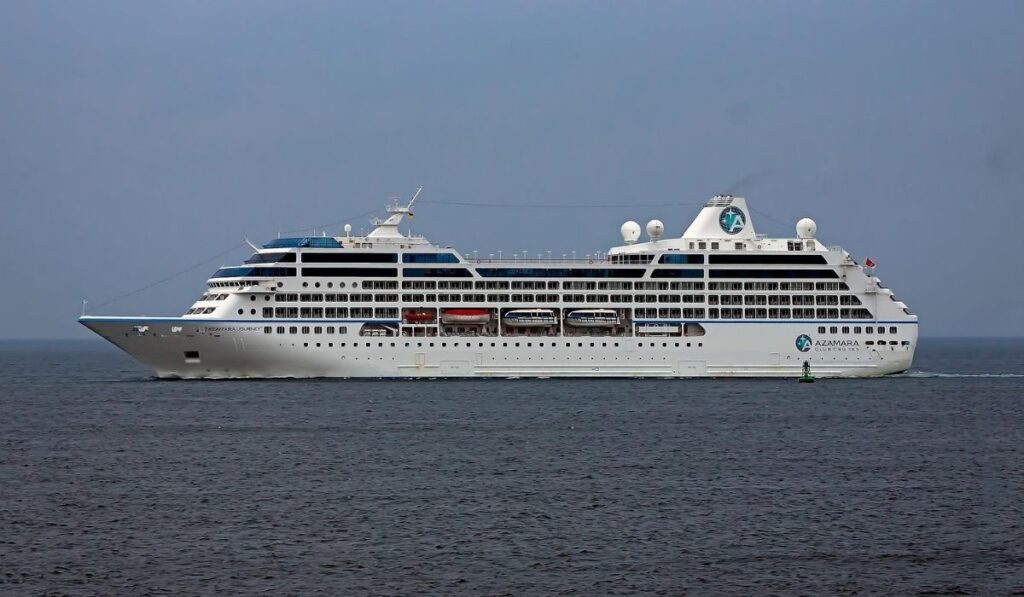
Azamara operates four boutique ships carrying up to 702 guests each. That makes it larger than the yacht-style lines but still small enough to feel calm, easy to navigate, and more personal than mainstream cruising.
What sets Azamara apart is its destination-first approach. The line has long focused on longer stays, more late nights and overnights in port, and a deeper land program built around what it calls Destination Immersion. The smaller ships help with that because they can call at ports larger vessels often miss.
Onboard, Azamara is more understated than flashy. It is less about over-the-top ultra-luxury theater and more about good service, comfortable ships, and itineraries that give guests more time ashore. That makes it one of the best fits for travelers who care as much about the destination as the suite.
4. Explora Journeys
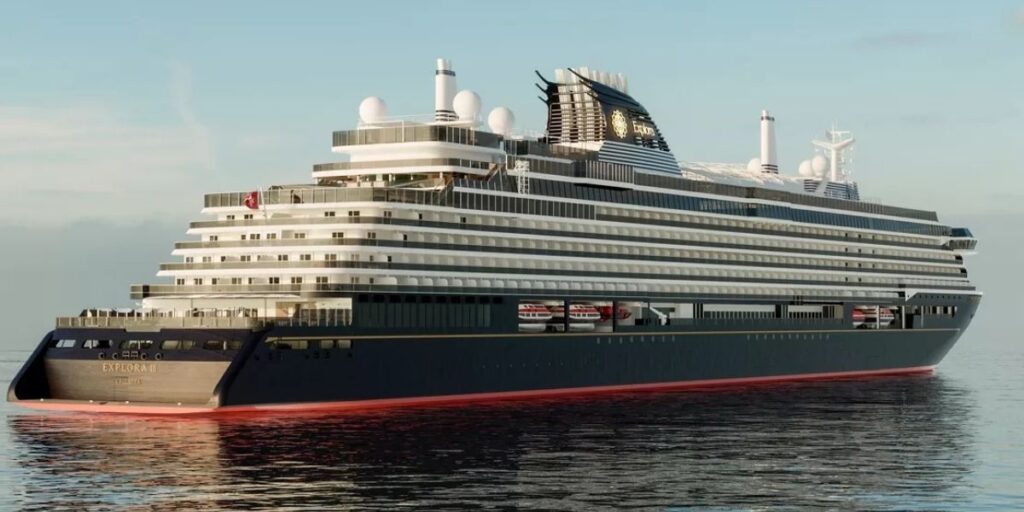
Explora Journeys is the newest brand near the top of this ranking, but it already has a very clear identity. It is MSC Group’s luxury brand, though the onboard feel is far more boutique-hotel than mainstream cruise line. EXPLORA I and EXPLORA II each carry about 922 guests in 461 ocean-front suites, and both ships were designed to feel more like modern luxury resorts than traditional cruise ships.
The numbers help explain the appeal: six restaurants, 12 bars and lounges, five heated pools, and a 1.25:1 guest-to-host ratio. All suites face the ocean, and four of the bar and lounge venues onboard are outdoor to make the most of the sea views.
It is also a fast-growing brand. EXPLORA III is due to debut in summer 2026, and the line is working toward a six-ship fleet by 2028, which shows how much confidence MSC Group is putting behind it.
Explora’s strength is that it feels current. It is a strong option for travelers who like high-end hotels, wellness-focused spaces, and contemporary design, but still want the ease of a cruise.
5. Paul Gauguin Cruises
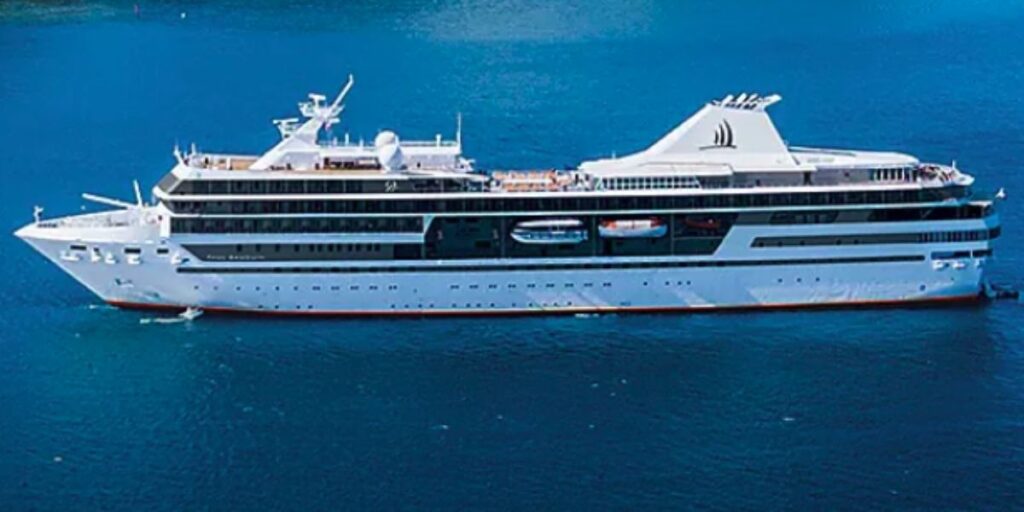
Paul Gauguin Cruises, part of the PONANT Explorations Group, operates one ship, the 330-guest m/s Paul Gauguin, and that single-ship focus gives the line a very clear sense of purpose. It is built around French Polynesia and the South Pacific rather than trying to be all things in all regions.
The ship was designed specifically for those islands, which helps it reach lagoons and smaller ports that bigger ships cannot. Onboard, guests get three restaurants, an aft watersports marina, and a product that leans heavily into Polynesian culture. Time on the private islet of Motu Mahana is one of the line’s best-known signature experiences.
That destination fit is a big reason Paul Gauguin scores so well. It is ideal for travelers who want a luxury cruise that feels rooted in one region rather than a standard luxury template dropped into different itineraries.
6. Windstar Cruises
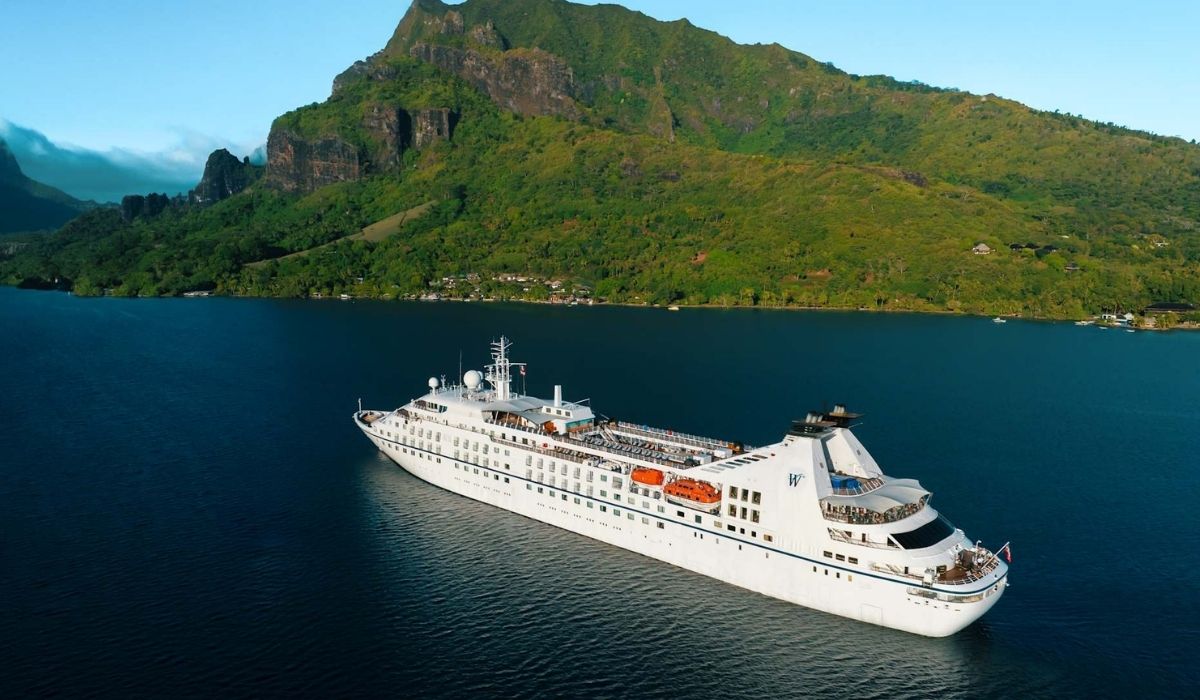
Windstar stands out because it offers two distinct styles of small-ship luxury. Its Wind Class ships are true sailing yachts, while its Star Class ships are all-suite yachts with a more contemporary feel. Depending on the vessel, guest capacity runs from about 150 to 350.
That split gives the line unusual range. The sailing ships deliver the romance and atmosphere of a real sailing experience, while the Star Class and newer all-suite yachts offer more space and a more resort-like layout. Star Seeker joined the fleet in December 2025, and Star Explorer is still due in December 2026.
Windstar also has some distinctive touches that help it stand out in reviews, including its marina platform, open-bridge policy, and dining partnership with the James Beard Foundation. It is one of the best picks here for travelers who want luxury without a very formal onboard atmosphere.
Related reading: Best Cruise Lines For Solo Travelers: Find Your Perfect Solo Cruise Fit
7. Seabourn
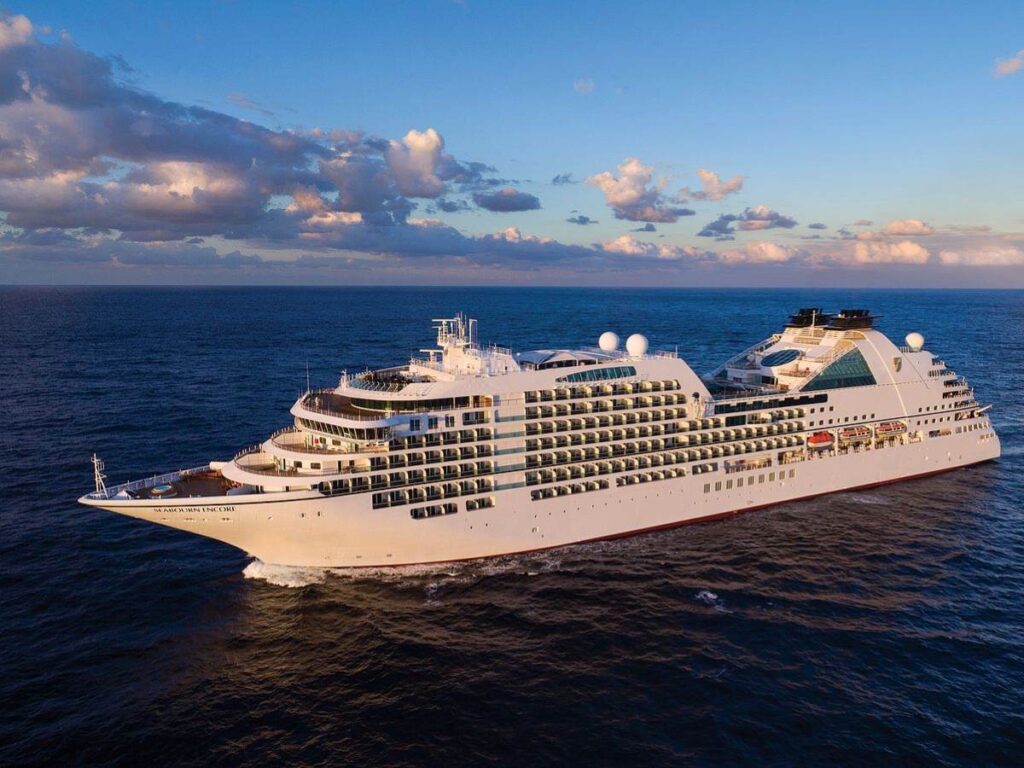
Seabourn’s fleet of all-ocean-front-suite ships carries between 264 and 600 guests, so it stays firmly in the small-ship luxury category even on its larger vessels. This is one of the best-known names in luxury cruising, and it still delivers many of the things people expect from the brand.
The line leans into classic ultra-luxury touches: all-suite accommodations, premium drinks, fine dining, strong space ratios, and service levels built around having nearly as many crew as guests. It also has some signature experiences that are closely tied to the brand, especially Caviar in the Surf and marina-based watersports events on select sailings.
Seabourn now spans both traditional ocean cruising and expedition sailing, which broadens its appeal. It works especially well for travelers who want a classic luxury line with a strong service reputation and a more established brand identity.
8. Ponant
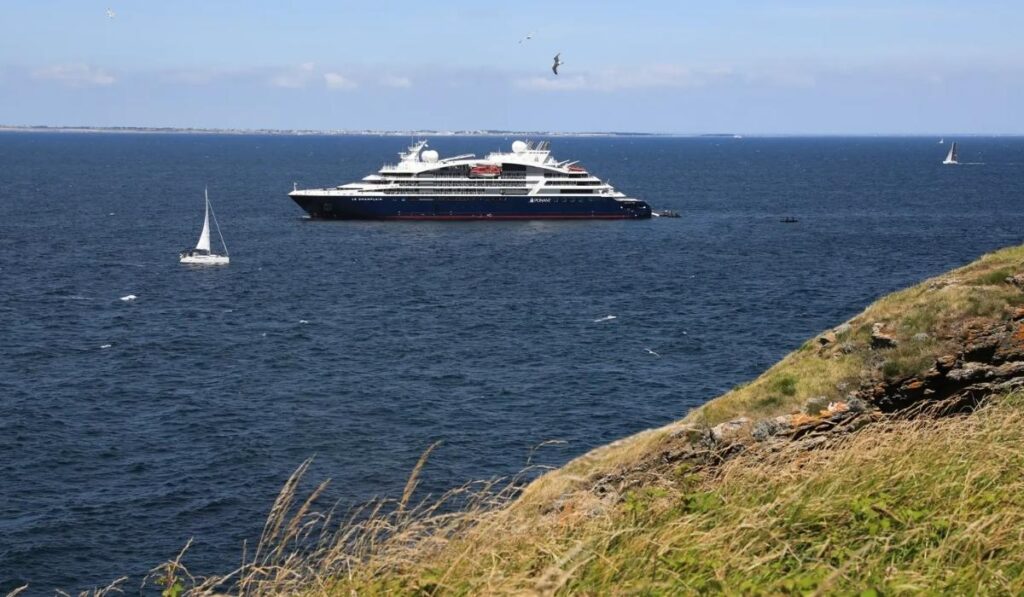
Ponant is one of the most distinctive lines on this list because it blends French luxury with expedition cruising. Depending on the ship, guest capacity ranges from just 32 on Le Ponant to 264 on the larger small ships, with Le Commandant Charcot carrying 245 guests.
That fleet mix is what makes Ponant different. Some ships feel like elegant French small ships, while others are built around expedition experiences, remote itineraries, and small-boat expedition landings. Le Commandant Charcot in particular stands apart as the line’s hybrid-electric, LNG-powered polar exploration ship.
Ponant is a strong fit for travelers who want luxury, but not in the most conventional form. It is more adventurous, more French in style and cuisine, and more expedition-led than many of the lines around it.
9. Silversea Cruises
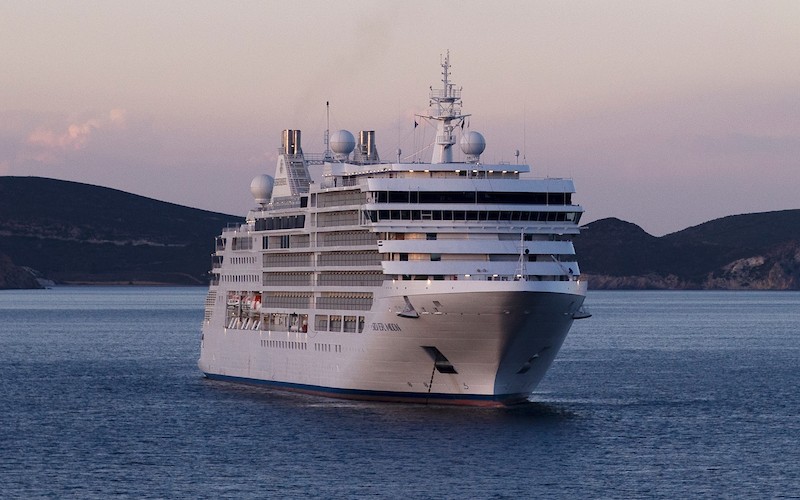
Silversea remains one of the biggest names in the luxury sector, and its fleet still has a lot going for it. Part of Royal Caribbean Group, the line sails ships carrying from about 274 to 728 guests, which gives it more variety in scale than some readers might expect.
Its core selling points are still powerful: an all-suite fleet, butler service for every suite, nearly one crew member for every guest, and all-inclusive fares that cover dining, drinks, and service. Silversea also leans into making the wider trip feel easier, with flights, hotel stays, and transfers that can be built into the journey to help smooth out the trip from home to ship and back again. The line also has real depth in both classic ocean luxury and expedition cruising, which helps explain its loyal following.
What makes the ninth-place finish notable is not that Silversea lacks luxury. It is that the line operates in a part of the market where expectations are extremely high, and guests are quick to mark down anything that feels less than seamless.
10. Oceania Cruises
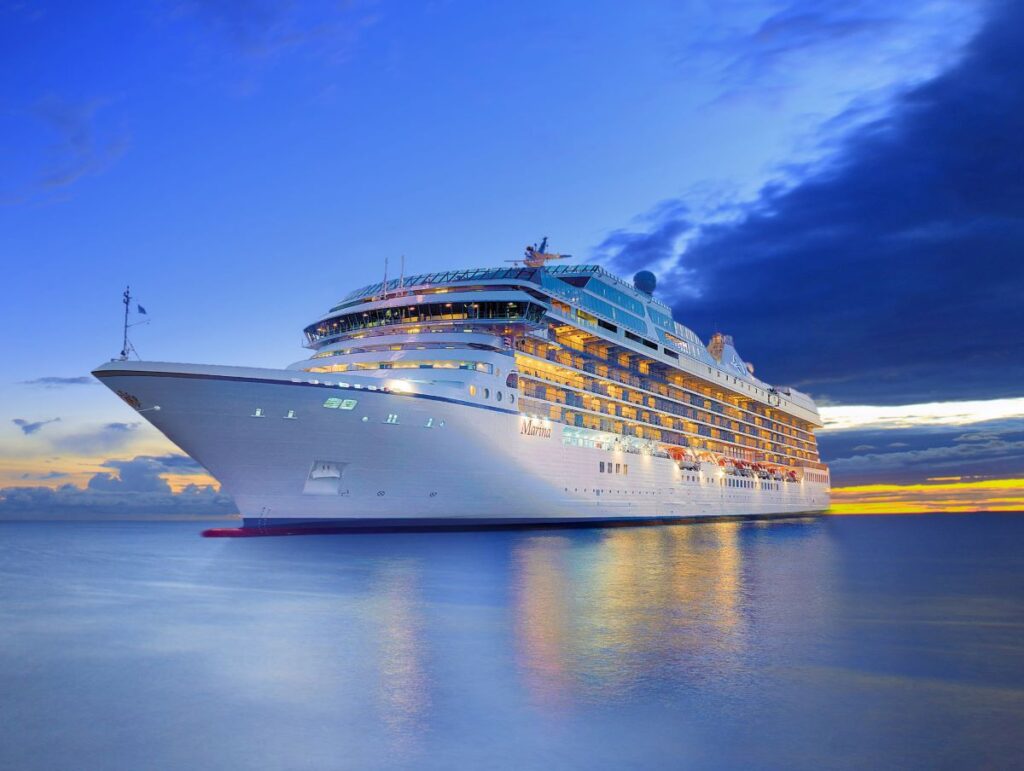
Oceania sits slightly differently from some of the ultra-luxury names above it, but it remains a serious upscale cruise line with a very clear point of difference. Depending on the ship, guest capacity ranges from about 670 to 1,250.
The line’s identity is built around food. Oceania has long marketed itself around “The Finest Cuisine at Sea,” and that focus is backed up by a strong dining program, destination-rich itineraries, and ships that feel polished rather than showy. On the larger ships, guests get multiple open-seating gourmet restaurants, while newer ships such as Vista and Allura have added newer venues like Aquamar Kitchen, a wellness-focused space.
Oceania is a particularly strong fit for travelers who care more about dining and itinerary quality than formal luxury rituals. It may not feel as overtly ultra-luxury as Seabourn or Regent, but it remains one of the most appealing food-led products in this part of the market.
Suggested read: These Cruise Lines Are a ‘Must’ for Food Lovers
11. Regent Seven Seas Cruises
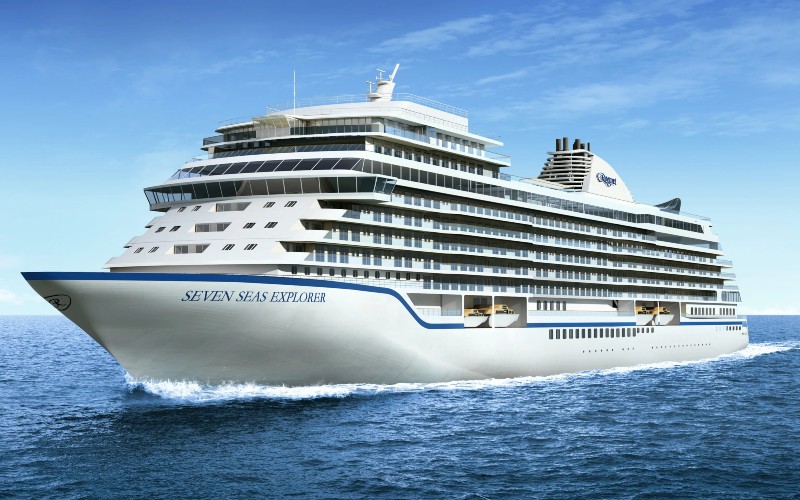
Regent’s ships carry between 490 and 750 guests, and the line’s whole pitch revolves around inclusions. In practical terms, that means one of the richest bundled products in luxury cruising.
Fares include unlimited shore excursions, specialty dining, beverages, Wi-Fi, laundry service, and access to spa facilities, which is a big part of Regent’s appeal. The brand also leans into large suites, elegant public rooms, and the sense that most of the trip has been paid for before you even board.
The fleet is also growing, with Seven Seas Prestige — the first ship in Regent’s new Prestige Class — now expected to debut in December 2026.
That makes Regent especially attractive to travelers who want a very inclusive, low-friction luxury experience. Its lower finish here is interesting mainly because the line’s reputation is so strong, not because the product is weak.
Recommended read: These Cruises Let You Stay Overnight in Every Port
12. The Ritz-Carlton Yacht Collection
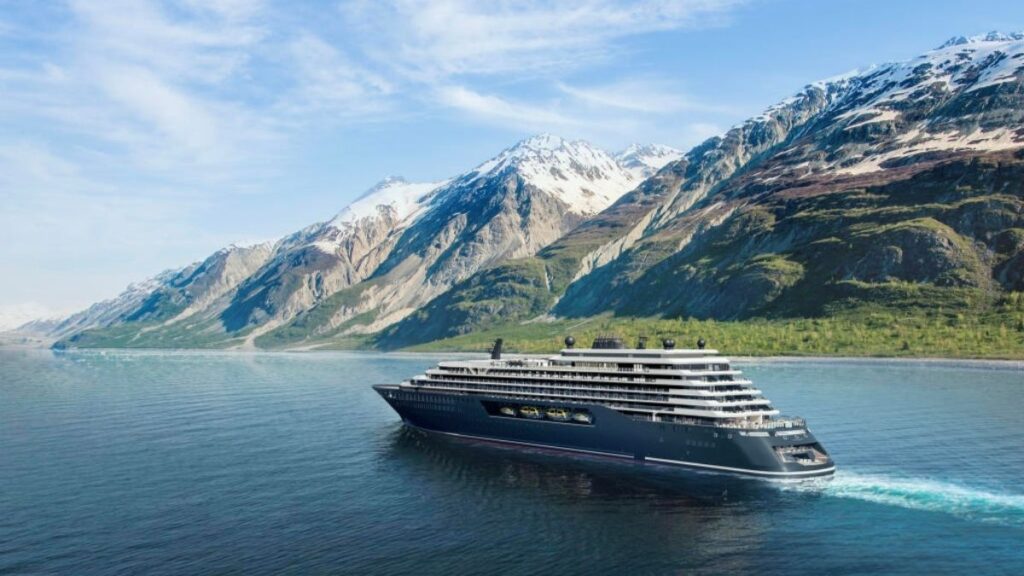
The Ritz-Carlton Yacht Collection currently spans three yachts with very different scales: Evrima carries 298 guests in 149 suites, Ilma carries 448 guests in 224 suites, and Luminara carries 452 guests in 226 suites. Every suite has a private terrace, which is central to the brand’s hotel-meets-yacht positioning.
This is one of the most design-led products on the list. The ships emphasize large suites, lots of open-air space, marina platforms, and a luxury-hotel approach to dining, spa, and service. The newer yachts also push hard on space-per-guest and a more residential feel than traditional cruise lines.
That is what makes the low ranking so interesting. The product is clearly high-end, but the Ritz-Carlton name also creates huge expectations. When a brand promises this level of style and exclusivity, even small gaps in delivery are more likely to show up in the review scores.
Which Luxury Cruise Line Is Best For You?
If you want the smallest, most yacht-like experience, SeaDream is still the clearest standout. With just 112 guests per yacht, it feels far more private than most ships on this list and suits travelers who want a quiet, highly personal trip rather than lots of onboard choice.
If you want a more traditional luxury cruise with stronger dining, lounges, and evening options, Crystal is probably the best fit. Its two ships are still small by cruise standards, but they offer a fuller onboard experience than the yacht brands above it.
For travelers who care most about the destination, Azamara and Paul Gauguin stand out for different reasons. Azamara is the better pick for broader global itineraries, longer port stays, and a more destination-first style of cruising. Paul Gauguin is the stronger choice if French Polynesia is the dream, because the entire product is built around that region.
If you want small-ship luxury without too much formality, Windstar remains one of the easiest lines to recommend. Its mix of sailing yachts and all-suite yachts gives it more variety than most of the lines here, and the onboard atmosphere is usually more relaxed than ceremonial.
For travelers who want a newer, more contemporary luxury product, Explora Journeys is the most obvious option. It feels more like a modern high-end resort at sea, which makes it especially appealing to people who like luxury hotels but do not necessarily want an old-school cruise atmosphere.
Some of the other lines fit into slightly more specific niches. Seabourn is a strong choice for travelers who want a classic ultra-luxury brand with all-suite ships and a more established service reputation. Silversea also suits that crowd, especially for travelers who like butler service and the option of both traditional luxury sailings and expedition voyages.
Ponant makes the most sense for travelers who want something more adventurous and more European in feel, especially if French style and expedition-style itineraries appeal. Oceania is the clearest pick for food-focused travelers, while Regent is best for people who want as much as possible included upfront, from shore excursions to drinks and specialty dining. Ritz-Carlton Yacht Collection is the one for travelers drawn more to a luxury hotel-at-sea feel than to a traditional cruise atmosphere.
Why Some Other Luxury Lines Aren’t On This List
Viking was the most obvious omission, but it was not the only one. Cruise Critic and Cruiseline both separate Viking Ocean from Viking River, so the issue was not mixed river and ocean scores. The bigger question was category fit, since Viking is often positioned closer to premium than pure luxury.
I also left out Atlas Ocean Voyages, Scenic Ocean Cruises, and Emerald because the two-site comparison was not clean enough to feel reliable. In those cases, the review data was either incomplete or too muddied to make a fair side-by-side ranking.
Final Thought
The most useful thing about this ranking is not just the order from top to bottom. It is the reminder that even in luxury cruising, the best line for one traveler may not be the best one for another.
Some lines lean into yacht-style intimacy. Others offer a more traditional luxury-ship experience with more restaurants, lounges, and onboard choice. Some are built around destination immersion, some around food, some around inclusions, and some around a newer hotel-style approach to luxury.
That is really what this list shows. The scores help separate the lines, but the better choice often comes down to what kind of experience you actually want once you step onboard.
Today’s Top Cruise Deals
See today’s best deals from ALL travel agents
You Might Also Like…


Thanks for reading!
I'm Kat, and I've been cruising for as long as I can remember — now I get to carry on the tradition with my own family!
If you enjoy my cruise tips, be sure to follow me on social media for more...