Let’s be honest, getting ill on holiday is never ideal. Getting ill at sea, miles from the nearest hospital, sounds even worse. But here’s the good news: every major cruise ship has a doctor on board, and they’re a lot more capable than you might think.
Whether it’s seasickness, a dodgy tooth, or something more serious, there’s help on hand. In this article, we’ll break down exactly what to expect from cruise ship medical care, from who’s on board to what it costs, and how to avoid getting hit with a four-figure bill.
Yes, There Are Doctors on Cruise Ships (Even the Smaller Ones)
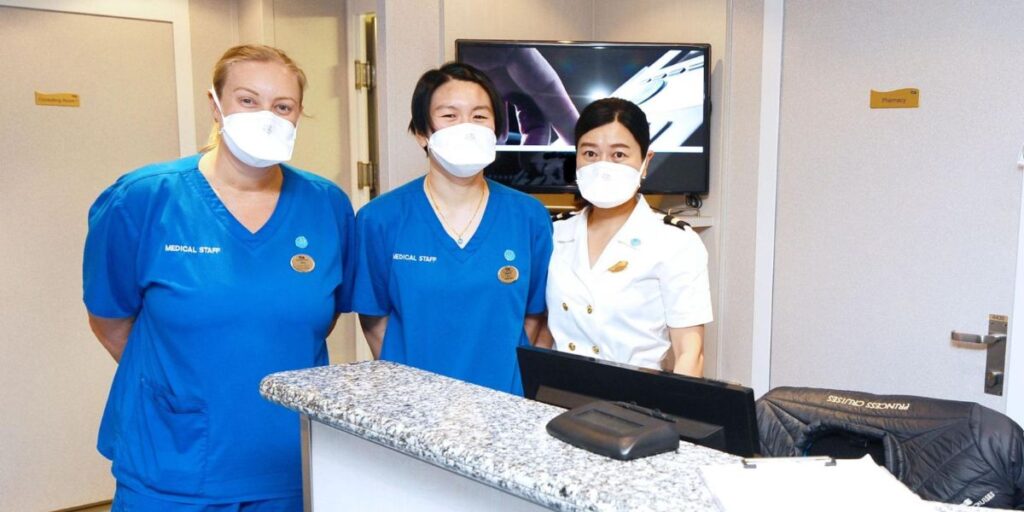
Every major cruise line is prepared for medical emergencies at sea. In fact, if a ship carries more than 100 passengers and is part of the Cruise Lines International Association (CLIA), it’s required to have medical staff on board who meet strict emergency care standards.
That usually means at least one fully trained doctor, often with emergency and trauma experience. Smaller ships and river-style vessels aren’t technically required to follow these rules, but most still employ at least one medical professional. It’s simply not worth the risk, both from a duty of care perspective and a legal one, to sail without proper medical cover.
No matter the size of the ship, if something goes wrong, help won’t be far away.
What Kind of Medical Team Can You Expect?
On most cruise ships, you won’t find a huge medical team, but there’s usually enough staff to handle the essentials. A typical setup includes one or two doctors and a small group of nurses. Larger ships may have up to three doctors and several nurses on board at any given time.
The senior doctor usually focuses on passenger care, while other medical staff cover crew needs and assist during busier periods. Doctors are on call 24/7, though they’re not always stationed in the medical center. Most ships offer walk-in clinic hours in the morning and afternoon, with emergency care available around the clock.
If you need help outside of those hours, you can contact a crew member who will arrange for the doctor to be paged, even in the middle of the night.
What Happens in an Emergency?
If you fall seriously ill or have an accident on board, medical help is available at any time, with clinic hours for routine issues and a doctor or nurse on call 24/7 for emergencies. Crew members are trained to respond quickly, whether that means calling the medical team, bringing a wheelchair to your cabin, or escorting you directly to the ship’s medical center.
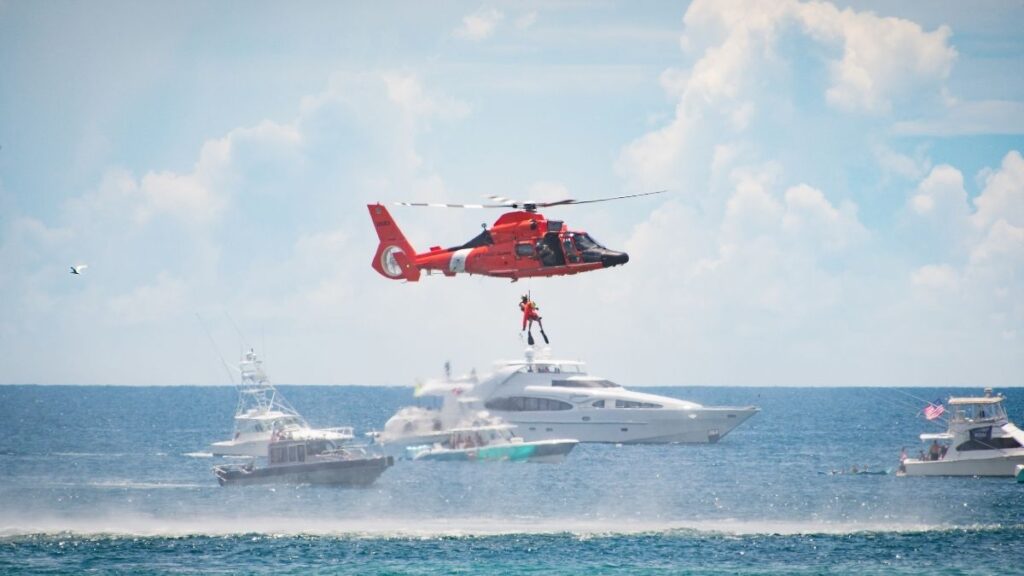
For more serious cases, the doctor will visit your stateroom if you’re unable to move. If it’s a life-threatening emergency, you may be stabilized on board and then evacuated, usually by helicopter or at the next port of call, depending on the circumstances.
While medical care is available 24/7, be aware that calling the doctor outside normal hours usually comes with an extra fee. Always check your travel insurance before sailing so you’re not caught out by unexpected costs.
Don’t Expect a Full-Blown Hospital
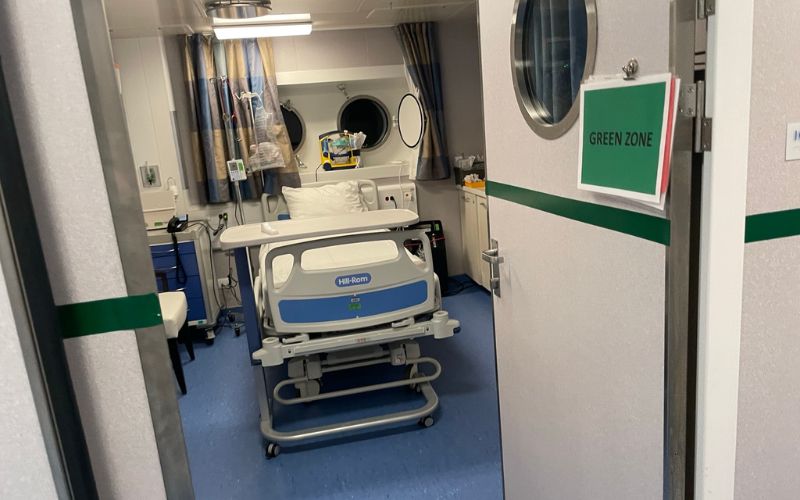
Cruise ships aren’t floating hospitals. The medical centers are typically the size of a small clinic rather than a full hospital, with one or more treatment rooms equipped for basic care, minor injuries, and stabilization in emergencies.
Many modern ships also have equipment such as defibrillators, oxygen, basic laboratory testing, and often X‑ray machines, allowing the team to diagnose and stabilize a wide range of conditions before transferring you ashore if needed.
If you need advanced treatment or surgery, you’ll likely be transferred to a hospital on land. In extreme cases, that could mean an emergency airlift, which is as expensive as it sounds, often tens of thousands of dollars.
For everything else, cruise doctors will do what they can on board: treating minor illnesses, managing pain, and keeping you stable until further help is available.
What Cruise Doctors Actually Do
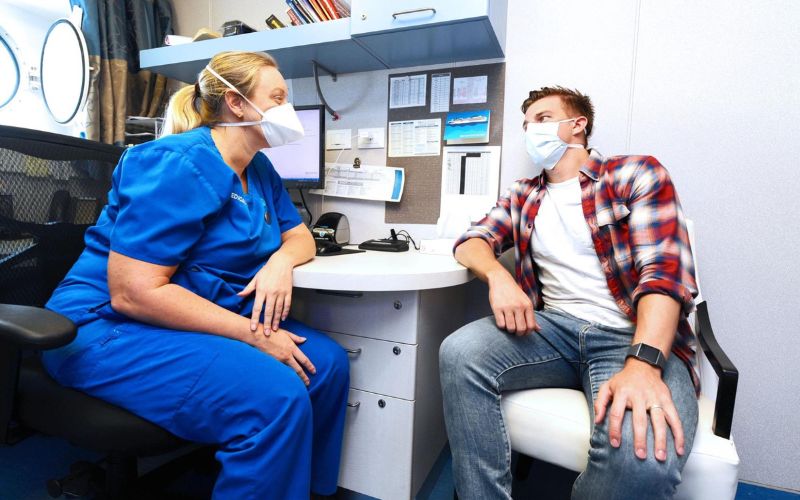
Cruise ship doctors are highly trained, often with backgrounds in emergency and internal medicine. Their role goes far beyond handing out seasickness tablets. They handle everything from minor injuries and infections to heart attacks and trauma care.
They’re equipped to perform small procedures like stitching wounds, removing foreign objects, and providing IV fluids. If you come down with something contagious, like Norovirus or the flu, they can also diagnose and recommend isolation.
They also provide ongoing care for crew members, including routine consultations, work fitness assessments, and managing chronic conditions during long contracts at sea.
Some doctors are trained in pediatrics, especially on family-friendly cruise lines. And on top of their medical duties, senior doctors are considered officers, which means you might see them suited up at a formal night. That said, it’s probably not the time to ask about your rash.
How Much Does It Cost to See the Doctor?
Medical care on a cruise ship isn’t free, and it’s not cheap either. A standard consultation during clinic hours often starts in at $100, and can be higher depending on the cruise line and the type of visit. If you need to see the doctor outside those hours or require a visit to your cabin, expect to pay more.
Additional treatments, such as injections, IVs, x-rays, or medications, are all charged separately. And while the ship’s medical team won’t turn you away in an emergency, they will expect payment soon after you’re stable.
Most cruise lines require you to pay upfront, then claim the cost back through your travel insurance. That’s why having the right insurance is essential, especially if you’re cruising in a remote part of the world where evacuation could cost tens of thousands.
Charges are usually added to your onboard account, and the medical center can provide detailed receipts or reports that you can submit to your insurer for reimbursement.
Can You Get Medication Onboard?

Yes, cruise ships carry a basic supply of medications, including antibiotics, painkillers, and seasickness remedies. If you need something stronger, like an injection for nausea, you’ll usually need to see the doctor first and pay for a consultation.
During rough seas, some cruise lines offer seasickness tablets free of charge at the medical center or guest services. But for anything beyond that, such as a prescription, you’ll be expected to cover the cost.
If you’re prone to motion sickness or have regular medications, it’s always a good idea to bring your own supply just in case.
What If You Need a Dentist?
Cruise ships generally don’t have dentists on board, so if you’ve got a toothache or something more serious, there won’t be anyone to treat it directly. However, the ship’s doctor can prescribe antibiotics if you develop an infection or abscess, which can help manage the issue until you get home or reach a port with dental care.
It’s one of the more common reasons people end up in the medical center, especially if an existing dental issue flares up mid-cruise. If you’re unsure about a tooth, it’s worth getting it checked before you sail. Dental pain can absolutely ruin a holiday.
Why Cruise Travel Insurance Isn’t Optional

Medical care on a cruise ship is private, and your regular health insurance may not cover it at all outside your home country, or may only reimburse a portion as out‑of‑network care. That means if you see a doctor on board or need emergency treatment, you’ll be footing the bill upfront and claiming it back later (if your plan even allows that).
A basic consultation could set you back around $100, but more complex procedures, like an X-ray, IV treatment, or even an emergency evacuation, can quickly run into the thousands. In remote locations, being airlifted to the nearest hospital could cost $20,000 or more.
The smart move? Buy cruise-specific travel insurance that includes medical coverage, emergency transport, and repatriation. It’s a small price to pay for peace of mind, and it could save you from a financial nightmare.
Want to Be a Cruise Ship Doctor?
If life at sea sounds appealing, becoming a cruise ship doctor is a competitive but rewarding career path. Most cruise lines require at least three years of post-residency clinical experience, typically in emergency medicine, internal medicine, anesthetics or a similar acute care specialty. Doctors also need to be confident handling a wide range of issues, often with limited support and far from land.
Working on a ship isn’t just about treating passengers. Cruise doctors are also responsible for crew health, infection control, and medical readiness, and as senior officers, they often attend formal events and represent the medical department onboard.
Positions don’t open up often, so if you’re interested, it’s worth checking the cruise lines’ career pages and registering your interest early.
Today’s Top Cruise Deals
See today’s best deals from ALL travel agents