What if I told you there’s a remote Arctic wonderland where you can live and work without ever needing a visa? A place where glaciers stretch for miles, polar bears occasionally stroll past the local supermarket, and the sun doesn’t set for months on end (or rise, depending on the season). Sounds like fantasy, right?
Welcome to Svalbard – a little-known archipelago between mainland Norway and the North Pole. It’s one of the northernmost inhabited places on Earth, yet it has one of the most open immigration policies in the world. No visa. No residence permit. No red tape. Just pack your thermals and go.
And here’s the kicker: you can actually cruise to this frozen frontier. That’s right – this isn’t just one for the intrepid backpacker or Arctic researcher. If you’re after a taste of the extreme, but prefer arriving in style (and maybe a bit of buffet on the side), Svalbard might just be the wildest port of call on your travel bucket list.
Where Is Svalbard and Why Is It So Special?
Svalbard isn’t the kind of place you stumble upon; it’s the kind of place you seek out when the usual “European getaway” just won’t cut it. Nestled in the Arctic Ocean, about 650 miles north of mainland Norway, this icy archipelago is raw, remote, and ridiculously beautiful.
It’s home to around 2,500 people, and, fun fact, there are more polar bears than humans. Locals come from over 50 different countries, drawn by the thrill of Arctic living, the tight-knit international community, and the chance to live somewhere that feels like another planet.
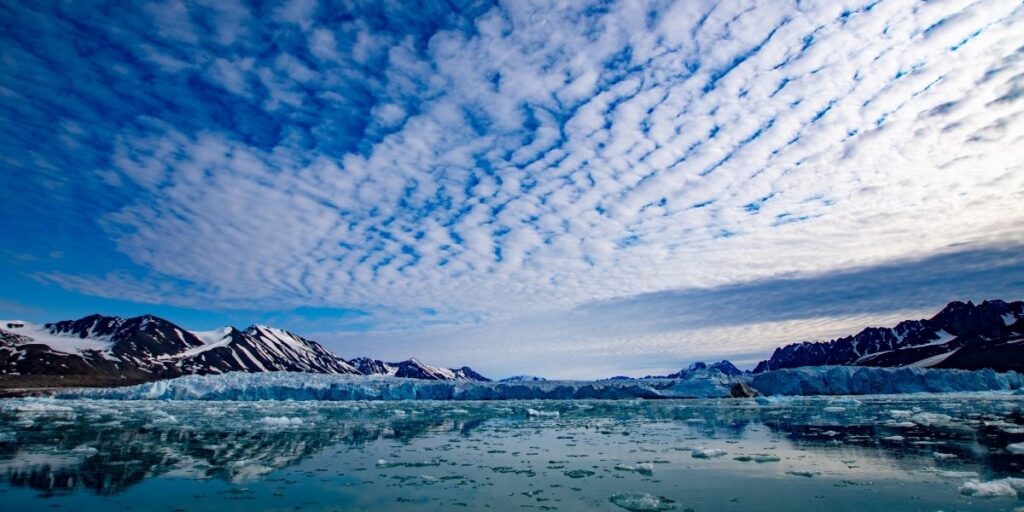
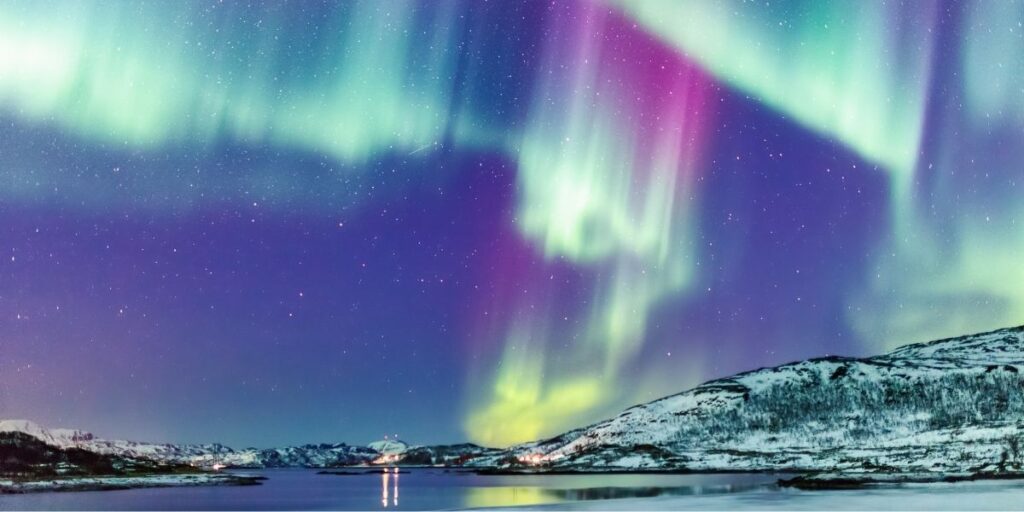
Here, nature calls the shots. Glaciers carve through mountains, the sky puts on nightly Northern Lights displays (when it’s not bathed in 24-hour daylight), and the silence is so pure it feels like sound has taken the day off. It’s a place where you can feel completely detached from the chaos of the world, while still picking up fresh bread at the local shop.
The Wildly Open Immigration Policy
If you’ve ever daydreamed about packing up your life and moving somewhere completely different, but got stopped in your tracks by visa applications, background checks, and mountains of paperwork, Svalbard might be your loophole.
Thanks to the 1920 Svalbard Treaty, this remote archipelago has one of the most extraordinary immigration policies in the world. While Norway governs the territory, Svalbard operates outside the Schengen Area, meaning anyone from anywhere can live and work here without a visa, residence permit, or work authorisation.
Whether you’re from the UK, the US, Brazil, India, Japan, or anywhere else, you can legally move to Svalbard, get a job, and build a life there without needing permission from any government office. No red tape, no waiting period, no gatekeeping. It’s the kind of freedom that feels almost rebellious in today’s world.
You Can Cruise to Svalbard
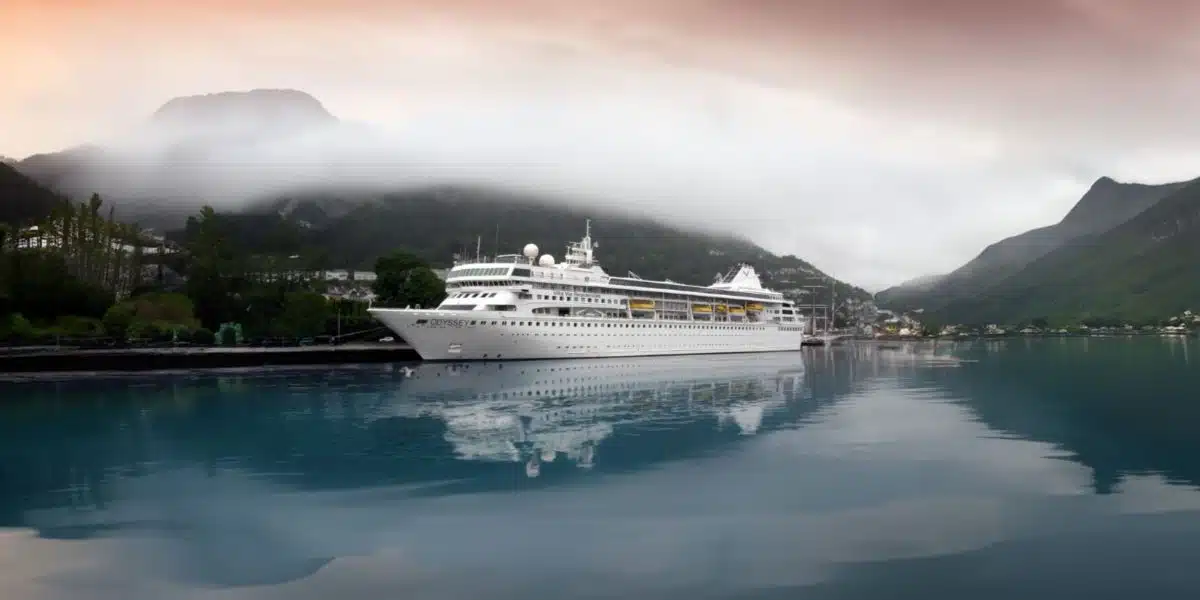
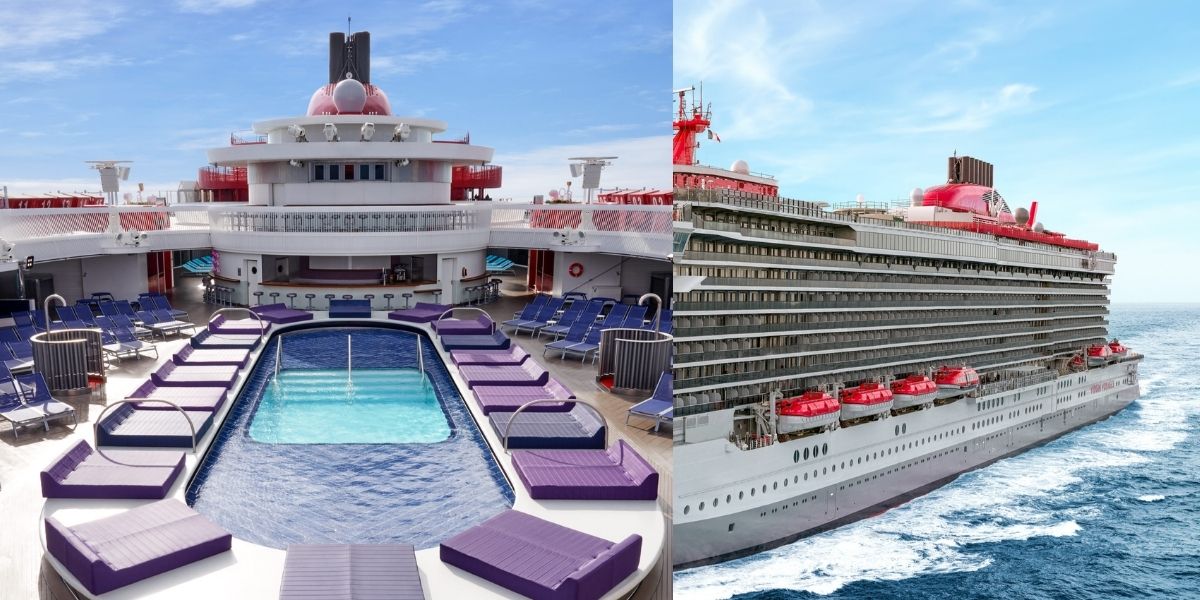
Svalbard might sound like the sort of place you’d need a sledge dog team and a survival kit to reach, but believe it or not, you can arrive by cruise ship, cocktail in hand and camera at the ready.
Several expedition cruise lines sail to Svalbard during the Arctic summer, including Hurtigruten, Viking, and Ponant, offering travellers the chance to explore dramatic fjords, spot walruses and whales, and glide past towering glaciers from the comfort of a luxury vessel. Some cruises even circle the archipelago, stopping at tiny research outposts and abandoned mining towns along the way.
Imagine going ashore on a port stop and thinking, You know what? I’ll just live here. In Svalbard, that’s not just a fantasy—it’s a reality that you can make come true.
The Reality: Beauty with a Bite
Living in Svalbard might sound like stepping into a snow globe filled with wonder, but make no mistake, this place doesn’t mess around. The landscapes may be jaw-droppingly beautiful, but so are the challenges.
For starters, forget your garden dreams; agriculture is impossible. Everything from apples to aspirin is flown or shipped in, making even the basics expensive. And while it’s free to settle here, making a living is another matter. Businesses face strict environmental rules, and there’s no social safety net. If you run out of money, the governor can ask you to leave.
Then there’s the wildlife. Polar bears are not a tourist gimmick; they’re a genuine, regular risk. Leave the settlement without a rifle, and you’re putting your life in danger. Firearm training is part of life here, not an optional hobby.
And let’s not forget the weather. Winter temperatures can plummet to –30°C, and storms can shut everything down in a flash. It’s beautiful, yes. But it’s also brutal. Svalbard isn’t for everyone, and it definitely doesn’t do “mild.”
Extreme Light and Dark: The Midnight Sun and Polar Night
If you’re someone who struggles to sleep with a bit of streetlight peeking through the curtains, Svalbard will test your limits—and then some.
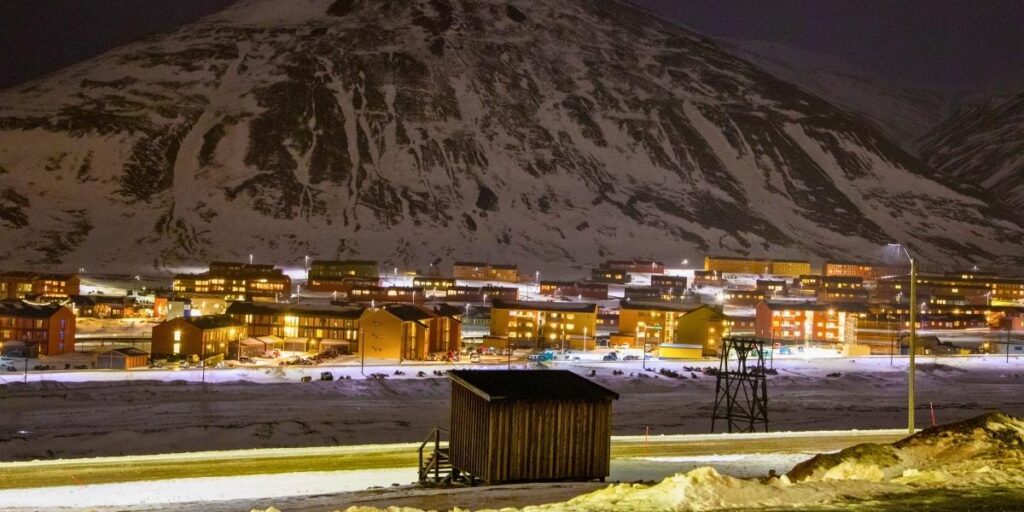
From mid-May to late August, the sun doesn’t set. At all. It just loops around the sky in a lazy circle, bathing everything in a soft, golden glow 24 hours a day. Locals call it the Midnight Sun, and while it sounds dreamy, it quickly plays tricks on your body clock. Is it 2 p.m.? 2 a.m.? Who knows. Time becomes more of a suggestion than a rule.
Then, just when you’ve got used to that, nature flips the switch. By mid-November, the sun disappears completely. Welcome to the Polar Night, two and a half months of total darkness. There’s no sunrise, no sunset, just inky skies and a twilight-blue landscape around the clock. It’s like living inside a moody Scandinavian art film… until the Northern Lights start dancing overhead, and you suddenly remember why people fall in love with this place.
Living here means syncing your life with the sky and learning to thrive when the sun says goodbye.
Can You Actually Work in Svalbard?
So, you’ve got the freedom to live in Svalbard – amazing. But can you actually find a job? The short answer is: yes, but it’s not easy.
The job market here is small and specialised. Most opportunities are in tourism, research, mining, and public services. If you’ve got experience guiding snowmobile tours, running a hotel, studying climate change, or working in hospitality, you’ll be off to a solid start. There’s also a steady need for service industry staff – think restaurants, shops, and maintenance teams that keep the tiny community ticking.
Fluency in Norwegian helps (especially for government jobs), but English is widely spoken, and many roles don’t require local language skills. Be prepared, though: most work is seasonal, and many people juggle multiple jobs across different sectors to make it work.
And here’s a crucial point: you need to be financially self-sufficient. There’s no welfare system. No housing benefits. No safety net. Svalbard rewards the adventurous, but it won’t carry you if things go wrong.
How to Move to Svalbard
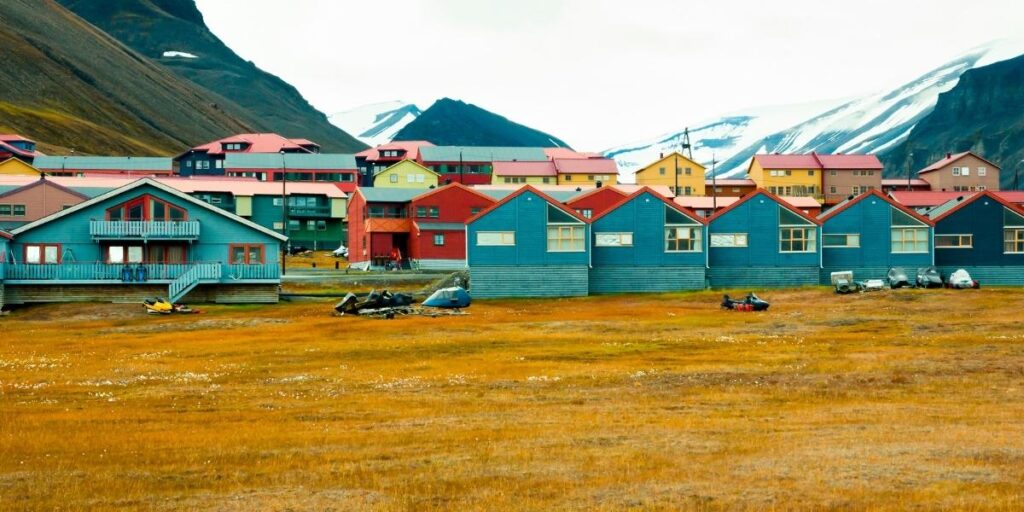
Tempted to trade in your daily commute for a snowmobile and a front-row seat to the Northern Lights? Here’s how to turn that fantasy into reality.
Thanks to its open-door policy, you don’t need a visa, work permit, or residence card to move to Svalbard. But that doesn’t mean you can just show up empty-handed. To stay long-term, you’ll need to prove you can support yourself financially. No job? No savings? No stay. The local authorities can (and do) ask people to leave if they become a burden.
Your best bet is to line up a job or university placement before arriving. The University Centre in Svalbard (UNIS) attracts researchers from around the world, and the tourism industry often seeks seasonal workers. If you’ve got the right skills and a sense of adventure, doors can open.
There’s also the matter of getting there. You can’t fly directly from outside Norway, you’ll need to transit via Oslo or Tromsø, and if you need a Schengen visa, make sure it’s double-entry. Once you arrive in Longyearbyen (the main town), you’ve got eight days to register if you’re staying for more than six months. Do that, and you’ll get access to essential things like healthcare, a tax number, and even an alcohol ration card.
Could You Call Svalbard Home?

Let’s be honest, Svalbard isn’t exactly sipping Aperol spritz on a Mediterranean balcony. It’s wild, it’s cold, and it will challenge every comfort zone you’ve ever had. But for the right person, that’s exactly the appeal.
Living here means embracing extremes. You’ll budget for bananas like they’re luxury goods. You’ll need grit, resilience, and a real sense of humour when your eyelashes freeze during the walk to work.
But you’ll also gain something most places can’t offer: true freedom. No visa hurdles. No over-tourism. Just raw nature, an international community of like-minded adventurers, and the kind of peace you only find at the literal edge of the world.
For cruise lovers, Svalbard is an unforgettable destination. For the bold, it’s a radically different way of life. So next time you’re standing on a cruise ship deck watching the glaciers drift by, ask yourself—could you stay?
Final Thought: Visit by Cruise, Stay if You Dare
Most people visit Svalbard once in their lifetime, and many do it by cruise. And honestly? It’s the perfect way to see it for the first time. You get to sail through iceberg-dotted waters, watch puffins and polar bears in the wild, and step ashore into a world that feels like it shouldn’t exist. Then you return to your ship for a hot meal and a cosy cabin.
But here’s the twist: Svalbard doesn’t just leave a mark—it lingers. Something about it seeps under your skin. Maybe it’s the silence, the stark beauty, or the fact that, for once, you’re somewhere where the rules don’t apply the same way.
So yes, take the cruise. Soak it in. And then—if your heart starts whispering what if…—know that Svalbard is one of the few places in the world where you can actually say yes to that feeling.
No visa. No permission. Just a frontier life waiting at the top of the world.
Today’s Top Cruise Deals
See today’s best deals from ALL travel agents