When you step onto a cruise ship, it feels like entering a floating paradise—a haven of luxury and leisure where your biggest worry might be deciding between the pool or a second helping at the buffet. But beneath the surface of this dream holiday lies a complex web of teamwork and technology working tirelessly to keep you safe, even in the face of treacherous waters.
Every smooth sailing is a testament to the incredible coordination between the captain, the crew, and the cutting-edge systems on board. From navigating unpredictable storms to responding to emergencies, these maritime professionals rely on exceptional teamwork and state-of-the-art tools to ensure every passenger’s safety.
In this article, we’ll explore how cruise ship teams and innovative technologies come together to handle the challenges of the open seas—and keep your holiday as carefree as it feels.
Related reading: These are the 8 Roughest Seas for Cruise Ships to Navigate
The Team That Keeps Cruise Ships Safe
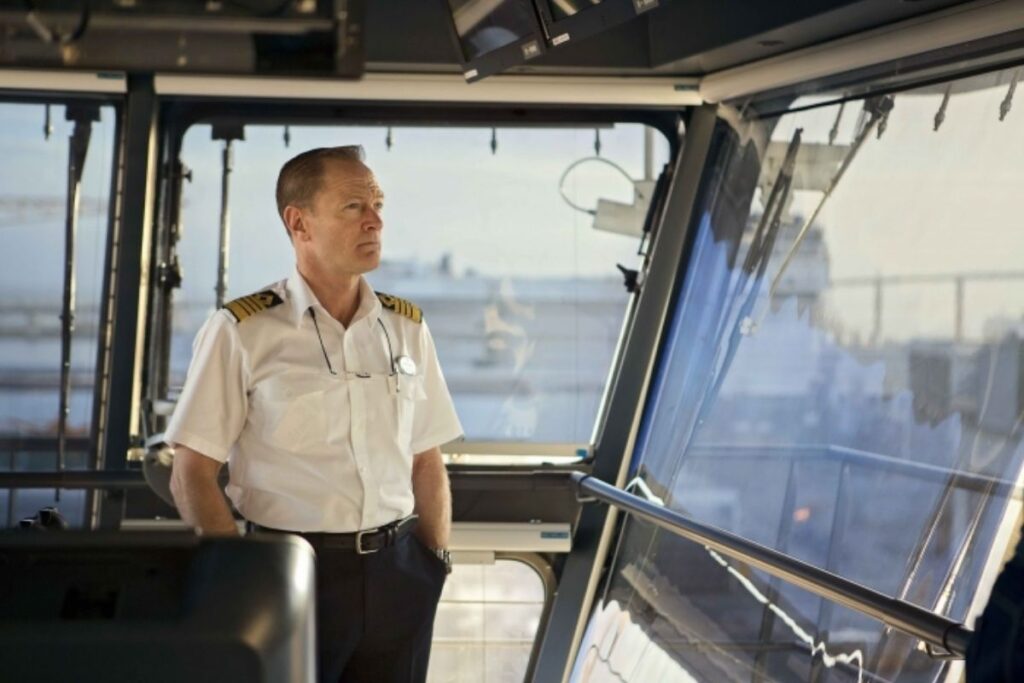
Behind every safe journey through the world’s oceans lies an extraordinary team working together on the ship’s bridge. While the captain may be the figurehead of cruise navigation, they are supported by a skilled group of officers, engineers, and weather specialists, each playing a vital role in ensuring passenger safety and comfort.
The Navigator: Often described as the “eyes” of the ship, the navigator is responsible for charting the ship’s course. They meticulously plan routes using advanced mapping tools, weather data, and even historical sea charts. Their job doesn’t stop at planning—they constantly monitor the ship’s position, ensuring it stays on track while avoiding hazards like shallow waters or unexpected obstacles.
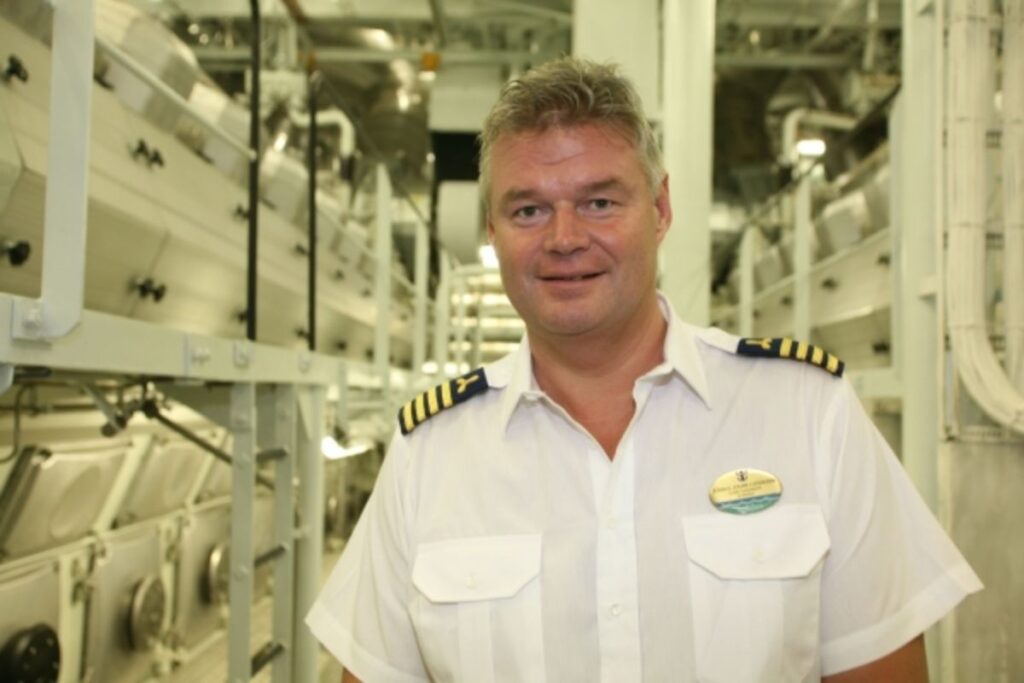
The Chief Engineer: While passengers rarely see the engine room, its operations are critical to a smooth voyage. The chief engineer oversees the ship’s propulsion systems and engines, making sure they operate efficiently even in rough seas. They also ensure that stabilizers—those vital systems that keep the ship from excessive rocking—are perfectly calibrated to handle changing conditions.
The Weather Officer: Some cruise ships have dedicated meteorologists onboard or maintain close ties with weather specialists ashore. These experts provide real-time weather updates, track storm paths, and analyze atmospheric conditions. By liaising directly with the captain, they help ensure that the ship steers clear of danger zones, keeping passengers safe and itineraries as intact as possible.
The Watch Officers: The bridge is staffed 24/7 by a rotation of watch officers who continuously monitor the ship’s instruments and surroundings. Their sharp eyes and quick reflexes are crucial in responding to sudden changes, like unexpected debris or other vessels in close proximity.
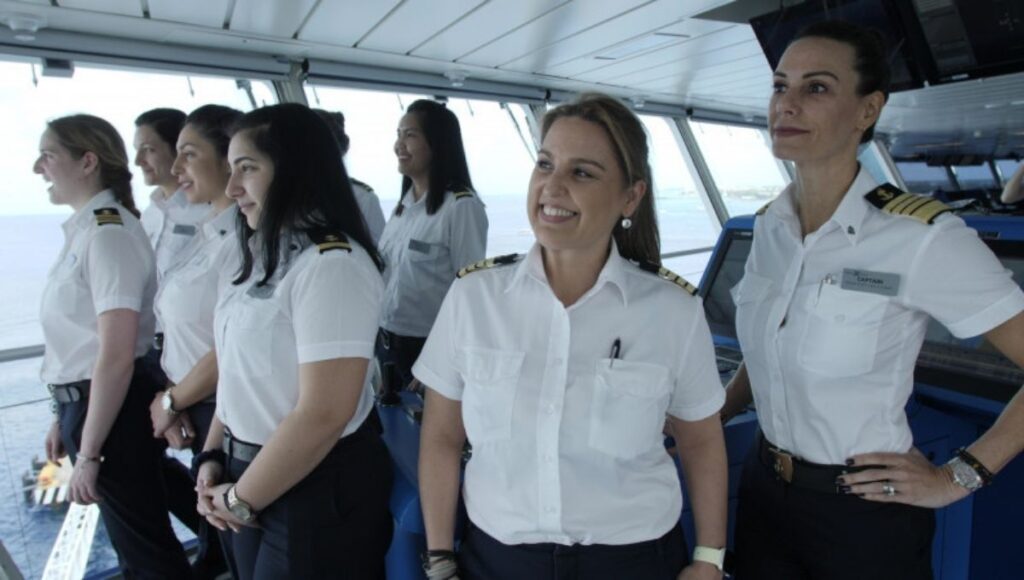
Together, this team forms the backbone of cruise ship safety. Their collaboration is seamless, with constant communication and well-practiced protocols ensuring that the ship responds instantly to any challenge the sea throws its way.
While passengers may only catch a glimpse of the captain during a welcome speech or photo op, it’s the quiet, diligent efforts of the entire bridge team that truly keep the ship on course.
Cutting-Edge Technology
Modern cruise ships are marvels of technology, equipped with state-of-the-art navigation systems. Think weather-optimizing software, routing programs, and real-time satellite imagery. These tools help captains stay a step ahead of storms, plotting routes that avoid turbulent seas and keep the ride as smooth as possible.
A lot of the magic happens thanks to resources like the National Oceanic and Atmospheric Administration (NOAA), which provides invaluable satellite images and computer models. These predictive insights are like having a crystal ball for storm tracking, enabling captains to make adjustments long before trouble strikes.
Real-Time Decisions, Real-Life Stakes
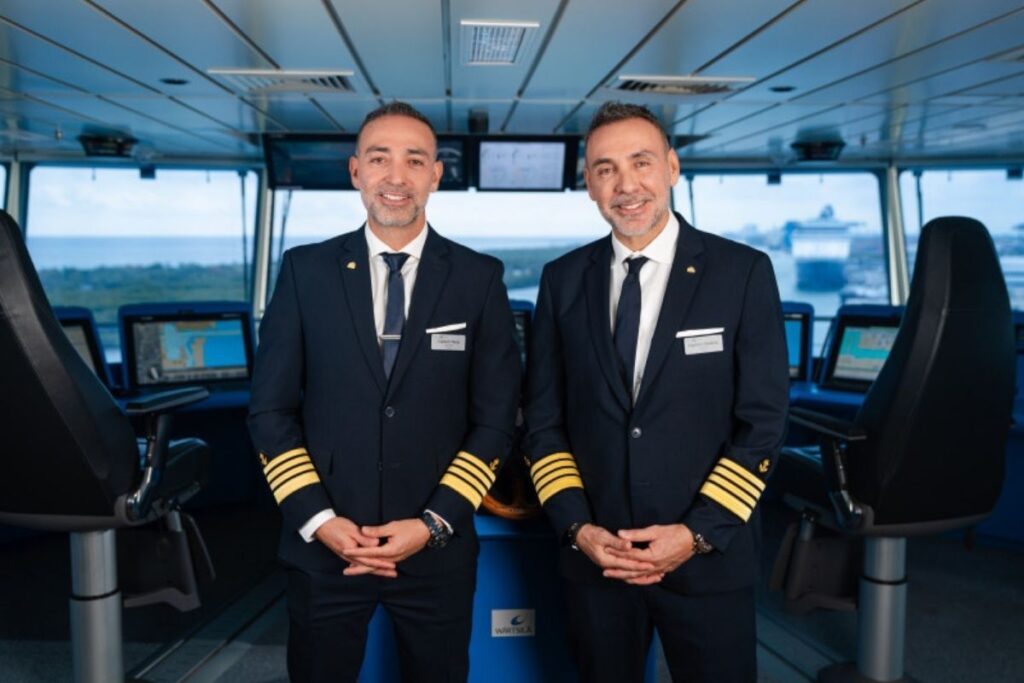
Technology may provide the data, but it’s the people behind the screens who bring it all together. Cruise ship captains and their bridge teams monitor real-time weather updates around the clock, often in close collaboration with dedicated meteorologists.
“The role of meteorologists in cruise navigation is pivotal,” says a spokesperson from the Royal Caribbean Group. “By maintaining constant communication with bridge teams, meteorologists provide critical insights into storm developments.”
These insights often lead to tough decisions, like altering a ship’s course to dodge bad weather. While itinerary changes can disappoint passengers, safety always takes priority. After all, it’s better to miss a port than face the wrath of a storm.
A Delicate Balance
The art of navigation goes beyond dodging storms. Captains must also weigh passenger satisfaction against safety concerns. Adjusting a route to avoid rough seas may mean skipping a much-anticipated port stop, but ensuring everyone’s well-being is the ultimate goal.

This delicate balance of technology, human skill, and teamwork is what makes cruise travel one of the safest ways to explore the world. While you’re enjoying the onboard entertainment or tucking into a gourmet dinner, rest assured that an incredible team is working tirelessly to keep you safe—even in the most treacherous waters.
Today’s Top Cruise Deals
See today’s best deals from ALL travel agents