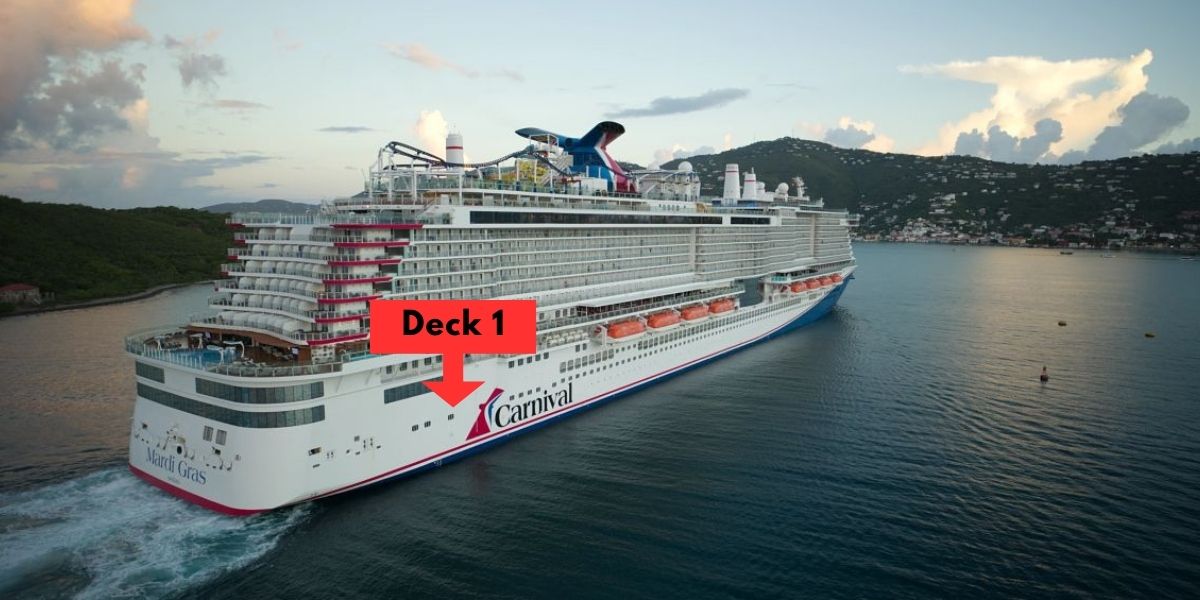
Ever noticed how some cruise ship deck plans start at Deck 2, 3, 4 or even higher? You might wonder what happened to Deck 1. It’s common for many passengers to be assigned a cabin on Deck 1 yet not know much about it.
In this article, you’ll discover all the key details about Deck 1. Whether you’re curious about its location, potential benefits, or drawbacks, we’ve got you covered. Let’s dive into the mystery of Deck 1 and what you can expect if you find yourself staying there.
The Location of Deck 1
Deck 1 is usually the lowest deck on a cruise ship. Sometimes, it’s the lowest deck that passengers can reach, but on other ships, it might be just for the crew. Public decks might start higher up, from Deck 2, 3, or even Deck 5.
Some cruise lines have public deck plans beginning at Deck 1, and the decks below could be named Deck 0 or something else entirely.
On many ships, passengers can only access small sections of the lower decks. These areas may include a few cabins or important facilities, like the medical center. So, the first deck with most cabins could actually start above Deck 1. The locations and names vary, but being well-informed helps you make the best choice for your trip.
It Can Be Underwater, But Not Every Time
On some cruise ships, Deck 1 might be located beneath the waterline. This can happen especially if there are several decks below where the crew stays. In these cases, Deck 1 could be above the waterline but still lower than the decks accessible to passengers.
If your cruise ship starts its deck plans from Deck 3 or higher, it’s likely that Deck 1 is underwater. Even so, just because a deck is underwater doesn’t mean it’s empty. Below-waterline decks are often used for crew cabins, storage areas, and essential facilities like laundry rooms and kitchens.
When Deck 1 contains staterooms, they’re usually Inside cabins. These cabins don’t have windows due to the murky and turbulent underwater environment, which wouldn’t provide much of a view and might not be as safe.
Key Points to Remember
- Location: Deck 1 can vary in position depending on the ship. It could either be underwater or just above it.
- Usage: Crew areas and operational spaces are typically found on the lower decks if they are underwater.
- Cabins: If Deck 1 has passenger cabins, these are usually inside cabins without windows.
This shows that the position and amenities on Deck 1 can vary greatly depending on the ship’s design.
Related Reading: Which Deck is Perfect for Your Cruise Style?
Exploring What’s Beneath Deck 1
Below Deck 1, you’ll find a hive of activity crucial to the smooth operation of the cruise ship. This area houses facilities that guests might never see but are vital for a comfortable journey.
Crew Accommodation
This is where most crew members sleep. These rooms are often below the waterline, and while functional, they aren’t very spacious and lack natural light. However, crew members spend little time here due to their demanding schedules.
Laundry Facilities
All those crisp, clean sheets and fluffy towels in your cabin? They get cleaned down here. The laundry facilities work round-the-clock to ensure everything is spotless.

Kitchens
The kitchens below Deck 1 are bustling with activity, preparing thousands of meals each day. Food is quickly transported to the dining rooms via service elevators and access tunnels.
Access Tunnels
These tunnels are essential for the crew to move around efficiently. They connect various parts of the ship, allowing quick transport of supplies, luggage, and food.
Engines and Machinery
The ship’s engines are situated near the bottom, along with crucial mechanisms like water treatment facilities. These engines power the ship and are meticulously maintained by a dedicated engineering crew.
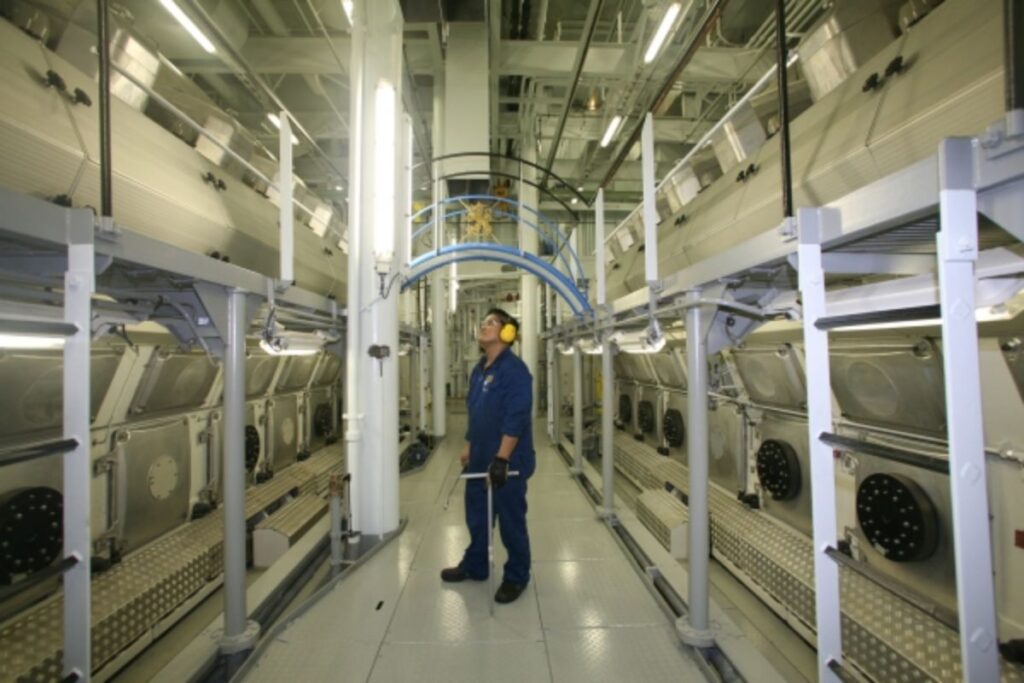
This intricate network below Deck 1 is essential for the seamless functioning of the ship, ensuring that your cruising experience is as enjoyable as possible.
Reasons Deck 1 is Often Viewed as Less Ideal
Deck 1 on a cruise ship is known for being one of the less desirable locations, but it does come with a list of advantages. One of the primary benefits is cost. Cabins on the lowest deck are typically among the cheapest you can book. So, if you’re working within a budget, Deck 1 might be your friend.
Another point in favor of Deck 1 is how quiet it often is. You can usually hop on an elevator with little to no wait, as fewer people are moving in and out compared to higher decks. This is great if you’re looking to get up to the busier parts of the ship quickly.
Combat Seasickness
If you suffer from seasickness, then Deck 1 could be a real lifesaver. The lower position means you’ll feel less of the ship’s swaying motion. This makes for a much more comfortable journey, especially if the weather gets a bit rough.
Room Types
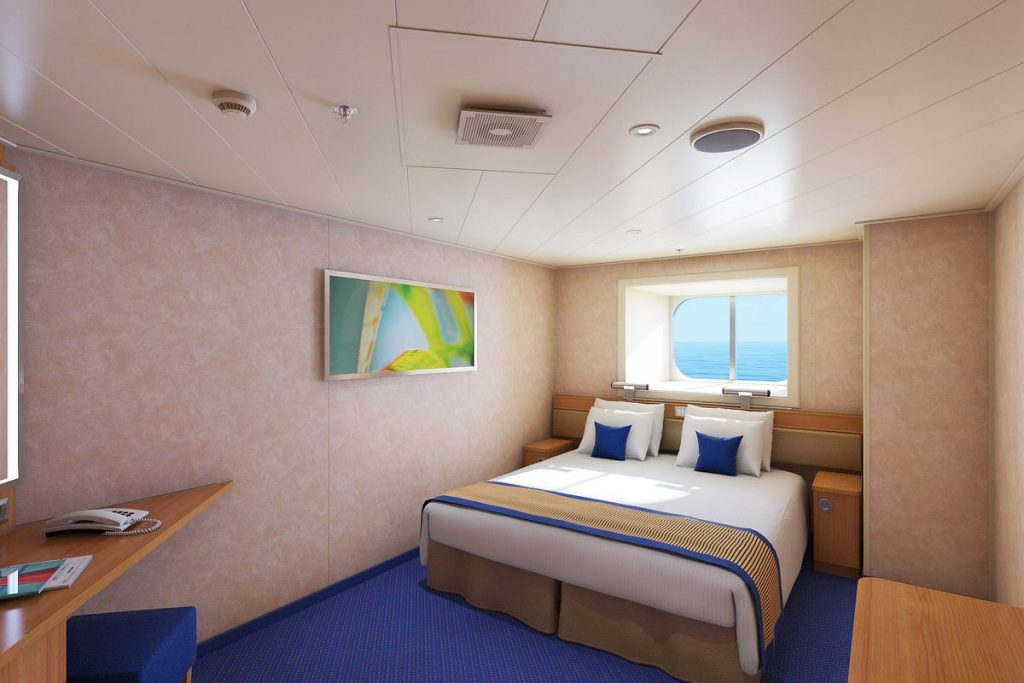
Staying on Deck 1 usually means you won’t have the most luxurious stateroom. If the deck is below the waterline, you might be limited to Inside staterooms with no windows. If it’s above the waterline, you might get an ocean view, but the view might not be as stunning as from the upper decks.
Types of Cabins on Deck 1:
- Inside staterooms: Limited to zero natural light.
- Ocean view staterooms: Often basic views, given the height above sea level.
Access and Activity
If you’re someone who doesn’t plan on spending much time in your stateroom, Deck 1 accommodations might be an excellent choice. The money you save can be spent on onboard activities or excursions at port. You can wake up early and head straight for breakfast or relax by the pool without worrying about the distance to your room.
What to Know About Noise on Deck 1
Staying on Deck 1 can be noisy at times. Depending on the ship, you might hear the ship’s engines and feel vibrations throughout your stay. This can be constant and may disturb your sleep, especially if you are a light sleeper.
Besides engine noise, there is another source of disturbance. Crew activity often creates noise, especially in the early mornings. Crew members need to move around the ship early to clean and prepare for the day. You might hear them in the corridors or other nearby areas.
Noise levels differ from ship to ship, and everyone’s sensitivity is different. Some might find the sounds unnoticeable, while others may find them quite distracting.
If you value peace and quiet for a good night’s sleep, you might want to avoid Deck 1. However, for those who are fine with some background noise, it could still be a valid option.
Deck 1 Isn’t Always Accessible to Passengers
While most cruise ships feature a Deck 1, it isn’t always accessible to passengers. In many cases, Deck 1 is reserved for crew use only. This “hidden” deck might contain crew cabins, storage areas, or essential machinery.
Cruise Lines and Their Deck Arrangements
Many cruise lines, including Carnival, Cunard, and Disney Cruise Line, have Deck 1 available for passenger use. However, this isn’t a universal rule. On some newer Carnival ships, passenger access begins from Deck 4. This variation also applies to other cruise lines. For example, Fred. Olsen Cruise Lines and P&O Cruises might have Deck 1 accessible on some ships but not on others.
Size Matters
The size of the ship often determines whether Deck 1 can be accessed by passengers. Larger ships generally have more extensive crew areas and storage needs, requiring the lower decks for these purposes. Smaller ships may also use these decks for operations but, depending on their layout, could still offer access to passengers.
Variations Within Cruise Lines
Deck availability can vary even within the same cruise line. Older ships might be designed differently compared to newer models. This influences which decks are available to guests. For example, older Carnival ships often allow access to Deck 1, whereas newer ships might start from Deck 4.
Why Midship Decks Are Often the Best Choice
Most people prefer staying on mid-level decks, typically between decks 6 and 8. These decks strike a balance by being far enough from noisy entertainment areas. You’ll also find it convenient, as mid-ship locations put you close to many amenities like dining, pools, and theatres.
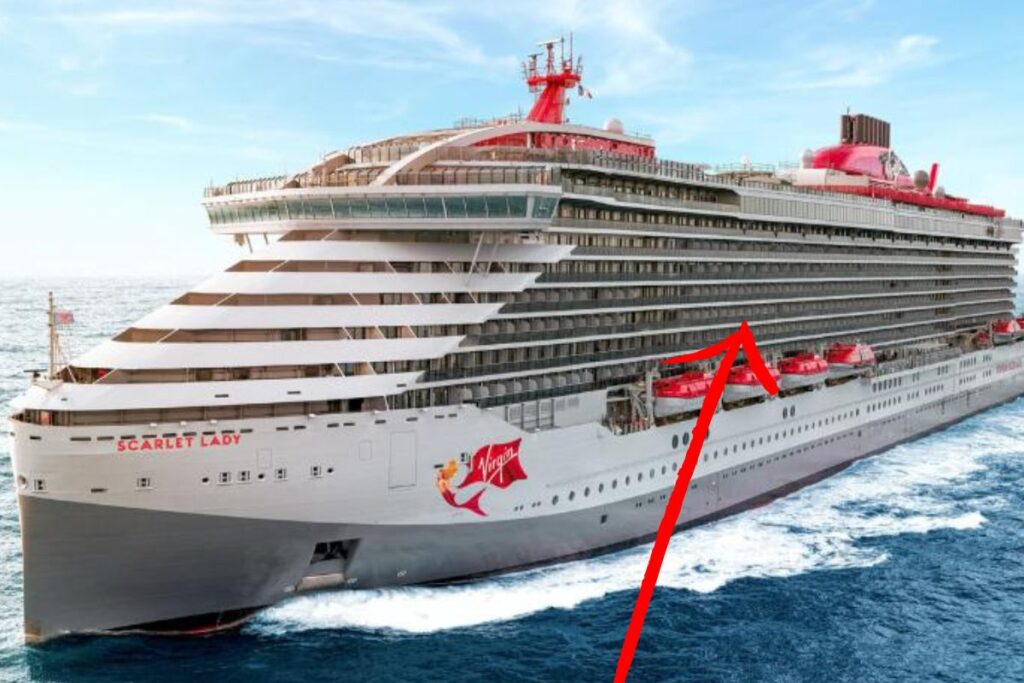
To have the quietest experience, aim for rooms that have other rooms both above and below. This helps reduce the noise that might come from areas like the pool deck or the nightclub.
Bear in mind that if you’re prone to seasickness, the middle deck might not be the best choice. Lower decks often offer more stability.
Final Thoughts
Deck 1 might not be everyone’s top pick, yet it does have its perks. If you’re looking for a budget-friendly cabin or want to avoid feeling seasick, this deck could be a good choice for you.
I have chosen a cabin on deck 1 for my next cruise. The cabin has an ocean view with a big window, and I’m excited to experience it.
Today’s Top Cruise Deals
See today’s best deals from ALL travel agents