Setting off on a cruise is an amazing way to explore the world. You travel on an impressive floating hotel, waking up to new and thrilling destinations almost every day.
However, many of these extraordinary places, like historic towns or stunning tropical islands, can’t accommodate large cruise ships. Instead, your cruise ship anchors offshore, and you hop onto a tender boat to reach the land.
Many passengers have no idea about the potential headaches these small vessels can cause. It’s important to know that these boats might not be convenient for everyone, and understanding their role can help you better plan your cruise.
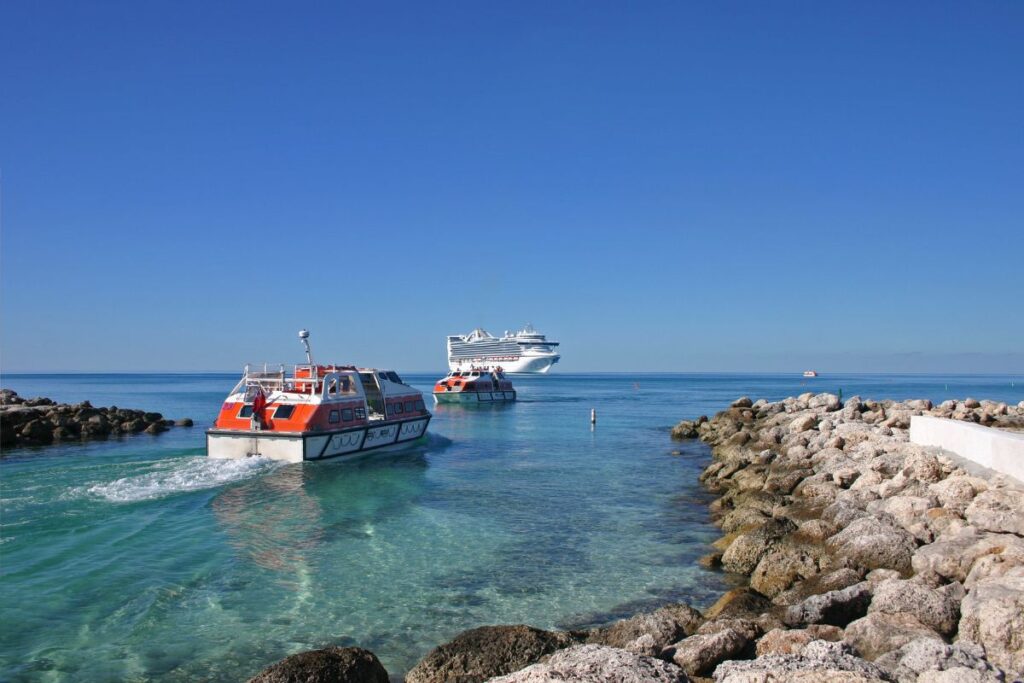
What Exactly Is a Tender Boat on a Cruise?
A tender boat, also called a water shuttle, is a small vessel that takes passengers from the cruise ship to shore when docking isn’t possible. These boats are often used at ports where the cruise ship can’t dock due to size, depth, or other reasons.
Cruise ships usually carry their own tender boats, which can serve as lifeboats in emergencies. These tenders are fairly large and and typically hold around 100 to 150 people, with some models carrying even more depending on the ship and design.
You might also come across tender boats provided by the port itself. These tenders are also used to ferry passengers to the shore.
Related reading: There’s Not Enough Lifeboats for Everyone on a Cruise Ship – Here’s Why You Shouldn’t Worry
What You Need to Know About Tender Ports
Tender ports are locations where your cruise ship can’t dock directly at a pier. Instead, special boats called tender boats or water shuttles transfer you from the ship to the shore.
These ports may have shallow waters or might lack the necessary shore space for a pier that can handle cruise ships.
Sometimes, a port may have a pier that can accommodate only a single cruise ship. If two ships arrive on the same day, the second one will have to anchor out at sea and use tender boats to bring guests to shore.
Although some ports have built artificial piers to support cruise liners, this is quite expensive and is only done where tourism would greatly benefit.
For example, CocoCay, a private island used by Royal Caribbean, had a pier built in 2019 as part of a massive renovation.
Understanding the ‘Tender Required’ Term
If a cruise port listing says “tender required” or “water shuttle required”, it means the ship can’t dock at that destination, so guests will need to use a tender boat (also called a water shuttle) to reach the shore.
Before your cruise, you can check your itinerary to see if any ports need tender boats.
If you’re worried about seasickness or unsure about using a tender boat, look for cruises that visit ports where the ship can dock directly. Being aware of this in advance helps ensure you’re comfortable with your travel plans and enjoy your trip without any unexpected surprises.
Understanding What ‘Possible Tender’ Means for Your Cruise
When you see “possible tender” on your cruise documents, it means that the ship might not be able to dock directly at the pier.
This can happen if the weather is bad or if the pier is already taken by another ship. If that’s the case, the ship will anchor offshore, and you’ll need to take a tender boat to get to land.
Things to remember:
- Weather Conditions: Rough weather can make tender rides choppy.
- Seasickness: If you are prone to seasickness, bring some medication just in case the ride is bumpy.
6 Essential Tips for Navigating Cruise Ship Tenders
1. Tender Boats Are Not Great If You’re Prone to Seasickness
Tender boats are smaller and move more in the water. Unlike the large cruise ship, you’ll notice the waves more on a tender.
The tender ride often lasts around 10 to 20 minutes. Much of this time might be spent waiting for everyone to board.
If you’re prone to seasickness, bring the remedy you normally use and follow its instructions. Sit near the center of the boat, face forward, look toward the horizon, and avoid reading during the crossing.
2. Expect Long Lines for Early Tenders
Everyone wants to make the most of their time ashore. That’s why many rush to be first in line for the tender boats.
However, this means long queues. Even if you think you’re early, many others may have beaten you to it.
On many ships, you’ll either collect a numbered tender ticket or be given a specific time slot, and then wait in a lounge until your group is called to go down to the tender platform
Some cruise lines offer priority boarding for certain passengers, so you might still have to wait.
Consider taking your time in the morning. Have a leisurely breakfast and let the initial rush pass.
Tenders run throughout the day, and you’ll avoid wasting time queuing.
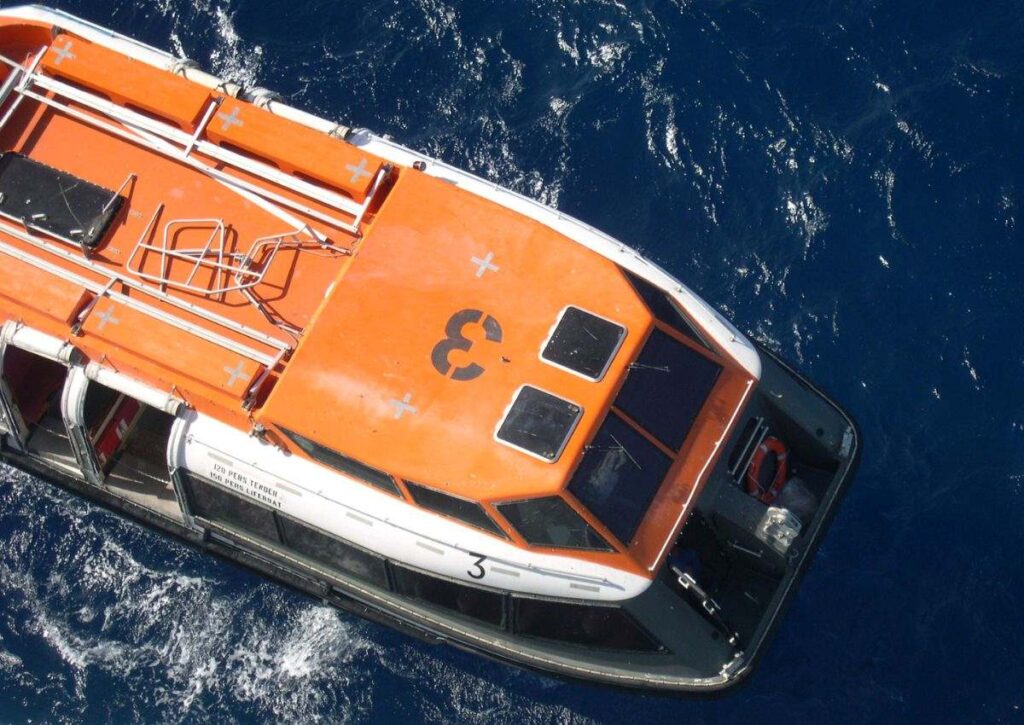
3. Why Tender Boats May Not Be Ideal for Those with Limited Mobility
Tendering can be difficult or impossible for some guests with limited mobility. Boarding often involves steps, narrow entrances, uneven movement, or stepping between the ship and a smaller boat.
Policies vary by cruise line and port. Some guests may need to walk a short distance, manage steps, transfer out of a wheelchair, or use a collapsible manual chair. Power wheelchairs and scooters may not be accepted unless roll-on access is available.
Even when a guest can board the tender, the landing point ashore may not be accessible. Final decisions can depend on the boat, port facilities, tides, sea conditions, and the captain’s safety assessment.
Contact the cruise line’s accessibility team before booking, then confirm the arrangements onboard because access can change on the day.
4. Choose Your Seat for the Best Photos
If you’re the last to board the tender, you might get the best seat for photos. Sitting by the door provides a great vantage point.
You can take stunning pictures of your cruise ship as you move away from it. If the tender has an open upper deck, head up there for even better views.
Standing on the upper deck gives you a perfect spot for capturing the shoreline and your ship.
5. Bad Weather Can Impact Tender Ports
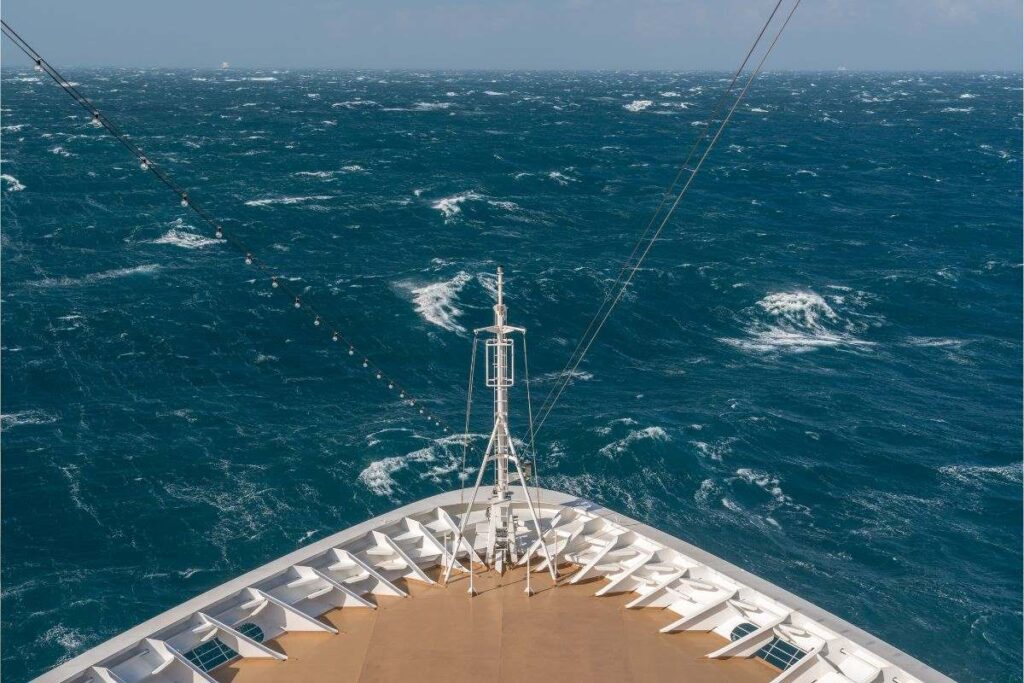
Bad weather can mean delaying or canceling a tender port altogether. Safety comes first, so if waves are high, wind is strong, or visibility is poor, the captain may suspend or stop tender operations.
Cruise ships can’t wait indefinitely for the weather to improve. If conditions don’t get better within the time window the ship has in port, the call may be skipped and you’ll miss that stop.
Though you’ll get a refund for any excursions booked through the cruise company, third-party excursions are another matter.
Checking typical seasonal conditions can help you understand the risk, but tender ports can be canceled at any time of year.
Suggested read: Best And Worst Times To Cruise The Caribbean
6. Be Sure to Catch the Last Tender Boat Back!
Having fun ashore can make you lose track of time. But missing the last tender is serious. The posted “last tender” time is the deadline for being at the tender boarding point ashore, not the time to start walking back from the beach or restaurant. Aim to arrive well before it.
If you miss the final tender, the ship may leave without you. Your only options are costly. You could be responsible for hotels, meals, transportation, immigration arrangements, and travel to the next port—or home. Never assume another boat will be arranged.
Always keep track of the time to ensure you catch the last tender back.
Today’s Top Cruise Deals
See today’s best deals from ALL travel agents