Have you ever wondered what happens to all the waste produced on a massive cruise ship? With thousands of passengers on board, it might be a bit unsettling to think about. But the topic of cruise ship waste management is surprisingly fascinating (and not as gross as you might think).
Unlike hotels on land, cruise ships can’t just flush everything away into a sewer system. These floating cities can carry up to 7,600 people at a time, so where does all that waste go?
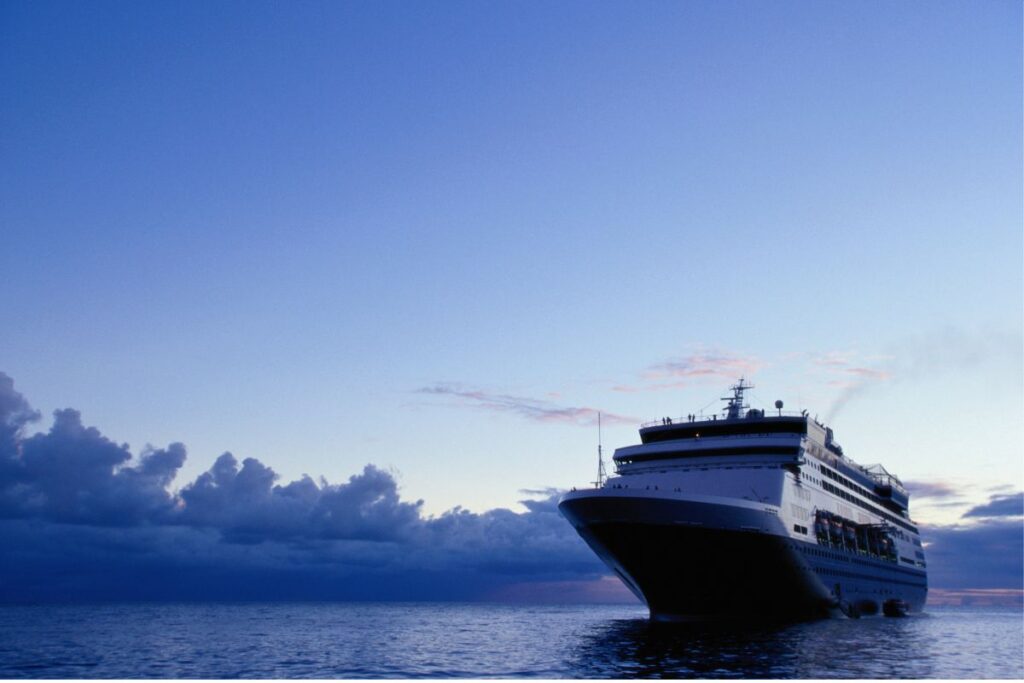
Let’s plunge into the murky depths of cruise ship waste and discover how these floating resorts keep things shipshape.
Cruise Ships Now Treat Waste Before Ocean Release
You’ll be pleased to learn that modern cruise ships don’t just dump raw sewage into the ocean. They use special systems to clean the waste before letting it go. This helps keep the seas cleaner and safer for sea life.
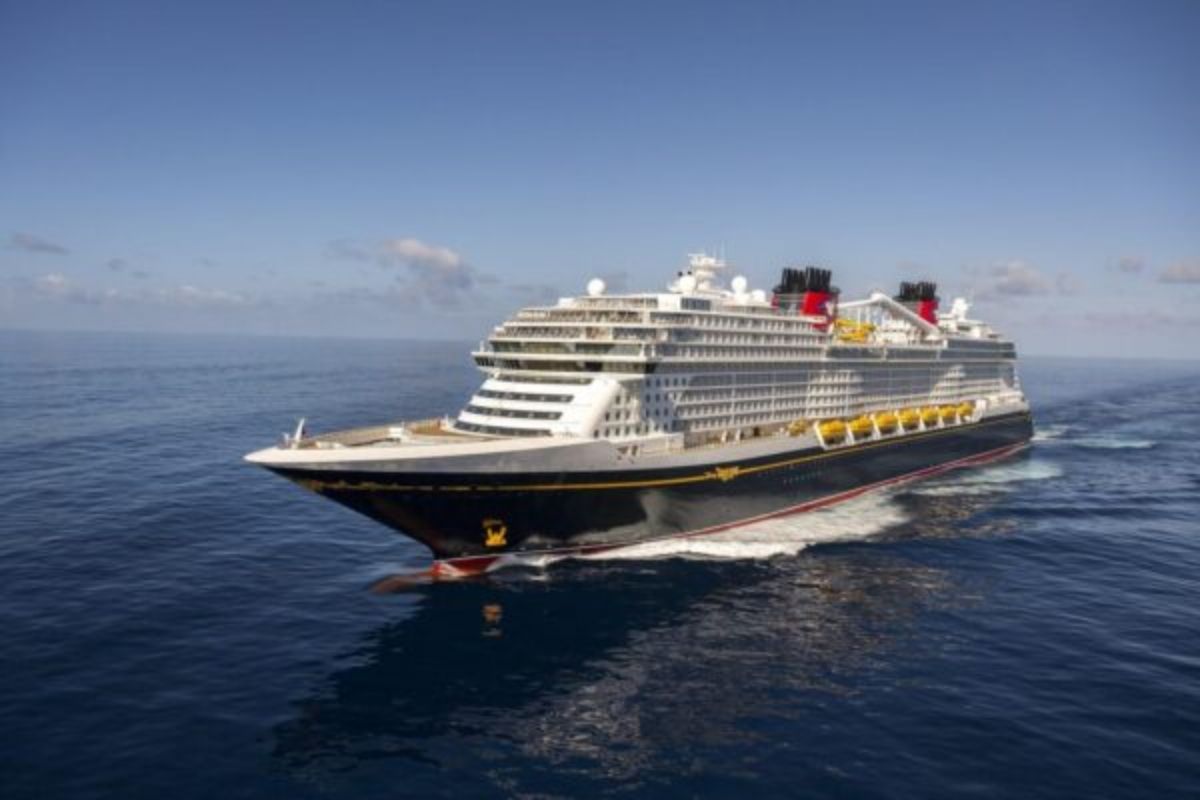
Many big cruise lines have put these cleaning systems on all their ships. Some of the companies that have done this are Disney, Royal Caribbean, and Norwegian Cruise Line. These systems make sure the water is safe before it goes back into the ocean.
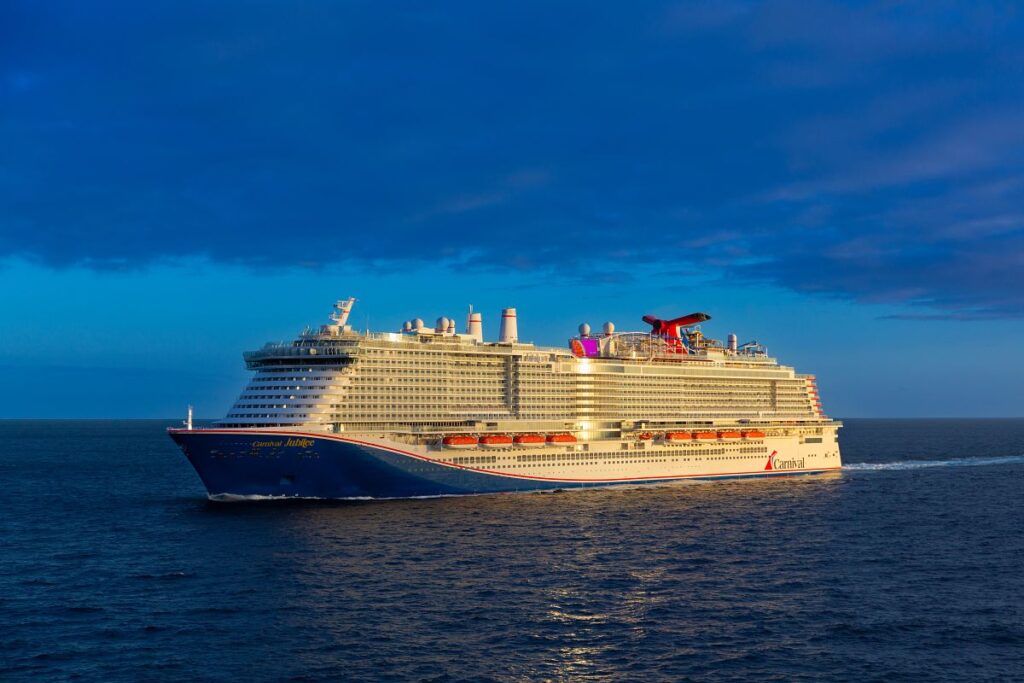
Rules about where ships can release waste differ in different places. Some spots near land don’t allow any waste to be released at all. But even in areas where it’s okay, cruise ships are trying to be more careful.
Cruise companies are making these changes because they know it’s good for the planet. They also know that many people who take cruises care about the environment. By being more eco-friendly, cruise lines can make their customers happier.
Not all cruise lines are the same, though. Some older ships might not have the newest cleaning systems. If you’re worried about this, you can ask the cruise line about their waste treatment before you book a trip.
How Cruise Ships Handle Your Waste
Ever wondered what happens to your poop when you’re on a cruise? Don’t worry, it doesn’t just get dumped straight into the ocean! Cruise ships have smart ways to deal with your waste.
When you flush the toilet, your waste goes to a special treatment plant on the ship. This plant cleans the dirty water really well. It takes out all the yucky stuff that could hurt sea life.
The leftover solid waste gets burned up on the ship or saved for later. When the ship gets back to land, the solid waste is taken care of there.
What about the water from your shower or sink? That’s called grey water. It’s not as dirty as toilet water, but it still needs some cleaning. The ship makes sure this water is safe before letting it go into the sea.
How Cruise Ships Deal with Sewage
Here’s the journey sewage takes through the onboard treatment plant on a cruise ship
1. Bioreactor Aeration Chamber
Waste on cruise ships starts its journey in a tank full of helpful bacteria. These tiny organisms break down yucky stuff in the waste. They eat up things that make the water dirty, cleaning it up bit by bit.
2. Special Filters
Next, the water goes through filters. These catch little bits of dirt and gunk. Any solid stuff that gets caught goes back to the bacteria tank. This helps clean the water even more.
3. Settling Area
In this part, leftover bits sink to the bottom. It’s like when you shake a snow globe and then let it sit. The “snow” falls down, leaving clearer water on top. The cruise ship collects the sunken stuff to clean it more or get rid of it later.
4. Germ-Killing Step
Now, it’s time to zap any germs left in the water. The ship uses a special light to do this. It’s kind of like how the sun can kill germs but much stronger. This step makes the water really clean, almost as good as what comes out of your tap at home.
5. Clean Water Storage
After all these steps, the water is super clean. The ship keeps it in a big tank until it’s time to let it go. They might wait until they’re back on land or release it into the ocean when they’re far from shore.
Eco-Friendly Food Waste Processing on Cruise Ships
Up to 30% of the food served on cruise ships ends up wasted. This usually happens because guests order more dishes than they can eat or pile their plates high at the buffet and don’t finish everything. A large cruise ship typically deals with 1.5 tonnes of food scraps each day.
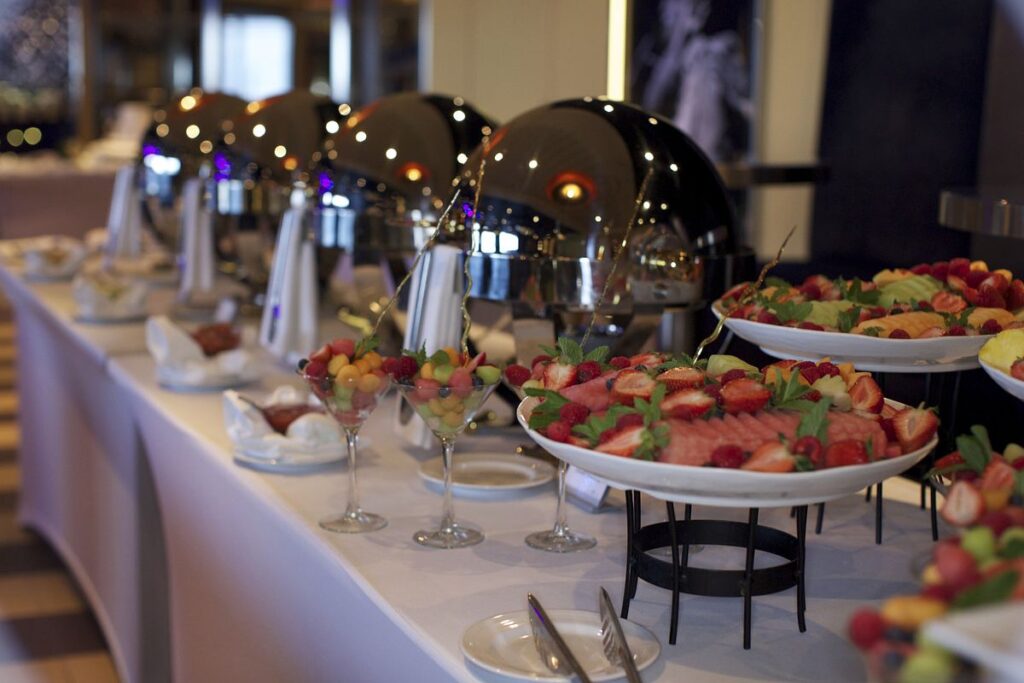
Every galley is fitted with a grinder to puree food waste, which is then discharged into the ocean below the waterline at night when the ship is at sea. As a result, fish and other marine animals often trail the ship, feeding on the scraps.
Alternatively, some food waste is processed using a dehydrator to extract moisture before being incinerated. This method, which removes all liquid before burning, is considered the safest and most environmentally friendly way to handle food waste on cruise ships.
Burning waste isn’t perfect, as it releases harmful gases, and dumping food into the ocean isn’t great either, since it’s not a natural diet for marine animals.
To reduce the environmental impact (and costs) associated with food waste, cruise ships make significant efforts to minimise the waste they produce.
Reducing food waste is just as important as disposing of it properly. For cruise lines, wasted food translates to wasted money, so any reduction in waste benefits both the environment and their bottom line.
Some methods used to tackle food waste include:
1. Saying Goodbye to Late-Night Snacks
Remember those midnight buffets on cruises? They’re gone now. Most ships close their buffets by 10 pm. If you get hungry later, you can still grab a snack at a cafe or from a small selection of sandwiches and cakes. This change helps cut down on wasted food.

2. Using AI for Menu Planning
Cruise lines are becoming tech-savvy to reduce waste. They’re using AI to predict what meals guests will want and when helping them make just the right amount of food. It’s a new idea, but it could really help cut down on leftovers.
3. Paying for Extra Meals
You used to be able to order as many main courses as you wanted in the dining room. Now, some cruise lines charge a small fee if you want more than one or two. This helps stop people from ordering too much food they can’t finish. It’s a simple way to reduce waste.

How Much Waste Do Cruise Ships Put in the Sea?
Cruise ships create a lot of wastewater every day. This includes toilet flushes and shower water from thousands of guests. A typical cruise ship might dump about 30,000 gallons of wastewater into the ocean daily.
This number sounds big, but it’s not all dirty water. Most of it gets cleaned before it goes into the sea. To help you picture it, think about your own water use. A shower uses about 8 gallons in 4 minutes. A toilet flush is about 2 gallons.
Let’s do some math. If a ship has 3,000 guests, and each person takes one shower and uses the toilet once, that’s already 30,000 gallons. But remember, ships clean most of this water first.
You might worry about all this water entering the oceans, but the oceans are huge! All the cruise ships in the world only add a tiny amount to the ocean each year, so small you can barely measure it.
Here’s a fun fact: If you put all the wastewater from cruise ships into the ocean for a whole year, it would only be 0.000000000008% of all the water in the oceans!
Wrapping It Up
Cruises may not be the gold standard of environmentally responsible transport, but cruise lines are making significant efforts to improve their practices, especially regarding waste management and pollution reduction.
They must do this because people are becoming increasingly aware of our impact on the planet. Any industry that doesn’t strive to improve will inevitably fall behind. The broader adoption of sewage treatment and food waste reduction on ships will significantly lessen cruises’ impact on the oceans.
However, more research and investment are crucial for cruise lines aiming for net zero emissions and greater environmental friendliness.
Today’s Top Cruise Deals
See today’s best deals from ALL travel agents