Going on a cruise is full of fun, with lots of things to do and new places to see. These trips are usually about enjoying yourself and relaxing. But sometimes, you might worry about the sea being rough, which could lead to seasickness or changes to your planned journey.
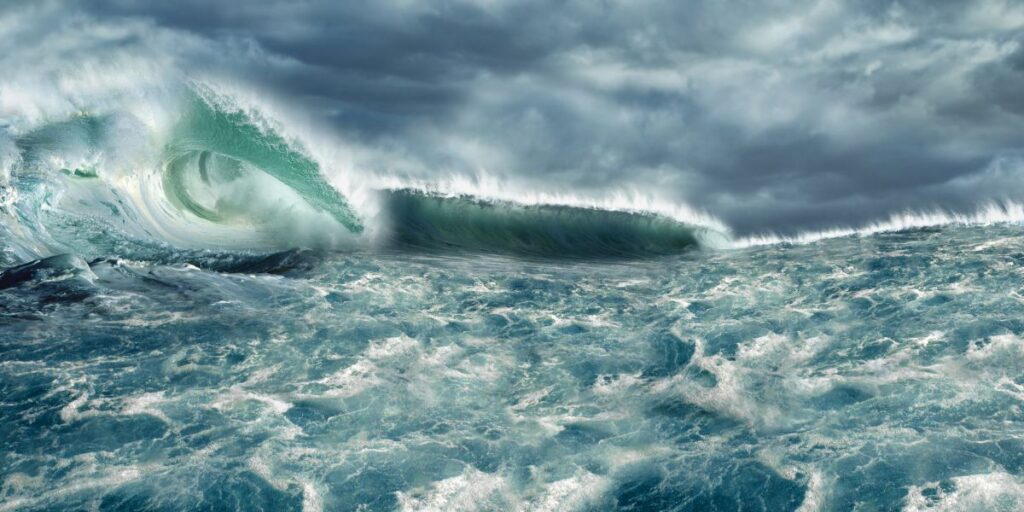
Even though the ocean can be unpredictable, today’s cruise ships are really good at handling rough waters, and the crew try to avoid it when possible. Sometimes, an unexpected change in route can make your trip even more interesting.
Whether your cruise turns out to be a “thrilling adventure” or a calm journey mostly depends on the weather. Either way, the ship’s crew always ensure you’re safe and comfortable.
Understanding Rough Seas and How It Feels on a Cruise
How smooth or bumpy your cruise feels depends on the waves’ size. If the waves are about eight feet tall (roughly 2.4 meters), the sea might start to feel rough. And if the waves reach around 13 feet high (or about 4 meters), the ship can feel quite bumpy.
The Douglas Sea Scale helps categorise the size of waves you might encounter at sea:
| Scale | Wave Height (feet) | Description |
|---|---|---|
| 0 | 0 | Calm, glassy surface |
| 1 | Up to 0.33 | Slight ripple |
| 2 | 0.33 to 1.64 | Smooth, slight motion |
| 3 | 1.6 to 4.1 | Slight sea, minor rolling |
| 4 | 4.1 to 8.2 | Moderate sea |
| 5 | 8.2 to 13.1 | Very rough |
| 6 | 13.1 to 19.7 | High sea |
| 7 | 19.7 to 29.5 | Very high sea |
| 8 | 29.5 to 45.9 | Extremely high sea |
| 9 | Exceeding 45.9 | Phenomenal conditions |
Cruise ships often close the outer decks to keep everyone safe when sailing through very rough seas. Sometimes, to avoid bad weather, the ship might take a different route, which could change some of the places you were looking forward to visiting, all in the name of safety.
World’s Most Challenging Seas and Oceans
Now, let’s explore the most challenging waters for cruise ships…
1. The Bay of Biscay’s Turbulent Waters
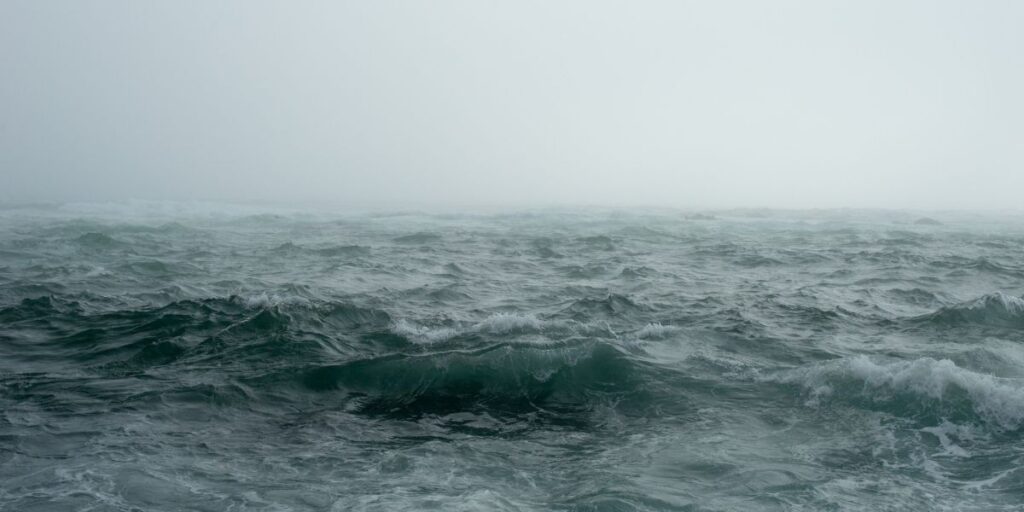
The Bay of Biscay, located west of France and off the northwest coast of Spain, is notorious for its rough waters and strong winds. The Atlantic Ocean can get pretty wild here, stirring up big waves. The summer might be a bit calmer, but there’s often fog in June. If you travel here in the cooler months, be prepared for the possibility of the bay’s full force, with strong winds and high waves.
I’ve sailed through the Bay of Biscay many times and not had a problem. However, I know a few people who have felt a bit seasick.
2. The Mediterranean’s Unpredictable Nature
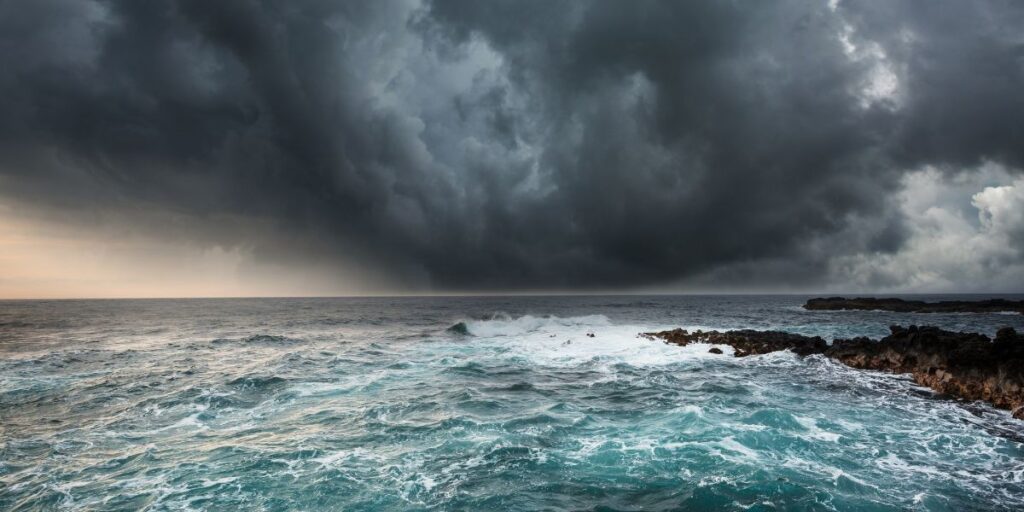
Even though the Mediterranean Sea is famous for its beautiful, calm waters, it can be unpredictable. The strongest winds and highest chances of storms happen in autumn and winter.
Sometimes, cruises from places like Barcelona or Rome might run into ‘medicanes’—rare, hurricane-like storms that form over the Mediterranean and behave similarly to tropical cyclones (though usually smaller and don’t last as long). And, even when it’s not storm season, the sea can still be choppy at times.
3. The Notorious Drake Crossing
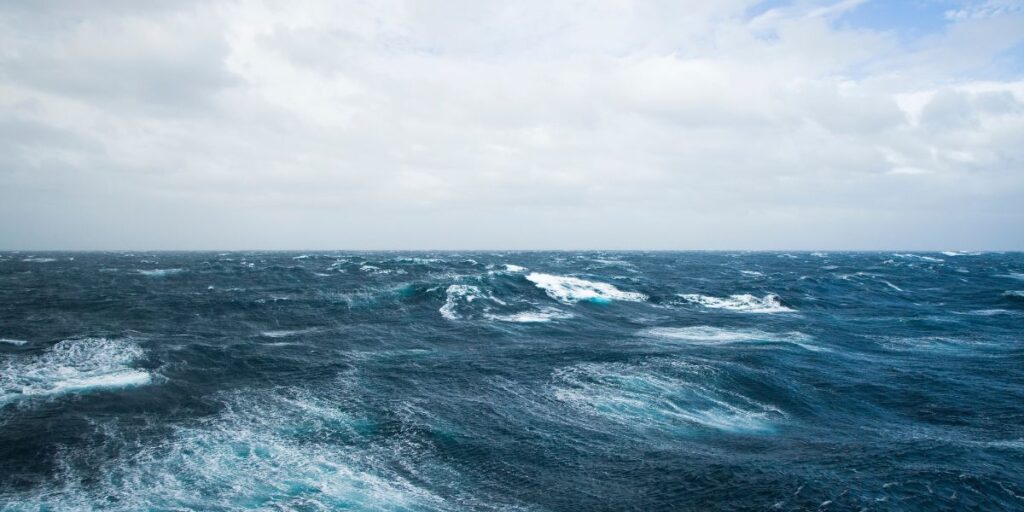
If you’re going to Antarctica, get ready for the Drake Passage. It’s a narrow path of water between the bottom of South America and Antarctica, where the Atlantic and Pacific Oceans meet.
This area is known for having really strong currents and winds, which can make the sea very rough. But, it’s also part of the adventure of getting to Antarctica, as the ships that go there are built to handle these conditions.
4. The Gulf of Alaska’s Wild Frontiers

While cruising to Alaska, you’ll likely enjoy the calm and scenic Inside Passage. But heading to ports like Seward, Whittier, or Anchorage means crossing the Gulf of Alaska.
This area is known for its rough seas, especially from October through April. Here, cold arctic air meets strong Pacific currents, creating storms that can make your journey less calm.
5. The Caribbean’s Stormy Season
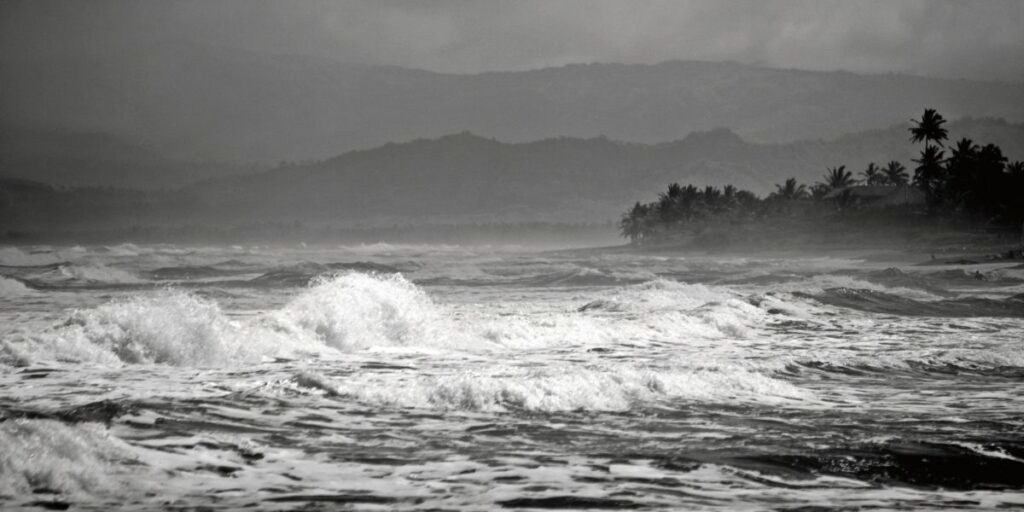
The Caribbean Sea might seem like paradise, but it has rough weather, especially from June to November, with the most activity in August and September.
This is hurricane season, and all the islands, including the Bahamas and the British Virgin Islands, prepare for possible storms. Besides hurricanes, the sea can also get rough where it meets the Atlantic Ocean, making some trips a bit bumpy.
6. The South China Sea
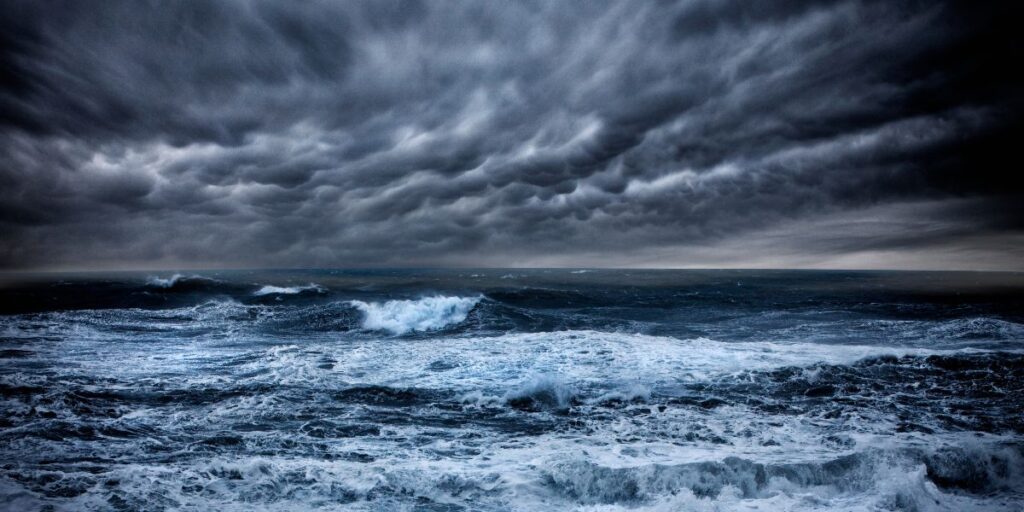
The South China Sea, part of the northwest Pacific, faces its own set of weather challenges. It’s typhoon and cyclone season run from July to November, which can cause big waves.
If you’re cruising from major ports like Singapore, Hong Kong, or Shanghai to places like Vietnam, Cambodia, or the Philippines, be prepared for the possibility of rough seas that could change your travel plans or the ports you visit.
7. The Pacific Ocean
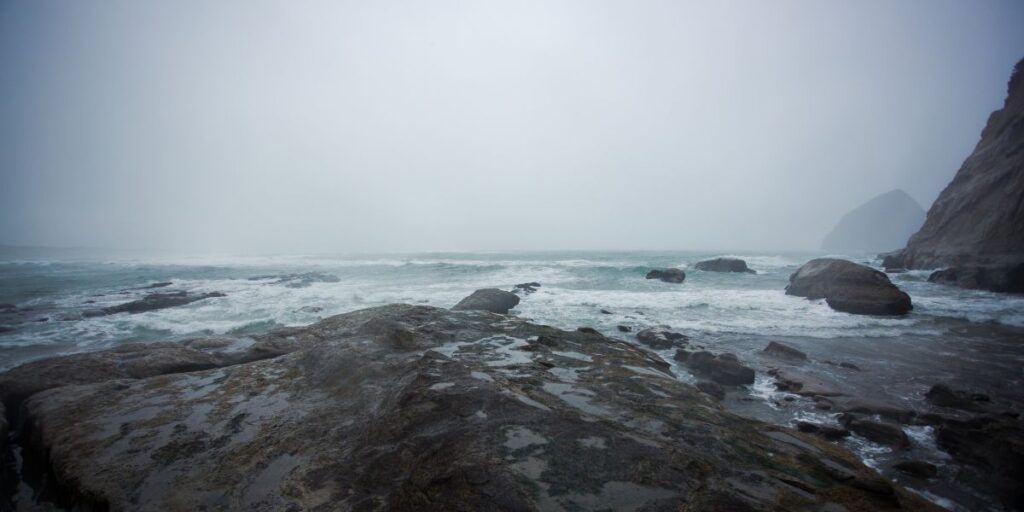
The Pacific Ocean is even bigger than the Atlantic and has its own challenges. If you’re going from North America to places like Hawaii or Asia, expect some rough seas. The Pacific can be particularly rough from February to April.
8. The Vast Atlantic Ocean
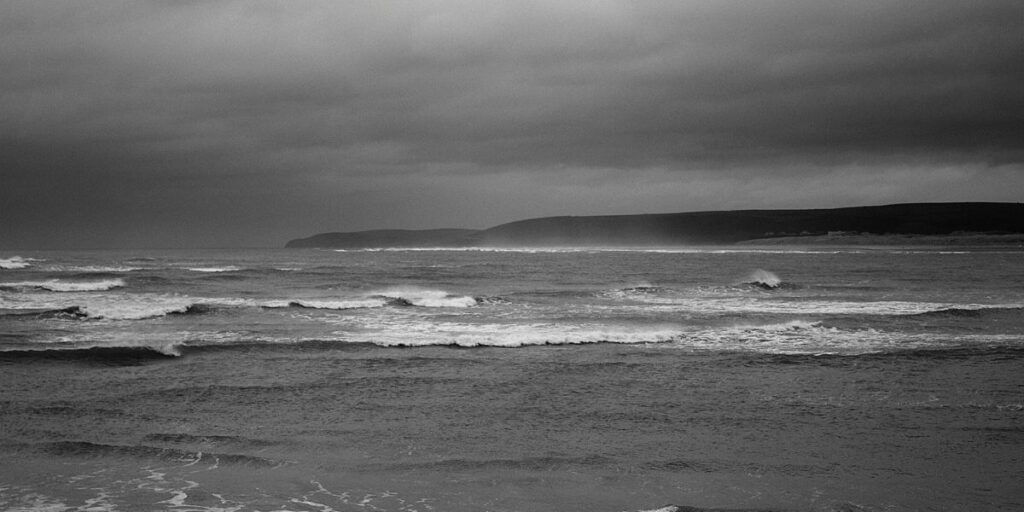
Crossing the Atlantic, such as the classic cruise from Southampton to New York, often means dealing with unpredictable seas.
The vast open water can lead to big waves at any time of year. The roughest conditions usually happen from November to February, so if you travel across the Atlantic, be ready for some potential wild weather.
How Do Cruise Ships Handle Rough Seas?
Cruise ships are built to safely operate through rough sea conditions, including swells roughly in the 4–6 m (13–20 ft) range that correspond to very rough to high sea states. They come equipped with stabilizers that help minimize the ship’s rocking, making the journey smoother for everyone on board. In particularly rough weather, the captain might advise passengers to stay inside for safety.
Even so, you might still feel the ship moving, so it could be a good idea to stay seated, stay. hydrated and consider taking something for seasickness if needed. The captain will keep passengers updated about the weather and might change the ship’s course to avoid the worst parts of a storm.
Occasional reports of large ships such as Anthem of the Seas weathering swells of 9–10 m (around 30 ft) in open ocean highlight how capable modern ships and crew are, but such conditions are relatively rare on typical cruise itineraries
When Are the Seas Most Unsettled?
The sea’s roughness depends on where and when you’re sailing. In general, waters in the north can get really choppy in winter. At the same time, tropical areas might experience the most storms from June to November during hurricane season.
If you’re heading to Antarctica or the Southern Ocean, expect the seas to be lively; some say this is part of the journey’s thrill.
Wrapping It Up
Sailing through the world’s more challenging waters requires careful planning to ensure your cruise holiday stays enjoyable. Modern cruise ships have advanced stabilization systems to reduce discomfort in rough seas.
For those who enjoy an exciting sea adventure, choosing to cruise during peak times can add a thrilling aspect to your journey.
However, if you’re worried about seasickness or prefer a smoother ride, carefully picking your travel dates and routes can help you steer clear of the more turbulent waters. Remember to bring along seasickness medication just in case to ensure nothing spoils your fun time on the cruise.
Today’s Top Cruise Deals
See today’s best deals from ALL travel agents