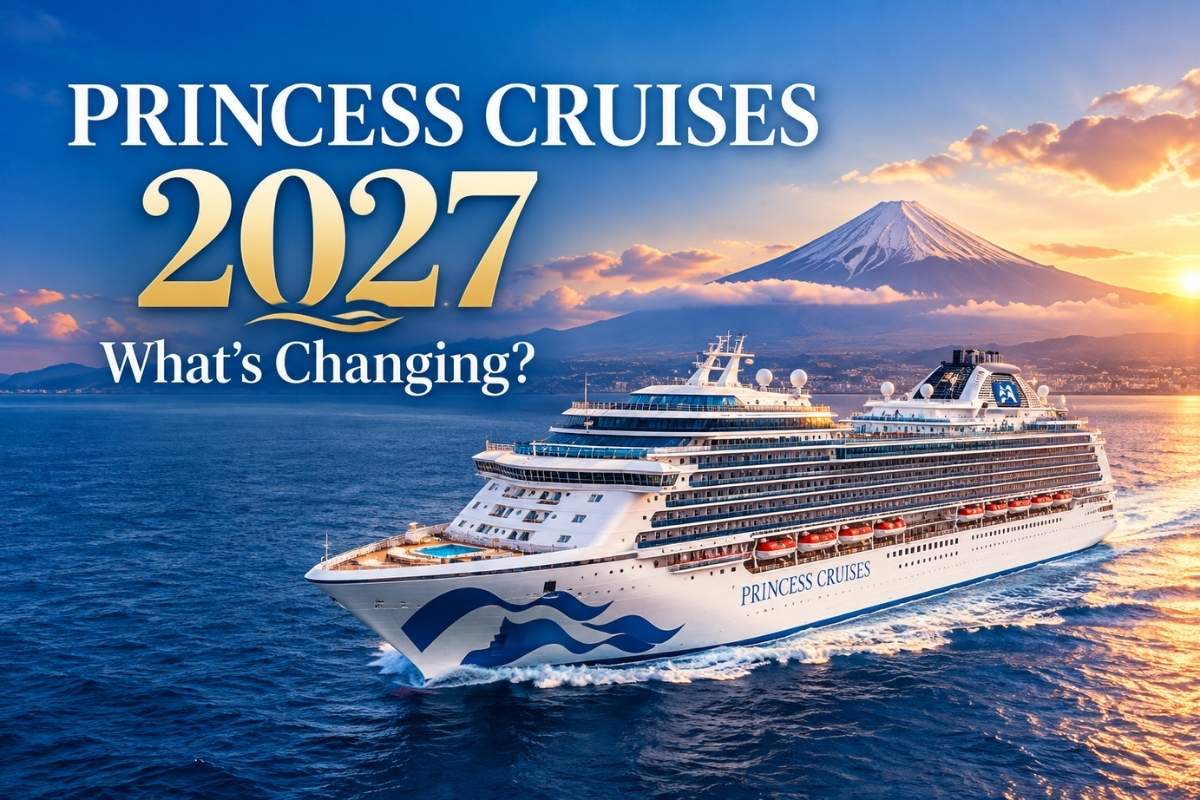
Princess quietly dropped a Northern Europe season that feels very different from the usual port-heavy, hurry-back-before-sunset formula.
For 2027, Princess is leaning into longer sailings, smarter homeports, and itineraries that give you more time to actually enjoy Europe instead of racing through it. If Europe has been sitting on your “one day” list, this is the kind of rollout that makes you look twice.
Princess Just Unveiled Its Biggest Northern Europe Season Ever
For spring and summer 2027, Princess is launching its biggest Northern Europe season to date.
The lineup includes 48 voyages, 54 destinations, and 18 countries across four ships. That alone makes it a major deployment. But what makes it more interesting is how varied the sailings are.
What’s Actually New Here
This season stretches across six regions: the Atlantic, Mediterranean, Northern Europe, the Baltics, Iceland, and the British Isles.
Princess is also letting guests book many voyages on their own or combine them into longer trips, including new open-jaw options. An open-jaw sailing doesn’t bring you back to the port where you started. You might begin in one city and end in another, which makes the trip feel more like a real journey across Europe than a simple roundtrip.
It also creates smarter travel planning. You could spend a few days in one city before the cruise, sail across multiple regions, then fly home from somewhere else without doubling back.
That gives the rollout a different feel from the usual one-region Europe setup, where many itineraries stick to the same basic pattern.
A good example is the 10-night Norwegian & Icelandic Fjords voyage from Copenhagen to Reykjavik. It already feels more interesting than a standard out-and-back route, and it shows how Princess is leaning into more creative routing for travelers who want the cruise to feel like part of a bigger Europe trip.
Four Ships, Five Homeports, And More Ways to Sail Europe
Princess is using four ships with clearly different roles, which makes the season feel easier to navigate.
Regal Princess handles the longest voyages, including the 49-day and 64-day sailings, along with shorter options.
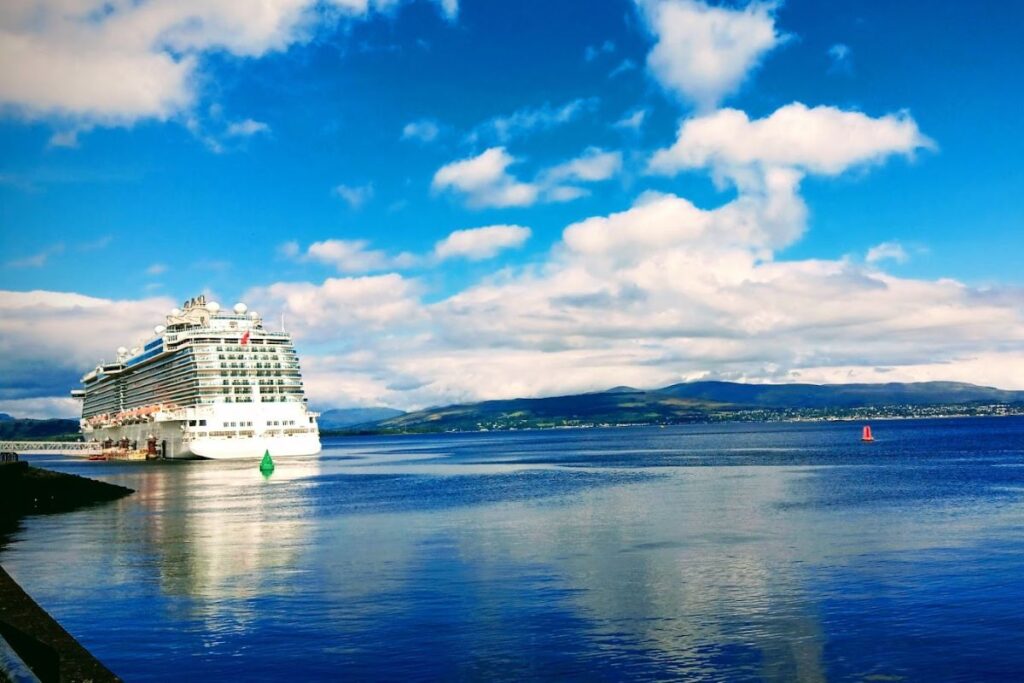
Majestic Princess focuses more on the British Isles, with routes that lean into Ireland, Scotland, and classic UK ports.
Sky Princess covers the Baltics, Iceland, and Norway, which means cooler-weather itineraries, big scenery, and fewer repeat stops.
Caribbean Princess rounds things out with Scandinavia and Atlantic routes.
The homeports also help. Sailings depart from Southampton, Copenhagen, Helsinki, and Fort Lauderdale for transatlantic options. The standout addition is Reykjavik, which opens the door to more Iceland-focused itineraries without awkward backtracking.
More homeports make the season easier to work with. You can start closer to the region you actually want to explore and build better pre- or post-cruise plans around it.
From One Week to Two Months at Sea
Princess is offering Northern Europe sailings from seven to 64 nights, which opens this season up to very different kinds of travelers.
Shorter cruises work if you want one focused region and a trip that fits neatly into a regular vacation window.
Longer sailings are built for people who don’t want to rush. You unpack once, settle in, and let the trip unfold instead of hopping from one quick stop to the next.
The middle ground may be the sweet spot for a lot of cruisers. Two- and three-week sailings are long enough to justify the flight, but still realistic for people who can’t disappear for two months.
It really comes down to pace. Do you want a snapshot of Europe, or enough time to sink into it?
The 64-Day Ultimate European Journey Explained
Princess describes it as “the line’s most immersive European voyage ever.”
Sixty-four nights. One sailing. No switching ships.
The itinerary links Northern Europe, the Baltics, Iceland, the British Isles, and parts of the Mediterranean into one continuous trip. Instead of treating each region as a separate vacation, Princess has bundled them into a single long-form journey.
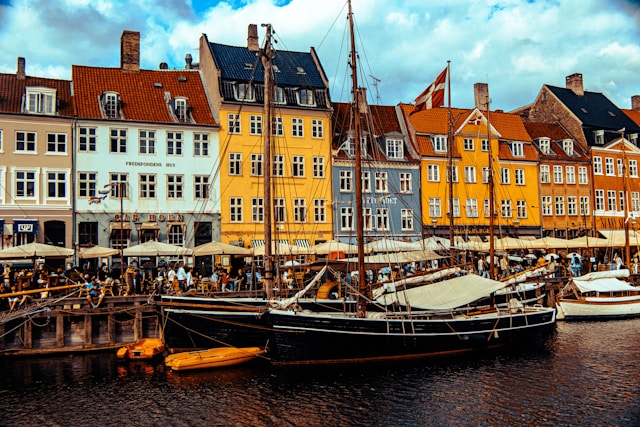
There are also overnight stays, including Stockholm and Cobh. That gives you more freedom to enjoy a place after the daytime rush, whether that means dinner ashore, a slower evening walk, or simply not watching the clock all day.
And that’s really the appeal of a sailing this long. Life onboard starts to feel less like a schedule and more like a rhythm.
Why These Itineraries Stand Out From the Crowd
A lot of cruise lines visit Northern Europe. Fewer give the region this much breathing room.
Some of these itineraries include overnights, which changes the whole feel of a port stop. You’re not limited to a rushed excursion and an all-aboard deadline. You get time to wander, stay out later, and see a place at a different pace.
Princess is also mixing major cities with smaller ports that don’t feel quite as overdone. Places like Visby, Akureyri, and the Orkney Islands bring in a quieter, more distinctive side of Northern Europe.
Princess is putting extra weight on the shore side of the experience too, with excursions like bathing in the Blue Lagoon, trips through the Scottish Highlands and Loch Ness, and artisan-focused tours in Tallinn.
That balance is what makes these routes work. You still get the headline destinations, but without feeling like every stop is another crowded checklist item.
The Flexibility Advantage Most Cruise Lines Don’t Offer
Many of these sailings are built from seven-night segments that can stand alone or be combined into longer trips.
That gives you options.
If you want one week, you can book one week. If you want something longer, you can link segments together without changing ships or rebuilding the entire trip from scratch.
That kind of structure makes a big difference, especially for travelers who like the idea of a longer Europe cruise but don’t want to commit to the full 64-night experience.
Best Value Sailings by Travel Style
The best-value option depends on what kind of trip you want.
If you want the widest mix of destinations without going all-in on a very long sailing, the 21-day Baltic, Scandinavian, and Iceland Adventurer stands out. It covers 12 destinations across six countries and includes scenic cruising in three places, which gives you plenty of variety without the weight of a two-month trip.
If you want something more manageable, the 14-day Iceland and Norway sailing looks especially strong. You still get dramatic landscapes and cool-weather ports, but in a format that fits more easily into real life.
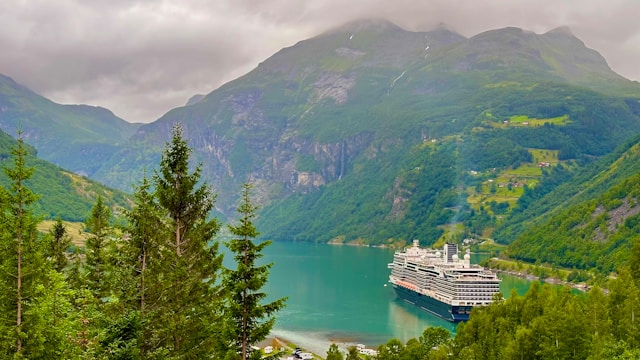
Another strong example from the new program is the 14-night Scandinavia and Baltic Adventure from Southampton to Helsinki, which gives you a more port-heavy option without moving into ultra-long-cruise territory.
And if the British Isles are the main draw, the 12-day Majestic Princess voyage gives you a more focused regional route.
Some travelers want the most ports for the money. Others care more about pacing, fewer flights, or spending more time in one part of Europe. This lineup gives you room to choose based on that.
Princess Also Included Smart Booking Incentives
Princess isn’t just selling the itinerary. It’s also making early bookings easier to justify.

Guests can book inclusive fare packages like Princess Plus and Princess Premier on select sailings. Those can bundle in drinks, Wi-Fi, crew appreciation, and other extras that get expensive fast when added separately.
Princess also highlighted its EZ Air program, which lets guests choose their dates, airports, airlines, flights, and cabin classes with more flexibility. For a Europe cruise, that’s a genuinely useful detail, especially if you’re trying to build in time before or after the sailing.
Related reading: 10 Things You’ll Love About Princess Cruises (Compared to Other Lines)
Why 2027 Could Be the Right Year to Cruise Northern Europe
This season feels built for travelers who want Europe to feel less rushed and more personal.
You’ve got more homeports, longer itinerary options, stronger regional variety, and overnights in places that actually deserve them.
That doesn’t mean every sailing will suit every traveler. But it does mean Princess has made Northern Europe easier to approach in a more thoughtful way.
And that’s the real shift here. This season feels less like a checklist and more like a chance to shape the trip around how you actually want to travel.
Princess Europe 2027 Itineraries and Homeports
Regal Princess April to October 2027 Homeports: Southampton, Copenhagen, Reykjavik Highlights: 7- to 28-day voyages, plus the 64-day Ultimate Europe cruise
Sky Princess April to September 2027 Homeports: Southampton, Copenhagen Highlights: Baltics, Norway, Iceland, and Greenland
Majestic Princess May to October 2027 Homeport: Southampton Highlights: 12-day British Isles cruises, plus Iceland and transatlantic routes
Caribbean Princess July to August 2027 Homeports: Copenhagen, Helsinki Highlights: 12-day Scandinavia and Baltic sailings
Today’s Top Cruise Deals
See today’s best deals from ALL travel agents