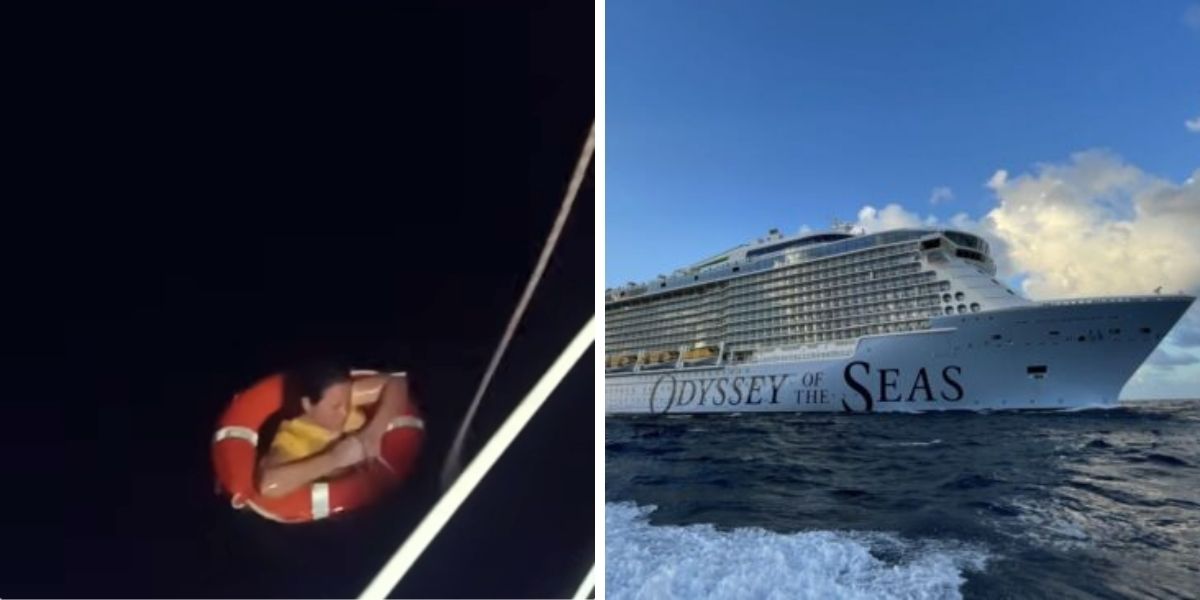
You’re about to book a Hawaii cruise, and you’re feeling good about the price… then you hear a rumor about a new tax that could change everything.
Do you book now? Do you wait? Or did the whole thing quietly disappear?
If you cruise often, you know how quickly pricing rules can shift. One court ruling. One new fee. Suddenly the math looks different. And Hawaii cruises aren’t cheap enough to ignore surprises.
That’s nearly what happened until right before the clock struck midnight on December 31, 2025.
A last-minute court decision stopped Hawaii’s new cruise “Green Fee” from kicking in—at least for now. And if you’re sailing in 2026, that pause could matter more than you think.
Here’s what actually happened—and why timing suddenly matters.
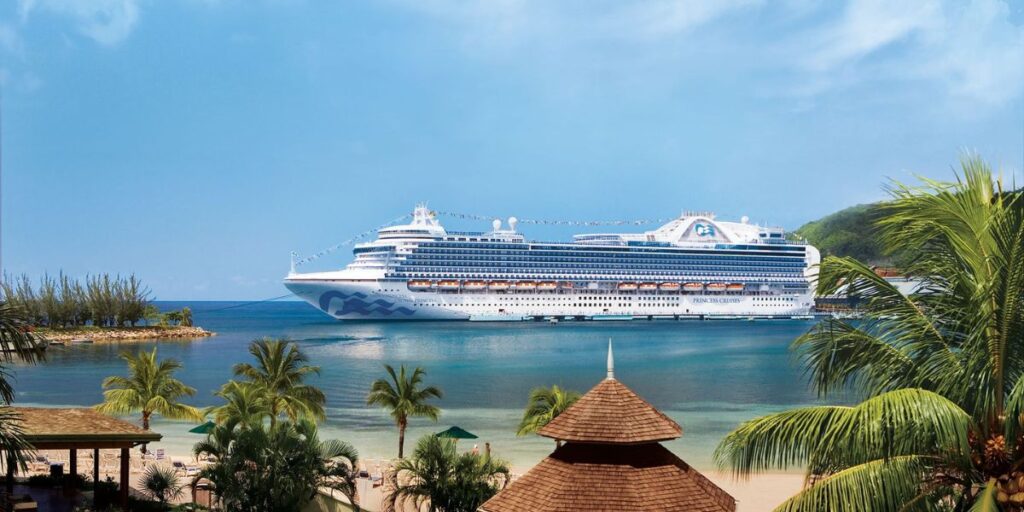
What Just Happened With Hawaii’s Cruise “Green Fee”
This one came down to the wire.
On December 31, 2025—just hours before the tax was set to begin—a federal appeals court stepped in and hit pause on the fee.
The ruling blocks Hawaii’s new cruise “Green Fee” from taking effect on January 1, 2026. So for now, cruise passengers sailing to Hawaii won’t pay the new tax.
That part is clear. What’s less clear is how long this will last.
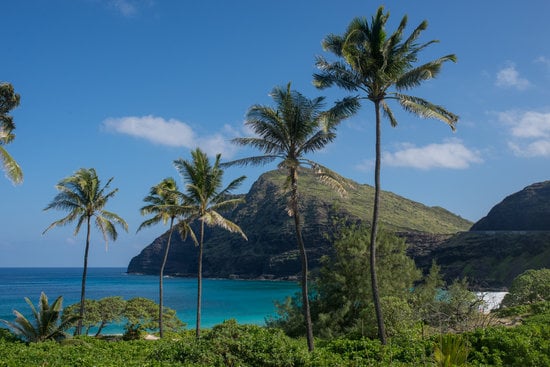
The court didn’t strike the law down. It issued a temporary injunction. That means the tax is on hold while the legal fight continues. So yes, Hawaii cruises are tax-free at the moment.
But this isn’t a final decision. And that distinction matters if you’re booking ahead.
What the Green Fee Was Supposed to Cost Cruise Passengers
The blocked tax wasn’t small.
Hawaii’s law, known as Act 96, would have added an 11% state tax to cruise fares. Some counties could have added up to 3% more on top of that. That brings the potential total to 14%.
But it wasn’t applied to your entire cruise fare. The tax only applied to the portion of your trip tied to nights spent in Hawaiian ports. So sea days didn’t count. Days docked overnight did.
The idea was to treat cruise cabins just the same as hotel rooms. Hotel guests already pay Hawaii’s accommodations tax for overnight stays. Cruise cabins would have been treated the same way—for the first time ever.
Simple idea. Big impact. Especially for longer itineraries, families, and multi-cabin bookings.
What This Means for Hawaii Cruise Prices in 2026
For now, prices stay exactly as you see them. There’s no extra tax added at checkout. No surprise fee later. What you book today is what you pay.
That can make a real difference.
Take a typical 7-night Hawaii cruise priced at $1,400. If the tax had gone into effect, that price could have jumped by up to $154 per person. For a family of four, that’s roughly $616 on a single trip. Longer cruises would have felt it even more.
So if you’re sailing in 2026, this ruling locks in some breathing room. At least for the moment.
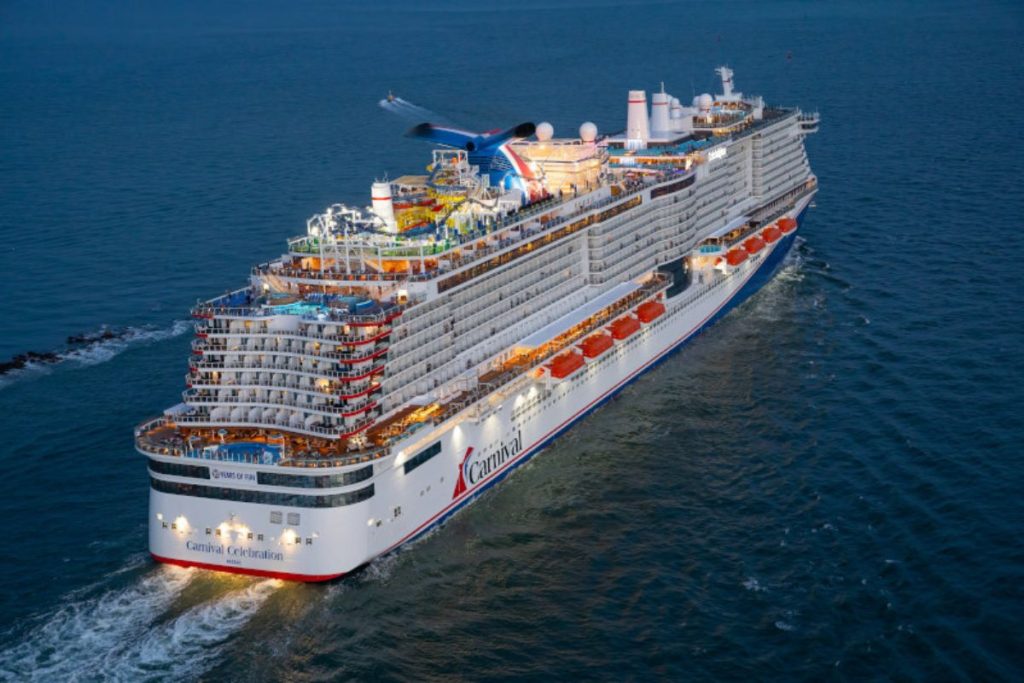
The catch? This could change. Because the injunction is temporary, cruise lines could reprice future sailings if the tax comes back. That’s why timing matters.
Are you booking soon to lock in today’s price? Or waiting to see how the court case plays out?
Why the Cruise Industry is Fighting the Tax
The cruise industry doesn’t see this as just another fee. They see it as a legal line being crossed.
Cruise Lines International Association, lead the challenge. Their argument isn’t about avoiding environmental costs. It’s about who has the power to charge them.
Under U.S. law, maritime commerce is regulated at the federal level. Cruise groups say states can’t impose taxes that function like port or ship fees, even if they’re labeled differently. That’s the core issue.
They also warned about ripple effects and precedence. If Hawaii’s tax stands, other states could follow. That could mean higher costs across multiple itineraries, not just in Hawaii.
There’s also the tourism economy angle. The cruise industry points out that cruising brings nearly $1 billion a year into Hawaii’s economy and supports thousands of local jobs. Higher costs, they argue, could reduce demand and hurt the same communities the tax was meant to help.
From their perspective, this case is about consistency, limits, and long-standing rules. And they’re willing to fight it all the way.
Hawaii’s Side of the Fight
Hawaii sees this very differently. State leaders say the goal was never to single out cruise passengers. It was to make sure everyone who stays overnight helps cover the cost of protecting the islands.
Governor Josh Green has been clear about why the law was created. After the Maui wildfires, he tied the Green Fee directly to natural disaster prevention.
“We had a $13 billion tragedy in Maui, and we lost 102 people. These kinds of dollars will help us prevent that next disaster.”
From the state’s point of view, cruise cabins function like hotel rooms. Guests sleep overnight. They use local infrastructure. They rely on beaches, roads, and emergency services.
So the thinking was simple. Hotel guests already pay an accommodations tax. Cruise guests should too.
After the appeals court blocked the tax, Hawaii didn’t panic. State Attorney General Anne Lopez said the pause doesn’t change the state’s confidence.
“We remain confident that Act 96 is lawful and will be vindicated when the expedited appeal is heard on the merits.”
Back to that important detail. The law wasn’t thrown out. It was put on hold.
Hawaii believes the courts will ultimately agree that the tax is legal—and fair.
Why Environmental Groups Are Upset About the Ruling
Environmental advocates weren’t celebrating the pause. For them, the issue isn’t legal theory. It’s lost funding.
Jeff Mikulina, chair of Hawaii’s Green Fee Advisory Council, said the decision undercuts the original goal of spreading the cost more evenly.
“It’s just deeply unfortunate, because the idea was fairness across the tourism sector. Folks that are coming to Hawaiʻi to enjoy and use natural resources are going to be part of the solution and protecting them.”
The concern is practical. Environmental groups reviewed more than $2 billion in project requests tied to the Green Fee. Only $130 million could be recommended for funding. Cruise-related revenue was expected to cover about $10 million a year of that gap.
Without it, something gives.
Mikulina also pointed out that when cruise funding disappears, the burden doesn’t vanish. It shifts.
“Without that source of income from the cruise ships, it’s just going to shift back to other visitors and to residents and taxpayers.”
That’s where the frustration comes from. To environmental groups, this isn’t about punishment. It’s about prevention. Clearing flammable grasses. Restoring native forests. Reducing runoff that harms reefs.
Slow that work down, they argue, and the risks grow. From their view, the court’s pause doesn’t just delay a tax. It delays protection.
Is This Tax Gone for Good—or is it Coming Back?
This part is still up in the air. As I’ve said, the court didn’t cancel the Green Fee. It only paused it while the appeal moves forward. That means the tax could return. Or it could stay blocked. Or it could end up tied up in court for a long time.
Here’s what happens next.
The case goes back to the Ninth Circuit for a full appeal. There’s no set date yet. If the court sides with Hawaii, the tax could come back. If it sides with the cruise industry, the pause could become permanent.
And there’s one more twist. Either side could ask the U.S. Supreme Court to weigh in. If that happens, the timeline stretches out even more.
So if you’re looking for certainty, you won’t find it here. All anyone can say right now is this: the Green Fee is off for now, but it’s not gone for good.
Should You Book a Hawaii Cruise Now or Wait?
That depends on what you value most. If you like certainty, booking now has an advantage. Current 2026 prices don’t include the Green Fee. What you see is what you pay.
It also helps with choice. Hawaii cruises tend to fill up early. Booking sooner usually means better cabin options and fewer compromises.
Waiting has its own appeal. If you’re looking at 2027 or later, you may want to see how the court case plays out. The tax could come back. Or it might not. No one can promise either outcome.
Here’s the reality though.
Even if the 11% tax returns, Hawaii cruises often still cost less than staying on land for the same number of nights. Cruise lines may also decide to absorb part of the cost instead of passing it all along.
So this isn’t a make-or-break moment.
It’s more about comfort level. Do you want to lock things in now, or sit tight and watch what happens next?
Today’s Top Cruise Deals
See today’s best deals from ALL travel agents